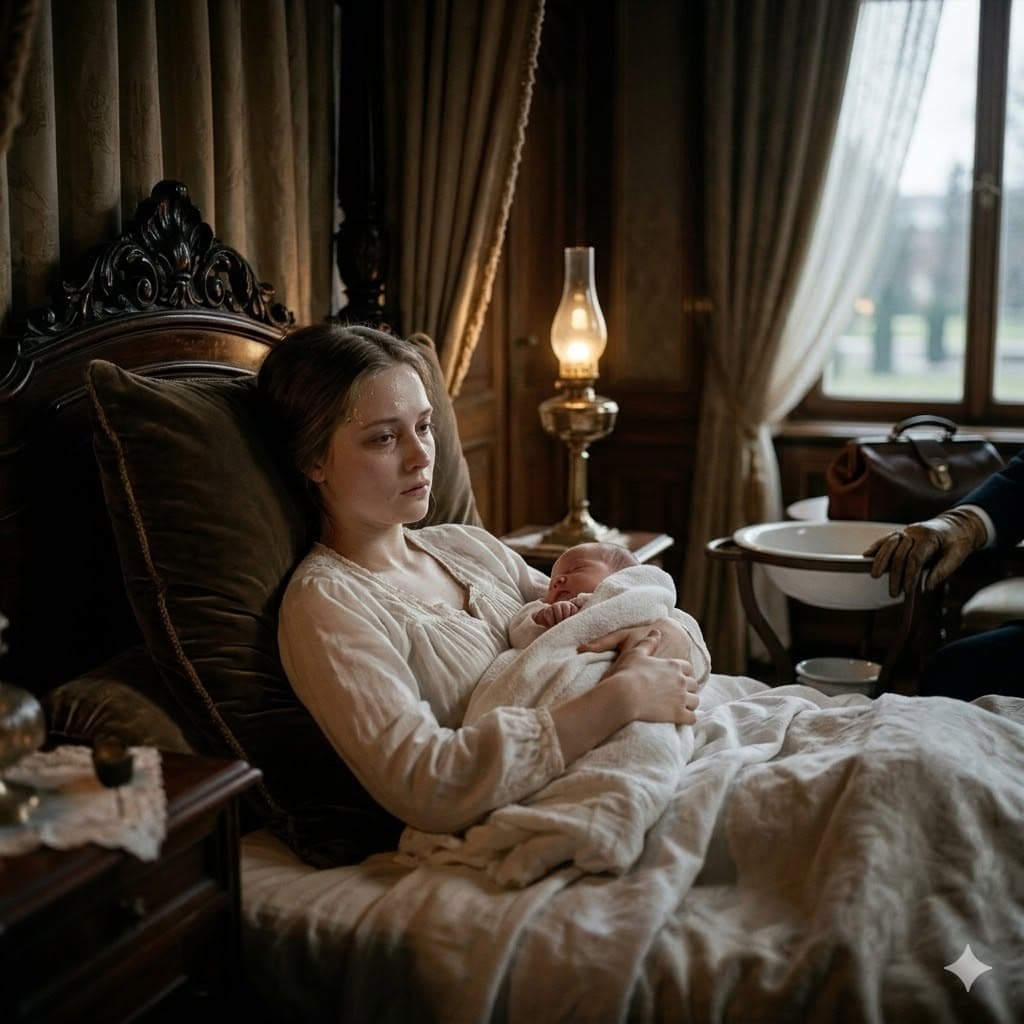
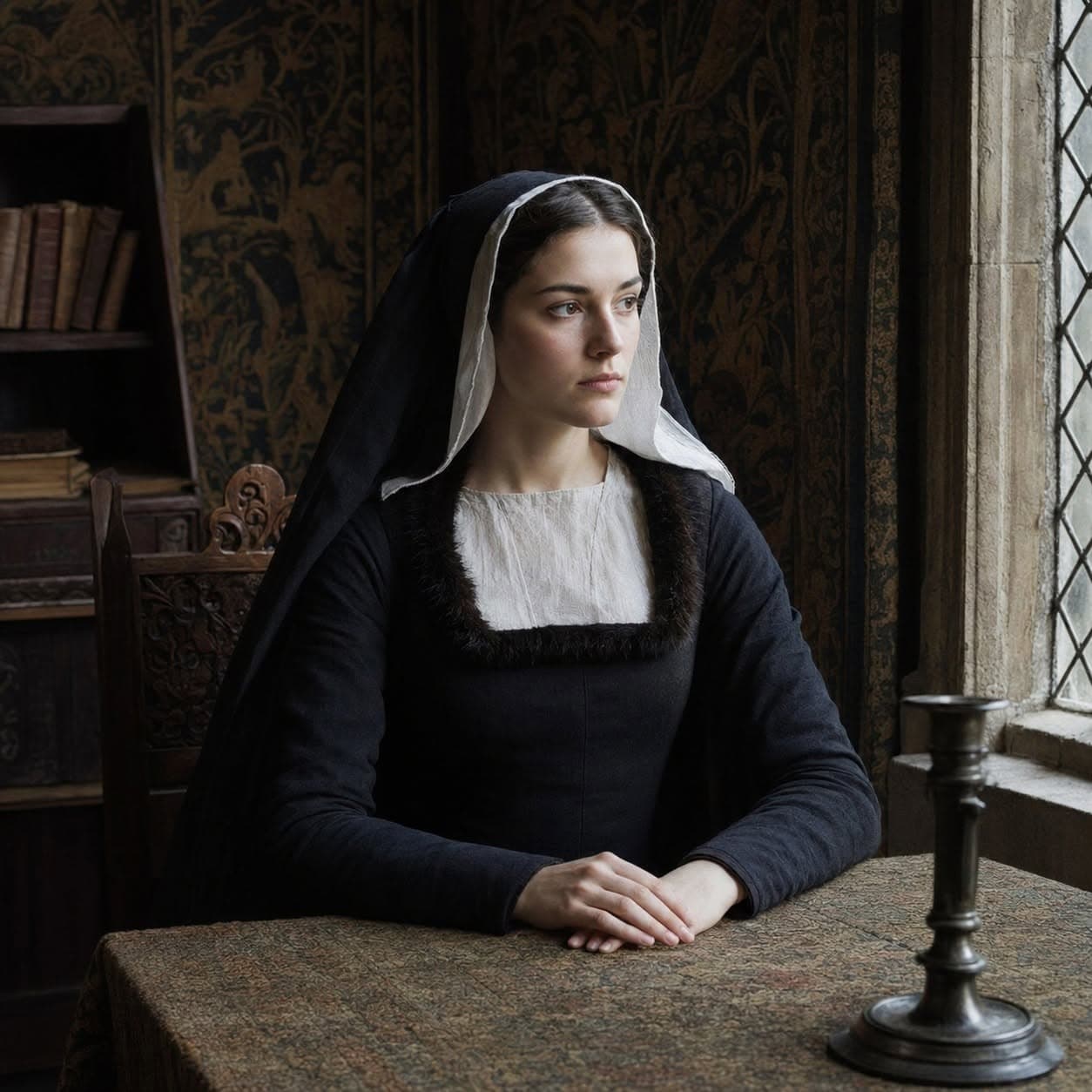
Being born into the highest levels of European nobility could not save twenty-one-year-old Princess Anna of Hesse from the absolute terror of Victorian childbirth. Born on May 25, 1843, she entered a world of immense privilege and wealth where her family connections placed her at the very center of European royalty. Yet underneath the glittering tiaras and velvet gowns, women of her era faced a silent predator that cared nothing for titles or royal bloodlines. The delivery room was a terrifying battlefield where survival was never guaranteed.
Edward IV died before anyone was ready for it. The Woodvilles were ready within hours. Richard of Gloucester did not know his brother was dead for ten days.
He spent thirteen years performing a loyalty he had already decided to destroy. On the morning he betrayed it he was waiting for the right moment. He knew what the moment would look like. He had been waiting for it since 1472.
He was a prince of the blood in a dynasty that had no use for princes of the blood who were not the king. His brother wore the crown. He carried the blood. He spent his entire life trying to close the distance between those two facts. He never came close.
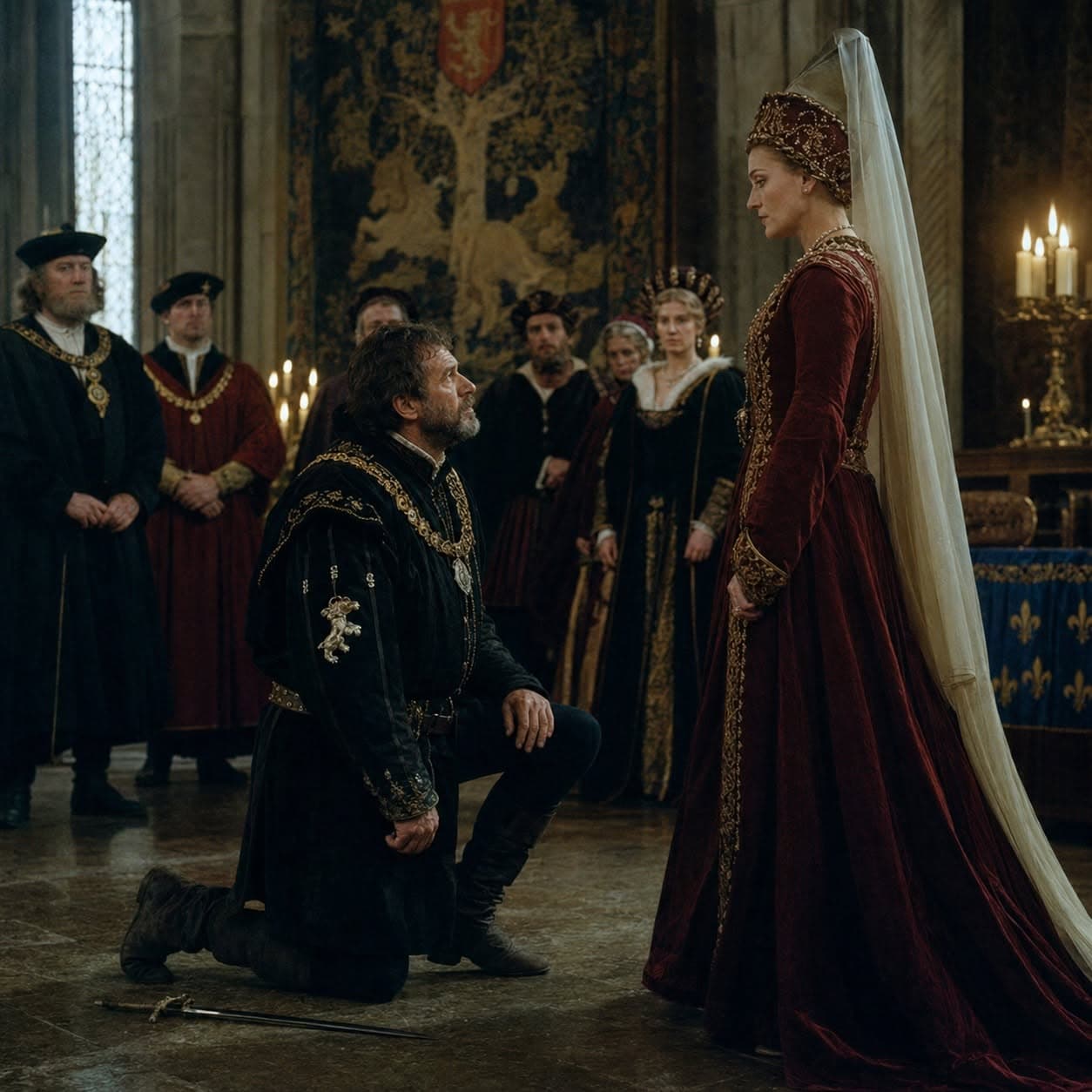
In the summer of 1470 Richard Neville, Earl of Warwick, knelt before Margaret of Anjou in a French court and asked for her help. She had been waiting nine years for someone with an army. He was the man who had made that wait necessary. They both understood what the meeting was. They did it anyway.
She gave birth on a ship off Calais in April 1470. The captain had refused to let them land. Her father was negotiating. The baby did not survive. The negotiations did.
She made the same choice twice. Her daughter made it once. Between the three of them they changed the succession of England. Nobody called it strategy. Nobody had a charge for that.
She had been Queen of England. She died in a convent with nothing, having asked for a quiet funeral with no expense. No explanation was ever recorded. Henry VII never gave one.
Her father sold her to the enemy to settle a political debt. The enemy's son was dead within a year. The man she married next may have been in the room when it happened.