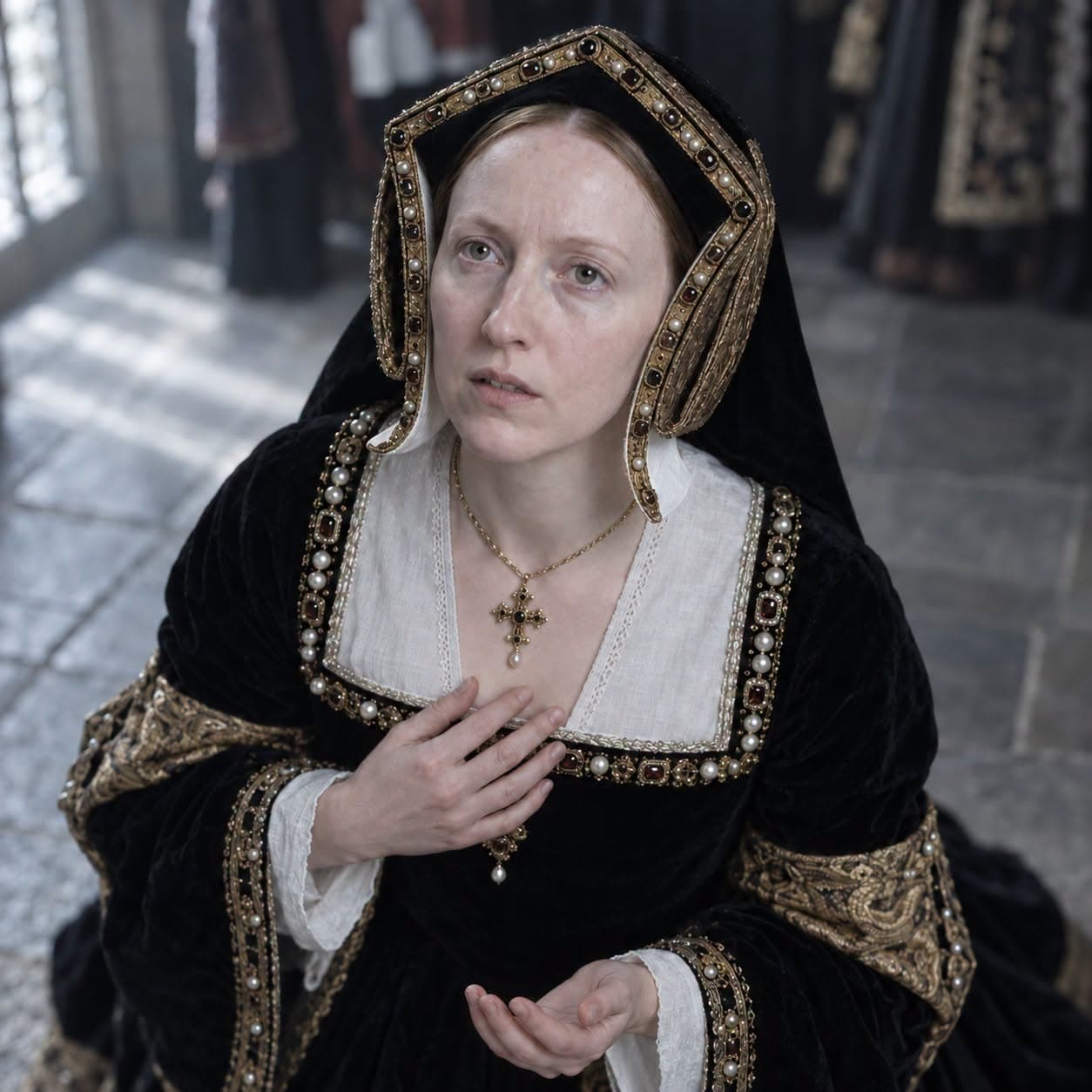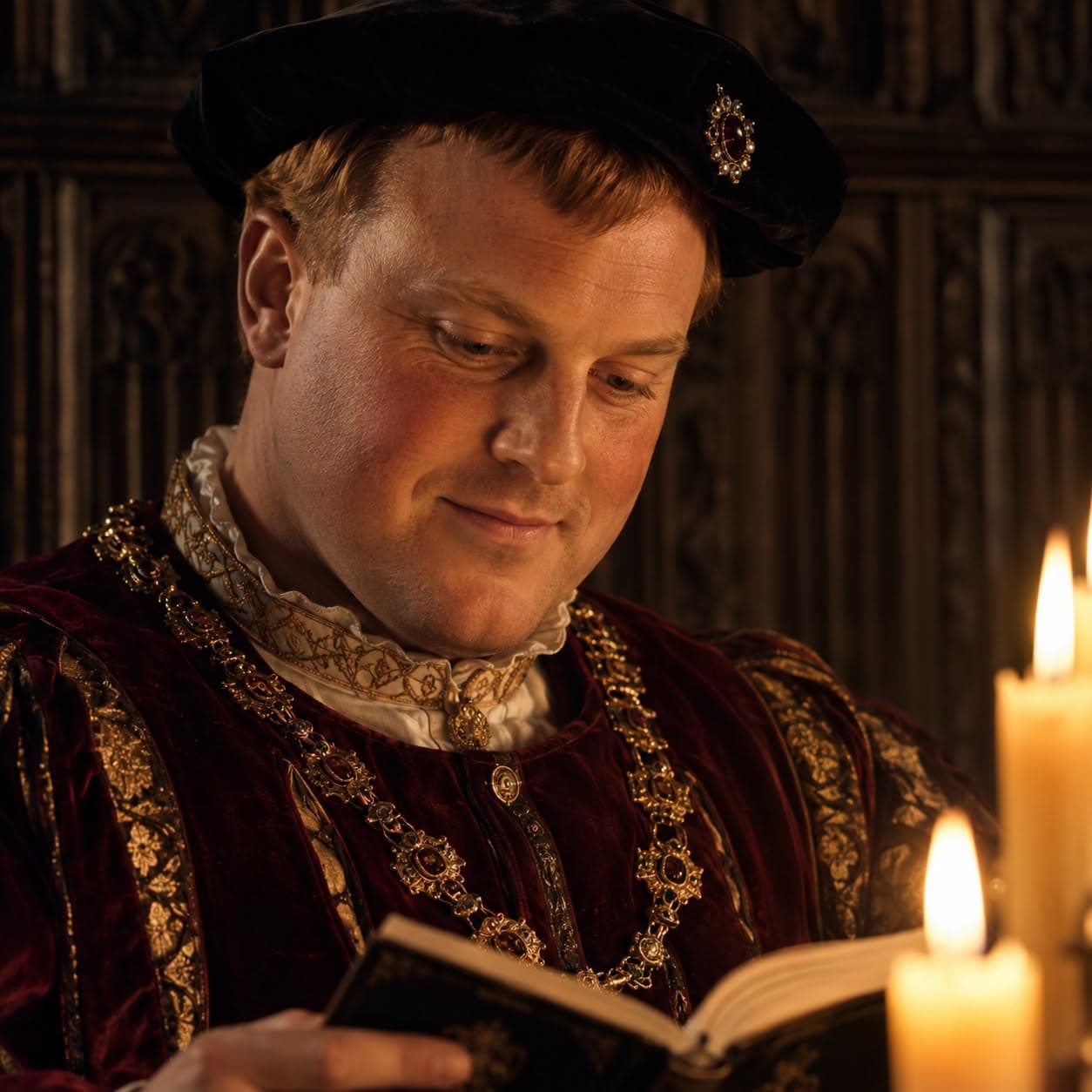
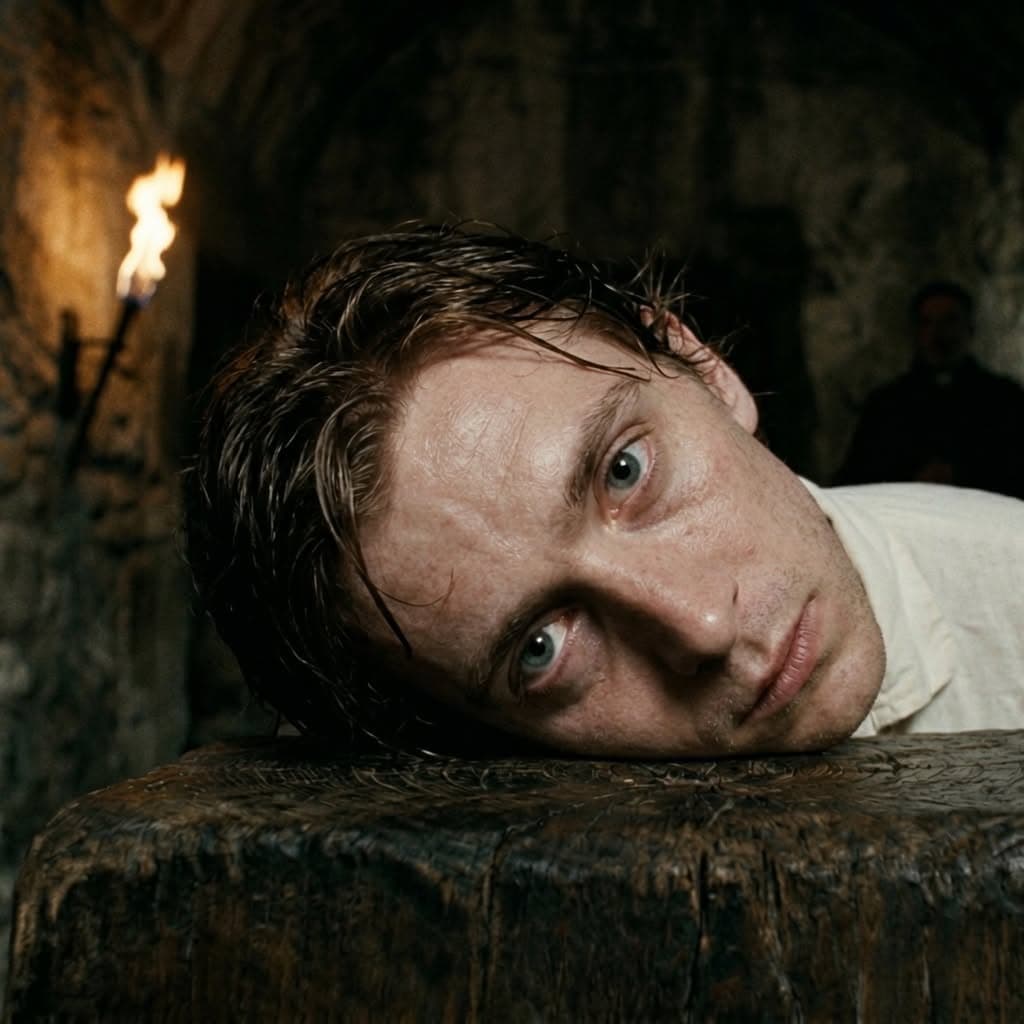
He was a prince of the blood in a dynasty that had no use for princes of the blood who were not the king. His brother wore the crown. He carried the blood. He spent his entire life trying to close the distance between those two facts. He never came close.
George Plantagenet was born in October 1449, the third surviving son of Richard Duke of York and Cecily Neville, and he grew up in a family defined by proximity to the crown and the specific dangers that proximity created. His father had died at Wakefield in 1460 before he could take the throne he had spent his life manoeuvring toward.
His brother Edward took it instead, at eighteen, at Towton, in a snowstorm. George was eleven years old when Edward became king and the fact of that accession settled over his childhood like a permanent condition: his brother wore the crown, he carried the blood, and the distance between those two facts was the territory he would spend his entire life unable to stop navigating.
Warwick saw the territory and used it. The alliance between Warwick and George made sense from both sides in the way that alliances between people who need each other always make sense before the needing runs out. Warwick needed a prince of the blood as a counter to Edward. George needed a powerful father-in-law and the validation that Warwick's support represented.
The marriage to Isabel Neville at Calais in July 1469, conducted without Edward's permission in deliberate defiance, was the formal expression of what both men wanted. George was nineteen. He had royal blood and a grievance and a father-in-law with an army. For approximately three months that combination seemed sufficient.
Then Warwick released Edward from Warwick Castle and George understood what he was to the plan. Not a candidate. An instrument. The royal blood was the value and the value had been used and the plan had moved on. He switched back to Edward in 1469 and was forgiven and no one believed the forgiveness, least of all George. Edward kept him close because Plantagenet brothers loose in the country were more dangerous than Plantagenet brothers under observation, and George understood that too. He had been forgiven the way you forgive something you intend to watch carefully. He accepted the terms because there were no other terms available.
He followed his father-in-law to France in 1470 when the second rebellion failed, stood beside him in the negotiations with Margaret of Anjou, watched Anne Neville betrothed to Edward of Lancaster as the price of the alliance, and then did the thing that defined him: he switched back to Edward again. He crossed back to England before Barnet, bringing intelligence about Warwick's dispositions that contributed to Edward's victory. He stood on the Yorkist side at Barnet in April 1471 while his father-in-law died in the fog on the other side of the field. He was twenty-one years old. He had betrayed Warwick twice and Edward once and was now the last senior Neville ally standing, the conduit through which the vast Beauchamp-Neville inheritance would flow if he could make his position secure.
He could not make his position secure. That was the condition he had been born into and no number of switches could alter it.
The years between Barnet and Isabel's death in December 1476 are the years the record preserves least about George and most about what Isabel's presence in his life was doing. He pursued the Neville inheritance with a ferocity that alarmed even Edward, attempting to secure the entirety of the Beauchamp estates through legal manoeuvres his brother eventually had to arbitrate by force, hiding Anne Neville in a London household to prevent her marriage to Richard of Gloucester, conducting a private campaign against his own brother that the court watched with increasing unease. He was acquisitive and suspicious and difficult to manage, and these qualities were visible throughout his life, and they were also, in the years when Isabel was alive, within the range of what the court could accommodate. She was the boundary he did not cross. Whether he understood that she was, the record does not say.
Isabel died on the twenty-second of December 1476. The execution of Ankarette Twynho in the spring of 1477 was not grief. It was what George looked like without Isabel. Tried and hanged within a single day on his personal authority without reference to any court that had jurisdiction, Ankarette's death told Edward everything he needed to know about what George had become and what George would continue to do now that the constraint was gone.
Edward had Ankarette pardoned posthumously. He arrested George in June 1477. The charges included the Ankarette killing, accusations of spreading rumours that Edward had used sorcery to obtain the crown, claims that the 1469 rebellion had been justified, suggestions that Edward intended to destroy him. George apparently believed, when Edward arrested him, that he could talk his way back. He had done it twice. The record suggests he went to the proceedings genuinely expecting a third forgiveness.
He was attainted by parliament in February 1478 and executed in the Tower on the eighteenth of February 1478. He was twenty-eight years old. His attainder had established, for the first time by act of parliament, that Plantagenet blood could be legislated away when the crown required it. The mechanism Richard used five years later had already been built here. George did not live to see what it was used for.
He was buried beside Isabel at Tewkesbury Abbey, behind the high altar, where she had been waiting for him for more than a year. His children Margaret and Edward were alive. Both would eventually be executed for the crime of carrying his blood.
The malmsey wine is almost certainly legend. What it preserves is true. The court turned his execution into a story rather than a fact because a man of his blood dying on his brother's orders required some kind of commentary, and the wine was the commentary the period found adequate: a death as strange and particular and slightly absurd as the life that preceded it.
He had understood the game completely. He had played it past the point where it could be won. He had not been able to stop.