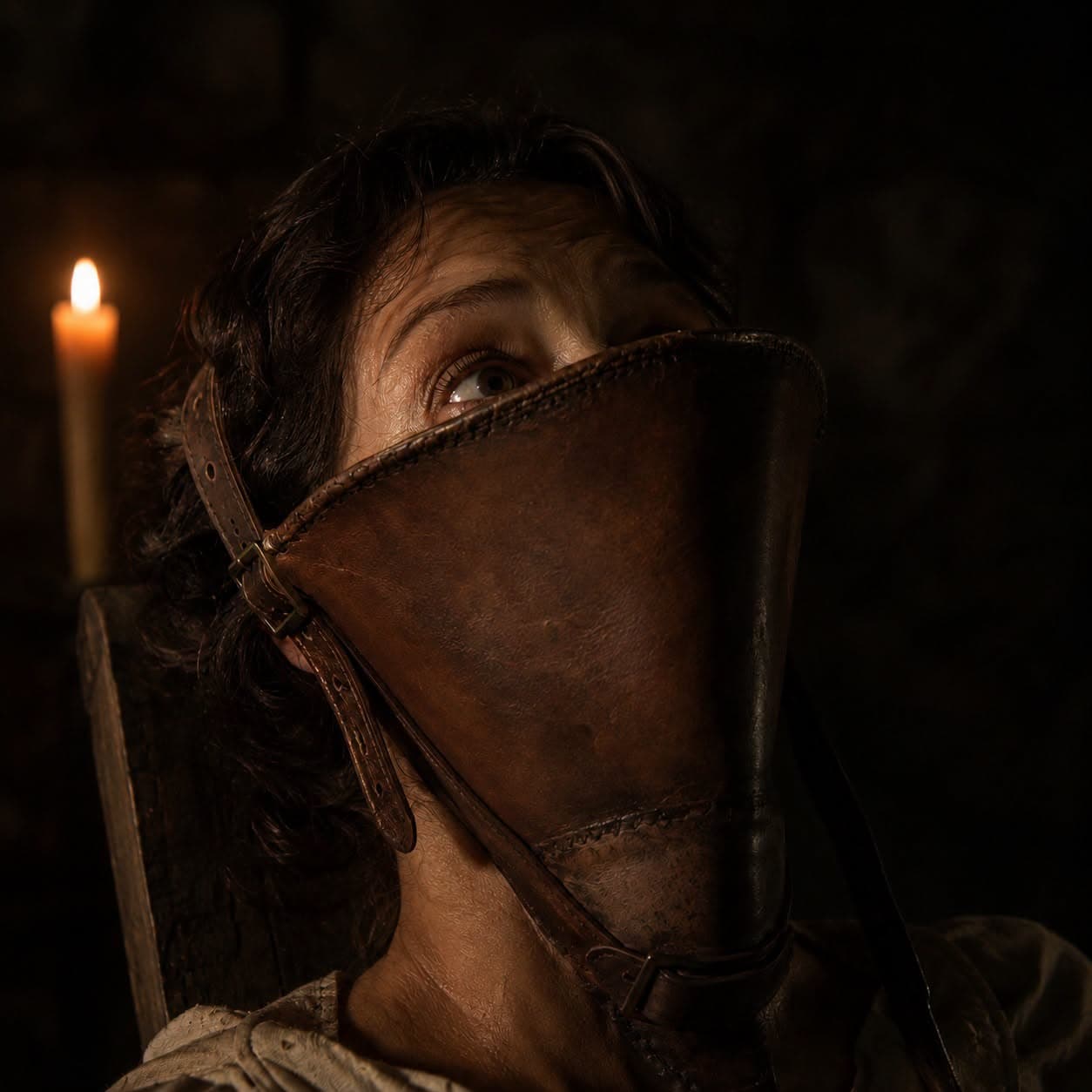
They began with water. At dawn in Paris, a woman was strapped down in the Conciergerie and forced to swallow water until her body became an instrument of pain all by itself. The question extraordinaire was not a hidden act. It was part of the script.
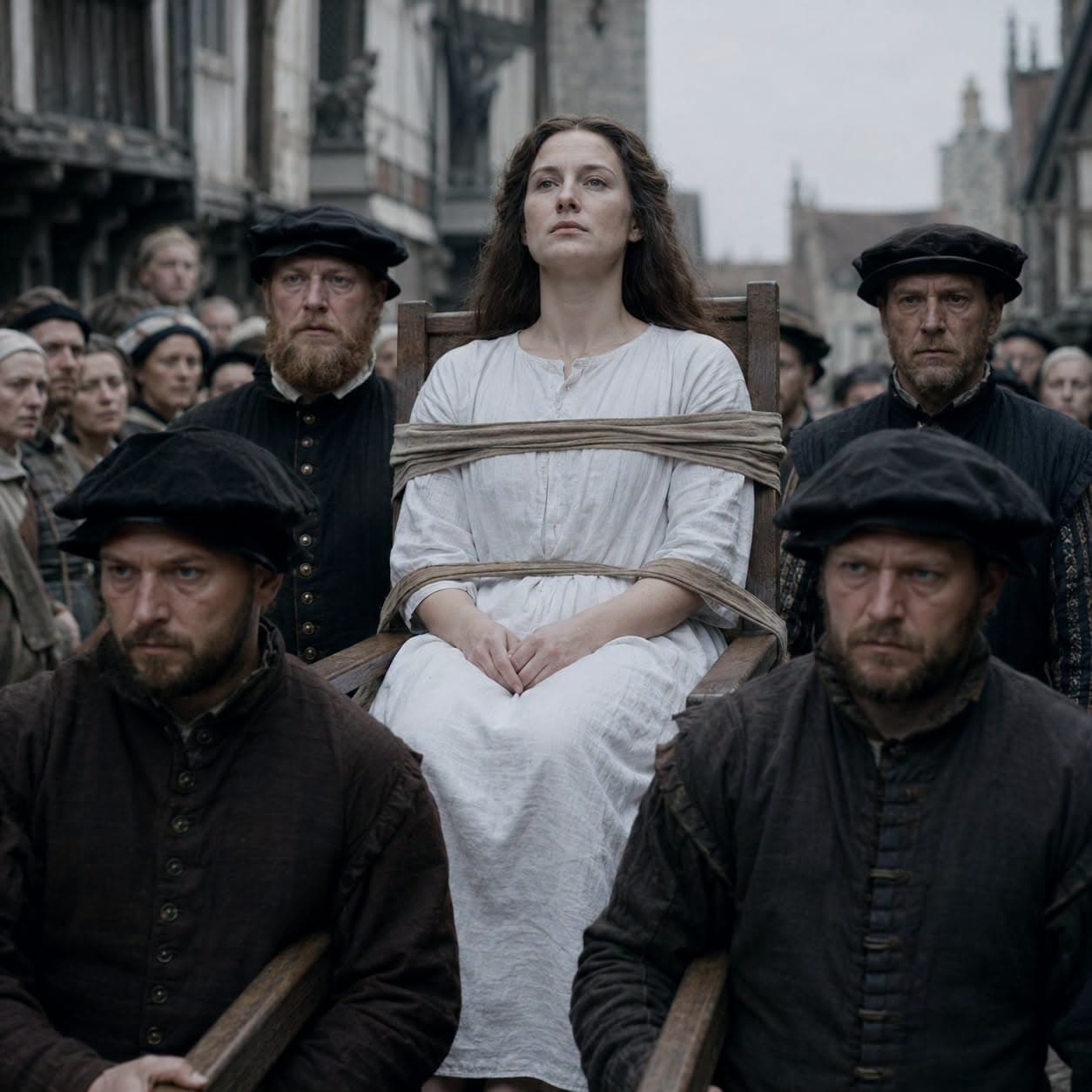
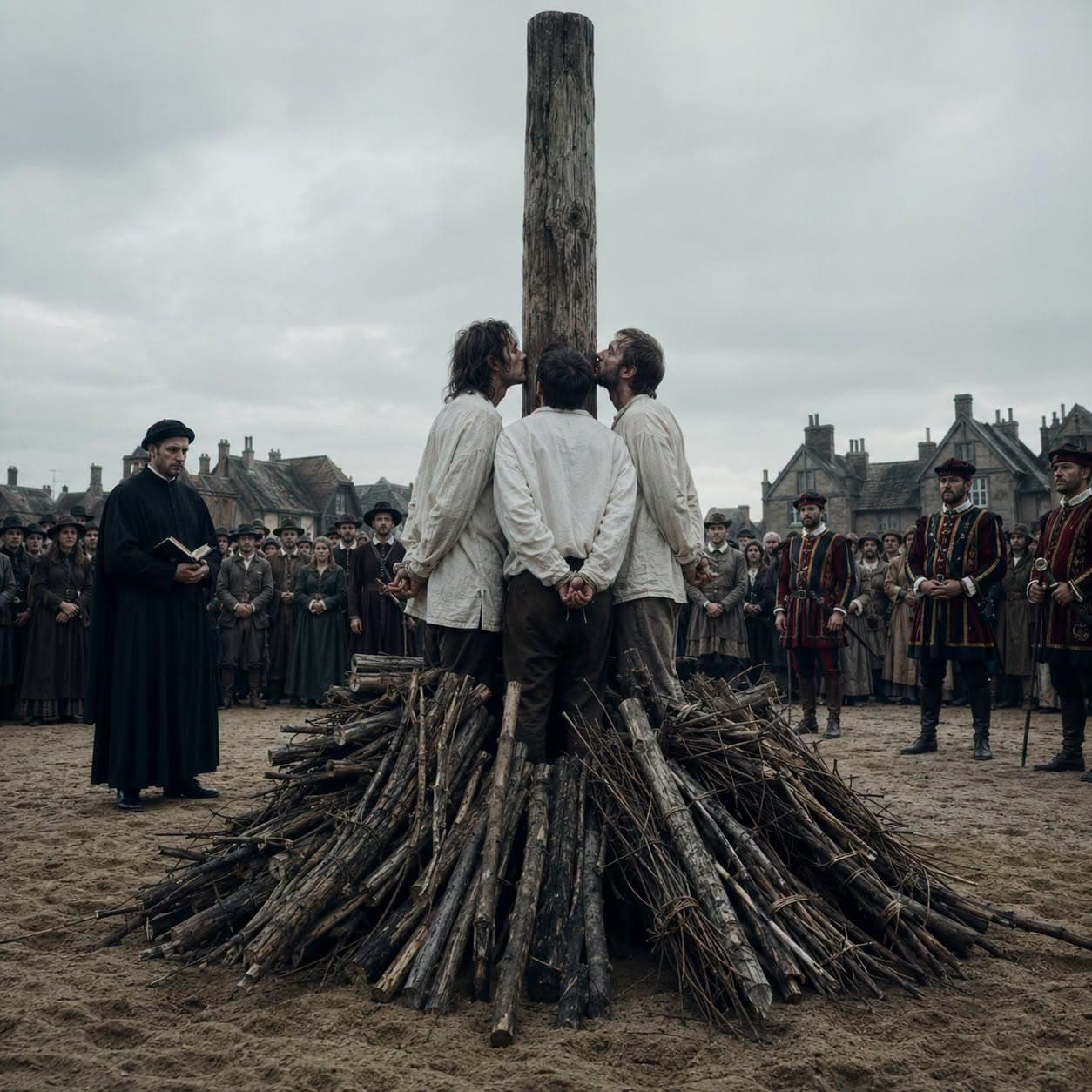
She could not stand by the time they burned her, so they carried her to Smithfield in a chair and tied her upright with a chain, because her own legs would not hold her anymore.
Prince Albert saw her before the Portuguese ever did. He wrote home that there was something in her face, a kind of selflessness and trustful entreaty, that made a stranger want to offer her knightly protection. He was arranging her marriage at the time. She would be dead within two years of it.
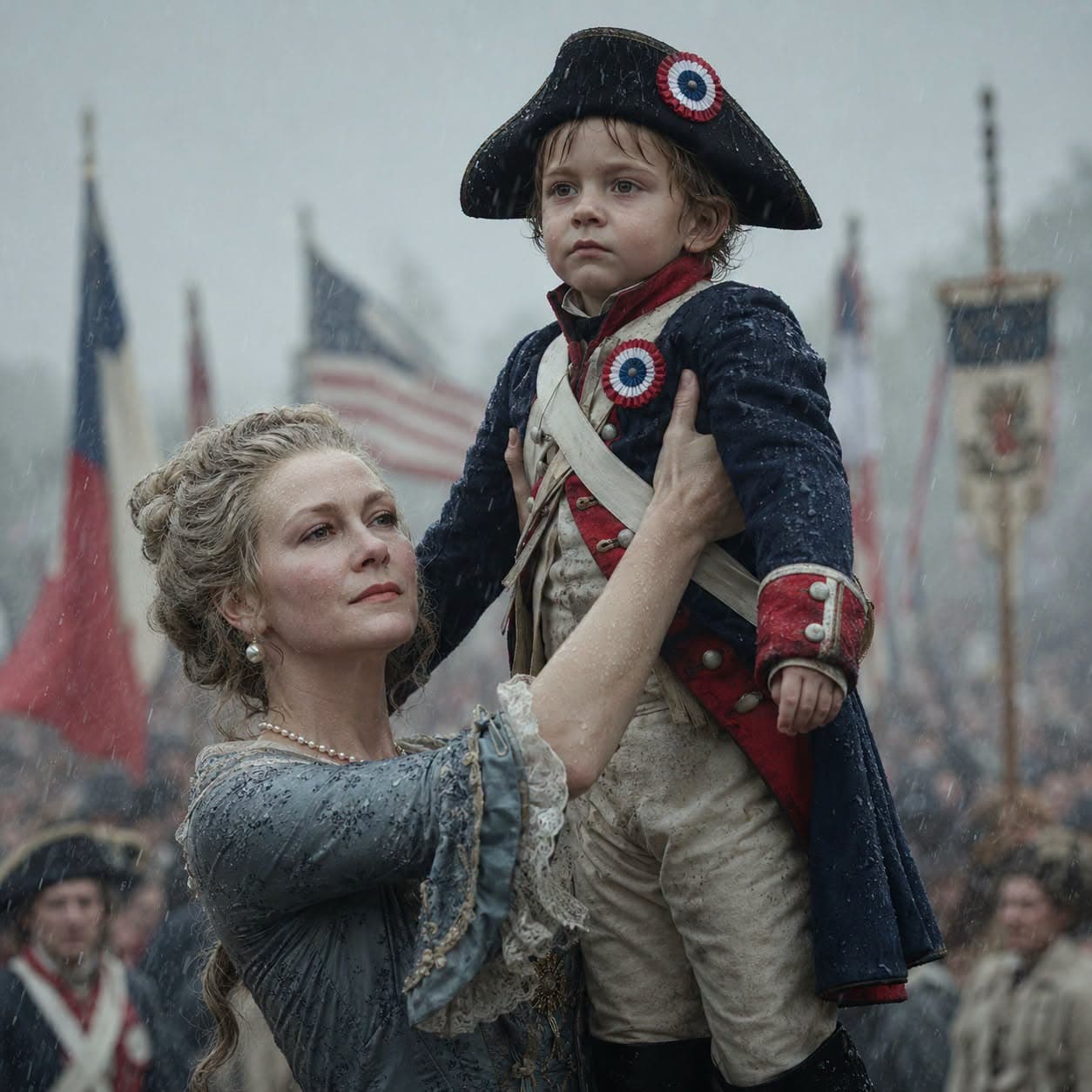
A queen stood in the rain and held up her five-year-old son to a crowd of three hundred thousand people. "This is my son," she said, "who joins in the same sentiments as me." Within three years, she was dead. Within two more, so was he.
Parliament declared her dead in 1474. She was forty-seven years old, in good health, and had approximately eighteen more years to live. The act required no evidence of death because her death was not the point. Her estates were the point. She was simply in the way of them.
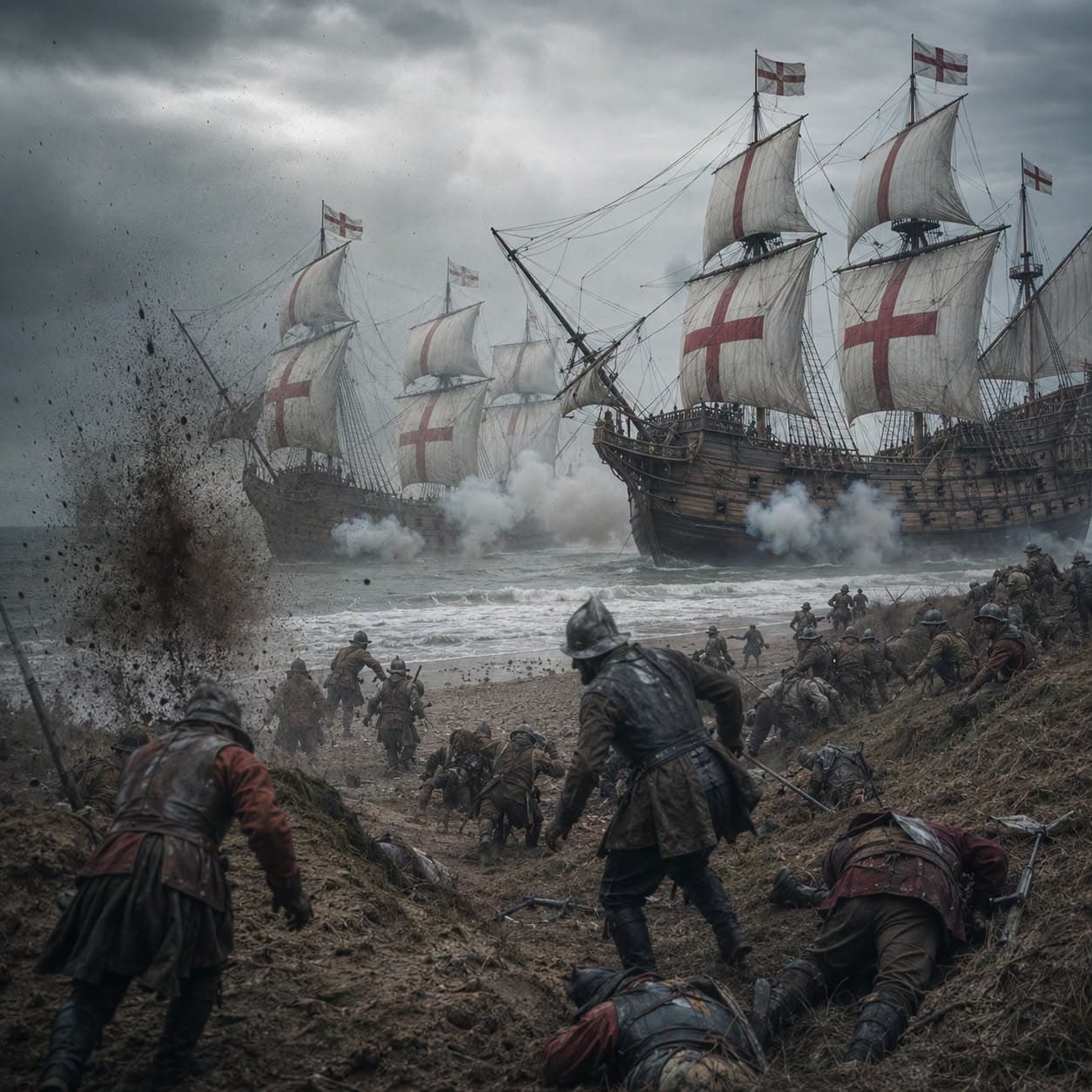
Mary I lost Calais to France. Six months later, her ships were still firing at the French, for a war that was never hers. She got nothing back. Not the city, not her husband's loyalty, not even peace.