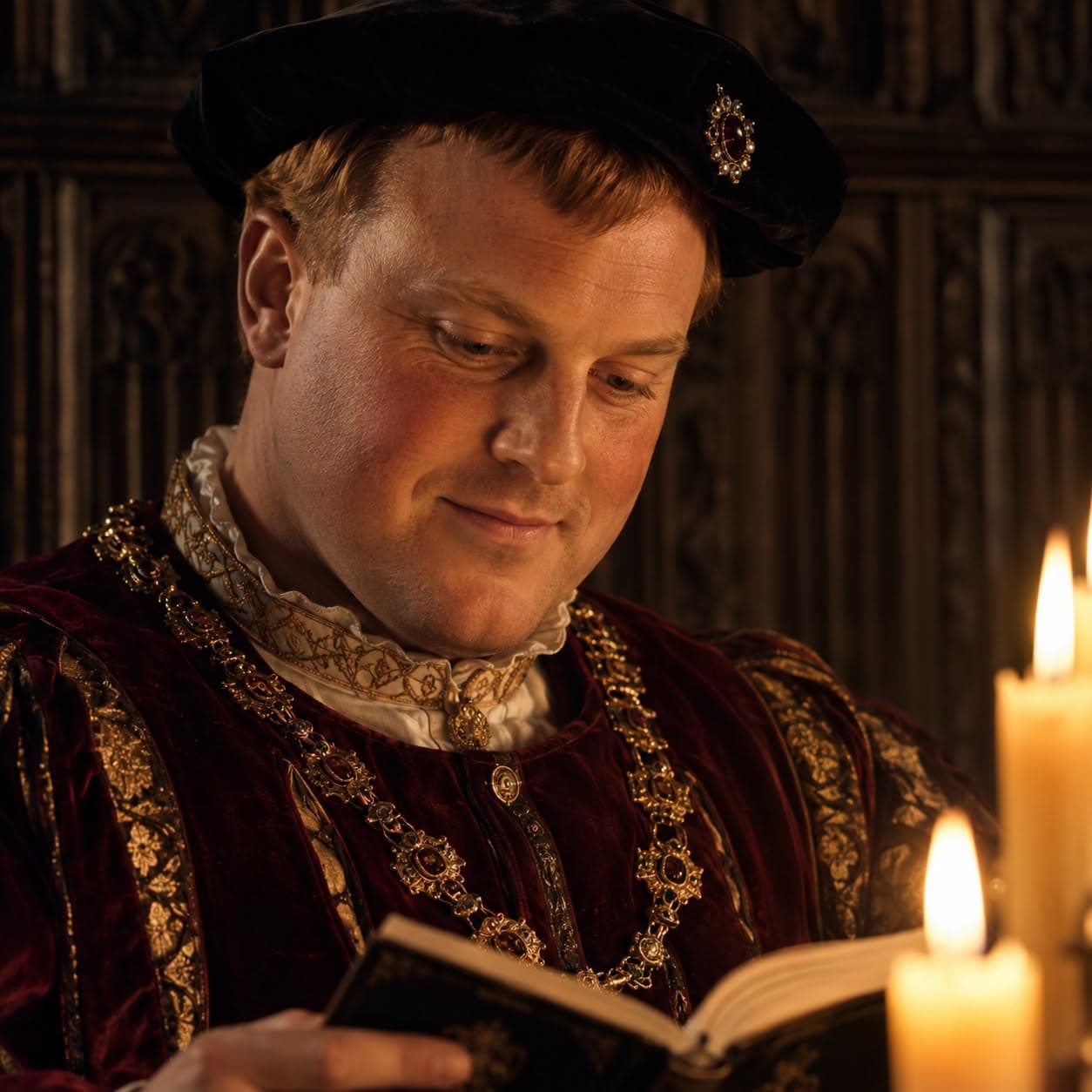
Edward IV died before anyone was ready for it. The Woodvilles were ready within hours. Richard of Gloucester did not know his brother was dead for ten days.
Lord Hastings knew within hours. He watched them move and understood what the movement meant, and he wrote a letter north.
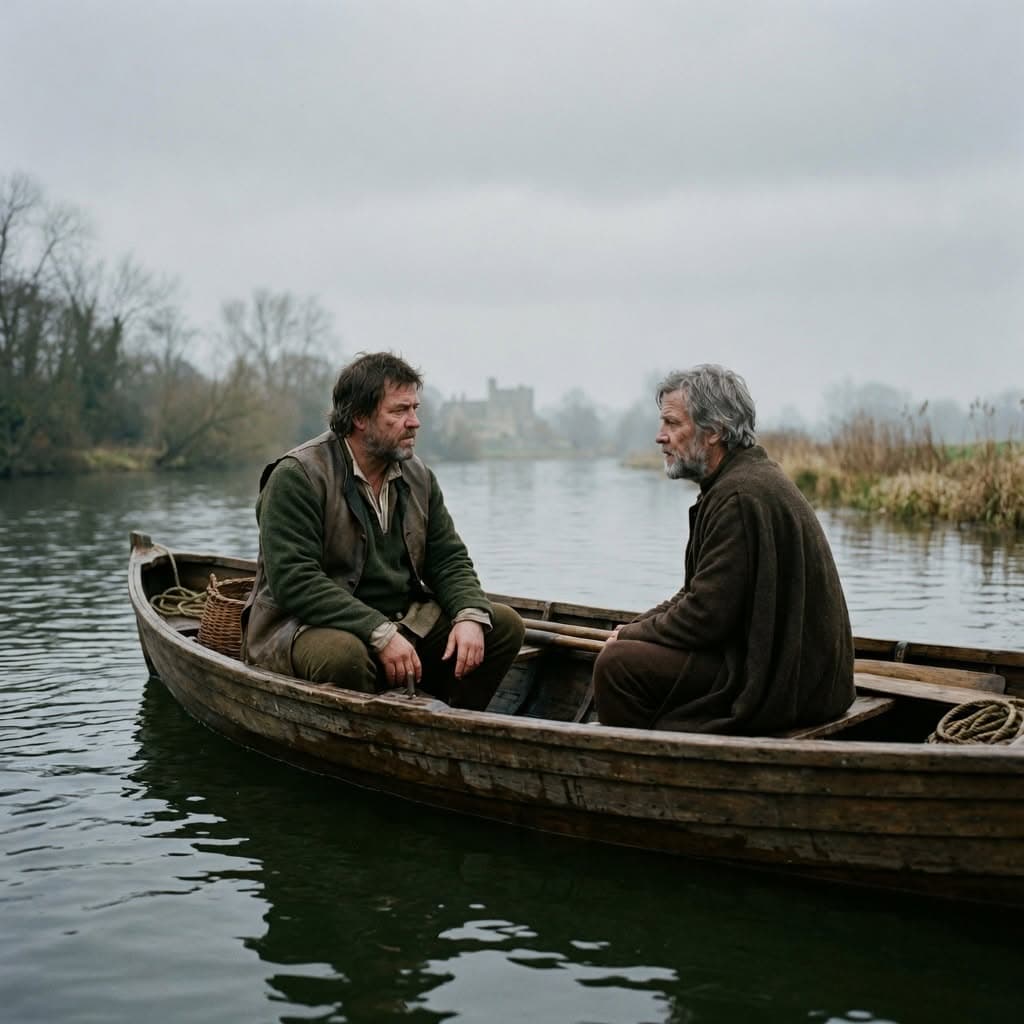
Hastings had been at Edward's side since before the crown. He had campaigned with him and counselled him and shared the specific intimacy of a man who knew where the public performance ended and the private man began. In the first days of April 1483 they were fishing together on the Thames when the illness that would kill Edward within a week first took hold. The companionship of two men who had been friends across two decades of war and court and survival, ordinary and unremarkable, the last of its kind.
He died at Westminster on the ninth of April 1483. Hastings was at Westminster throughout, present in the rhythms of the court in a way that made him part of the architecture of the place rather than a visitor to it. He had been reading this court since before the Woodvilles were in it, and he understood within the first hours what Edward's death meant in ways that required no calculation. The will named Richard of Gloucester as Protector. Richard was at Middleham, four days' hard ride north. He did not know his brother was dead.
The Woodvilles knew within hours.
Elizabeth Woodville received the news at Westminster and began making assessments with the speed of a woman who had been making contingency assessments for this specific eventuality for years. Her position was nakedly simple. Every office, every connection, every piece of influence the Woodville family had accumulated since the secret marriage at Grafton Manor in 1464 existed because Edward existed. He had been the foundation and the source of everything and he was gone, and what remained was a family that had made serious enemies on every side of the political landscape and a twelve-year-old boy on the road from Ludlow who had not yet been crowned and a Protector named in a dead king's will who was four days' ride away and did not yet know he was needed.
The Woodvilles pushed for collective council governance during the minority rather than a Protectorship under Richard. Hastings watched the argument being made in the council chamber and understood its purpose precisely. A crowned king needed no Protector. If Edward V reached London and was anointed before Richard arrived to claim the Protectorship, the constitutional moment of the minority passed and Richard's appointment became a matter for negotiation rather than execution. The coronation date was advanced to the fourth of May. The pace of events was not accidental.
Thomas Grey, Marquess of Dorset, Elizabeth's son from her first marriage, moved on the Tower treasury within days of Edward's death. The council resisted. The attempt was made regardless, with the confidence of a faction that believed momentum was on its side and that the ten days of information advantage could be converted into a permanent reconfiguration of power before the man who might contest it knew there was anything to contest.
Hastings watched all of it. He had no Woodville blood, no Woodville connection, no reason to expect favour from a council the Woodvilles controlled. He had spent twenty years as Edward's man in a way that placed him permanently outside the Woodville orbit and permanently dependent on Edward's living presence to protect that position. Edward was gone. The protection was gone. What Hastings was watching in the council chamber and in the treasury dispute and in the accelerating coronation timeline was one faction setting aside a dead king's expressed wishes before the man appointed to execute those wishes could arrive. He had been at court long enough to know how this ended for men in his position if the faction succeeded.
He had one card. Richard of Gloucester was the legitimate Protector under Edward's will and Richard did not yet know Edward was dead.
The letter Hastings wrote north is not preserved. Its contents are known only in summary from chronicle sources that describe it as a warning: come south, come quickly, come before the coronation date set for the fourth of May. The specific language is lost. What the summary conveys is the urgency and the reasoning behind it. Hastings was not writing as Richard's man. He had been Edward's man for two decades, and what he was watching was a faction behaving as though Edward's last wishes did not exist. He wrote north because Edward had named Richard Protector and the Woodvilles were behaving as though he had not.
The letter was the last act of service to a king who was no longer alive to receive it.
Meanwhile Anthony Woodville, Earl Rivers, was on the road from Ludlow with the young king and an escort whose size had been contested in London before he had even left. The Woodvilles had pushed for a larger force. The older nobility, with Hastings prominent among them, had insisted on a smaller one. The escort that rode south was somewhere between one and two thousand men. Rivers calculated his pace toward London and the coronation date and the specific result that arrival before Richard would produce. He rode through April with the boy king and the knowledge that the race he was in had an opponent who did not yet know the race had started.
In London the council met and the arguments were rehearsed and Elizabeth managed her position with the efficiency of a woman who had survived two reversals of Yorkist fortune and understood that the window for decisive action was narrow and narrowing. What she could not see was that the information monopoly the Woodville strategy depended on had already broken. The letter was north of London and moving.
The Woodville strategy required Richard to remain uninformed until the coronation was complete. It required the ten days to remain ten days and the distance between Westminster and Middleham to remain an insurmountable advantage. It required, above all, that no one in a position to know what was happening should choose to tell him.
Hastings had been in a position to know. Hastings had chosen.
The courier rode north through the April countryside, through the Vale of York, up into the Pennines, the sealed packet carried through the specific landscape Richard had governed for a decade. At Middleham the household went about its business in the ordinary way of a great establishment between campaigns. Richard was there, present in the rhythms of the life he had built in the north while his brother built the court in the south.
The courier arrived. The sealed packet was taken in. It was placed into Richard's hands.
The ten days ended in the silence of a Yorkshire courtyard and the weight of a letter that had not yet been opened.