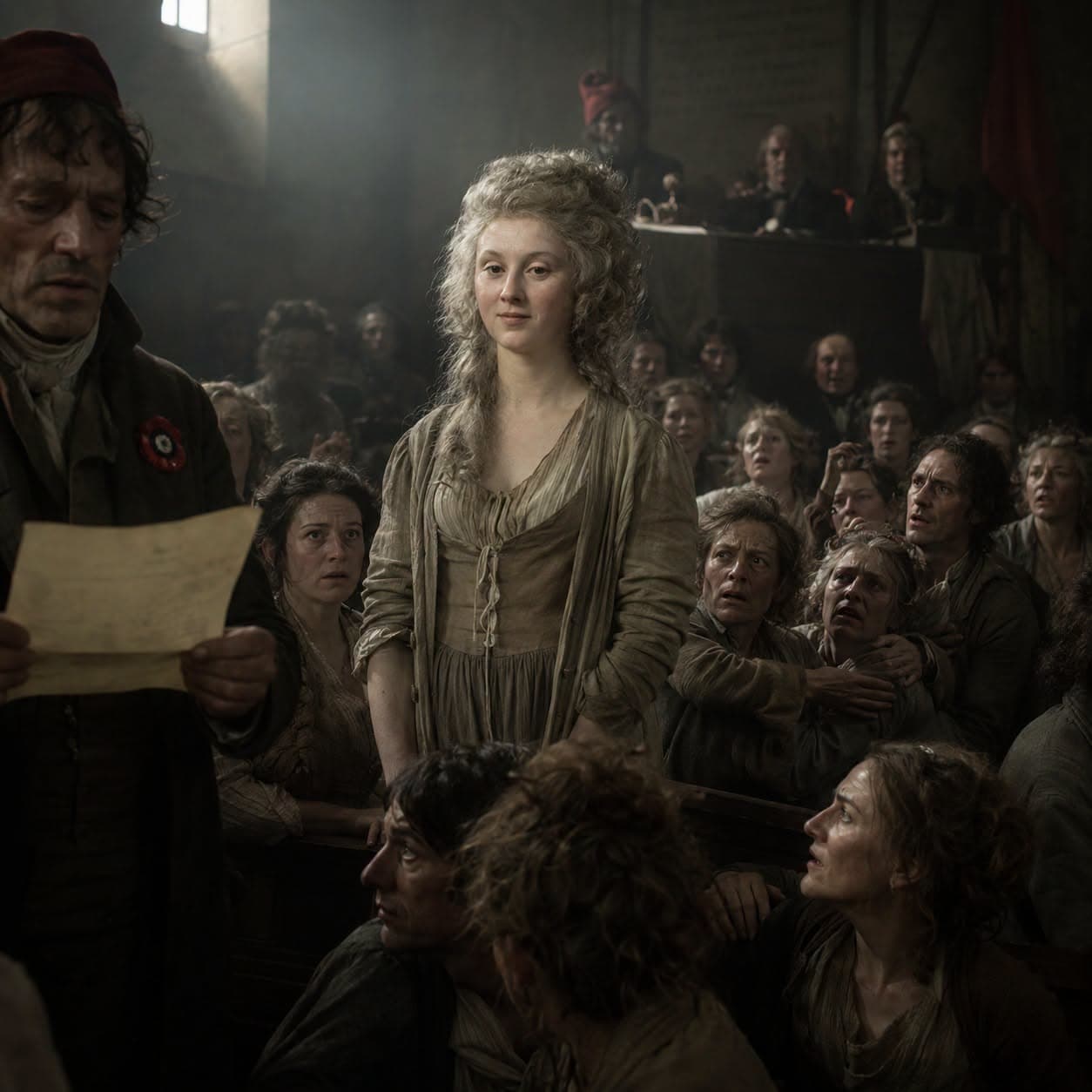
"It can only be me," she said, and that was the end of the confusion. The usher at the Revolutionary Tribunal had read the name off his list and got it wrong. "Gramont d'Orsan," he had called into the room. No one by that name existed among the prisoners waiting to hear whether they would live or die that day.
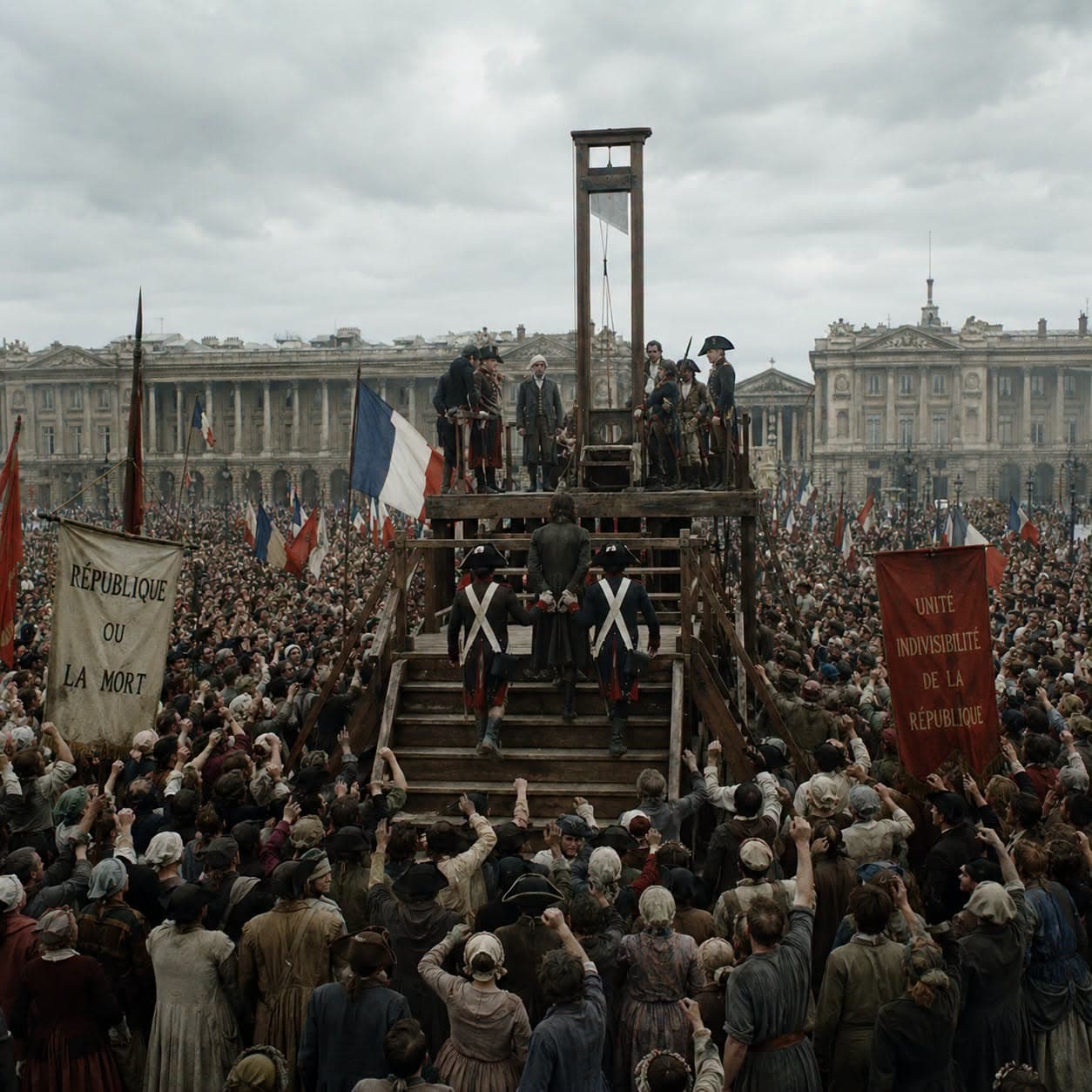
Rose de Beauharnais had not shared a home with her husband in nine years. She was locked in the same prison as him anyway, and she was still there when they killed him.
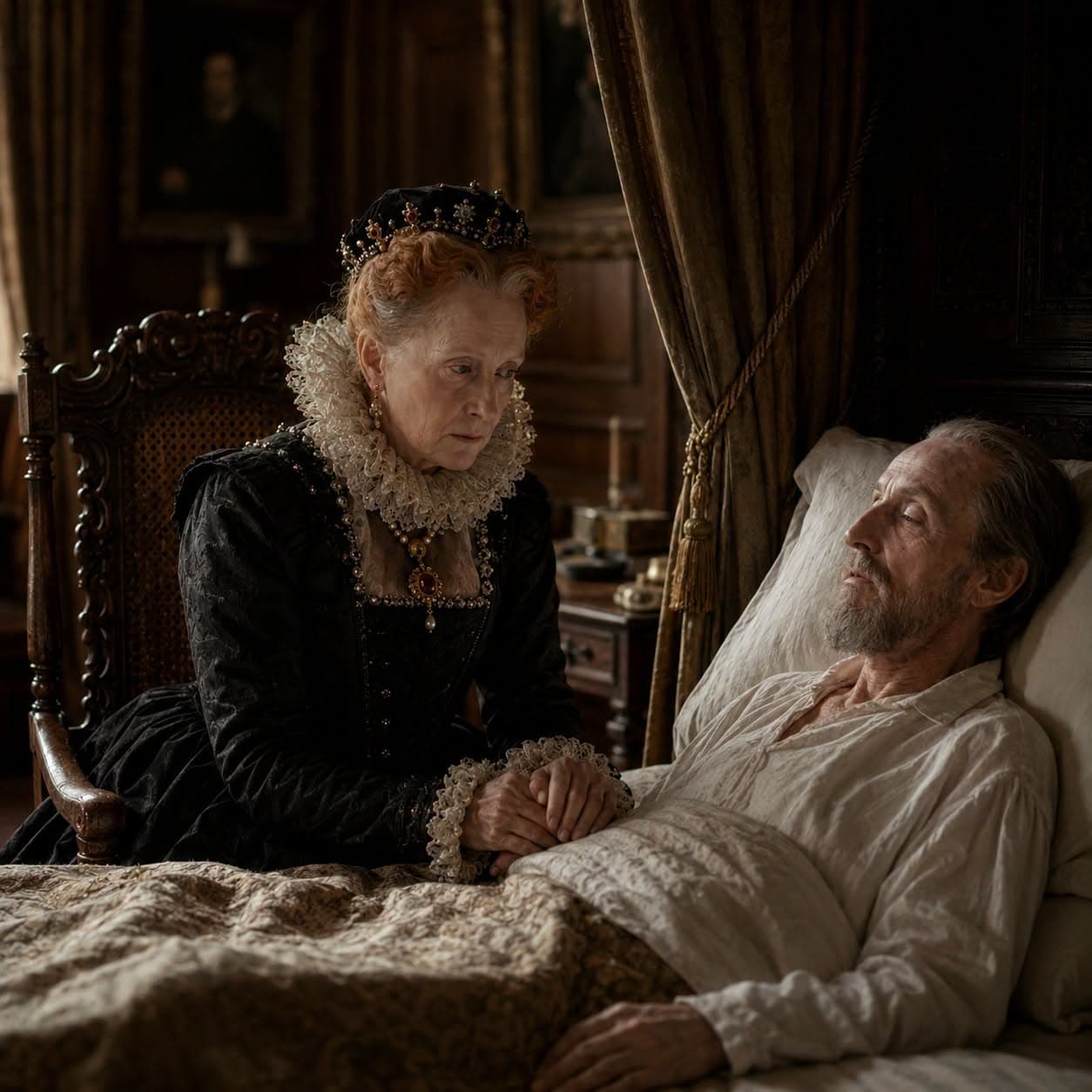
Queen Elizabeth I was sat at his bedside when he died at Somerset House on 23 July 1596, two days after dictating his will aloud because there was no time left to write it down. He was seventy years old, and he had served her for every one of the thirty-eight years she had worn the crown.
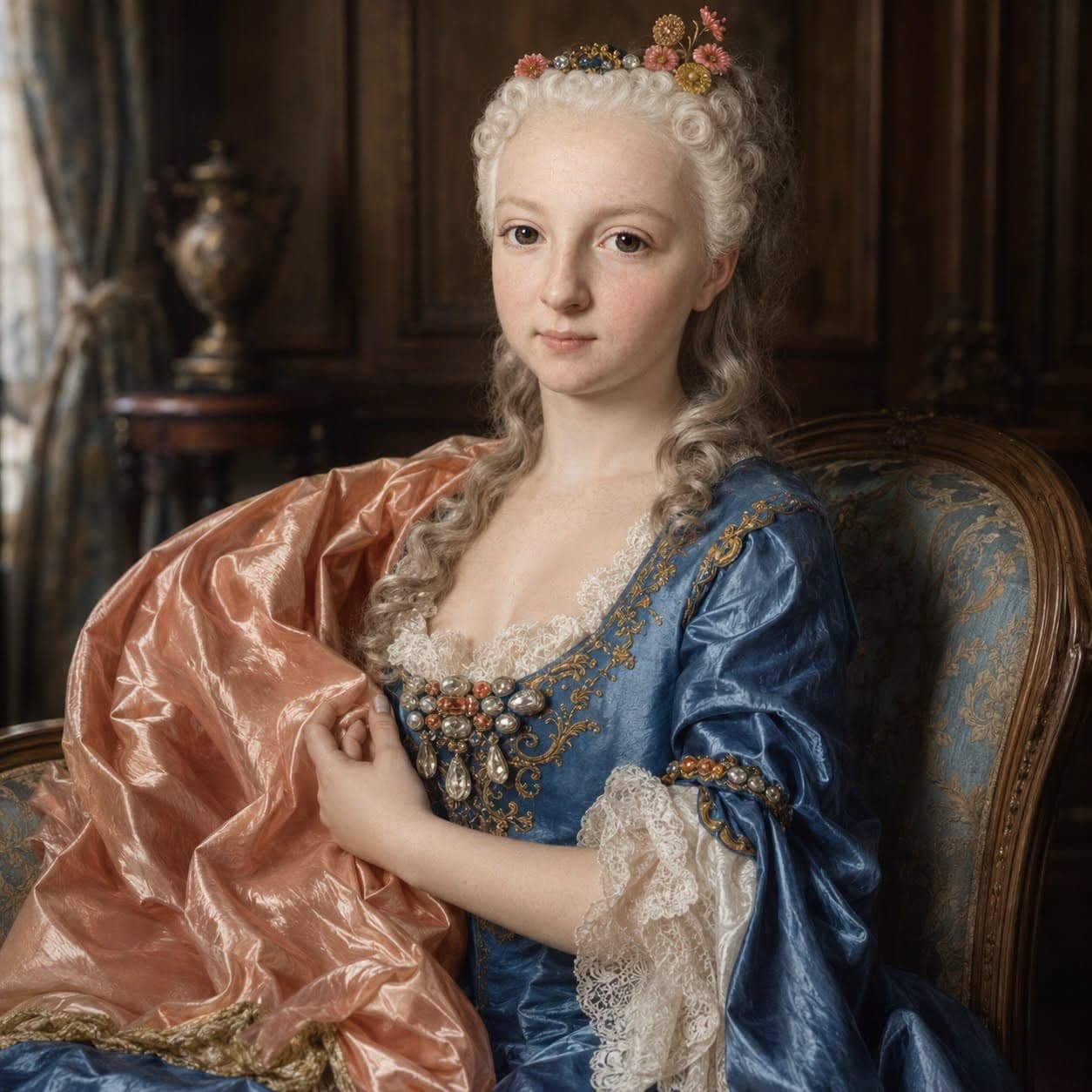
On 19 July 1746 she gave birth to a daughter at Versailles. Three days later she would be dead. The heir to the French throne had to be dragged away from her bed.
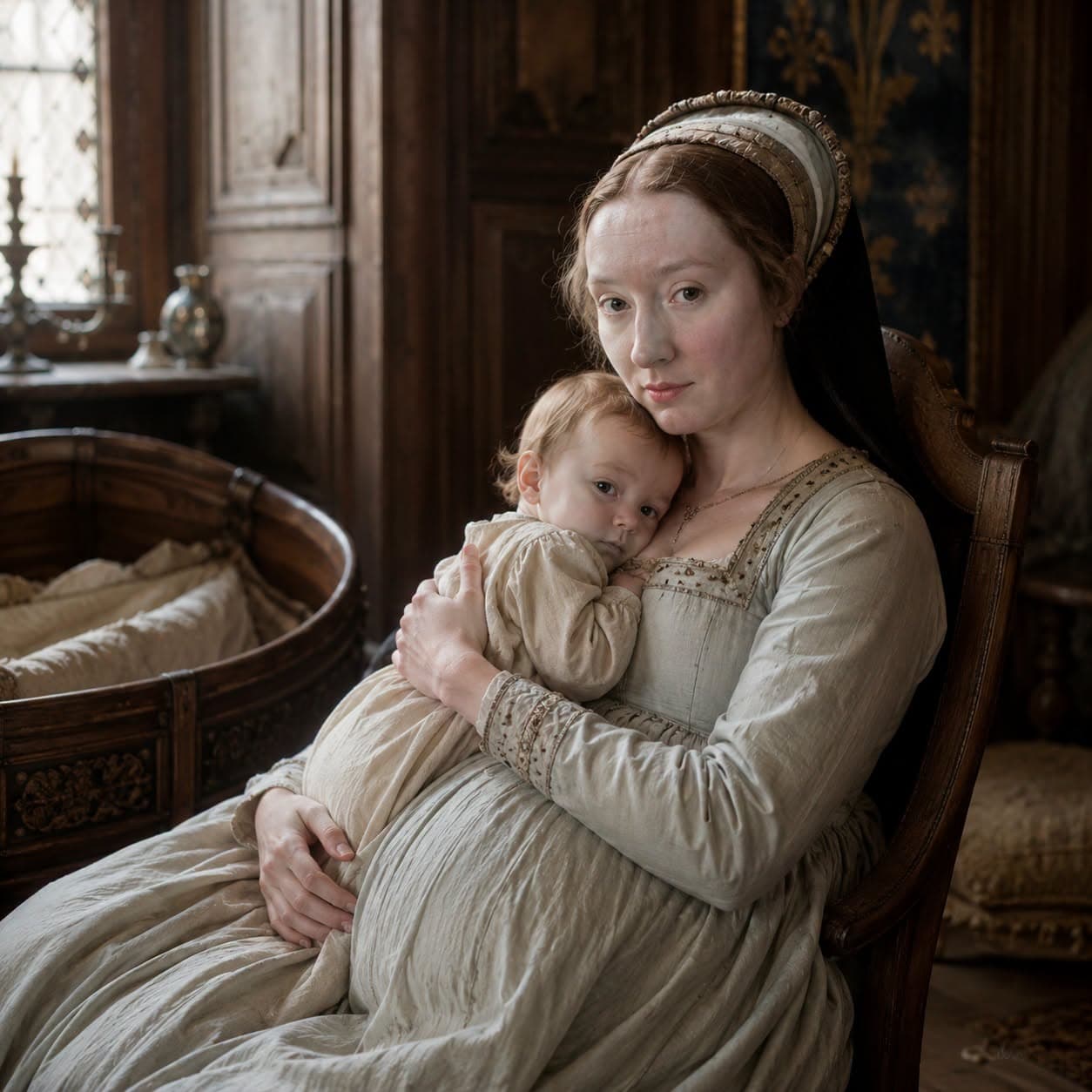
She died at the Château de Blois on 20 July 1524. Her frail body finally broken by the physical toll of delivering seven children in less than eight years. She was twenty-four years old.
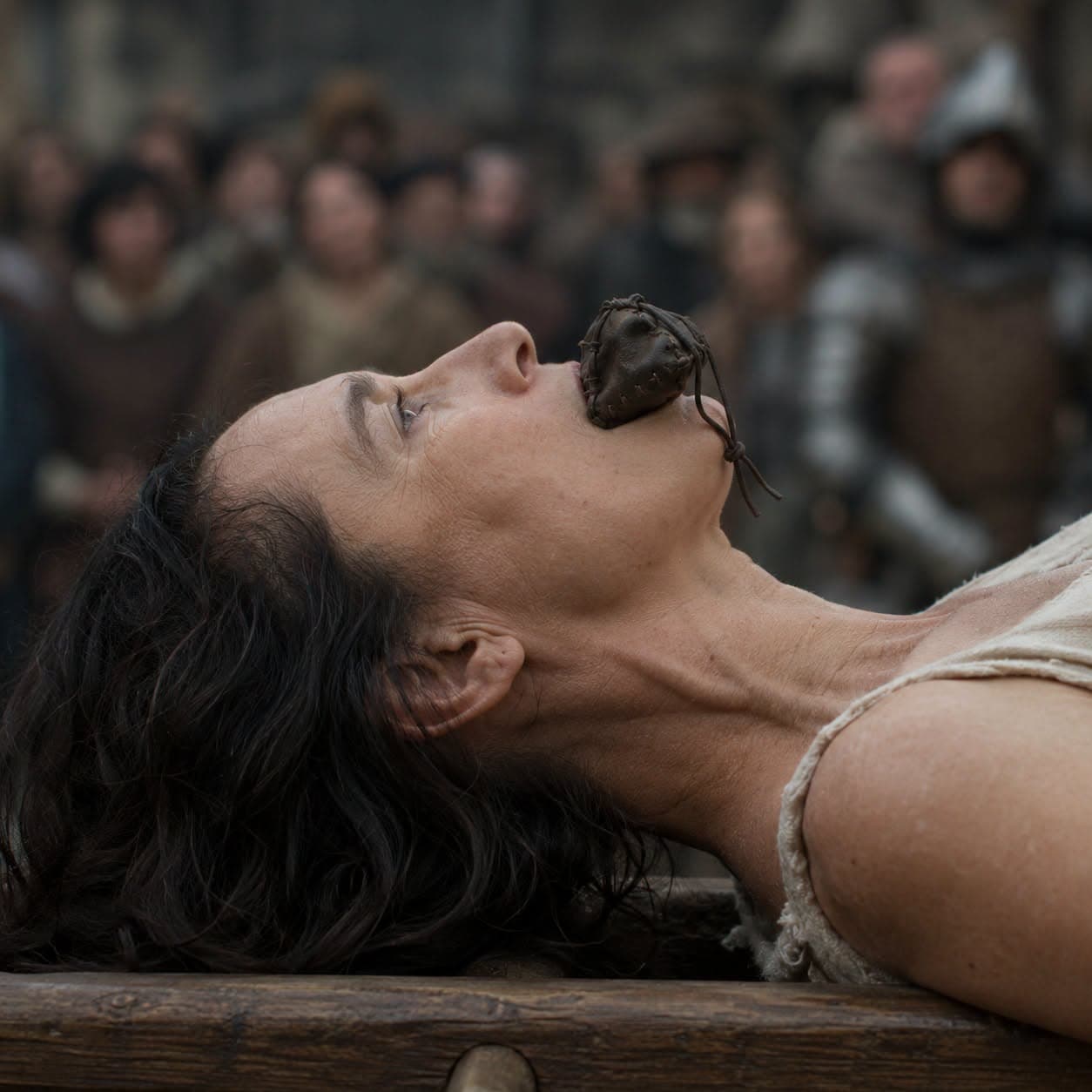
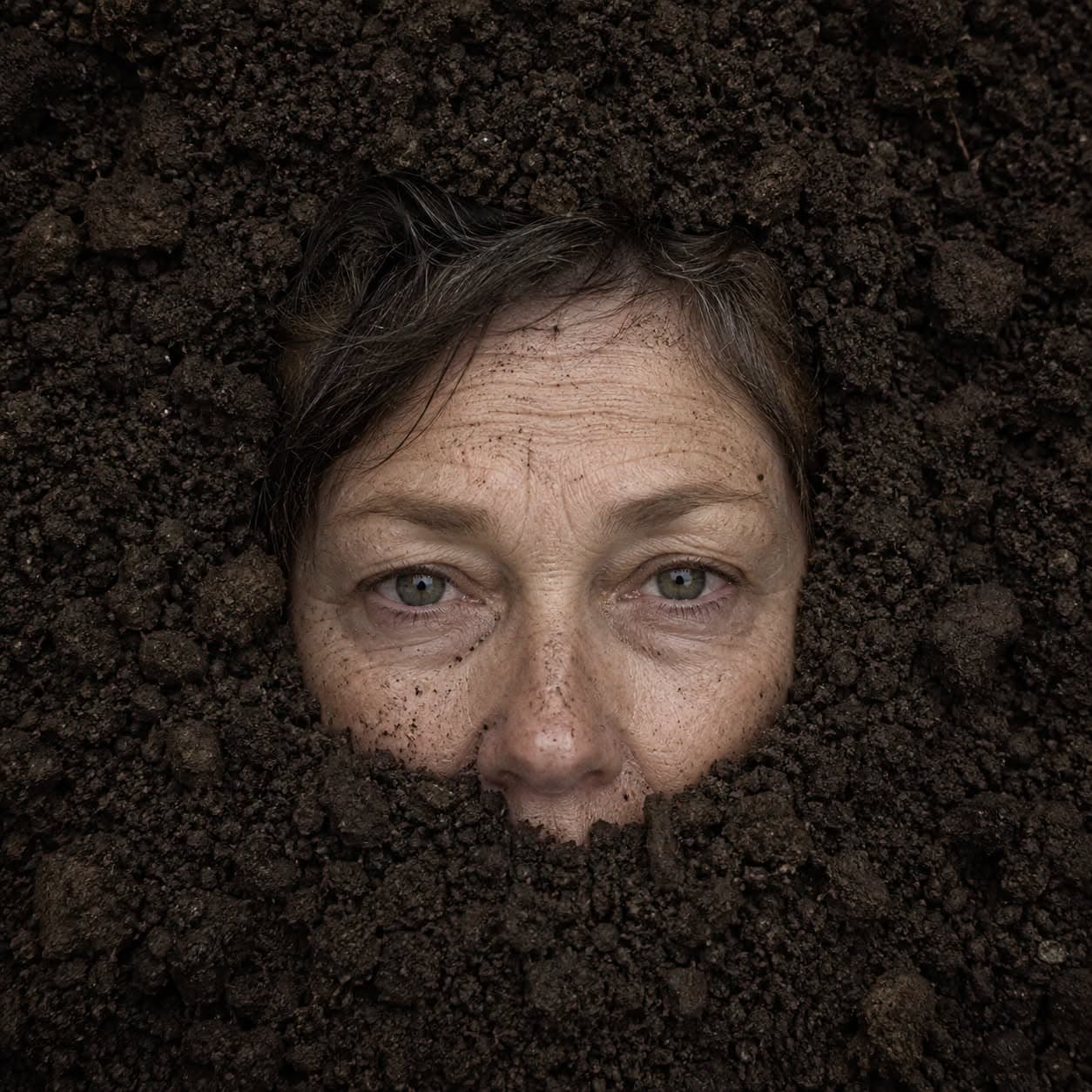
A forty-eight-year-old woman undressed herself without being told to, and stepped down into a pit that had been dug for her half a mile outside Brussels.
Henry VIII was close enough to see it happen and too far away to do anything about it. The Mary Rose had survived thirty-four years, a rebuild, and a war. She was gone within minutes once the wind turned against her.
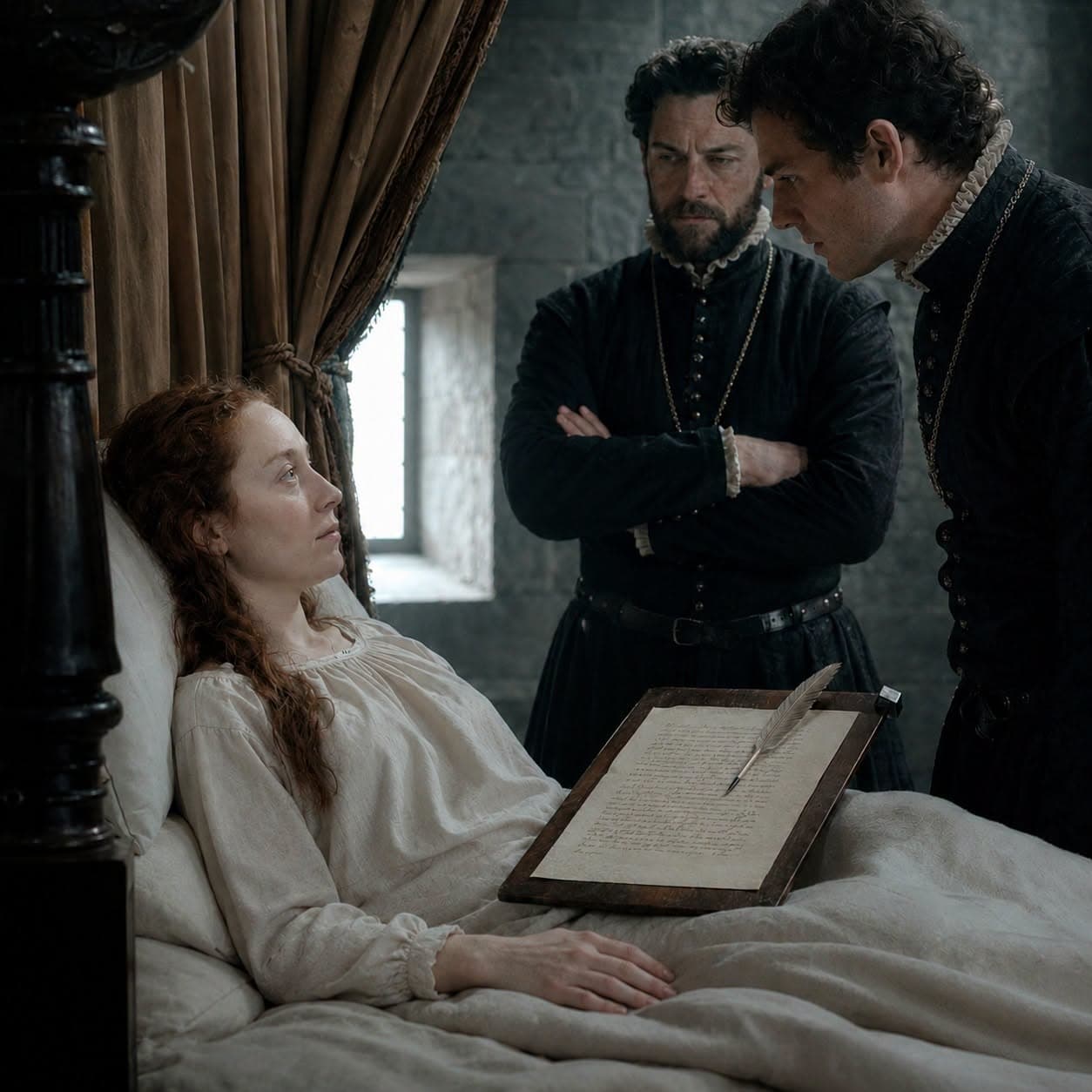
On 18 July 1552, a boy was born in Vienna who would spend his whole life refusing to marry anyone. A girl in Spain was promised to him before she could walk. She spent the next five decades building a life out of everything he never gave her.
The bells rang across Brussels on 18 July 1501 for a girl who would wear three northern crowns before she turned twenty-five, and lose every one of them long before she died.