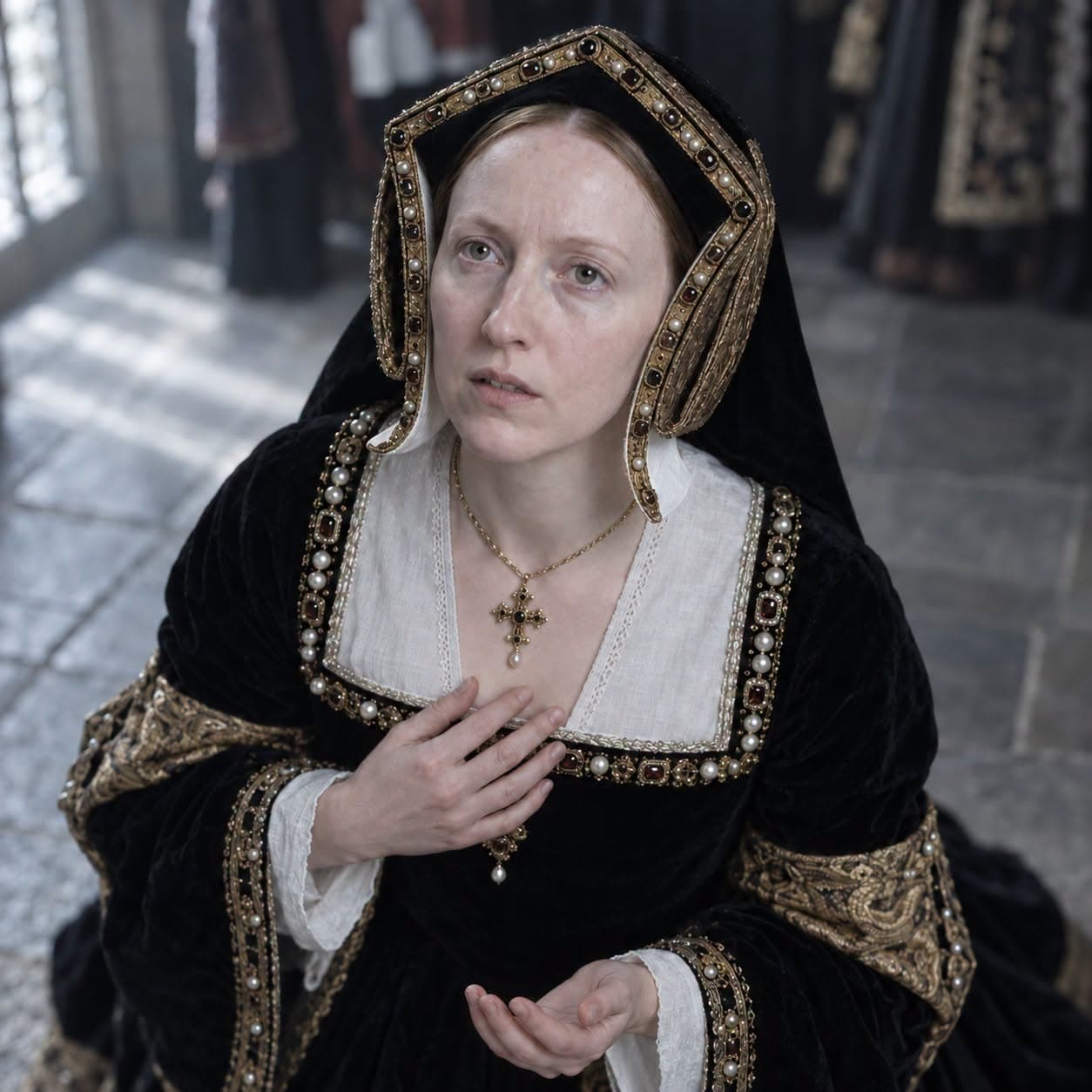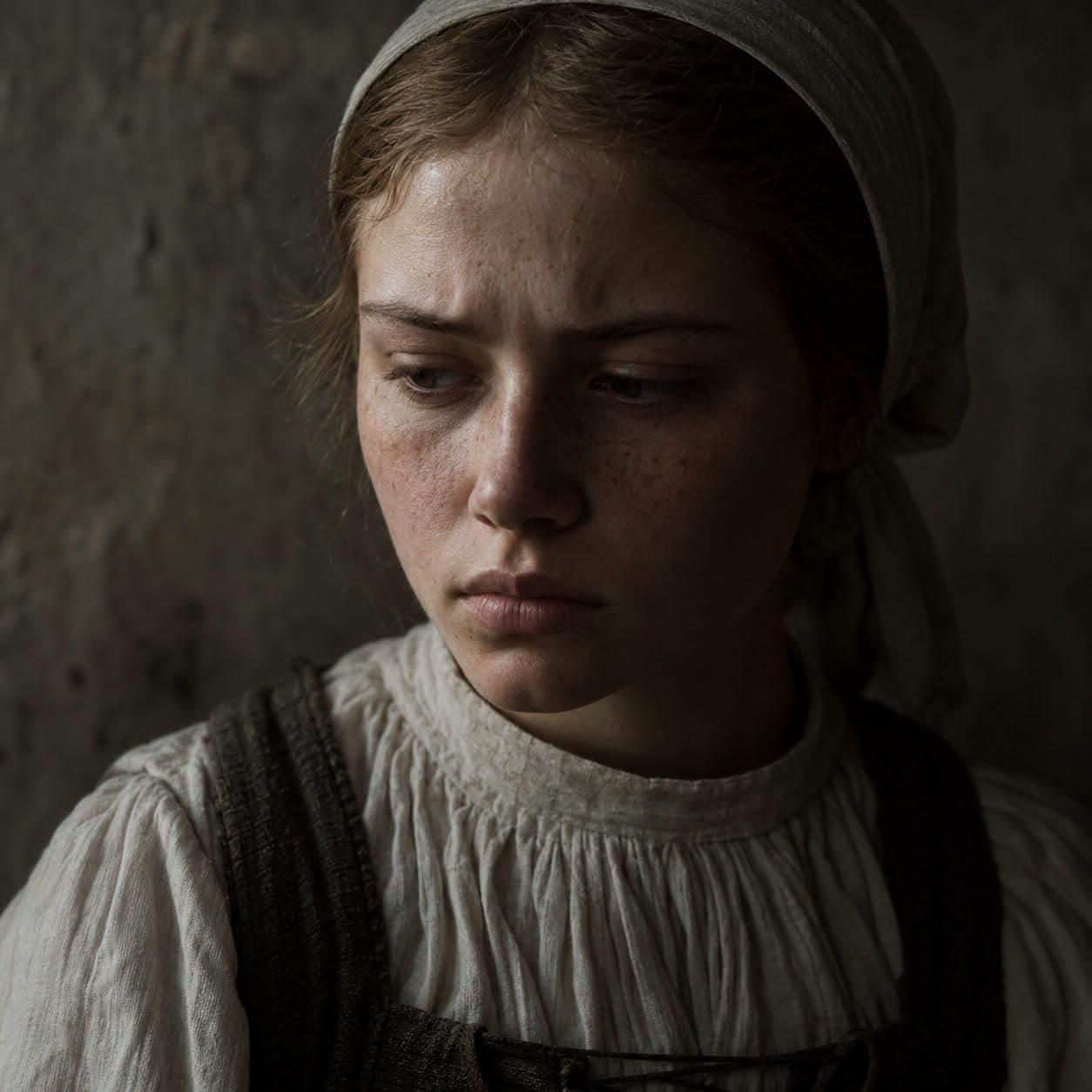
A forty-eight-year-old woman undressed herself without being told to, and stepped down into a pit that had been dug for her half a mile outside Brussels.
Her name survives in several forms, Anna Utenhoven, Anneken van den Hove, Anna uyt den Hove, a maidservant and a member of the Anabaptist faith in a region where that belief could still, at the very end of the sixteenth century, cost a person their life. She had been betrayed to the authorities by the pastor of her own parish church in Brussels, arrested by order of the Council of Brabant on 21 December 1594, and held in custody for two years and seven months while Jesuits and priests came to her repeatedly, trying to talk her out of what she believed.
The punishment chosen for her had not been used in decades. Burial alive was a penalty specifically reserved for female heretics, and it had gone unused since the 1570s, more than twenty years of disuse, before it was revived for her case alone. It did not happen by drift or bureaucratic inertia. In March 1597, Cardinal-Archduke Albert, then serving as Governor-General of the Spanish Netherlands, personally wrote to the Council of Brabant urging that she be executed. A named man, holding real power, chose to reach back for a punishment nobody had ordered in a generation and apply it to one woman.
On the day itself 19 July 1597, the Jesuits came to her one final time. They asked whether she would recant in exchange for her freedom. She said no. They offered her something smaller, not freedom, just time, six more months to reconsider everything she believed. She refused that too. She told them she wanted neither day nor time, only to reach the place where she could offer herself as a sacrifice to God.
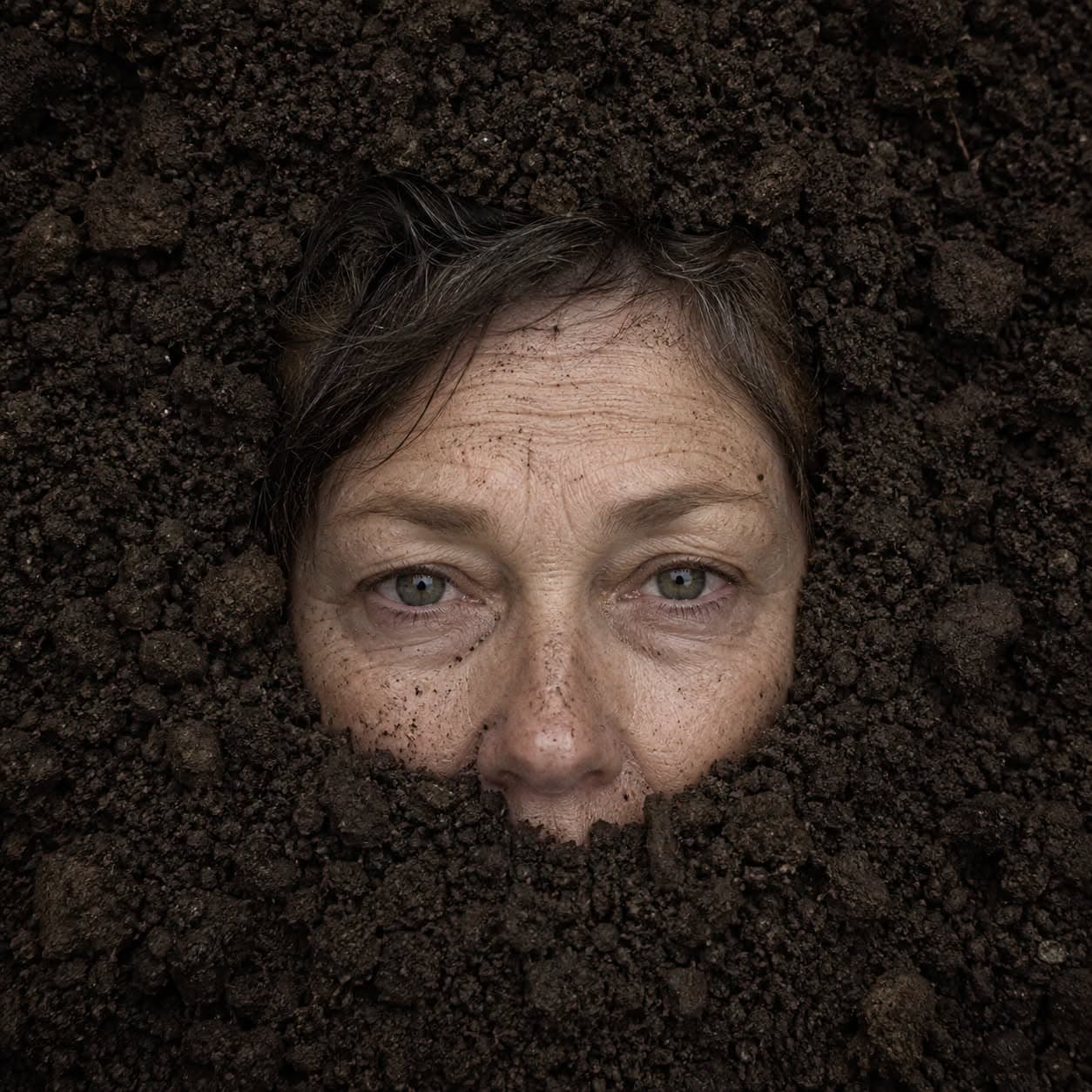
About two hours later, the judges and the Jesuits took her half a mile outside the city, to the pit that had already been prepared. She undressed and got into it herself, without needing to be forced. As the men began throwing earth in around her, packing it against her legs and her waist, the Jesuits asked her again. Would she recant. She said no. They warned her plainly what awaited her: not only the earth closing over her body, but, in their belief, the eternal fire of hell after it. She answered that her conscience was at peace, and that she expected joy in heaven, not punishment.
They kept burying her. The earth reached her throat, packed with thick sods of heath ground, and still they asked, and still she refused, and still they kept going. Whether it was mercy or impatience, the account doesn't say, but at the end they threw earth and sods over her face and the whole of her body, and stamped on it with their feet, to make the dying come faster than the earth alone would have allowed.
It was done quietly. No large public gathering, no announced spectacle of the kind that usually accompanied a heresy execution in this period. The authorities kept it sober and largely secret, most likely because they feared what a watching crowd might do, or feel, if they saw it happen in the open.
It worked, in the sense that it was carried out. It did not work in any way that mattered afterward. The anger her death provoked did not fade the way the authorities may have hoped. In 1609, twelve years later, the punishment for heresy in the Low Countries was formally changed from execution to exile. Anna Utenhoven was the last person put to death for heresy under that system.
The pit dug for her outside Brussels turned out to be the end of something much larger than one woman's life, the last time a government in that region decided a person's faith was worth killing them over, and then found it could never quite bring itself to do so again.