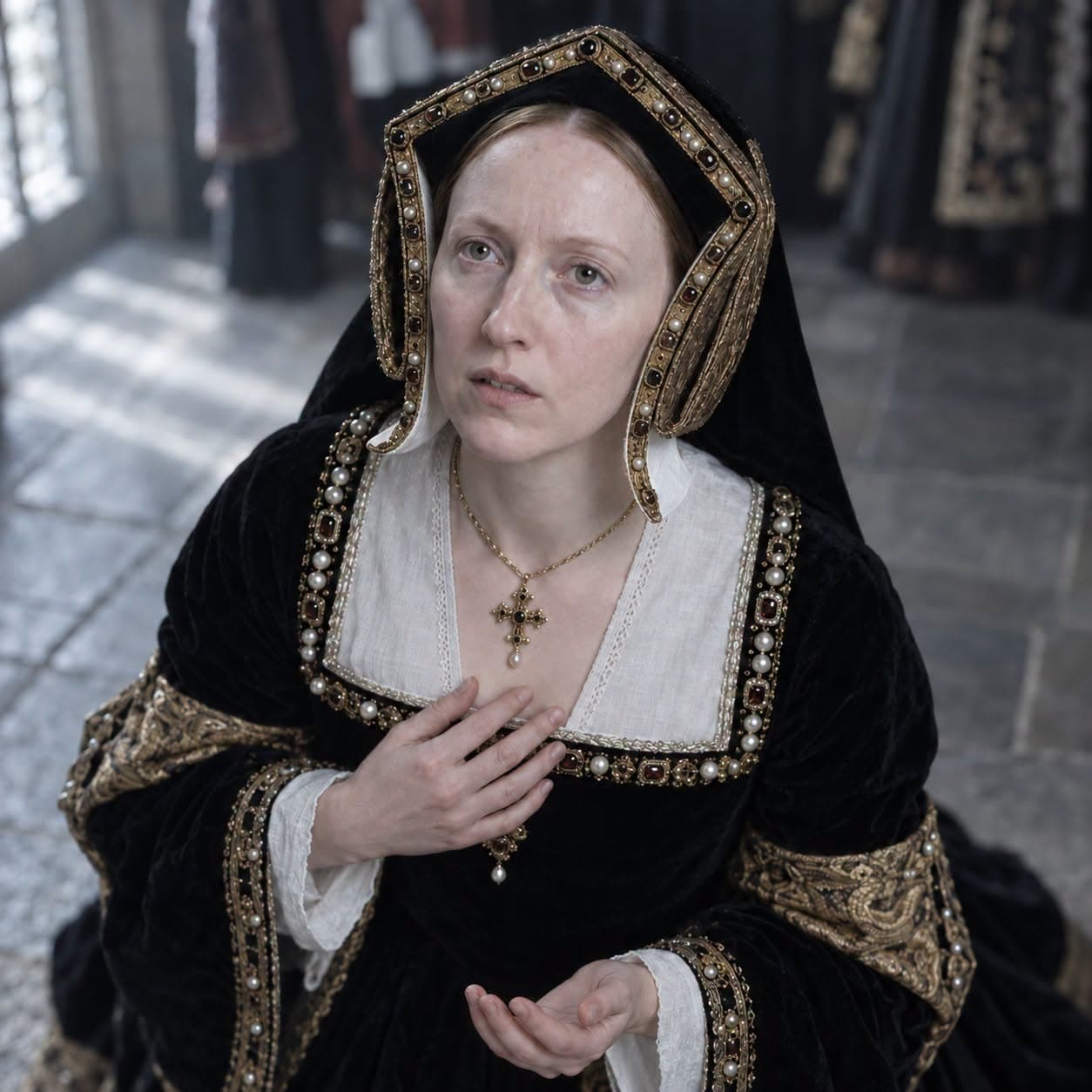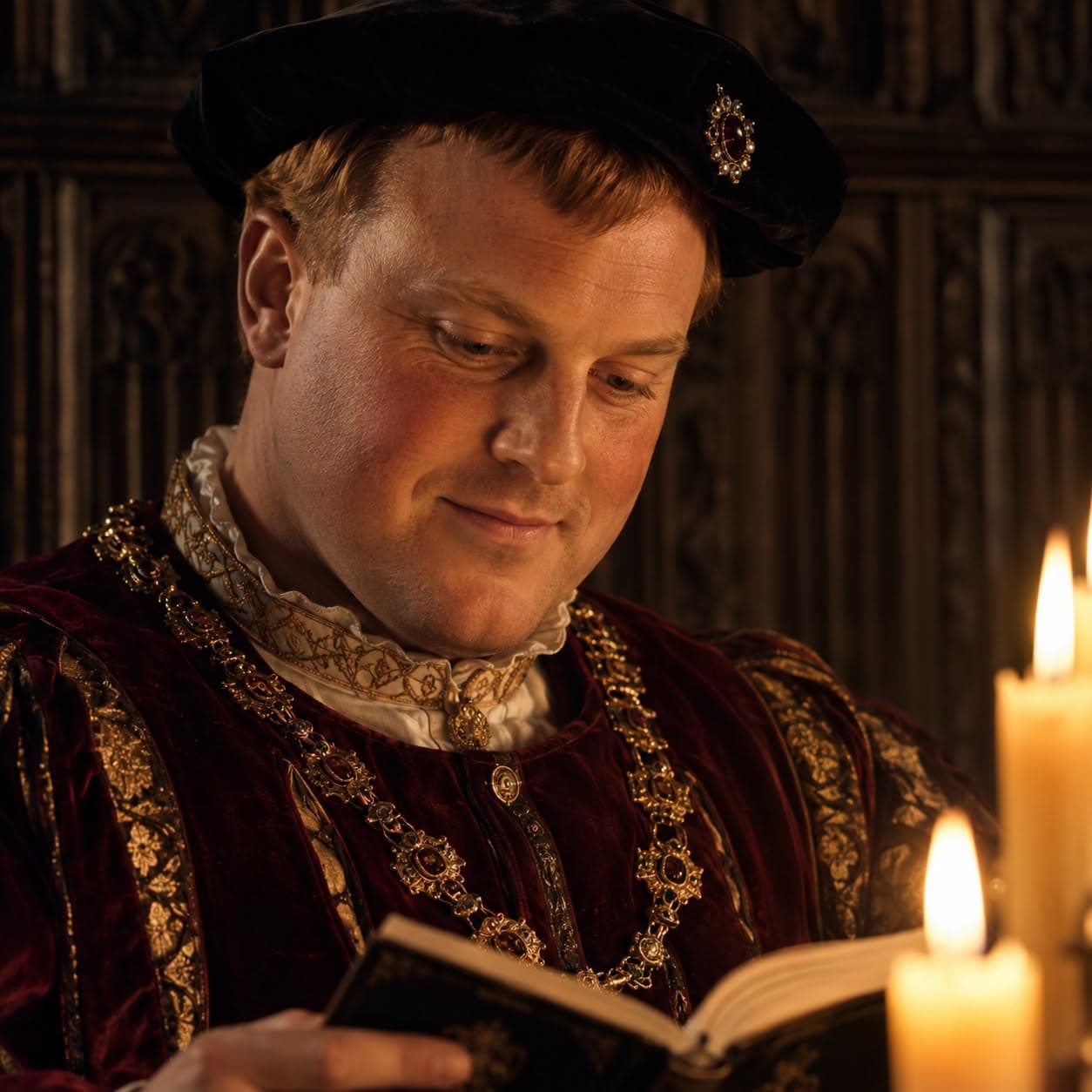
On 18 July 1552, a boy was born in Vienna who would spend his whole life refusing to marry anyone. A girl in Spain was promised to him before she could walk. She spent the next five decades building a life out of everything he never gave her.
Rudolf II grew up to become Holy Roman Emperor, King of Bohemia, King of Hungary, and Archduke of Austria, a man remembered as brilliant, reclusive, and increasingly strange as he aged. Isabella Clara Eugenia, daughter of Philip II of Spain, was betrothed to her cousin Rudolf at around the age of two, a bargain struck between infants and adults over a marriage that would not take place for another two decades, if it ever took place at all.
While she waited, Isabella did not sit quietly. Philip II, King of an empire that spanned Spain, Portugal, the Netherlands, and territories across the Americas, made her his favourite child and, unusually for a Spanish princess, his working confidante. She was the only person he allowed near his private papers, sorting correspondence and translating Italian documents into Spanish for a father who trusted almost no one else with the daily business of ruling. She nursed him personally through the last three years of his life, present at the centre of Spanish power in a way most royal daughters of her era never were.
She was also, twice, considered for a throne of her own rather than a throne beside a husband. After the assassination of Henri III of France in 1589 left the succession in chaos, Isabella was seriously floated as a claimant to the French crown, her Spanish blood traced back through her mother to French royal lines. And after the execution of Mary, Queen of Scots, in 1587, she was proposed as a potential claimant to the English throne as well.
None of it came to anything, and neither did Rudolf. Her cousin the emperor grew more withdrawn, more erratic, and less interested in matrimony of any kind, eventually declaring outright that he had no intention of marrying anybody, leaving the girl promised to him since childhood with no husband, no crown of her own, and two decades spent waiting on a man who had simply changed his mind about the entire institution of marriage.
Her father found another use for that unclaimed inheritance. In 1598, in the Act of Cession, Philip II ceded sovereignty of the Spanish Netherlands to Isabella, on condition she marry not Rudolf but his younger brother, Albert of Austria. At thirty-two, Isabella finally married, not the man she had waited for, but a substitute, arriving alongside a title rather than a courtship. For the next twenty-three years she and Albert governed jointly as titular sovereigns, but by most accounts she exercised little independent political power while he lived.
Then, in 1621, Albert died, and Isabella's position changed in a way that looked, on paper, like a demotion. She was no longer co-sovereign by right of inheritance. Philip IV, her nephew and the new King of Spain, kept her on specifically as governor-general, a title that made her answerable to Madrid rather than an equal ruler in her own domain.
And yet it was in exactly this diminished role that Isabella began, for the first time in her life, to genuinely govern. In 1624 she gave her consent for the general Ambrogio Spinola to besiege the fortress city of Breda, mobilising some eighteen thousand men in a campaign that became one of the last great Spanish victories of the long war with the Dutch Republic, later immortalised in Velázquez's painting of the city's surrender. She took up her father's old habit of annotating state papers in her own hand and resumed direct audiences with ambassadors, the unglamorous daily mechanics of running a contested territory rather than merely presiding over one.
She also gambled, and lost, in ways that were entirely her own to answer for. In December 1631, and again in 1632, she sent her own court painter, Peter Paul Rubens, on secret diplomatic missions to negotiate a truce directly with the Prince of Orange, missions conducted without full clearance from Madrid, prompting Philip IV to remind her not to make peace decisions without consulting Spain first. Both missions failed. Under her governorship, Spanish forces also lost the cities of 's-Hertogenbosch in 1629 and Maastricht in 1632, real defeats in a war she was now personally responsible for waging.
She held the grander title, sovereign, for twenty-three years, and spent most of it without real power. She held the lesser title, governor answerable to a king in Madrid, for the last twelve years of her life, and spent them personally authorizing sieges, running secret peace missions behind her own government's back, and absorbing the blame when campaigns failed. She died in Brussels in 1633, having spent five decades waiting on other people's decisions before finally discovering that the crown that came with less freedom was the one that mattered.