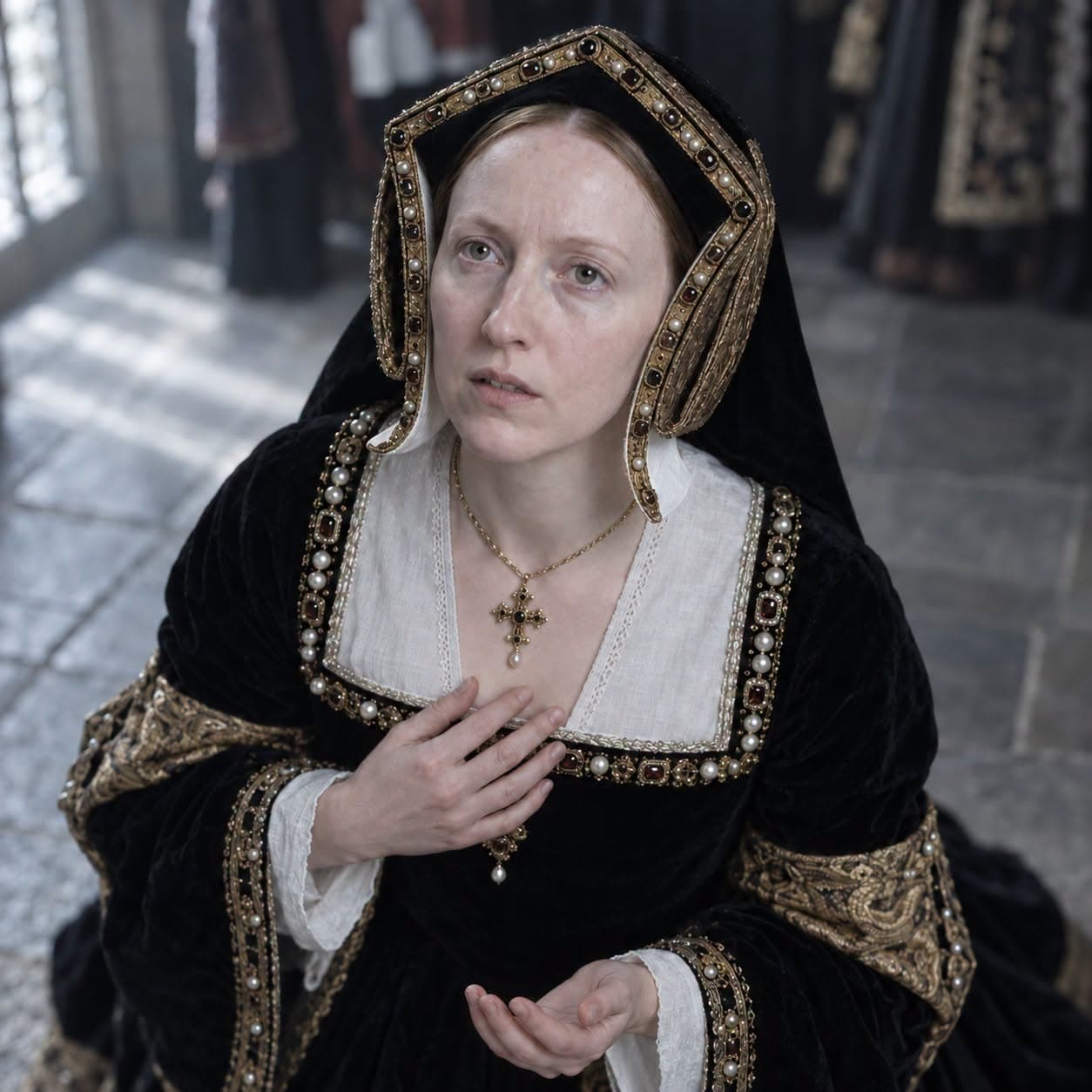
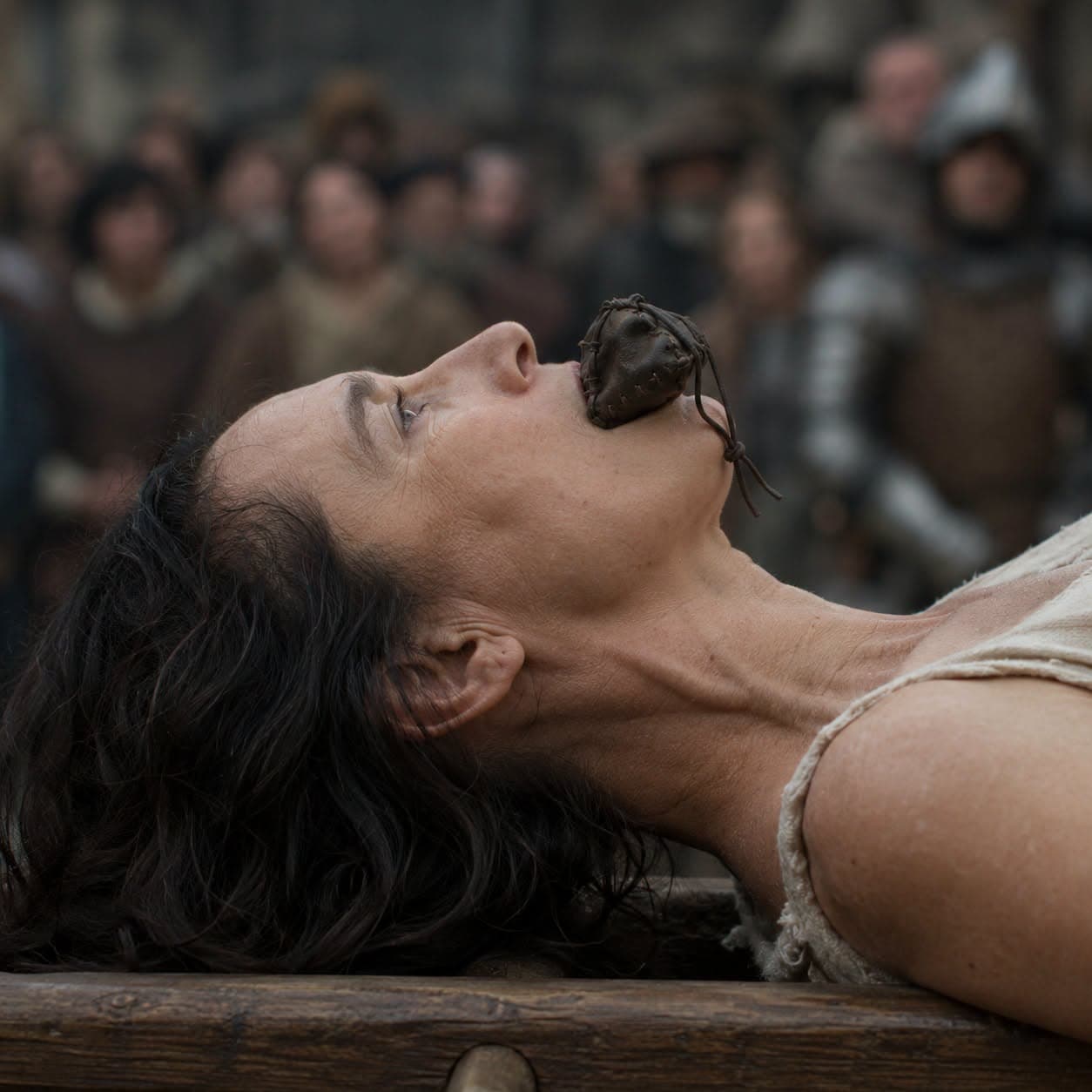
She would not stop talking. So they filled her mouth with gunpowder.
Anneken Hendriks was 53 years old, could neither read nor write, and had moved into a house in Amsterdam next door to the underbailiff of the city. She had left the Catholic church six years earlier and joined the Anabaptist Mennonites. She held meetings at her home. She had been baptised as an adult in the Anabaptist tradition. She had married her husband at night, in a private ceremony, in the manner of her faith rather than the church.
Her neighbour reported her to the authorities.
She was arrested and her formal sentence was recorded in full. The court listed her crimes. She had forsaken the holy church. She had adopted the cursed doctrine of the Mennonists. She had been baptised outside the Catholic faith.
And she had married her husband at night, away from the church, in a private ceremony.
That was in the sentence. That was listed as evidence against her.
On October 27th, 1571, two weeks before her execution, she was tortured by rack and strappado. The purpose was to extract the names of other Anabaptists in Amsterdam. She gave no names. She was tortured until there was nothing left to do but stop, and she had given them nothing.
On November 10th, 1571, she was taken from the city hall across Dam Square to the stake.
She passed her neighbour on the way. The man who had reported her. She stopped and looked at him and told him that God would punish him if he continued in his Judas act. The Martyrs Mirror, the Mennonite martyrology that recorded her story, preserved that moment in the account of her death.
She continued walking. Catholic confessors approached her and she turned them away. She was praying aloud, speaking to the crowd, addressing the people around her. She would not be silent and she would not be still.
They packed gunpowder into her mouth.
Then they tied her to a ladder and threw her into the flames.
A contemporary engraving made by the Dutch artist Jan Luyken in 1685, now held in the Rijksmuseum in Amsterdam, depicts the execution on Dam Square. The old city hall stands in the background. A crowd watches from the square. In the centre, a woman is bound to a ladder above the fire.
Her name is recorded. Her story is recorded. The Martyrs Mirror made sure of it.
Anneken Hendriks was one of thousands of Anabaptists executed across the Netherlands and the German states during the sixteenth century under the authority of the Spanish Habsburg administration. The specific charge of heresy had been used against Anabaptists since 1525. By the time Anneken died in Amsterdam in 1571, the machinery was well established, the sentences were formulaic, and the executions were routine.
None of that made her routine.
She could not read. She had never written a word. She held meetings in her home and married her husband at night and refused under torture to give a single name, and when they walked her across Dam Square to burn her she used every step of it to speak.
They could only think of one way to stop her.