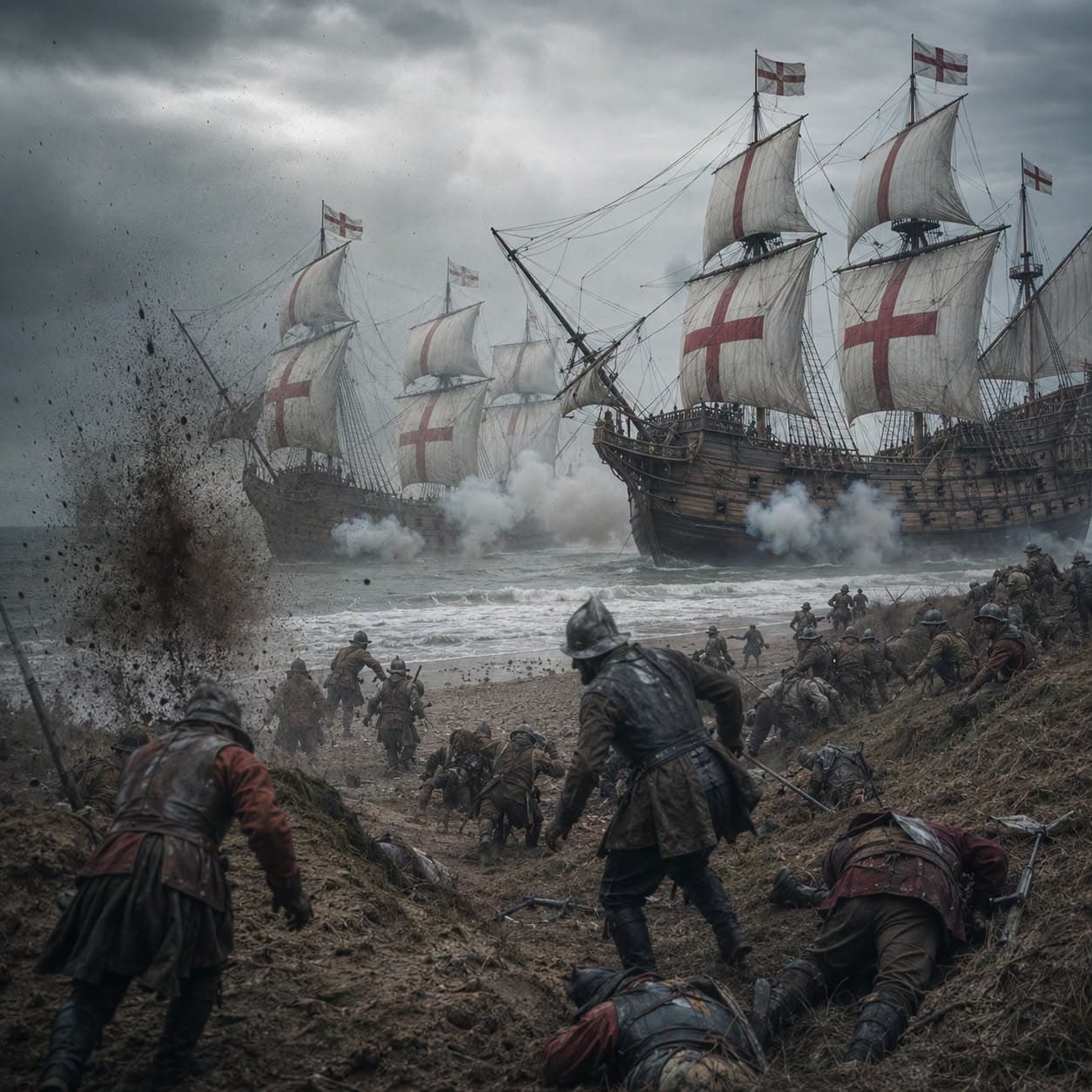
Mary I lost Calais to France. Six months later, her ships were still firing at the French, for a war that was never hers. She got nothing back. Not the city, not her husband's loyalty, not even peace.
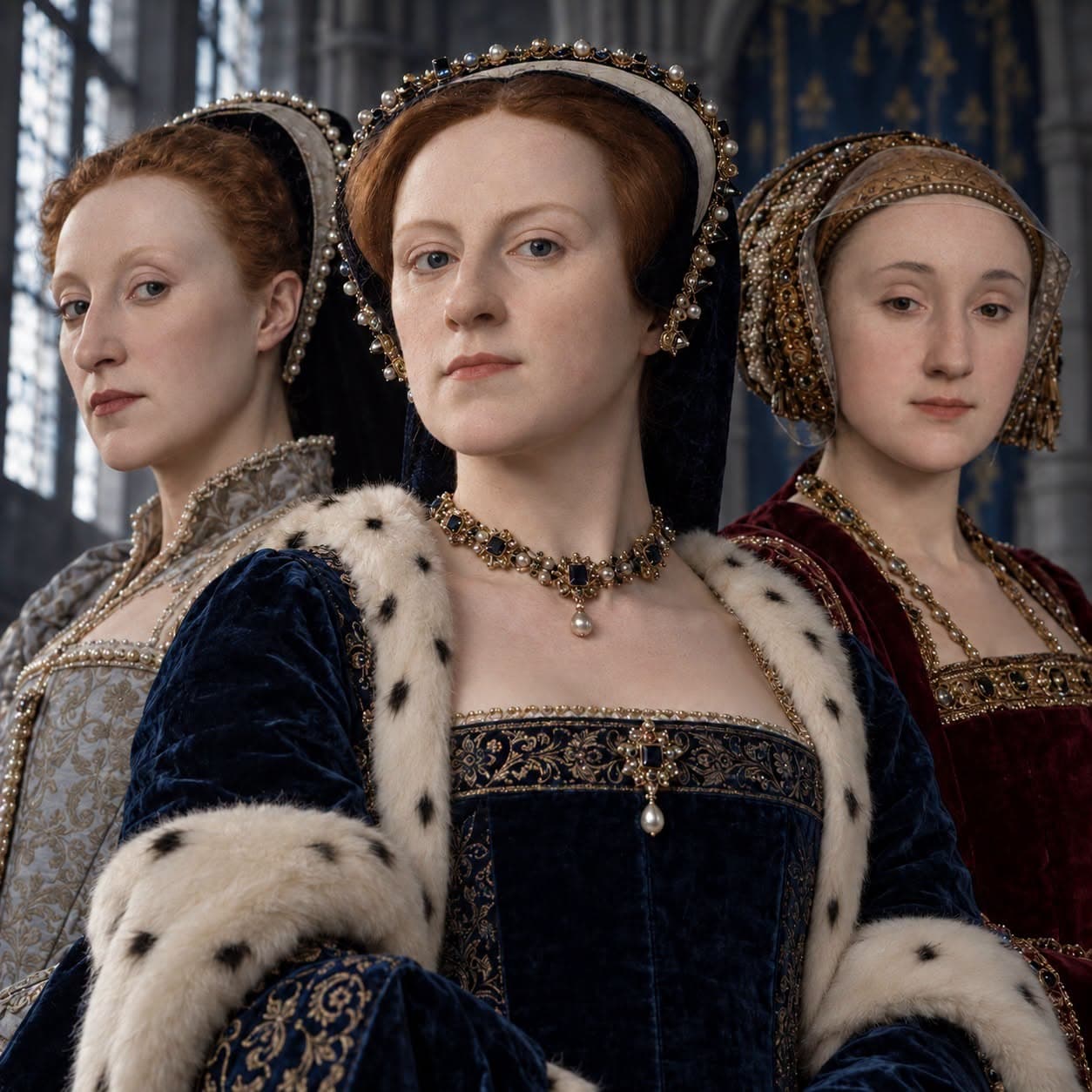
Two illegitimate daughters and an ex-wife arrived at the abbey to do something that had never been done before: crown a woman who would rule in her own right.
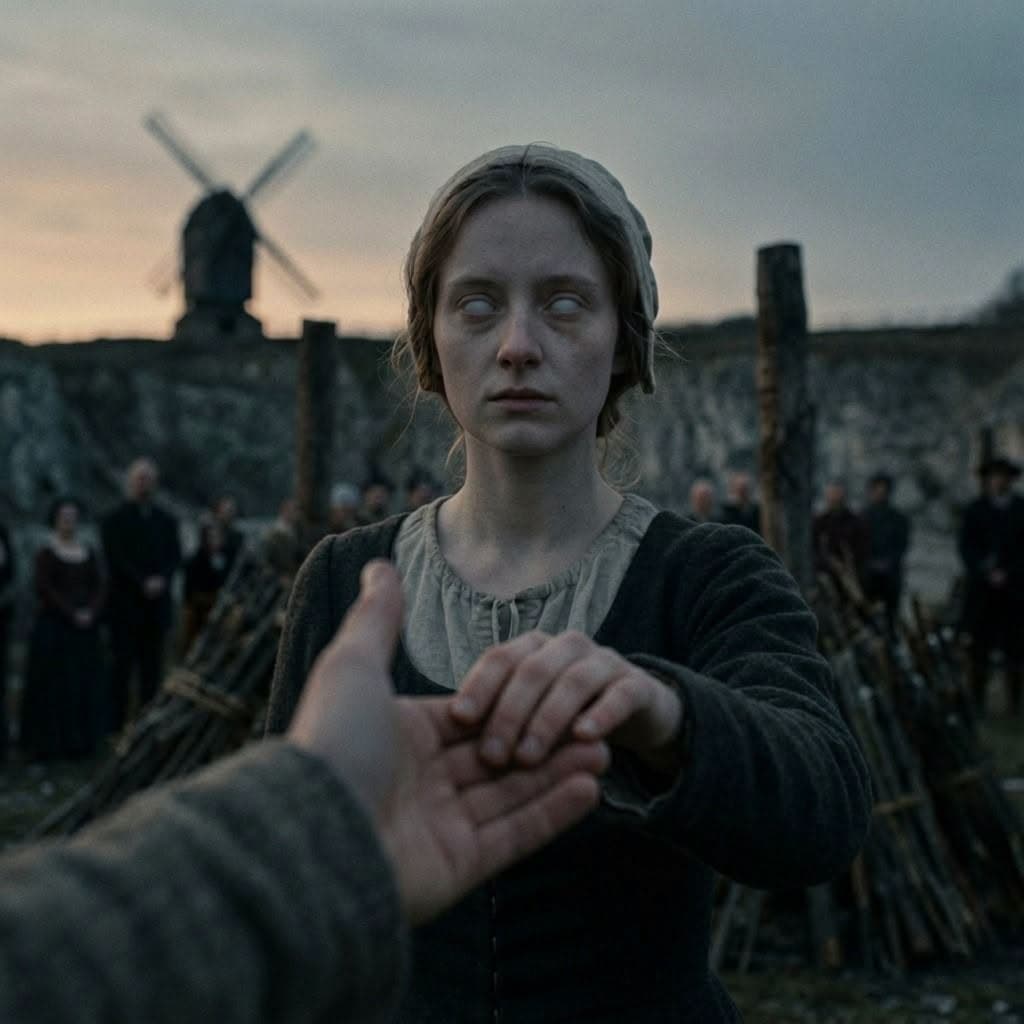
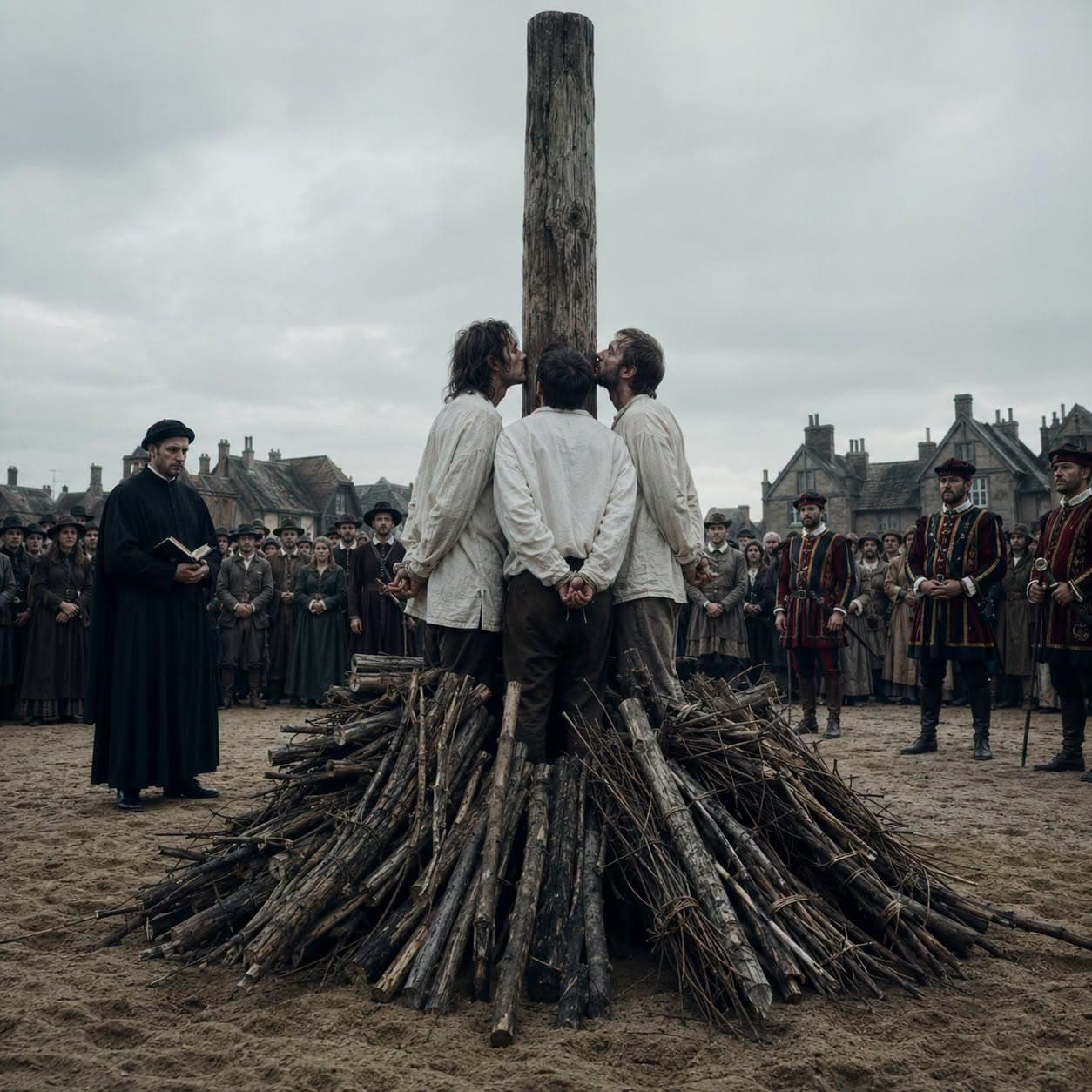
The last thing Joan Waste did before the fire was let go of her brother's hand. Roger had walked with her from the town to Windmill Pit on Burton Road. They had been born together, blind and sighted, in the same moment in 1534. He had been beside her for all twenty-two years of her life. At the edge of the pit she held his hand for a time, and then she released it, and they tied her above the fire.
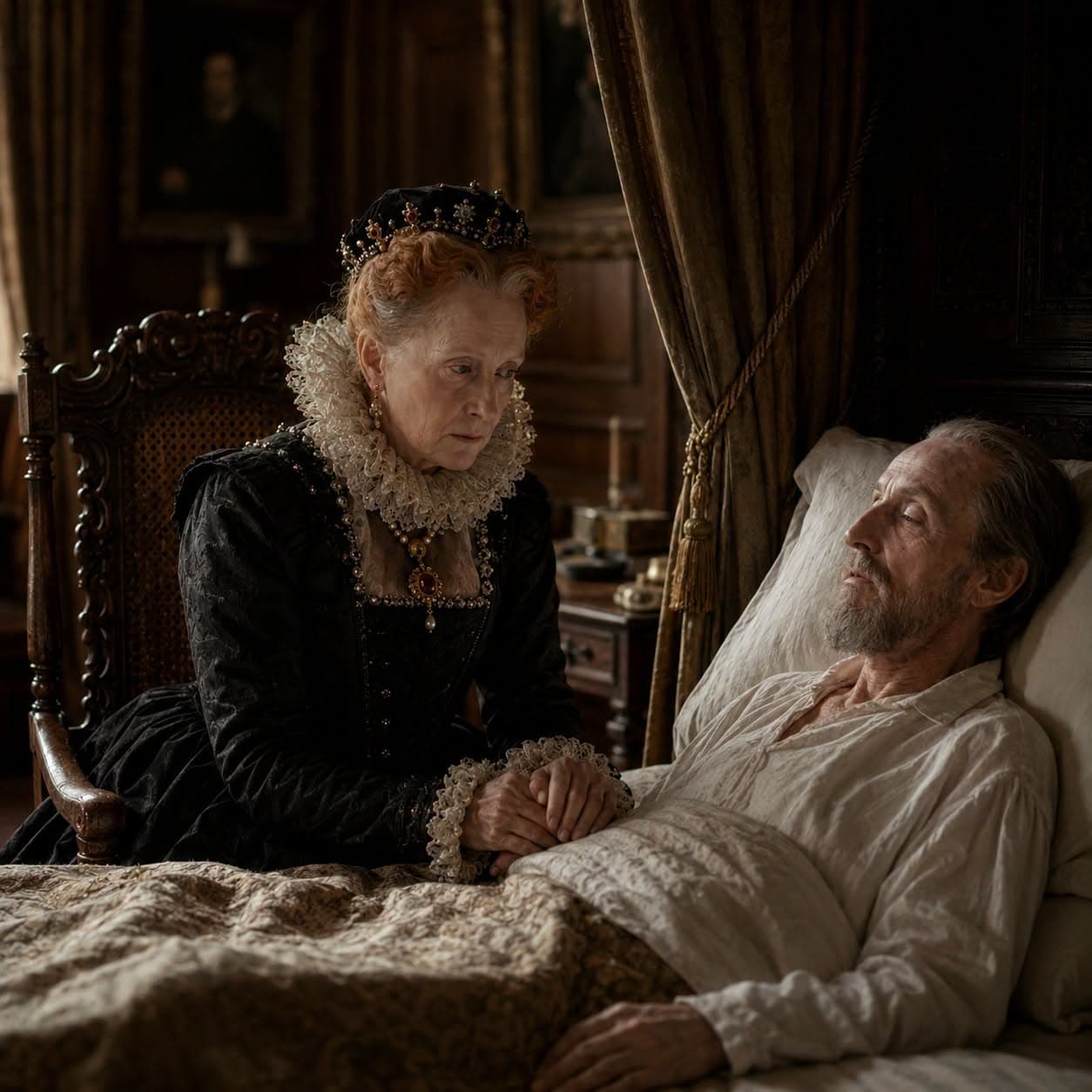
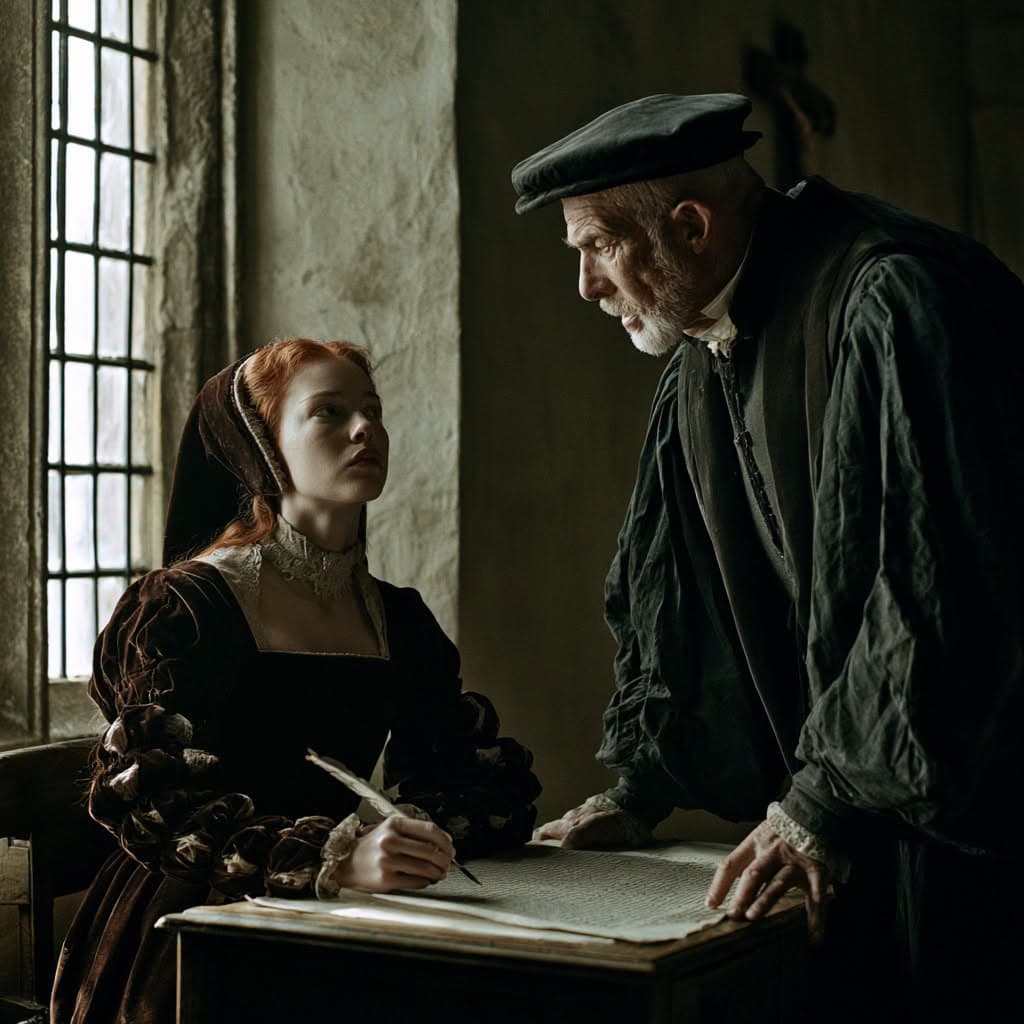
Queen Elizabeth I was sat at his bedside when he died at Somerset House on 23 July 1596, two days after dictating his will aloud because there was no time left to write it down. He was seventy years old, and he had served her for every one of the thirty-eight years she had worn the crown.
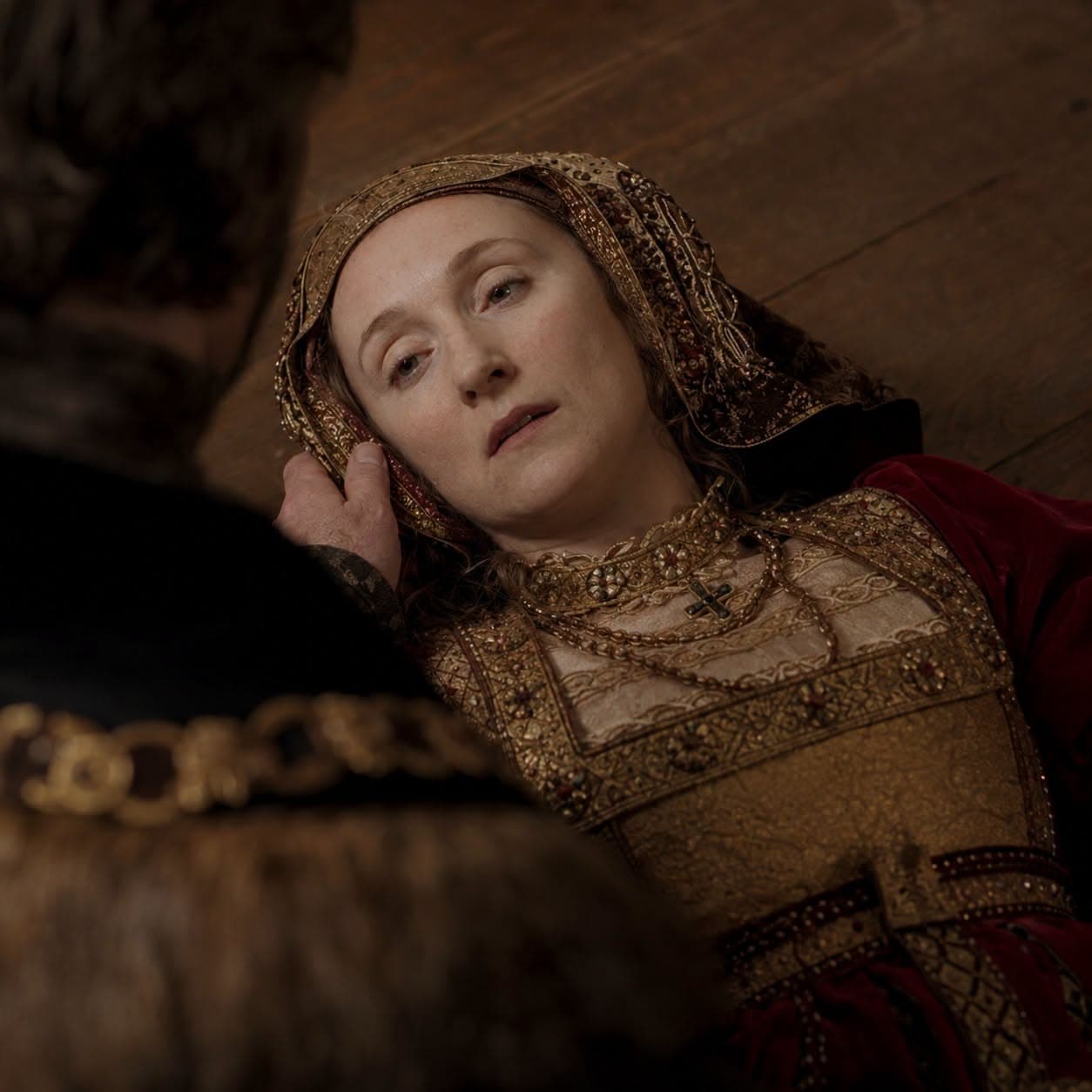
The French Ambassador reported that Anne of Cleves had collapsed in terror when the men arrived and told her that her marriage no longer existed. The men sent to inform her said she took the news without any change of expression. She knew exactly what had happened to the wives who had fought him.
A fifteen year old boy died at Greenwich on the sixth of July 1553. His death put three women on a collision course none of them had chosen. Two would soon become queens. The third would watch and wait.
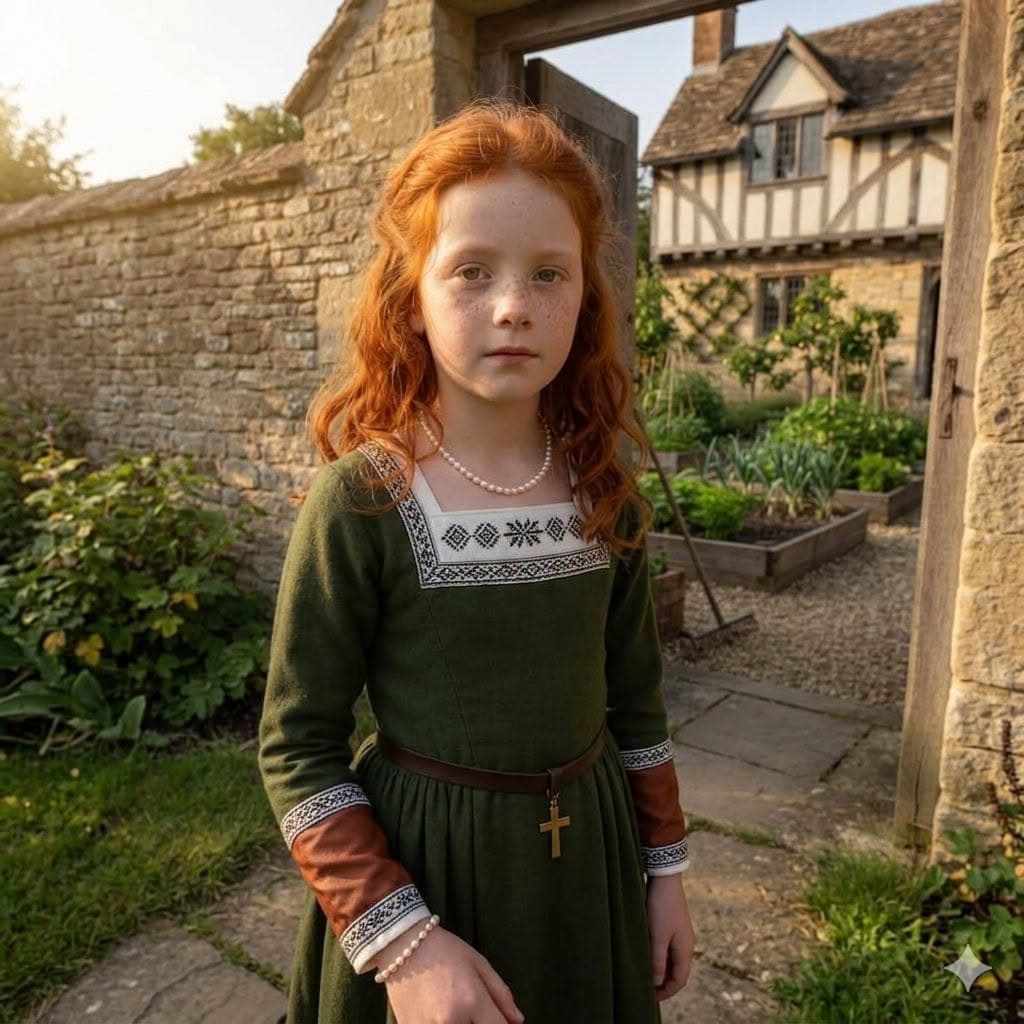
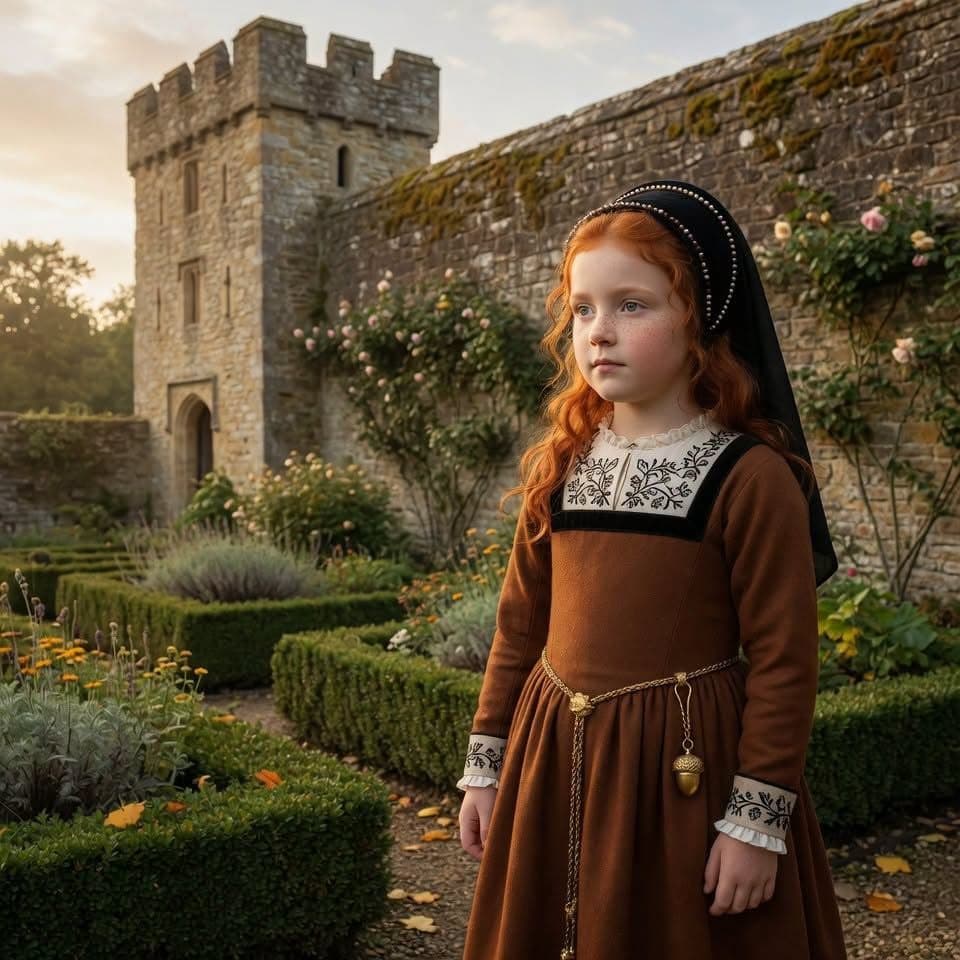
Lettice Knollys, the eldest daughter of Francis Knollys and Catherine Carey, was born on the 8th of November 1543 at Rotherfield Greys in Oxfordshire, and she inherited from her mother's side of the family two things that would define the entire shape of her life. Tudor red hair, and a connection to the English crown that everyone could see and nobody was permitted to discuss.
Catherine Carey was born in early 1524 at the precise midpoint of her mother Mary Boleyn's affair with Henry VIII, which is either a coincidence or the most consequential piece of timing in her entire life, depending on which historians you read and how carefully you look at her portraits.
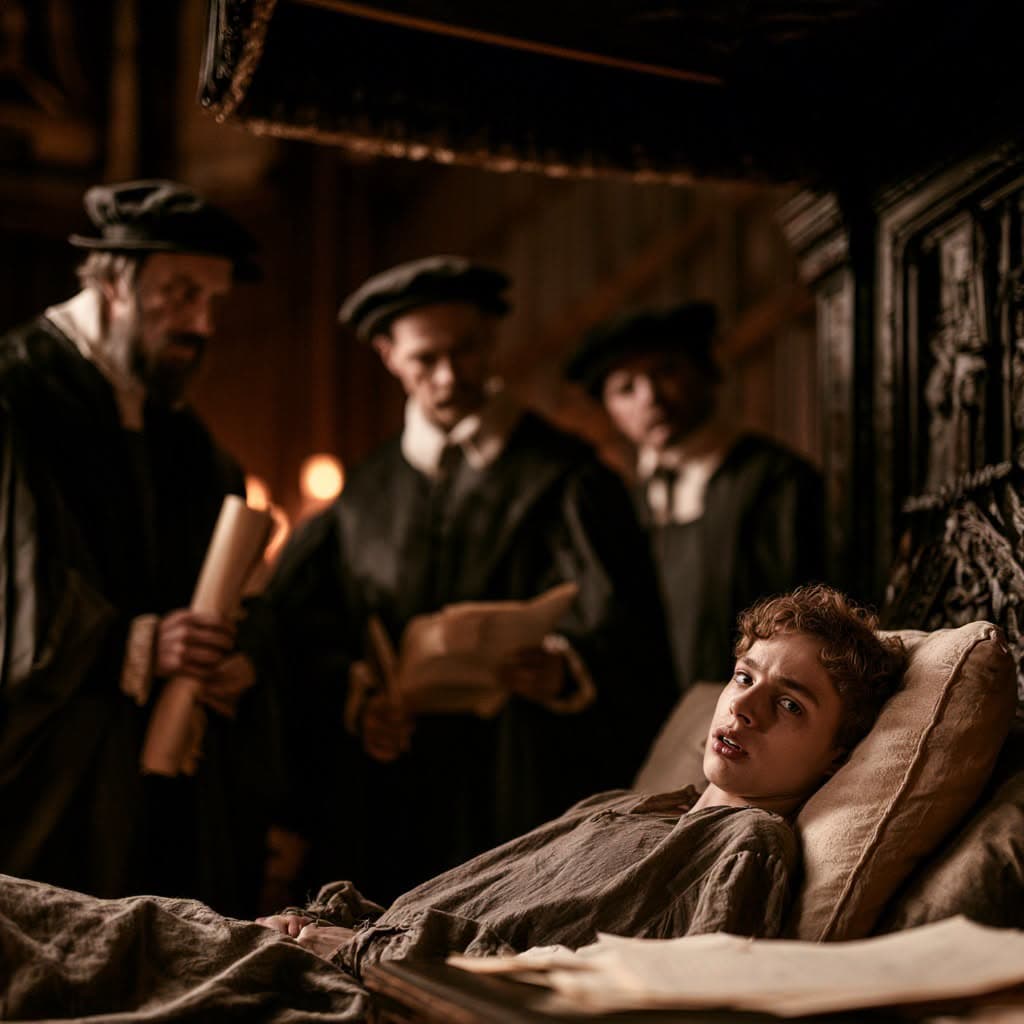
His father had declared his sisters illegitimate. His father's will had restored them. As he lay dying he removed them again. A hundred men signed the document.