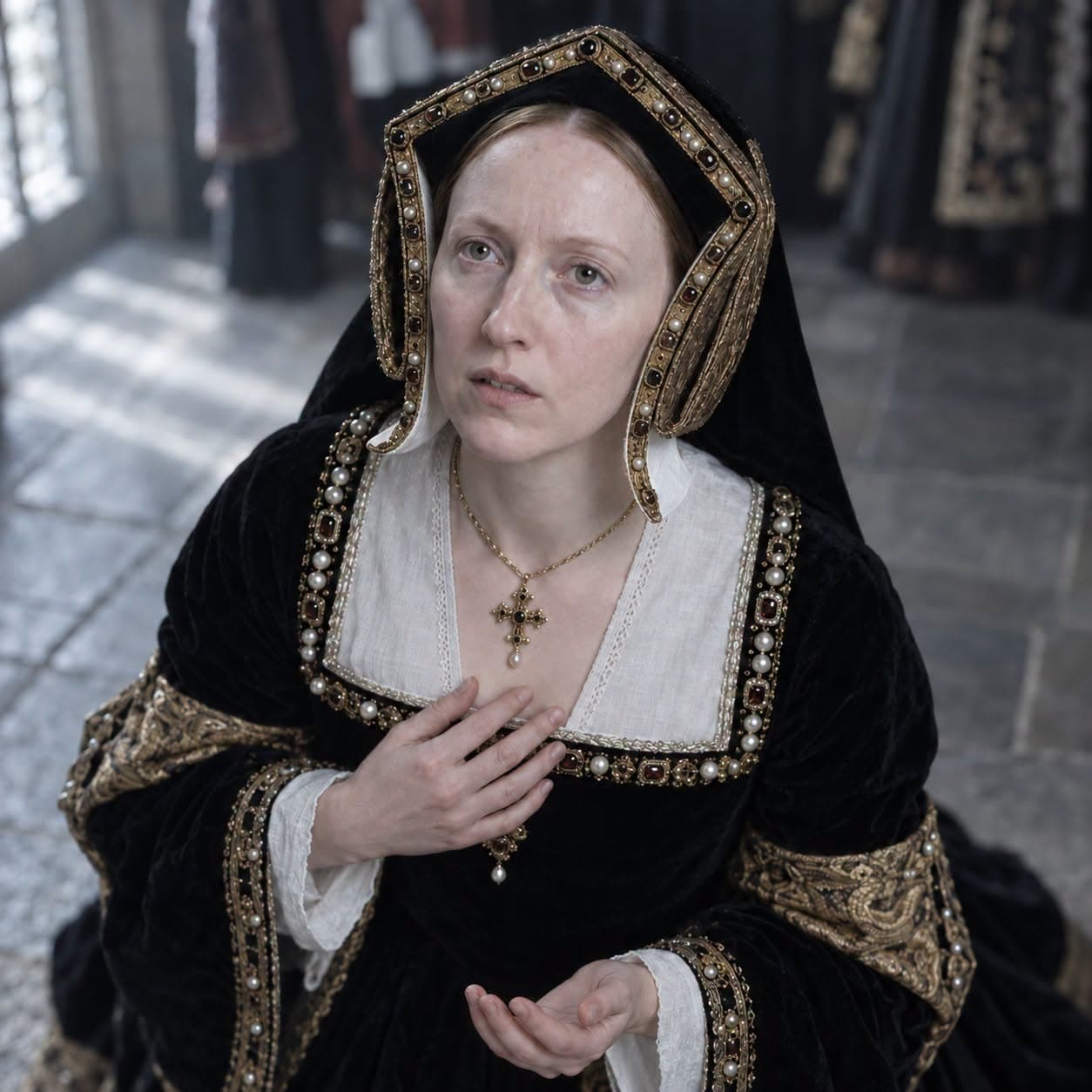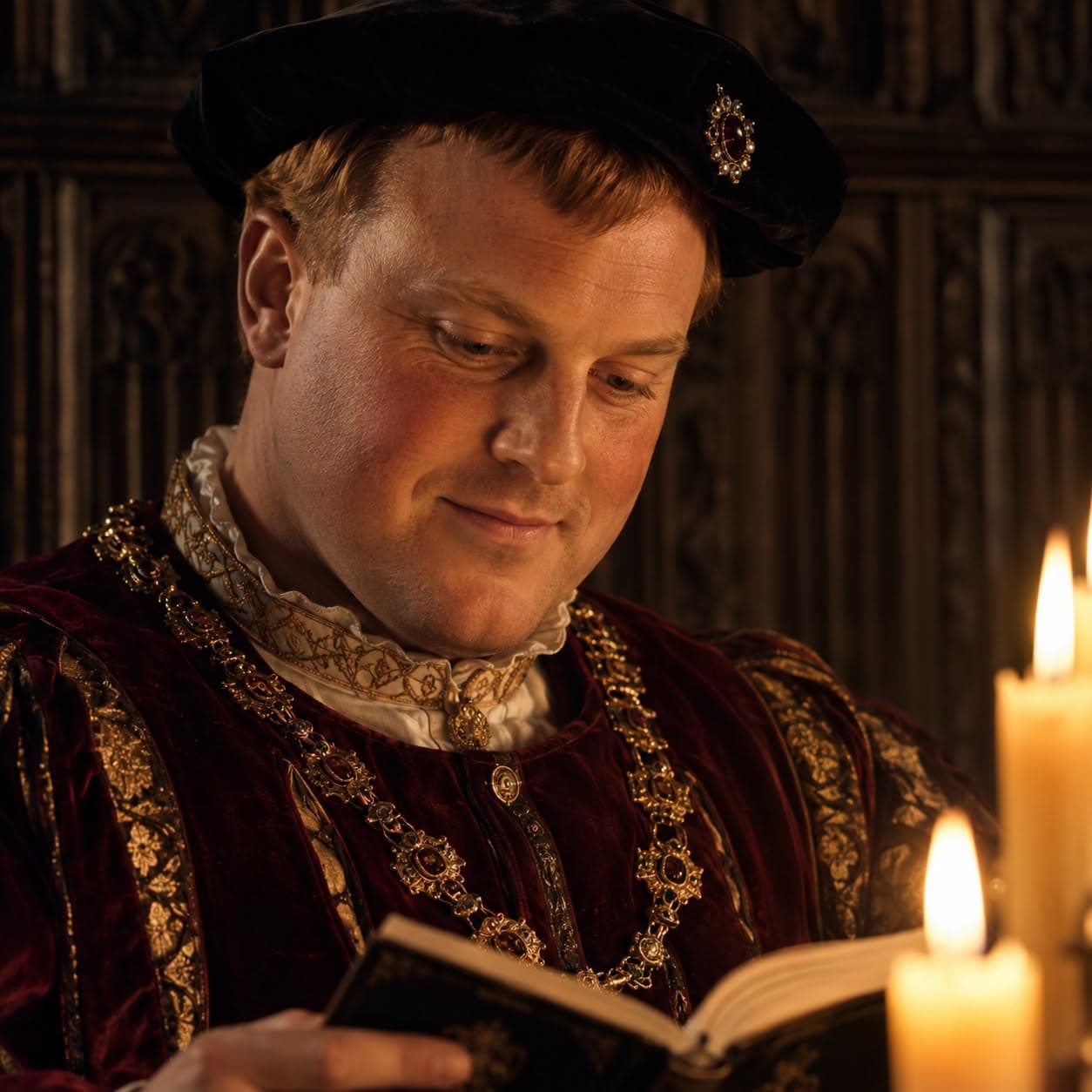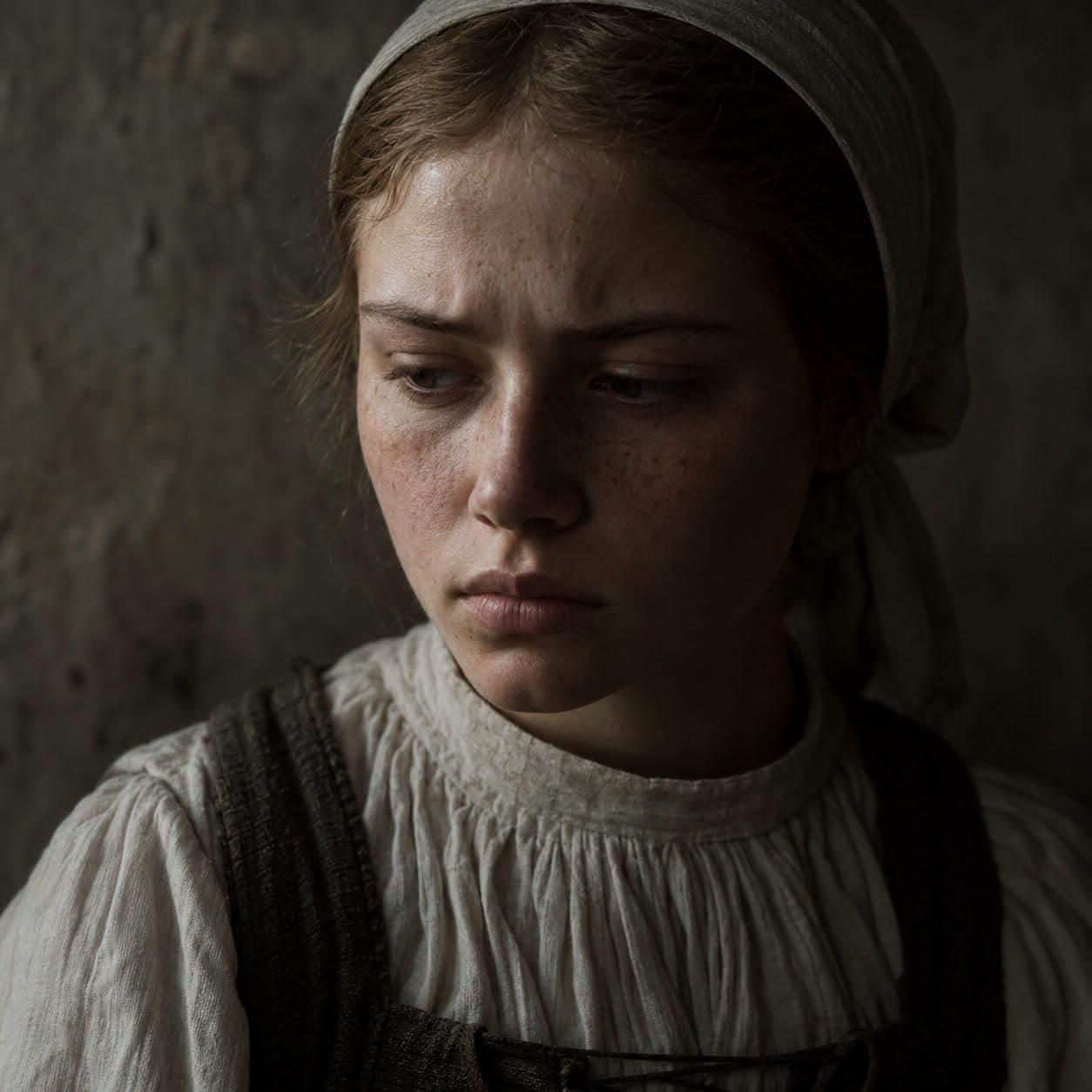
Catherine Carey was born in early 1524 at the precise midpoint of her mother Mary Boleyn's affair with Henry VIII, which is either a coincidence or the most consequential piece of timing in her entire life, depending on which historians you read and how carefully you look at her portraits.
Her father was recorded as William Carey, gentleman of the privy chamber, a respectable man of no particular distinction who died of sweating sickness in 1528, leaving his four-year-old daughter and her younger brother Henry in the care of their mother and the extended Boleyn family machinery.
Henry VIII made no acknowledgement of either child. He did not need to. He had other things to attend to. He had, by 1528, already begun to attend to her aunt Anne.
The Boleyn family in the early 1530s was a machine running at full operational capacity and Catherine Carey was a child growing up inside it. Her grandmother Elizabeth Howard managed the household. Her grandfather Thomas Boleyn, one of the most relentlessly calculating diplomats in Henry's court, was collecting titles at a rate that made other courtiers visibly anxious. Her uncle George was a royal favourite. Her aunt Anne, in 1533, became Queen of England.
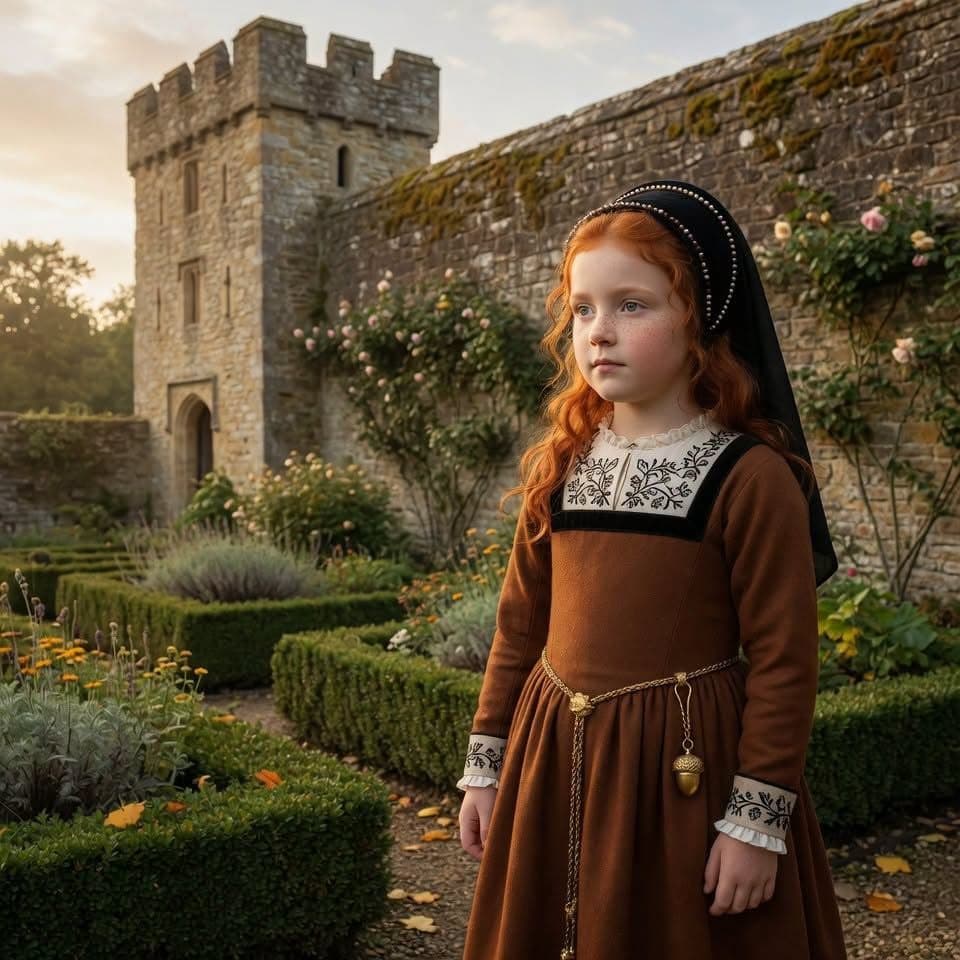
Catherine was nine years old when the coronation happened and she was, by the reckoning of the Tudor court, the niece of the queen — first cousin to the princess Elizabeth born that September — a child of the most powerful family in the country, positioned at the centre of an ascent that the entire Boleyn operation had spent a decade engineering. She had Tudor red hair and the specific heavy-lidded eyes that observers noted in portraits of the king, and the people around her either did not notice or had very good reasons not to say so out loud.
In May 1536 the machine destroyed itself. Anne Boleyn was arrested, tried on charges of adultery and treason that historians have spent centuries dismantling, and executed on the 19th of May on Tower Green. Catherine was twelve years old. Her uncle George was executed the same week. Her grandfather Thomas retreated from court in disgrace. Her mother Mary was already gone — banished two years earlier for the offence of marrying a man she loved without permission — which meant that when the Boleyn family collapsed, Catherine had nobody left of rank to shelter behind.
She was a twelve-year-old girl with the wrong surname and the wrong face in a court that had just finished deciding that everything Boleyn was dangerous. She survived by being young enough to be invisible. It was the first time her obscurity protected her. It would not be the last.
She came to court properly in the reign of Edward VI, married Francis Knollys in 1540, and when Mary I's Catholic restoration made Protestant England dangerous she went into exile in Europe with her husband and their growing family rather than conform. She had fourteen children with Francis Knollys. Fourteen. She returned to England when Elizabeth came to the throne in 1558 and Elizabeth made her chief lady of the bedchamber — the closest, most trusted, most physically proximate role available to a woman at court.
Whether Elizabeth knew, or suspected, or simply felt in the wordless way that people sometimes do the pull of shared blood toward a face that resembled her father's, no historian can say definitively. Elizabeth never said. Catherine never said. The question sat between them for eleven years, unspoken, while Catherine slept in the chamber next to the queen and managed her household and presumably looked at Elizabeth's face sometimes with the specific feeling of someone who knows something they will never be permitted to name.
Catherine Carey died on the 15th of January 1569 and Elizabeth I's grief was, by every contemporary account, entirely uncharacteristic. A queen who had spent her reign mastering the performance of composure came undone at the loss of a woman the court knew only as her first cousin. She shut herself in her chamber. She refused to be consoled. She did not explain it. She had spent her entire reign not explaining it.
The girl in the Hever garden with the copper hair had grown up to become the one person Elizabeth trusted completely, the one presence the queen could not govern herself without — and whether that was cousinhood or something the Tudor court had no language for, Elizabeth took the answer with her when she died, thirty-four years later, and the question is still open.
She spent her life in the orbit of a crown that may have been her father's and would never acknowledge it. She never claimed anything. She never had to. She simply stood close enough to the queen that everyone could see the resemblance, and kept her silence with the expertise of a woman who had learned, at twelve years old in the wreckage of the Boleyn ascent, that survival required it.