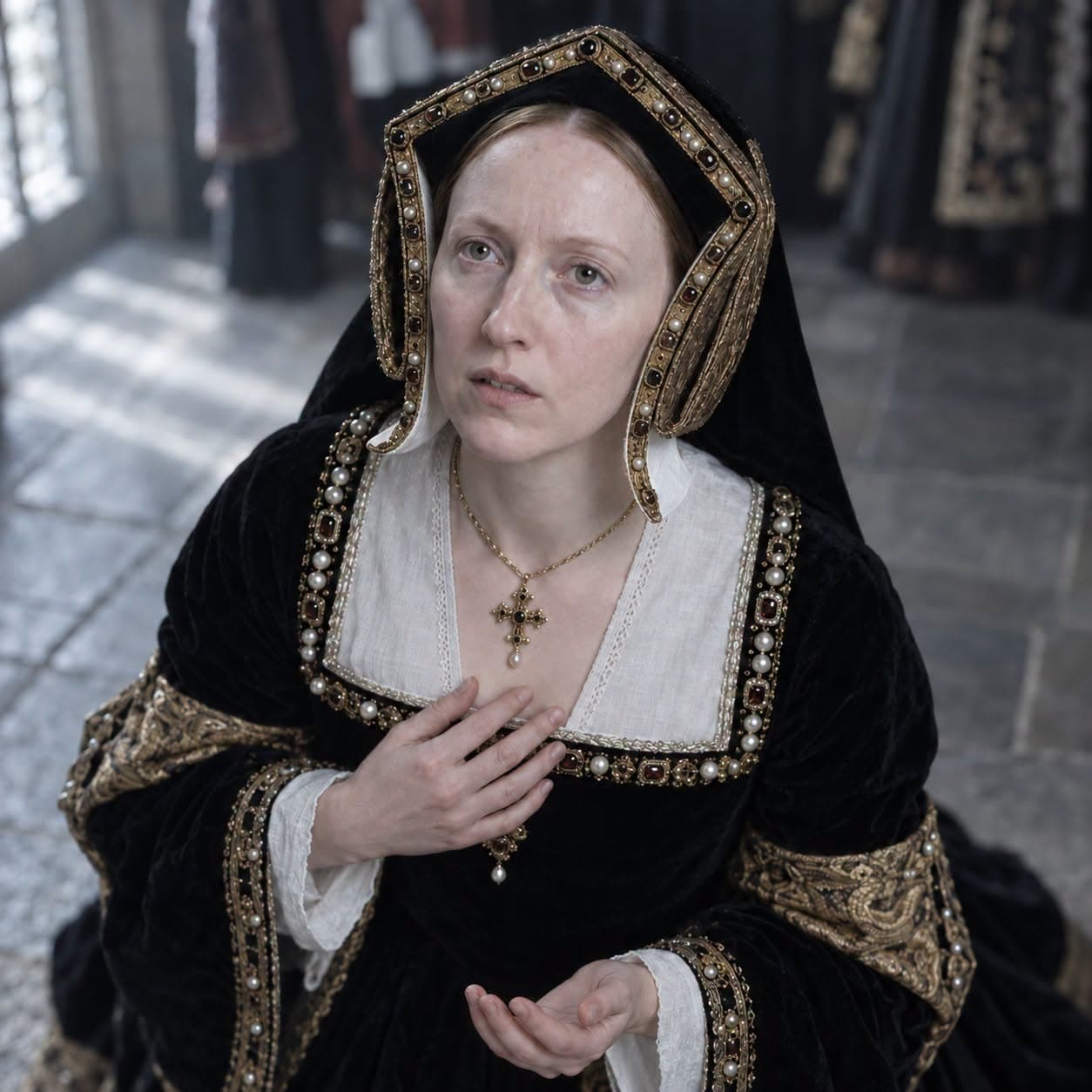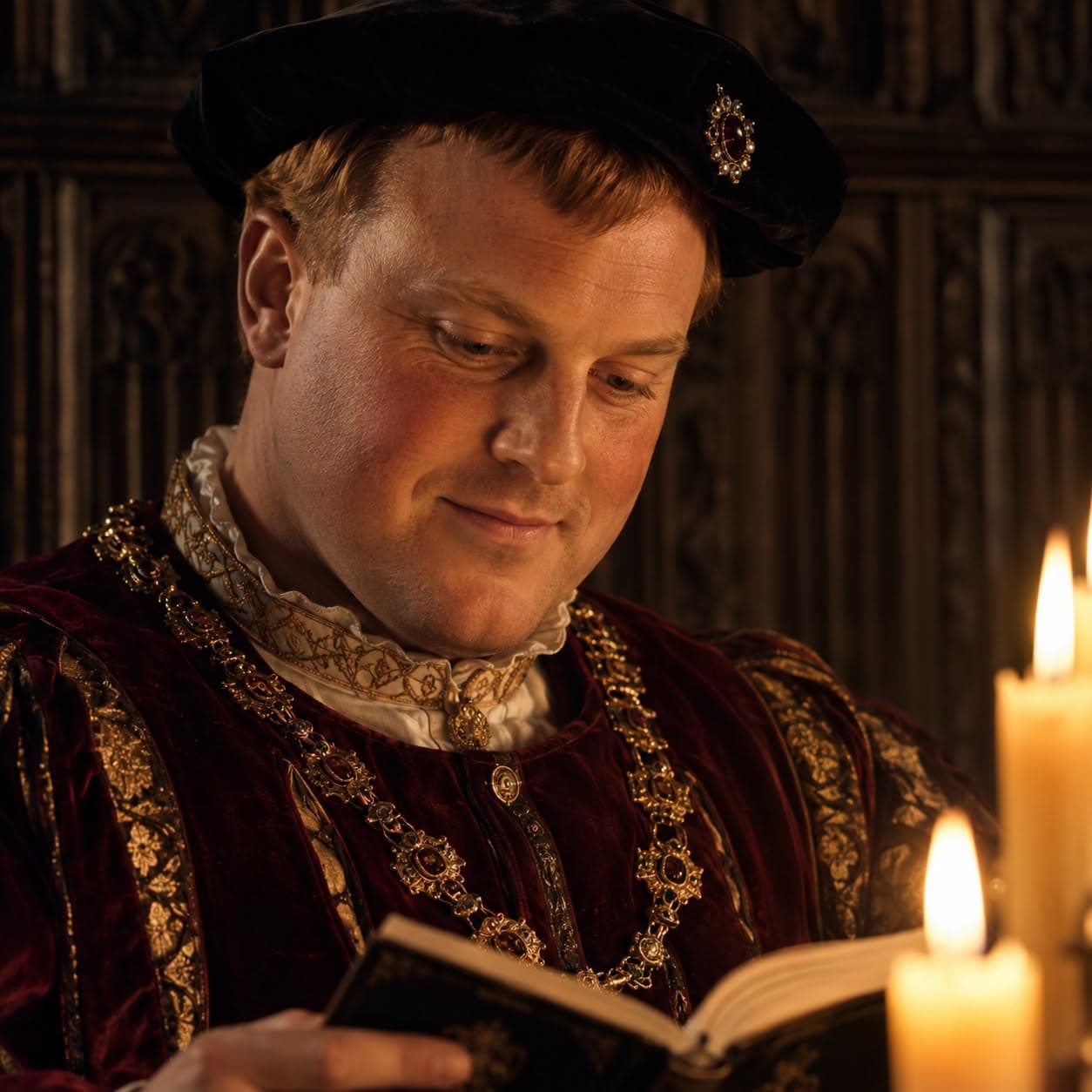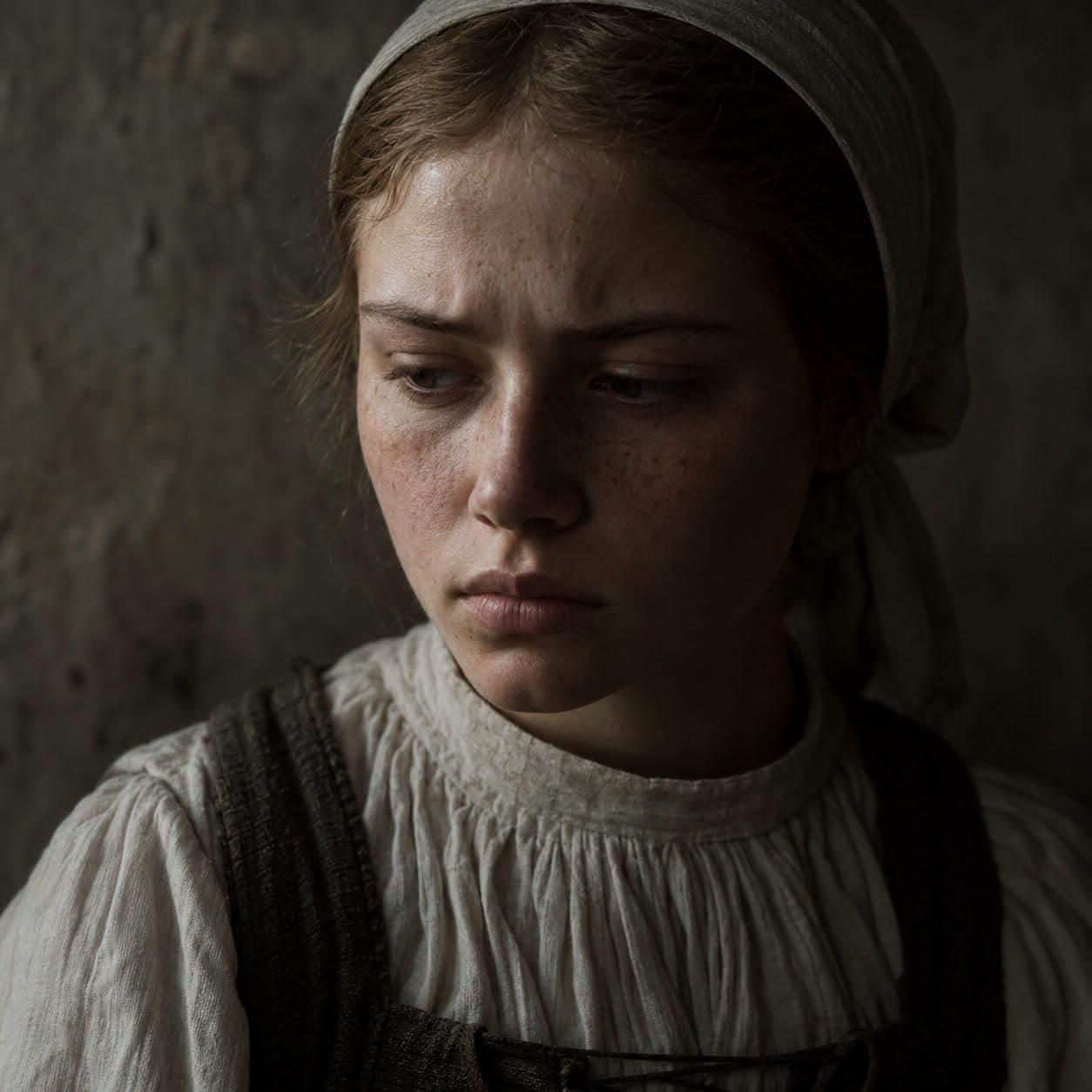
Julius Palmer once cheered when Protestants burned. Then he watched two of them die well, and it broke something in him he couldn't put back.
Palmer arrived at Oxford as a hardline defender of Rome, so hostile to reformed preaching that he was disciplined repeatedly by his own college for refusing to attend common prayer and driving off preachers his fellow students wanted to hear. He was not a natural martyr. He was, by his own design, one of the men who stood on the other side of the fire, the kind who might have watched a burning and felt nothing but satisfaction.
What undid that certainty was watching Nicholas Ridley and Hugh Latimer burn for the faith Palmer had spent years despising. He read Calvin. He read Peter Martyr's commentaries. Something in him gave way, and he converted to the faith he'd once mocked. It cost him his fellowship. When he went to his mother afterward to ask for his share of his father's legacy, she refused him outright: "Thy father bequeathed nought for heretics."
Mary I had been burning Protestants for heresy since the first years of her reign, restoring England to Rome by force and by fire, and Palmer's case moved entirely through the machinery she had built for that purpose. The trial opened on 15 July 1556, at St Nicholas Church in Newbury, before Dr. William Jeffrey's consistory court. Palmer stood beside two other men, John Gwyn and Thomas Askin, charged with denying the Pope's supremacy, denying purgatory, and refusing the Mass.
Sir Richard Abridges, the High Sheriff of Berkshire, pulled Palmer aside and offered him food, books, and ten pounds yearly for as long as he wanted, adding that if Palmer would only marry, he would procure him a wife and a farm and help stock it himself. Palmer was twenty-four. He said no.
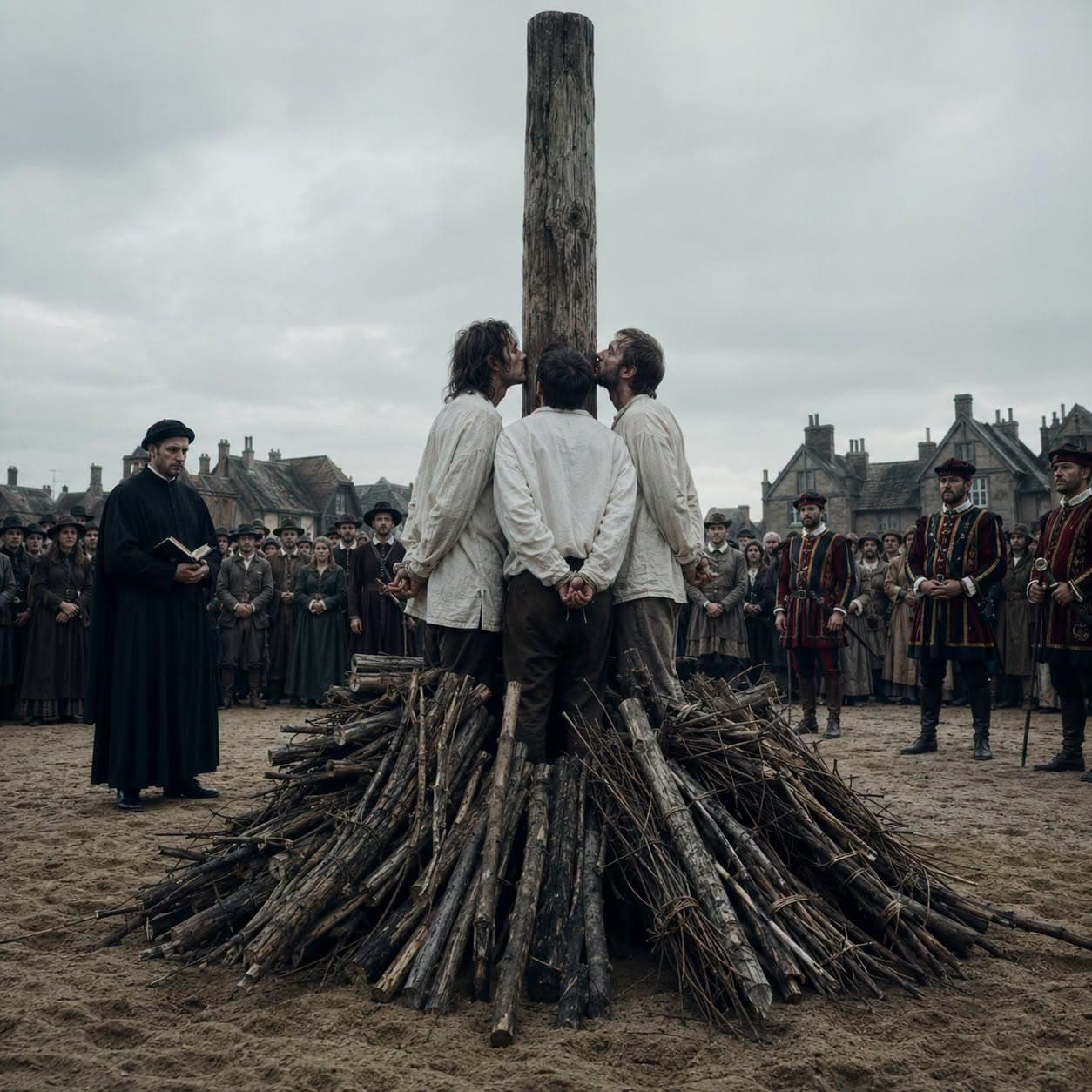
He was condemned the following day, 16 July, and burned that evening, around five o'clock, alongside Gwyn and Askin at the Sand-pits in Newbury. Foxe's account records that all three men stripped, knelt, and kissed the stake before they were bound to it, and that as the fire took hold, they cried out together, Lord Jesus, strengthen us, receive our souls. When the flames had done their work and the crowd believed Palmer already dead, his lips moved once more, and he was heard to say a single word. Jesus.
A man who had once stood on the side that lit the fires died inside one himself, three more names added to the hundreds Mary I's reign would eventually claim.