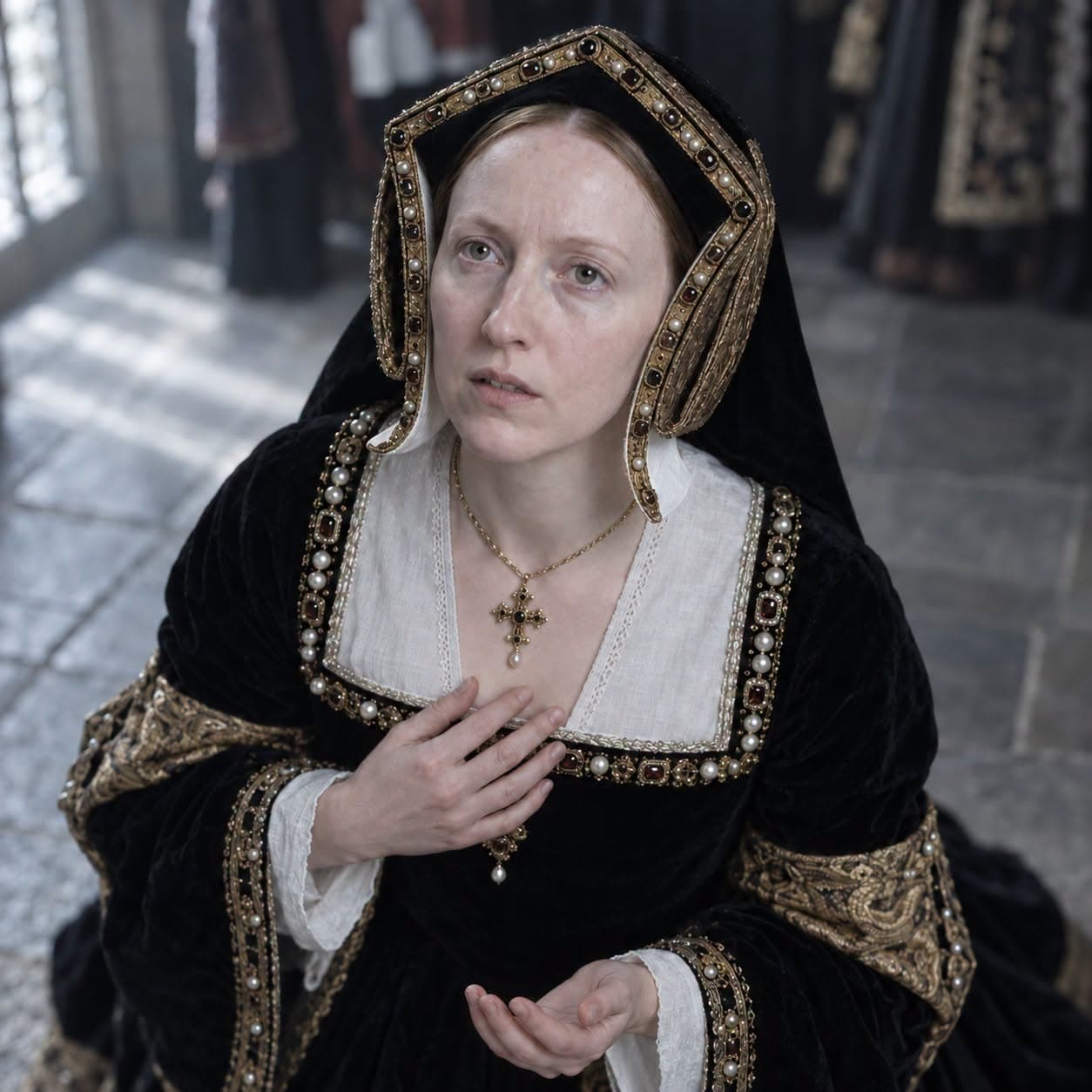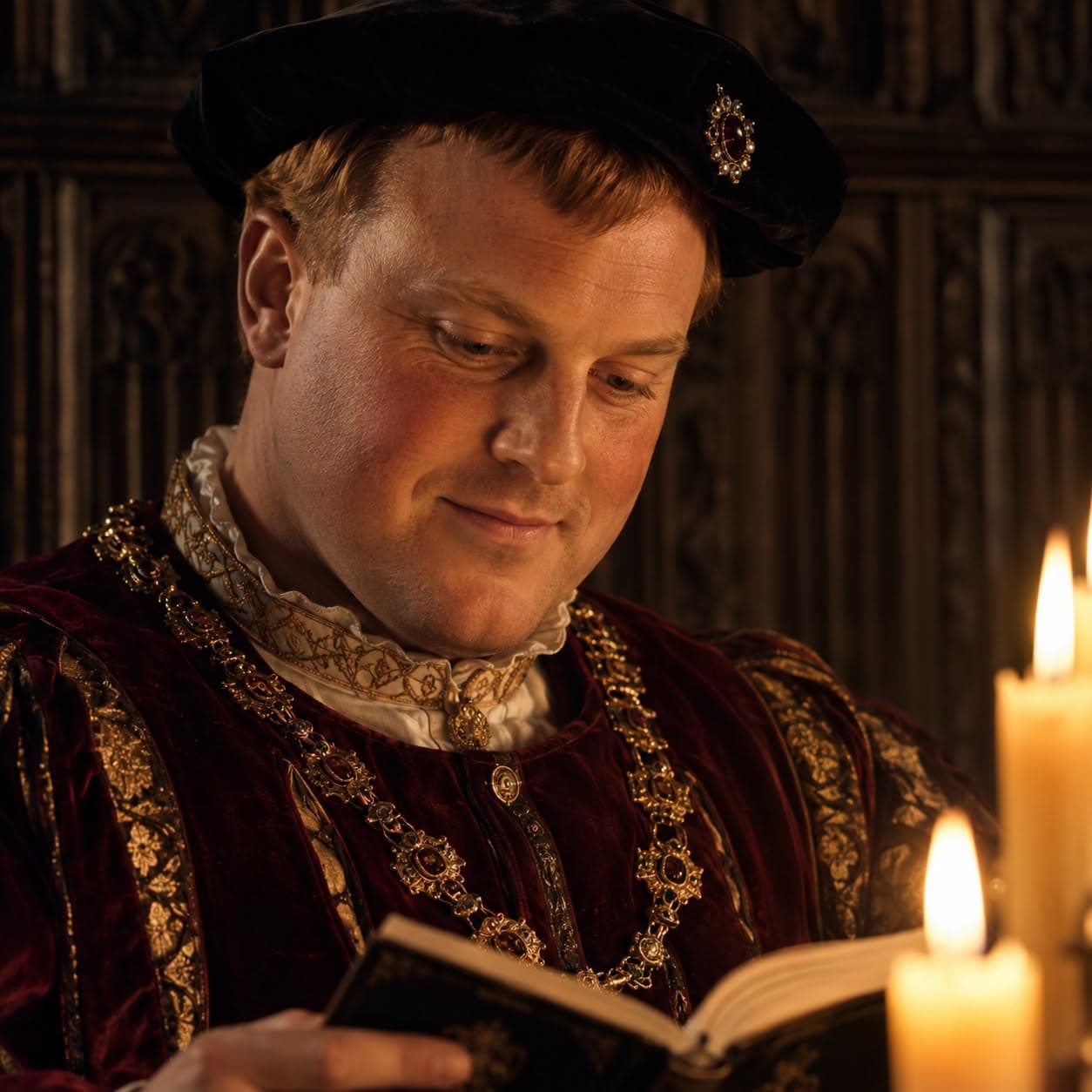
Mary I lost Calais to France. Six months later, her ships were still firing at the French, for a war that was never hers. She got nothing back. Not the city, not her husband's loyalty, not even peace.
Mary married Philip II of Spain in 1554, and the marriage came with an inheritance she never asked for, Spain's long war against France. England had no independent quarrel with the French crown, but neutrality stopped being possible once Mary was Philip's wife. The war finally came in June 1557, and its trigger was not a French army crossing the border. It was Thomas Stafford, an English rebel, landing at Scarborough with French backing, trying to depose the queen specifically because she had married a foreign king. The marriage had caused the resentment. Now it caused the war too.
Calais fell six months later, and it fell badly. The Duke of Guise brought some 27,000 men against the city on 1 January 1558, crossing ground that would normally have stopped him, except the winter frost had hardened it solid. But the defense that met him was already compromised before he arrived. Thomas Wentworth, the English commander, had misjudged the French target as Hesdin rather than Calais. He had refused to flood the defensive plains around the town, wanting the water kept for brewing beer instead. He did not request reinforcements from Philip until 2 January, five days before he surrendered.
Calais had been English territory for over two hundred years. It took Guise seven days to take it. Mary is said to have told her ladies that when she was dead and opened, they would find Philip and Calais lying in her heart, a line no contemporary chronicle records her saying exactly that way, but one that has outlived every other sentence connected to her reign because it is true to what the loss actually cost her.
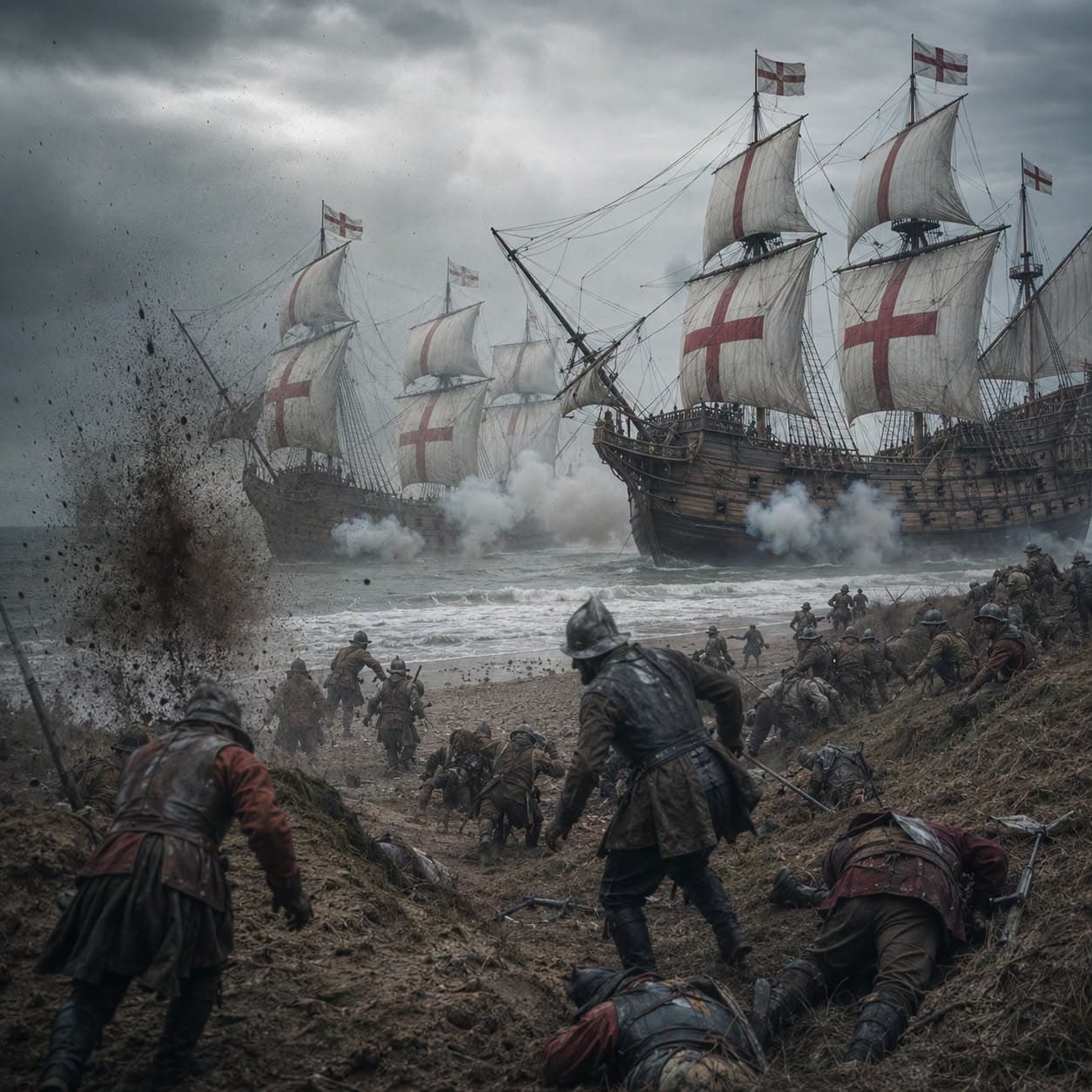
Six months later, on 13 July 1558, at Gravelines, England was still paying into the same war. A French force under Marshal Paul de Thermes had raided out of Calais, burning Dunkirk, striking at Bergues, and was moving back toward the city when Count Lamoral of Egmont's Habsburg army cut off the retreat. English warships, present because of the alliance the marriage had created, opened fire on the French from the coast. The bombardment broke the German mercenaries fighting in Thermes's line, and their collapse brought down the whole army with them. Thermes was captured. The French dead numbered in the thousands.
It changed nothing for England. Calais stayed French. The defeat at Gravelines, layered onto an earlier French collapse at St. Quentin, pushed Henry II toward the negotiations that became the Treaty of Cateau-Cambrésis the following year, a peace that settled Spain's dispute with France and left England's lost city exactly where it had fallen. Mary died in November 1558, four months after Gravelines, having spent a war and a battle on a cause that was never hers, for a husband who had never treated the marriage as anything more than useful.
The ships fired at Gravelines for Philip's war, not for hers. The city she said she carried in her heart was already long gone before a single English cannon fired on that beach.