Henry VIII had built a court to end his marriage. Catherine refused to recognise it and appealed over his head to Rome. The Pope took the matter out of Henry's hands.
The first time Catherine of Aragon sailed for England, the sea returned her to Spain. On 27 September 1501, she tried again. This time it took her away forever. The journey would be no less perilous.
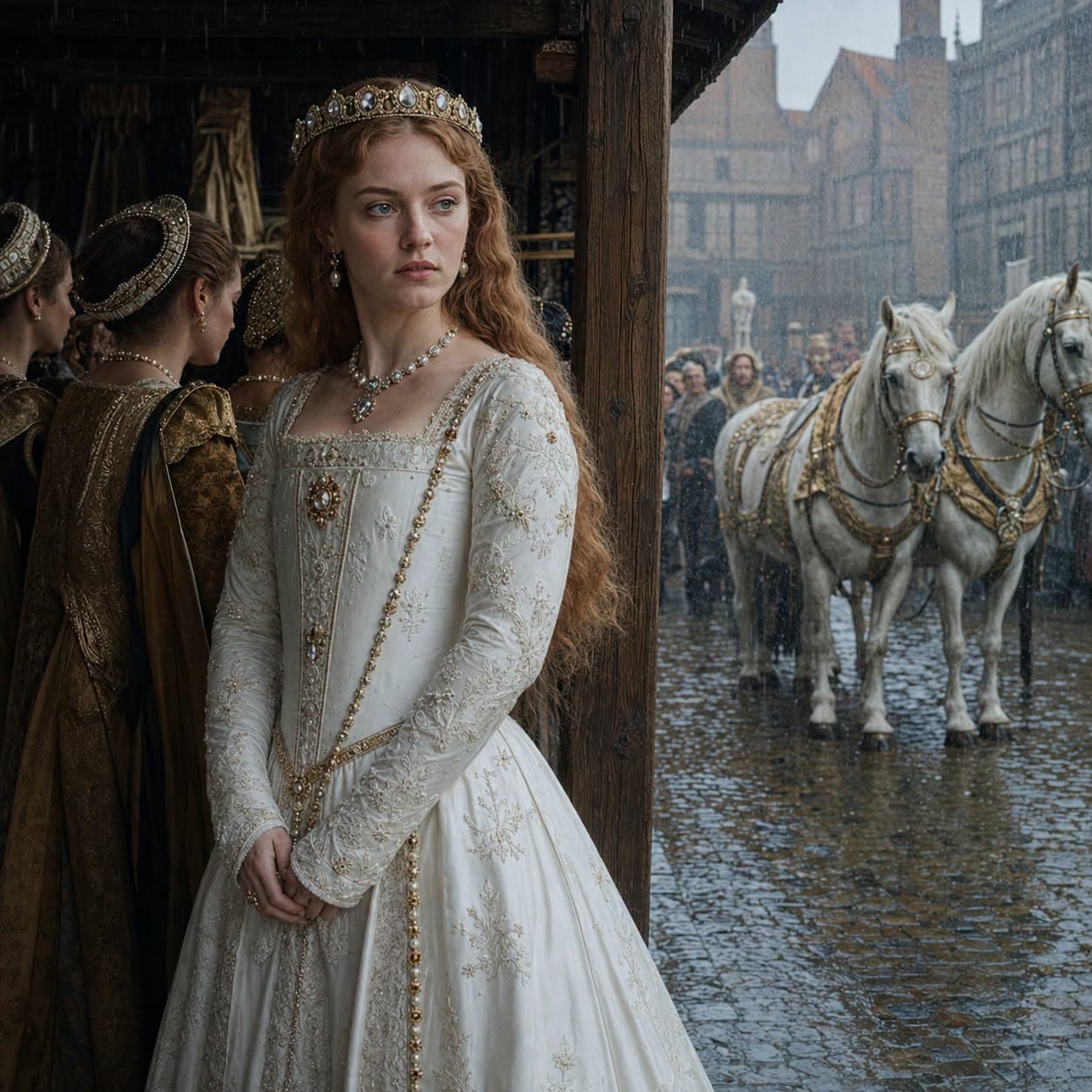
She had waited seven years to be crowned. When the procession finally came, it rained so hard she had to shelter under a draper's stall. London dressed itself in cloth of gold and crowned her queen the next morning anyway.
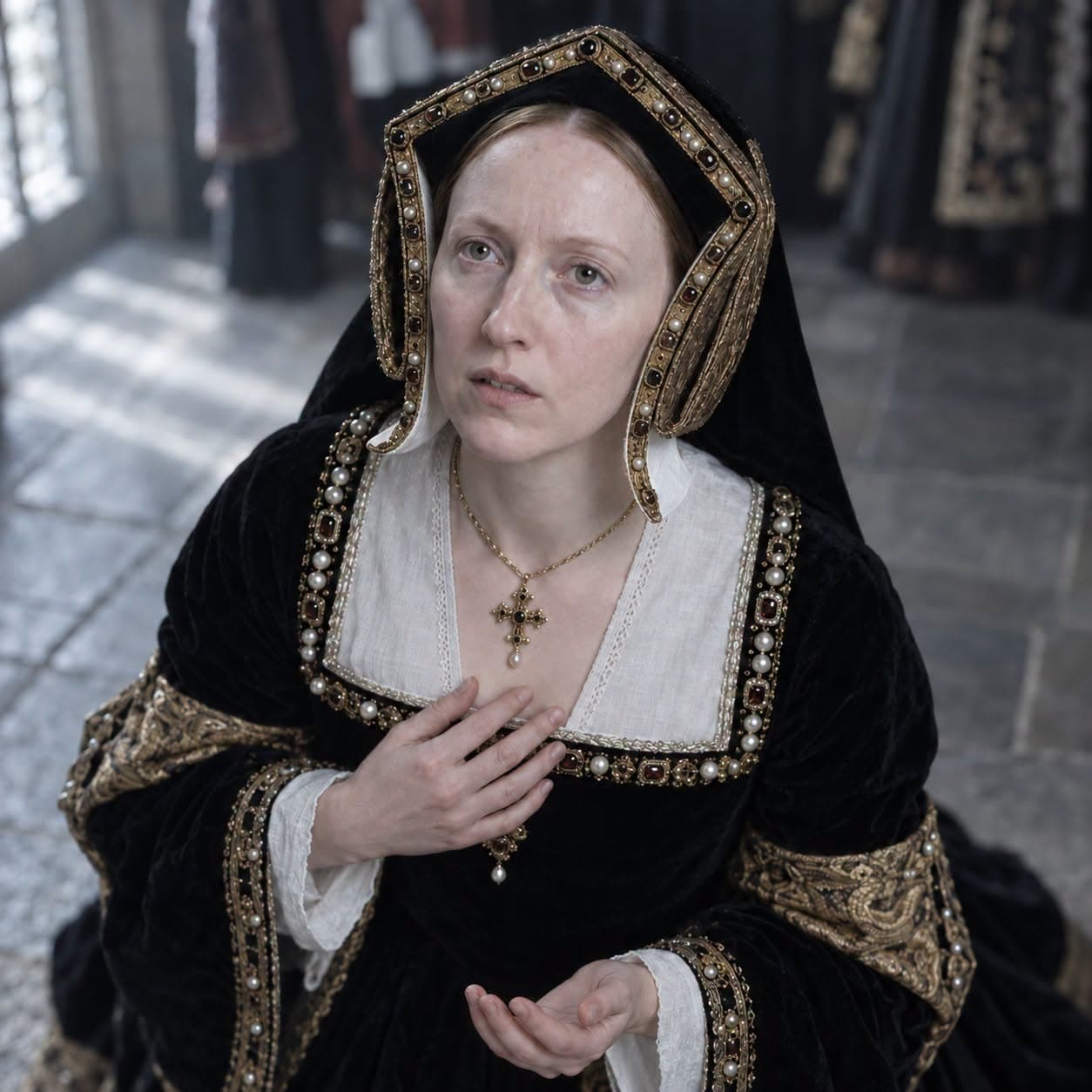
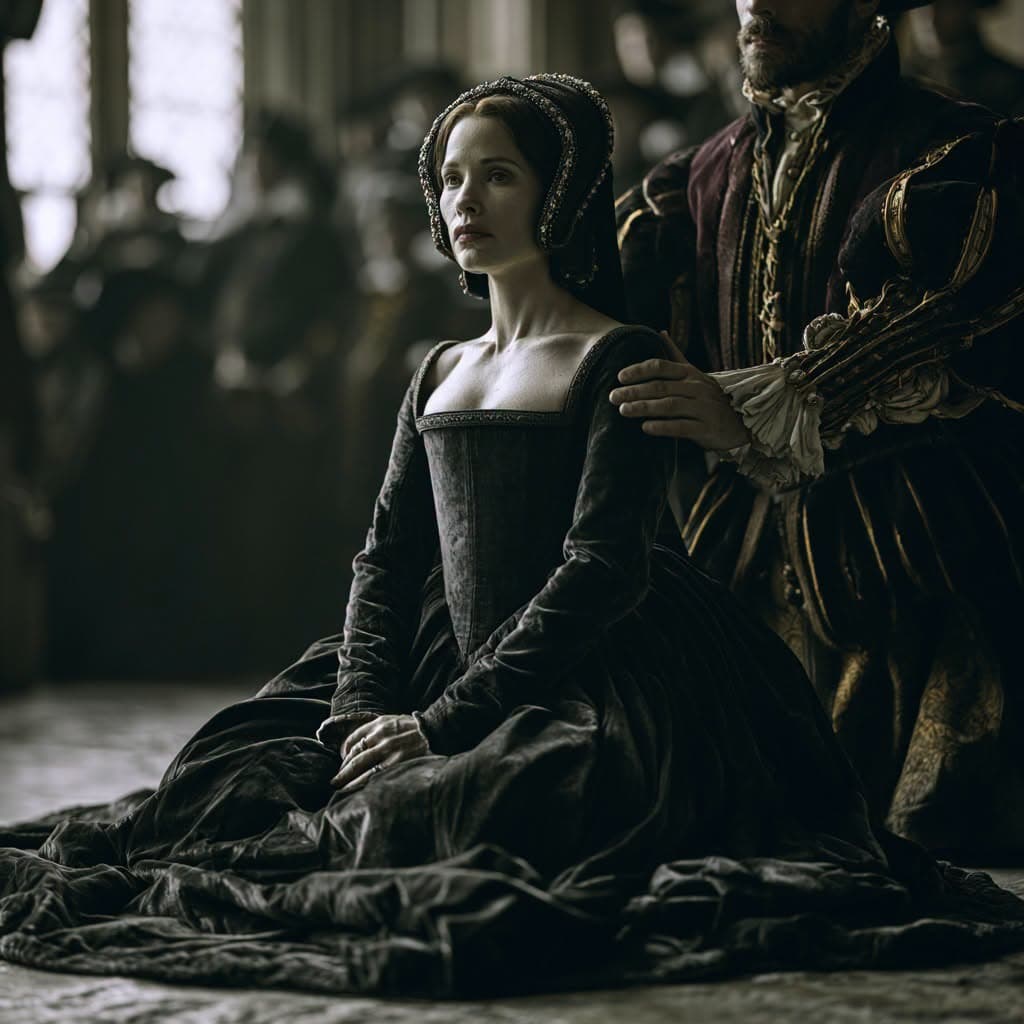
She was expected to defend herself through her lawyers. Instead she walked past them, crossed the room, and knelt at her husband's feet. She spoke. When she finished she stood up and walked out. The crier called her name three times. She did not stop.
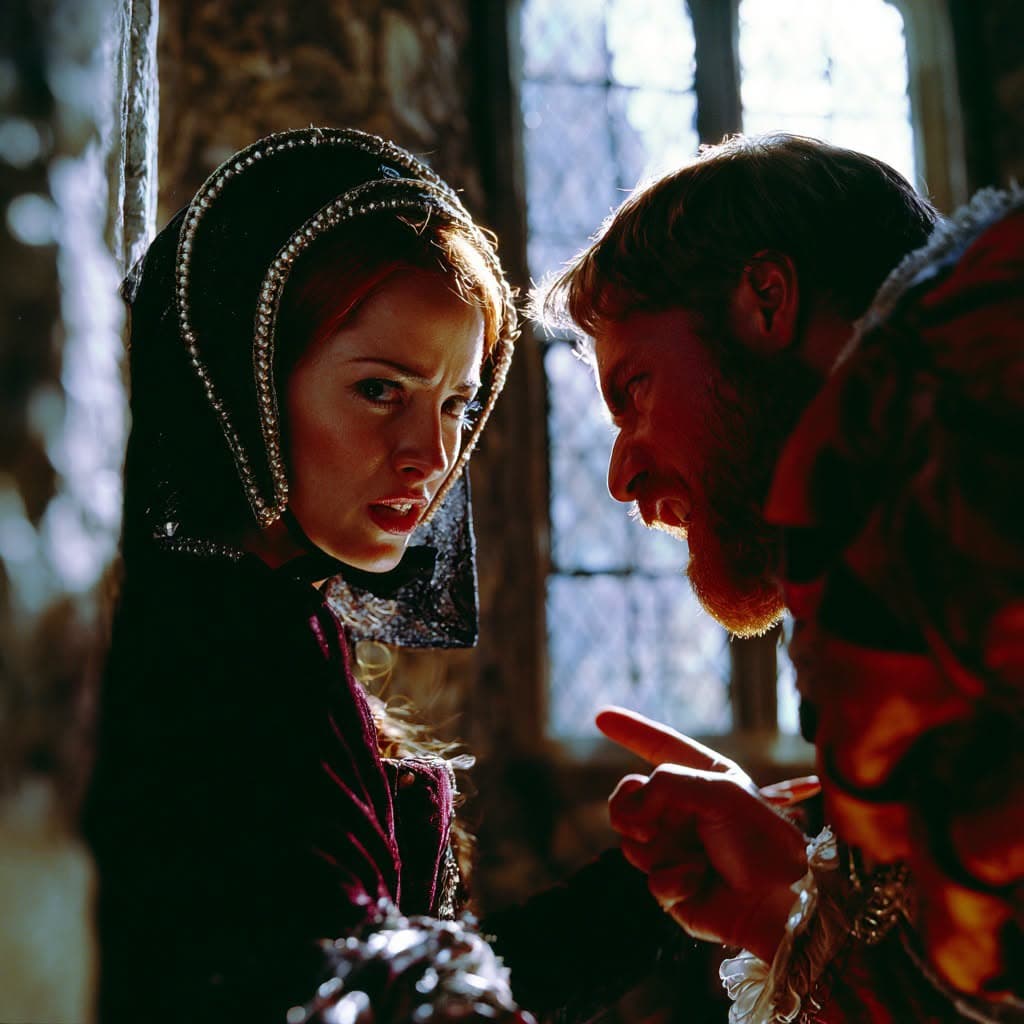
Six months earlier she had been seven miles away while another woman sat in her chair. On the twelfth of June 1530 she said so to Henry's face. He left the room without a word. There were six more years of it still to come.
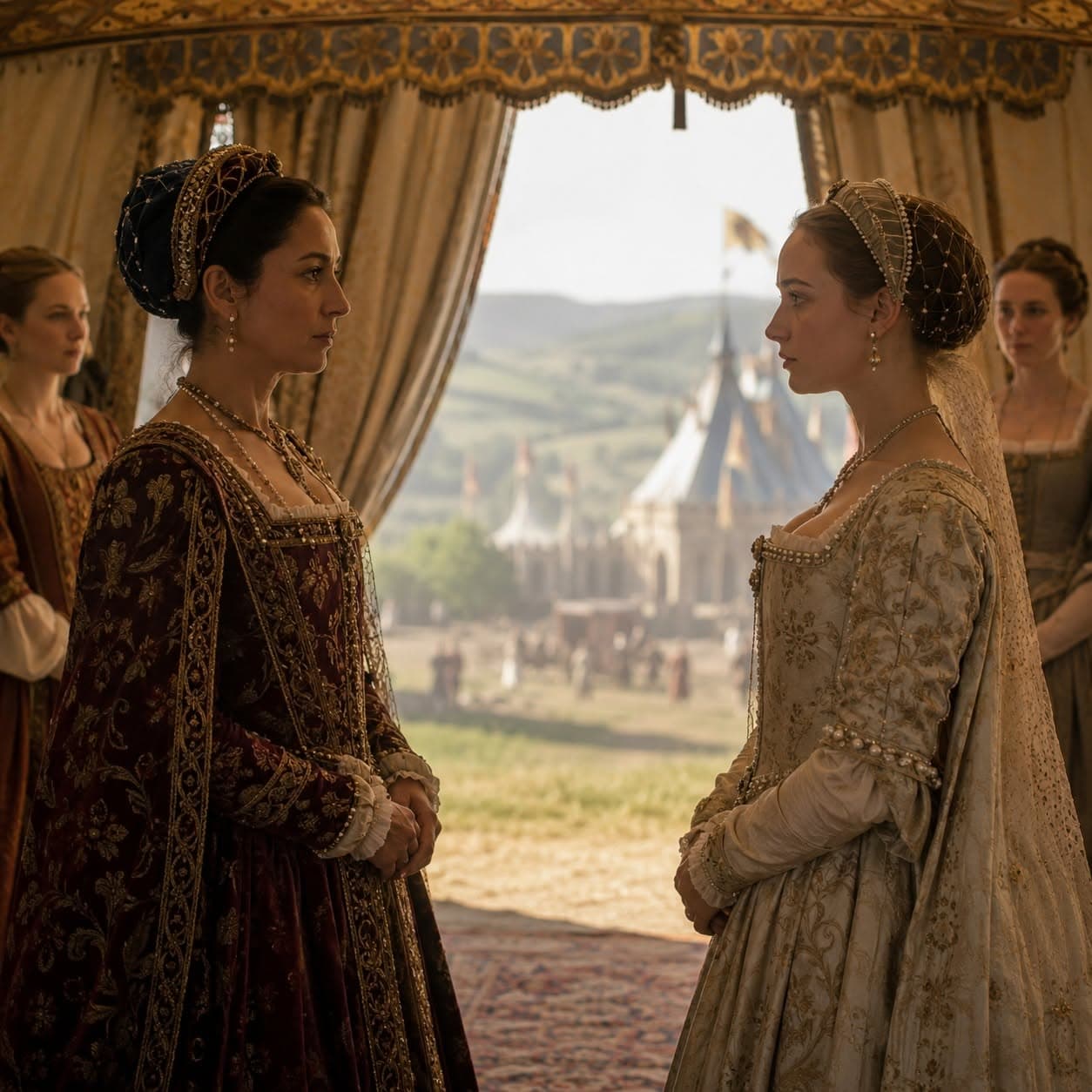
In June 1520 Henry VIII built a palace out of wood and canvas, filled a fountain with wine, and invited the King of France to watch him joust. It cost England nearly half the crown's annual revenue. The fountain ran dry. The cloth of gold was packed away and sold.
She refused to leave. So he had her dragged out by the arms. She spent a decade writing letters that nobody acted on. Then the moment came, and she told them everything.
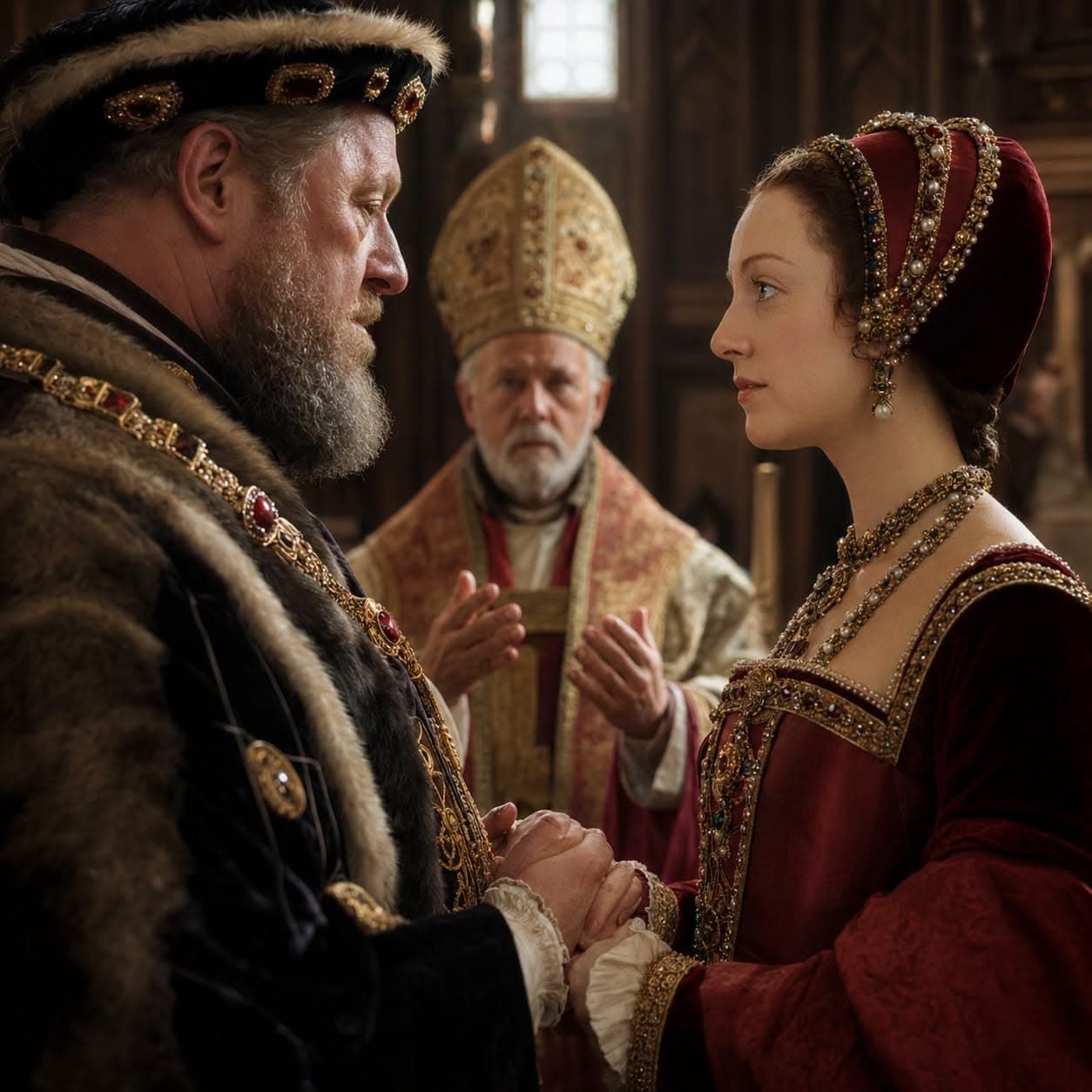
Catherine Parr was already in love with another man when Henry VIII decided he wanted her. She said yes anyway. It was the only way either of them was getting out of it alive.
Rome had already decided the case. Catherine of Aragon was still his wife. Anne Boleyn's marriage did not exist, and the child inside her had just been declared illegitimate before it was born. Henry read the verdict and went on exactly as he had before.
The French Ambassador reported that Anne of Cleves had collapsed in terror when the men arrived and told her that her marriage no longer existed. The men sent to inform her said she took the news without any change of expression. She knew exactly what had happened to the wives who had fought him.
She was seven when her father died and the king sold her wardship to a man who would eventually decide to marry her himself. She was fourteen when that happened. She had no say in it.