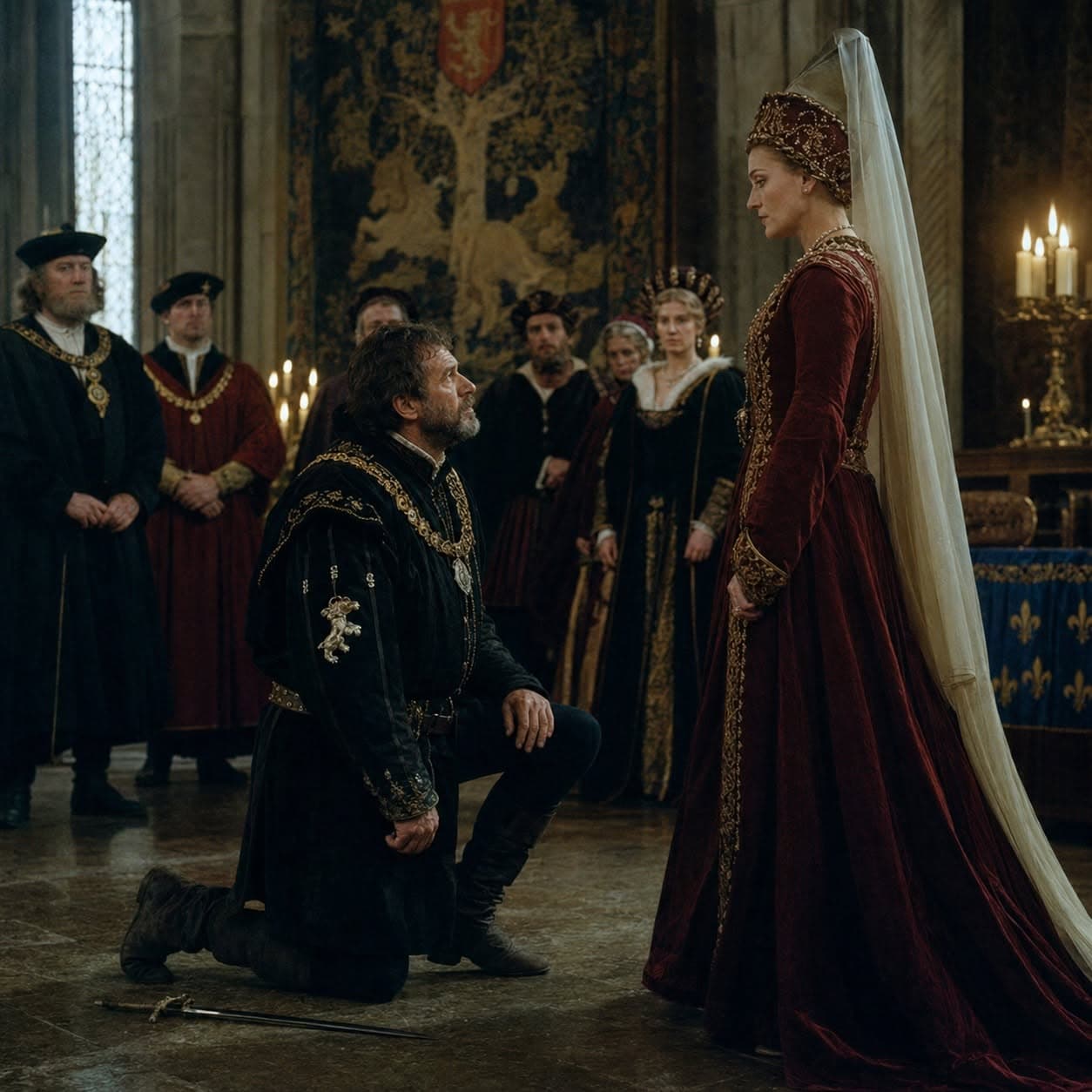
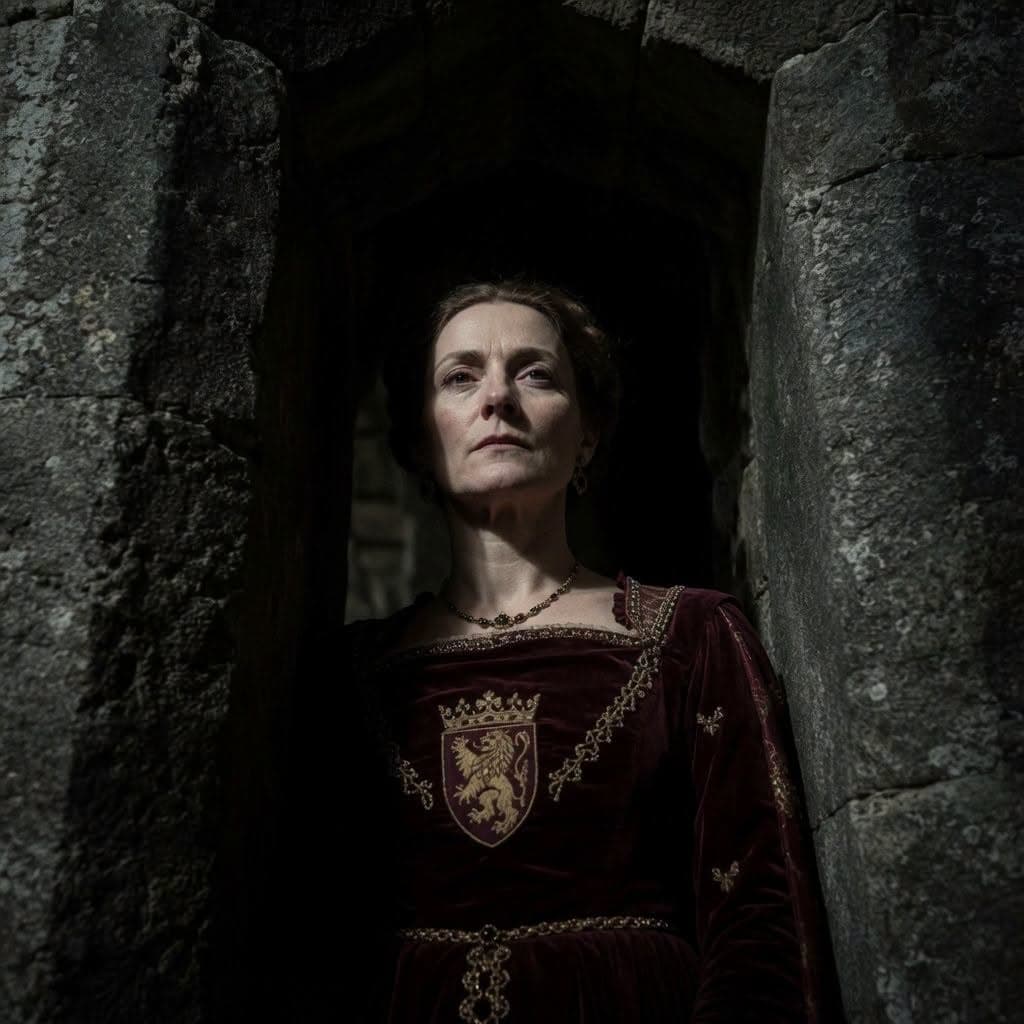
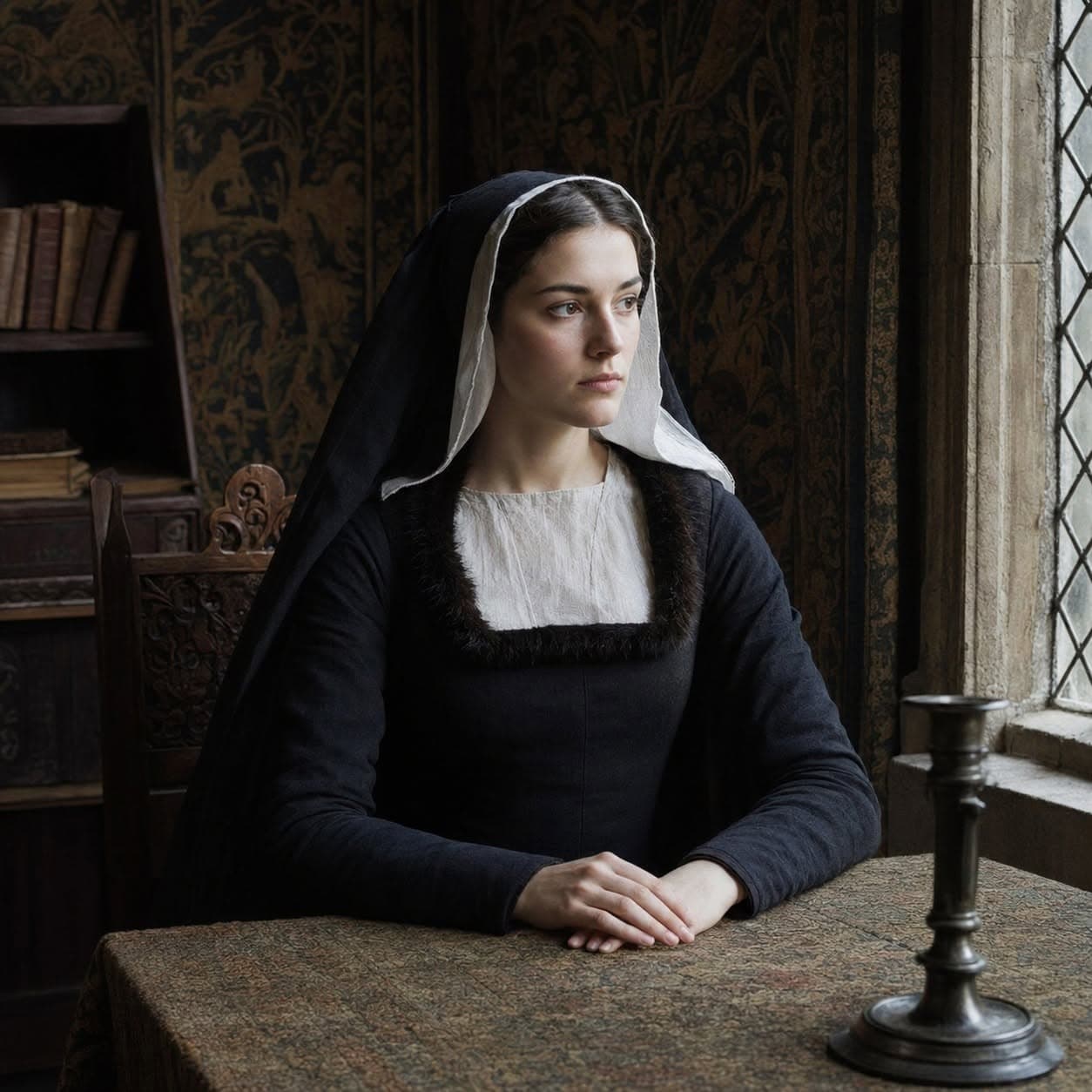
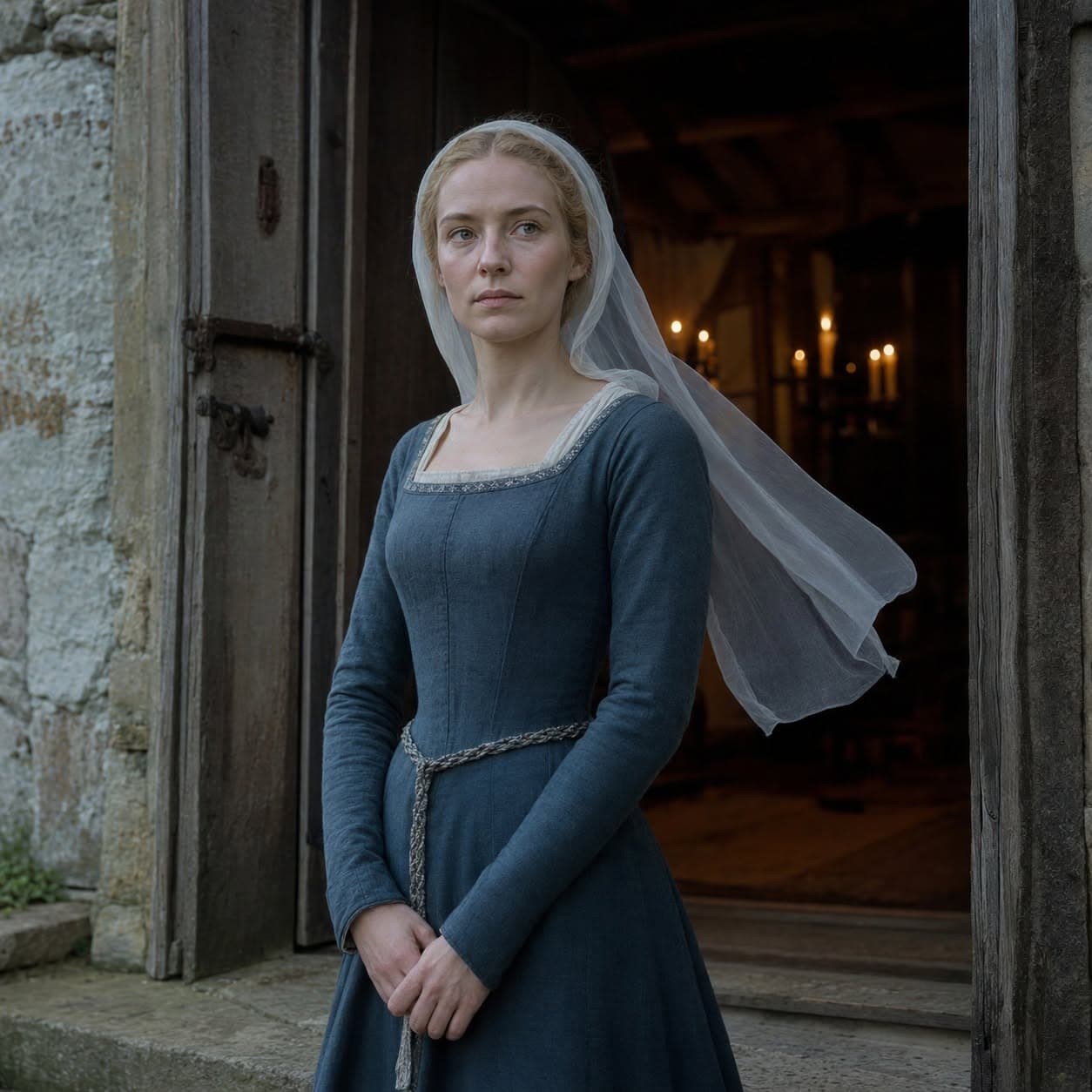
In the summer of 1470 Richard Neville, Earl of Warwick, knelt before Margaret of Anjou in a French court and asked for her help. She had been waiting nine years for someone with an army. He was the man who had made that wait necessary. They both understood what the meeting was. They did it anyway.
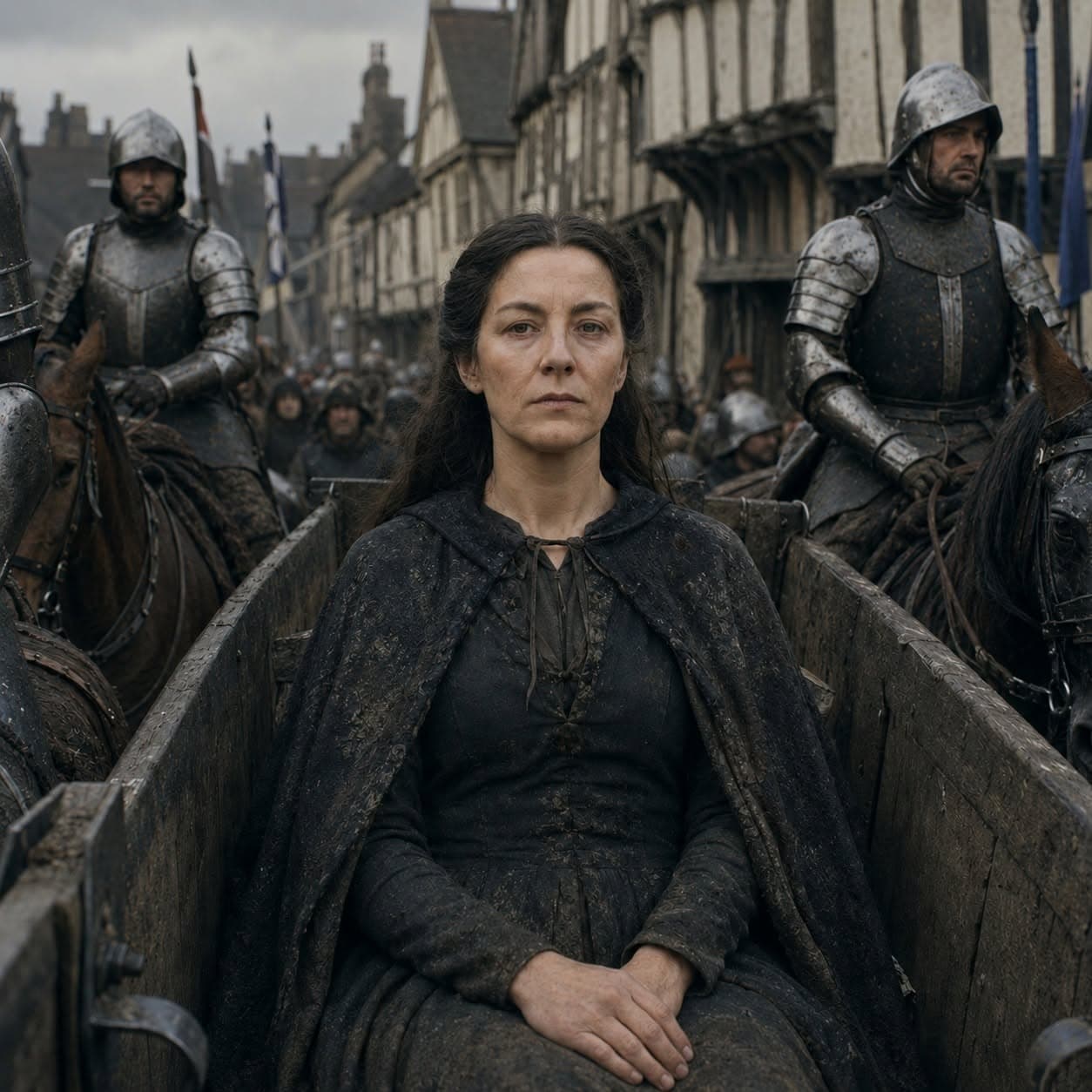
She fought for his crown harder than he ever did. He was buried in an unmarked grave. She was ransomed like cargo and sent back to France to die in poverty.
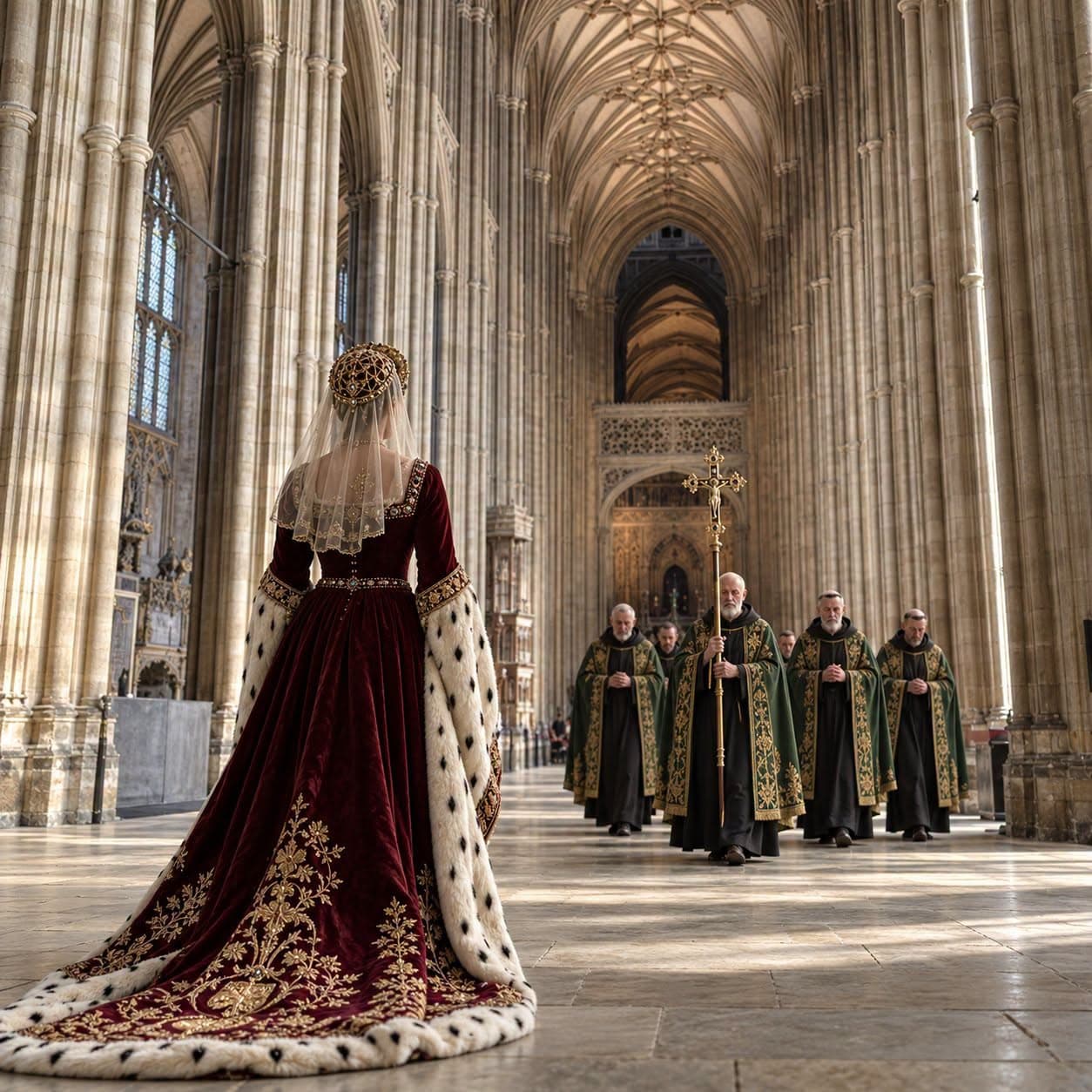
Less than a year earlier, Elizabeth Woodville had entered a great church as the pregnant wife of a deposed king seeking sanctuary. On 28 September 1471, the monks of Canterbury Cathedral came to the door to receive her as queen.
Parliament declared her dead in 1474. She was forty-seven years old, in good health, and had approximately eighteen more years to live. The act required no evidence of death because her death was not the point. Her estates were the point. She was simply in the way of them.
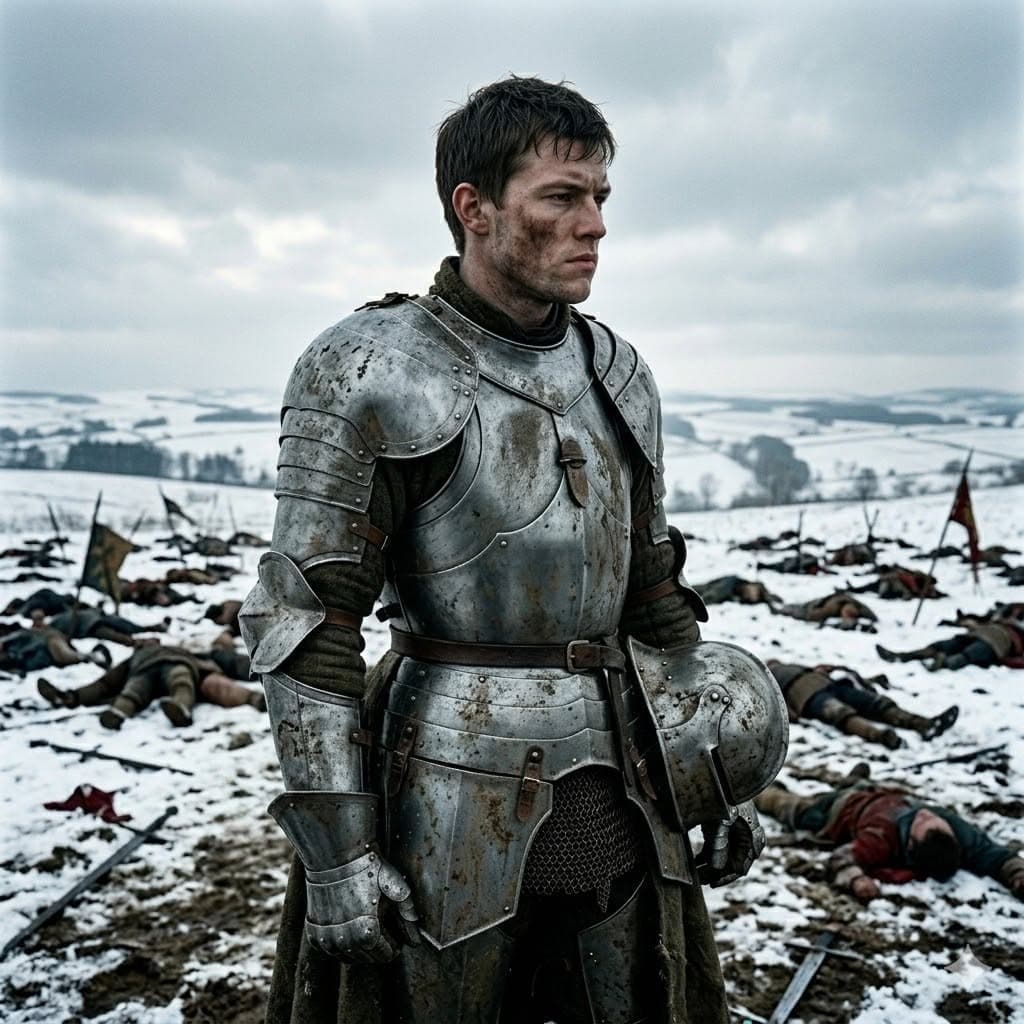
He was a prince of the blood in a dynasty that had no use for princes of the blood who were not the king. His brother wore the crown. He carried the blood. He spent his entire life trying to close the distance between those two facts. He never came close.
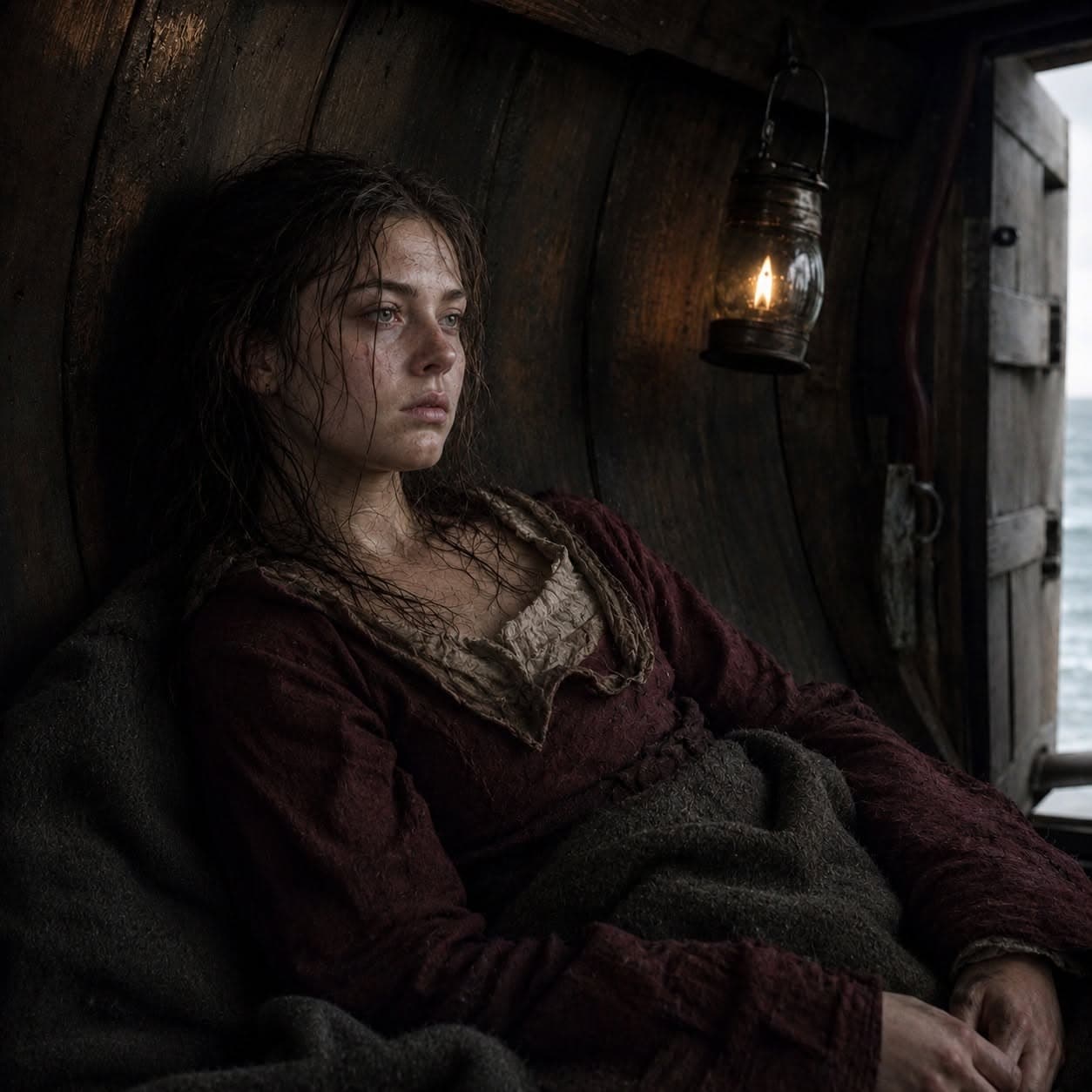
She gave birth on a ship off Calais in April 1470. The captain had refused to let them land. Her father was negotiating. The baby did not survive. The negotiations did.
She made the same choice twice. Her daughter made it once. Between the three of them they changed the succession of England. Nobody called it strategy. Nobody had a charge for that.
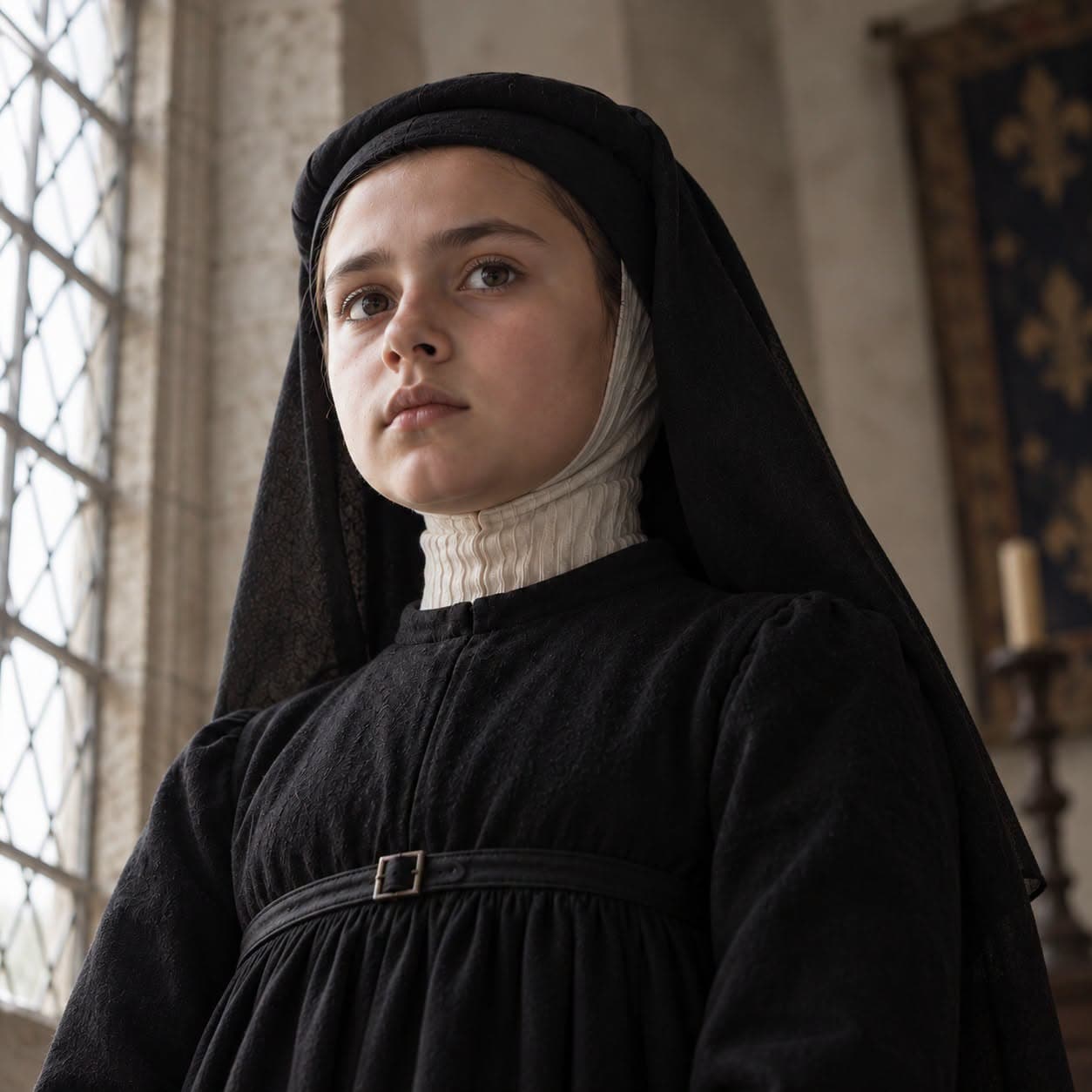
She had been Queen of England. She died in a convent with nothing, having asked for a quiet funeral with no expense. No explanation was ever recorded. Henry VII never gave one.
Her father sold her to the enemy to settle a political debt. The enemy's son was dead within a year. The man she married next may have been in the room when it happened.