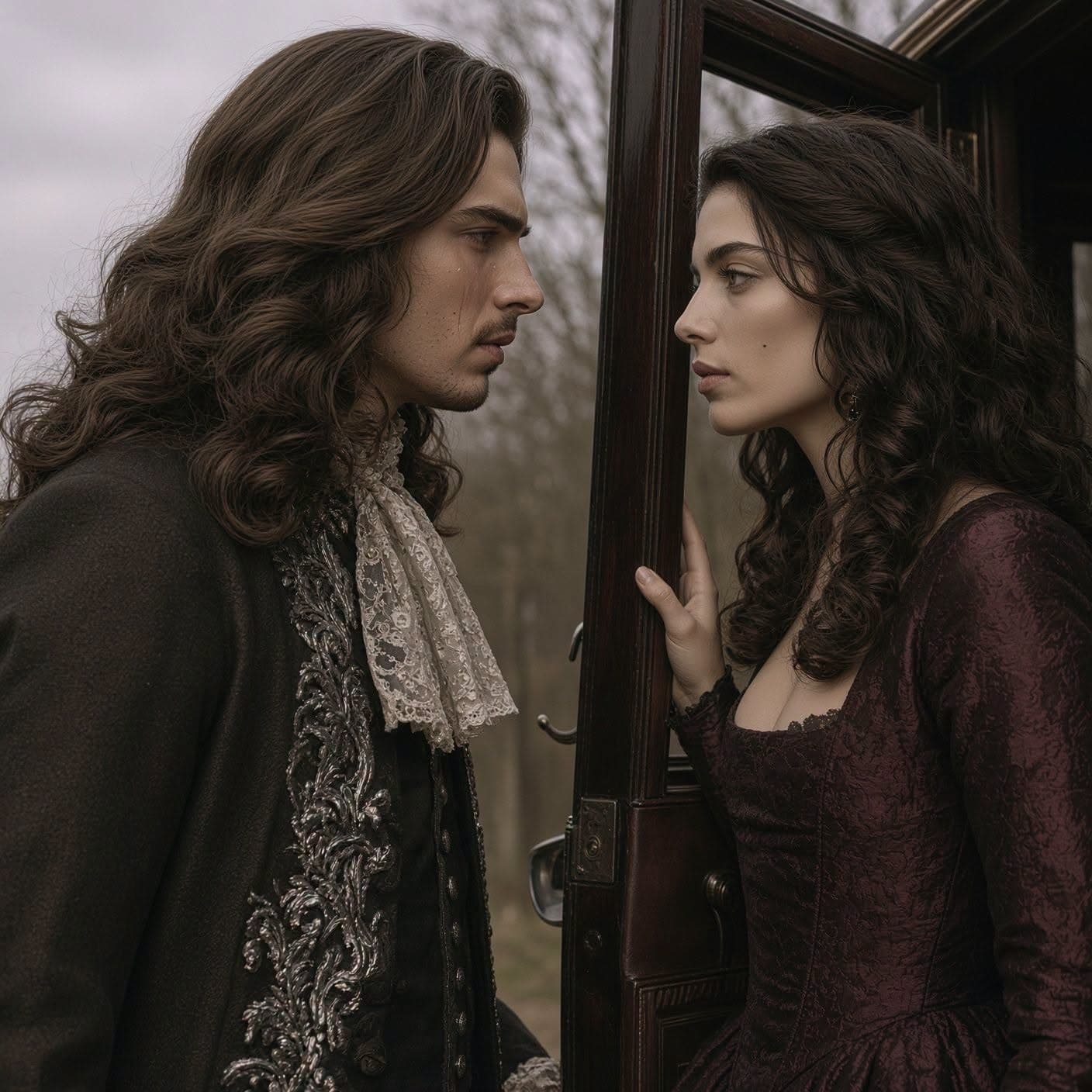
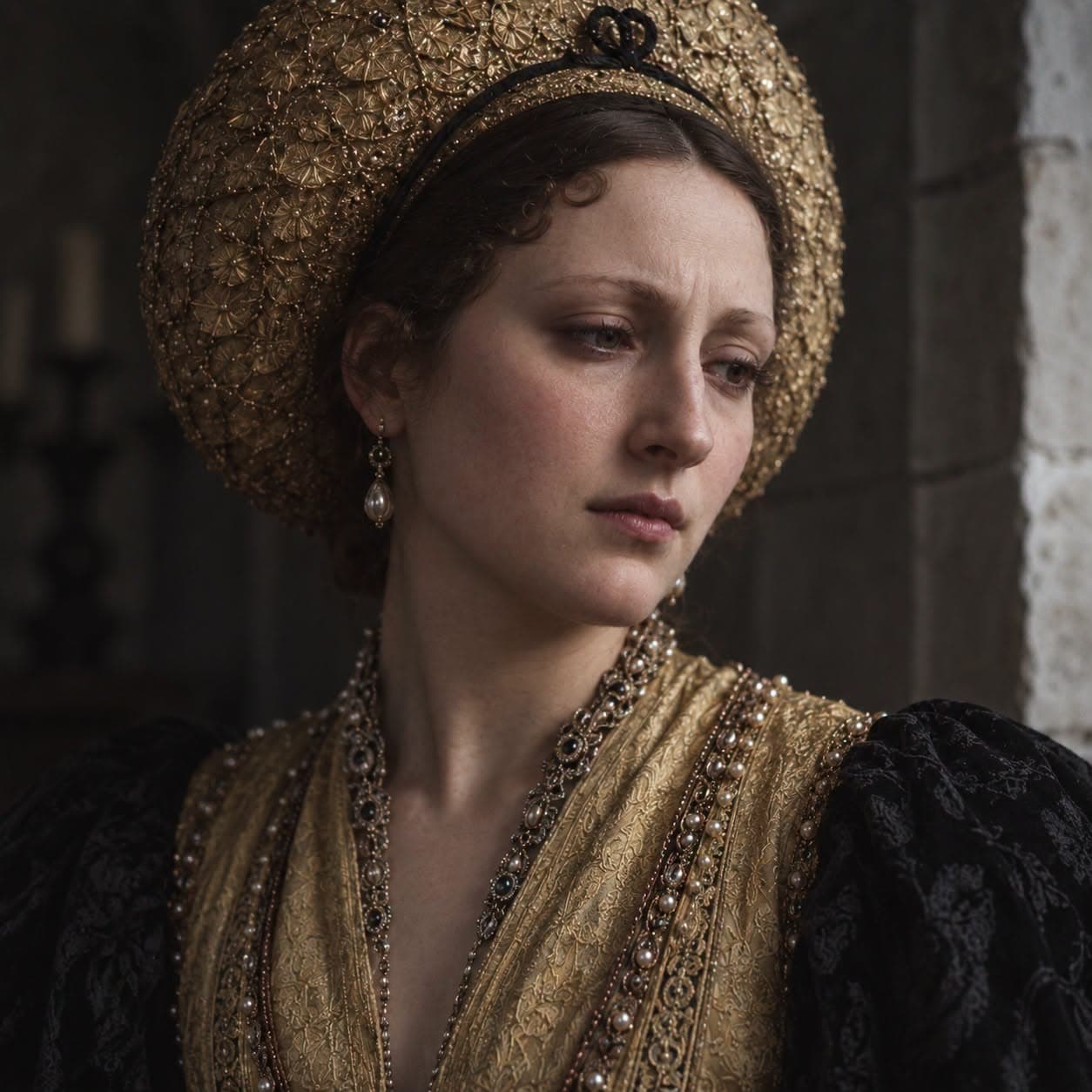
He was the most powerful king in Europe. He wept at the carriage door while she climbed in. You are the king, she said, and you weep. He dried his eyes and married someone else. She spent the next fifty years making sure the record was accurate.
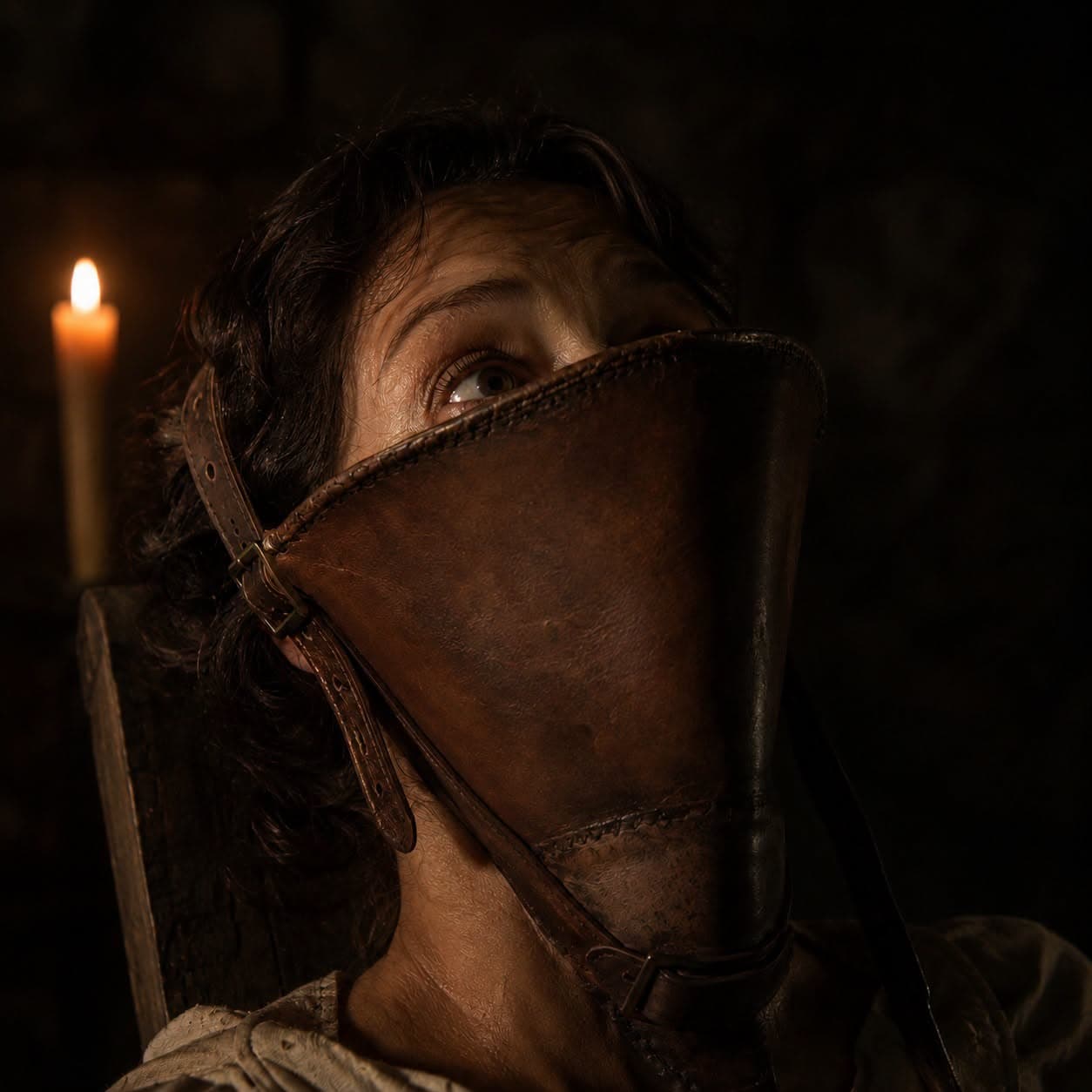
They began with water. At dawn in Paris, a woman was strapped down in the Conciergerie and forced to swallow water until her body became an instrument of pain all by itself. The question extraordinaire was not a hidden act. It was part of the script.
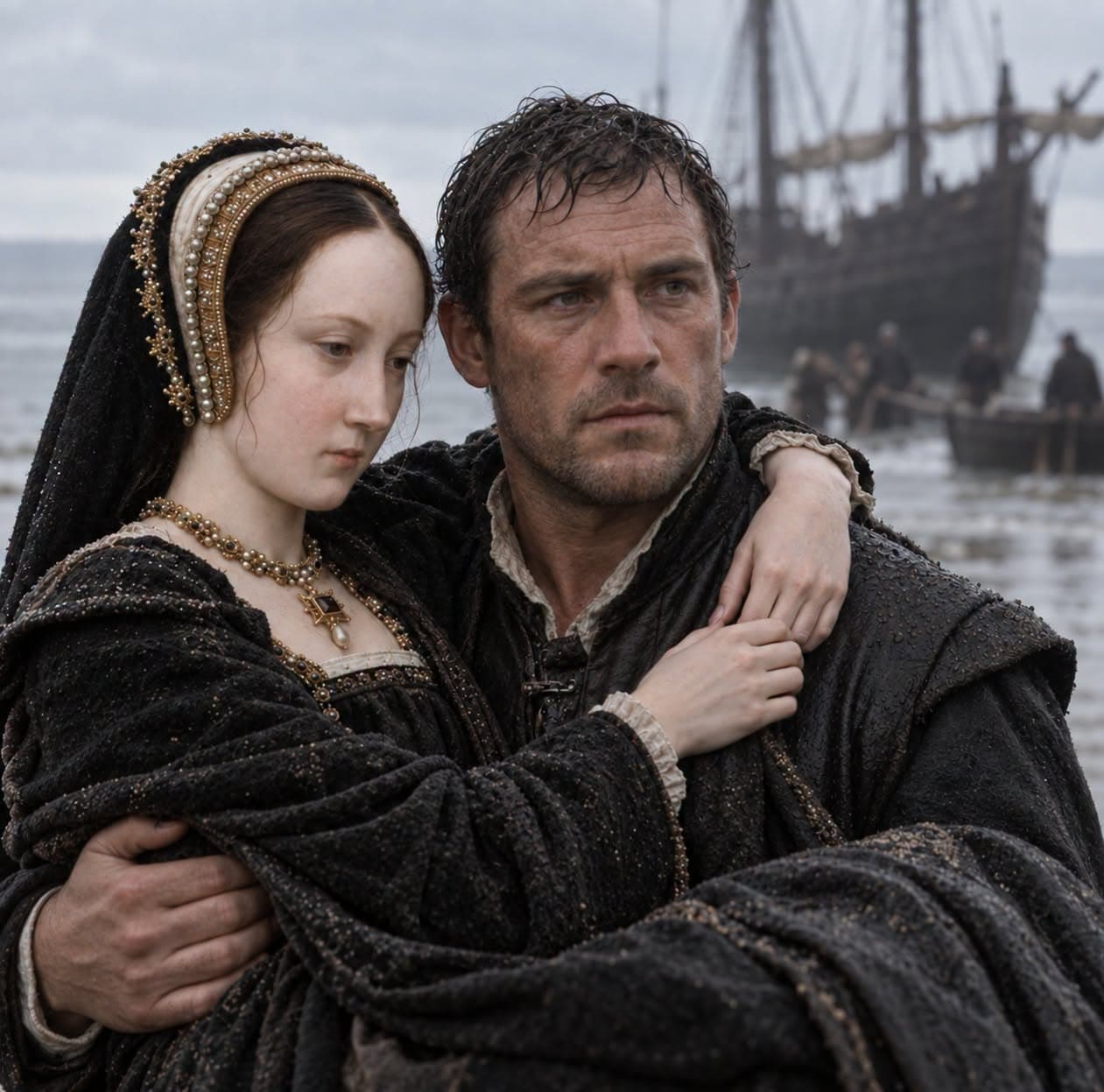
She told her brother she would marry the old French king if he gave her one promise. He promised. She sailed. She kept her word. The question was whether he would keep his.
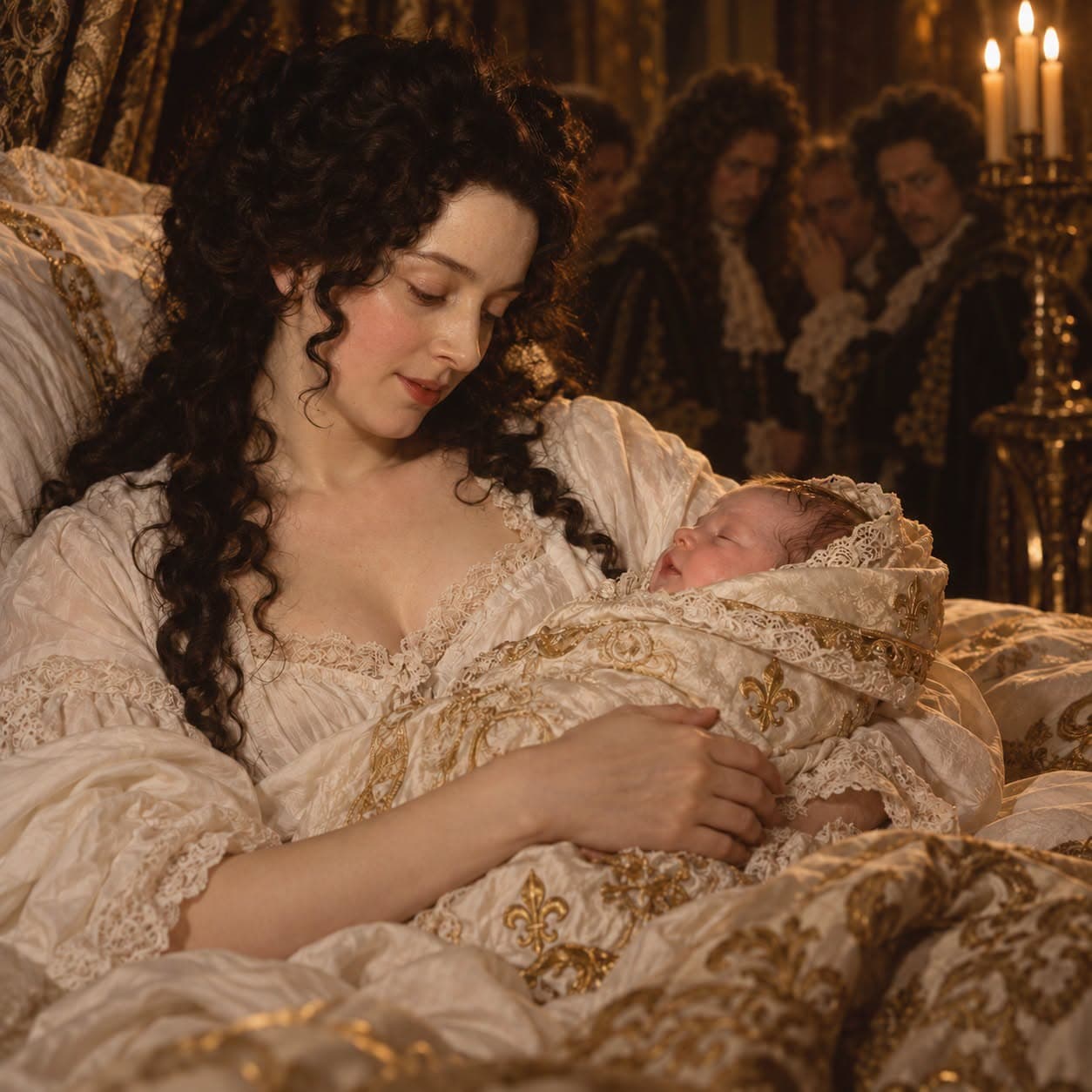
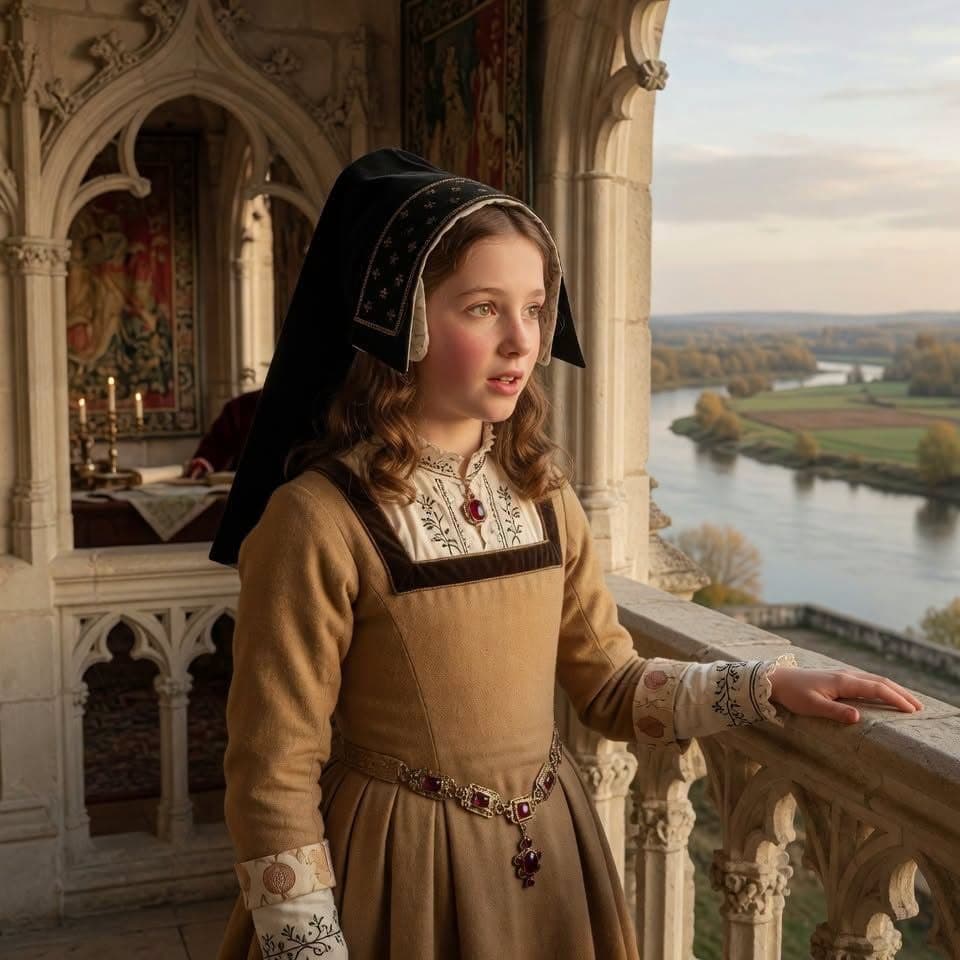
She died at the Château de Blois on 20 July 1524. Her frail body finally broken by the physical toll of delivering seven children in less than eight years. She was twenty-four years old.
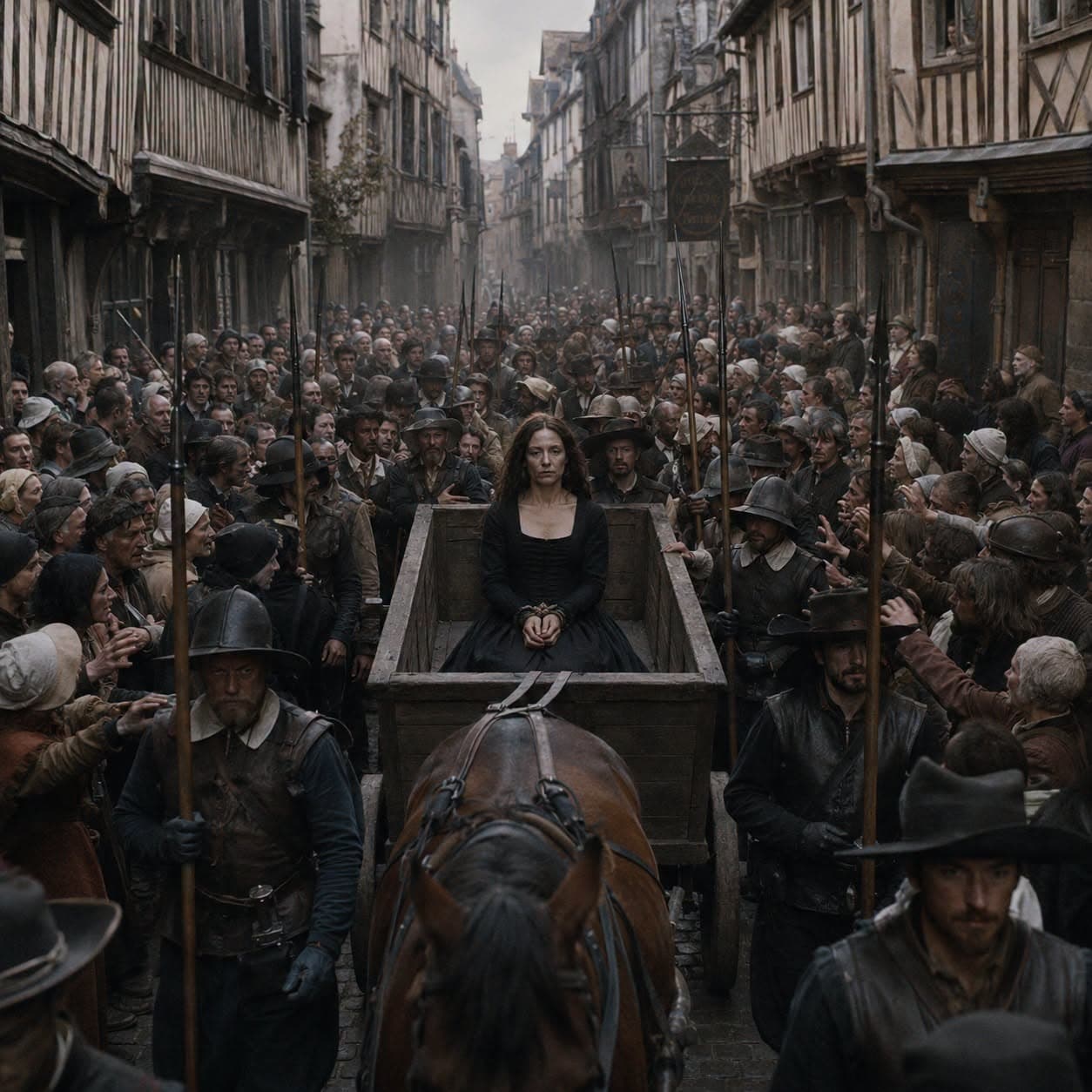
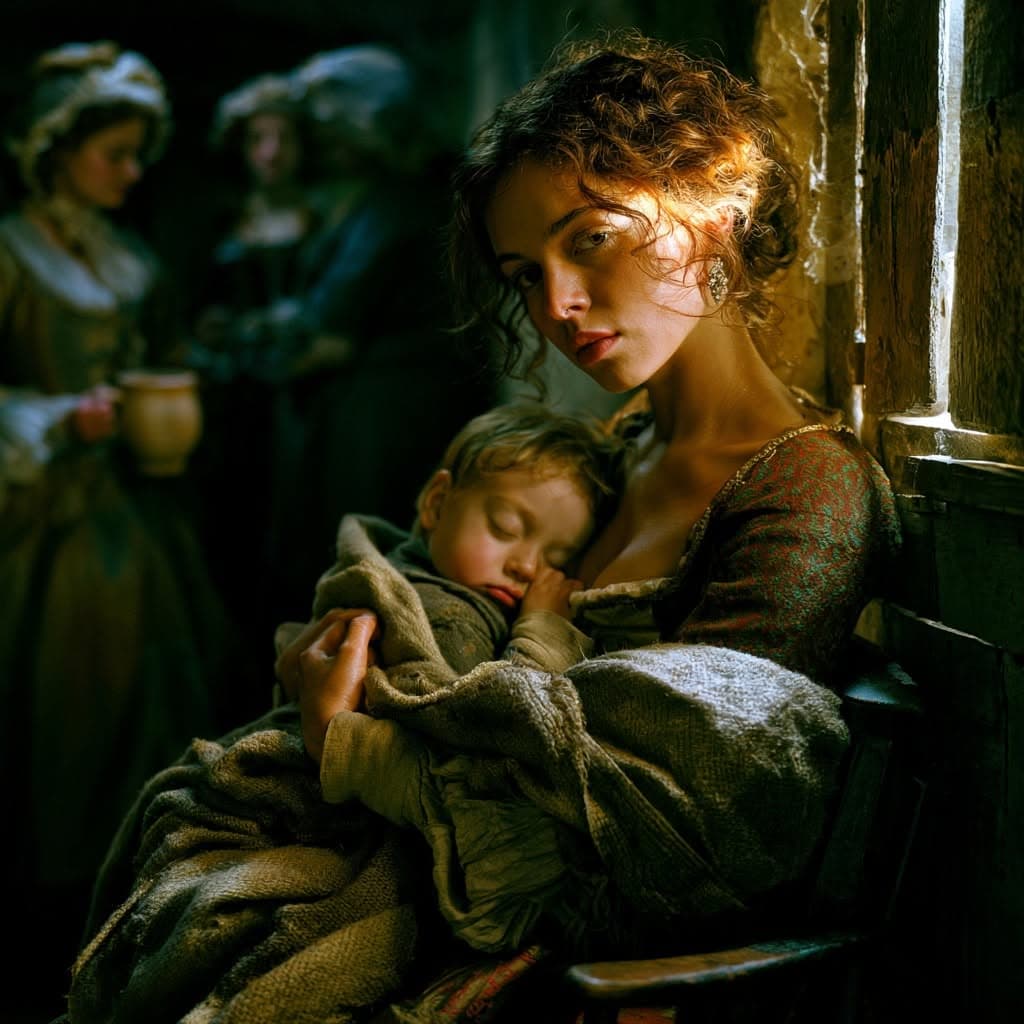
On 8 July 1617, a cart rolled into the Place de Grève in Paris with a woman inside it. She had spent thirty years within reach of the French queen’s hand. The crowd was there to watch a witch die.
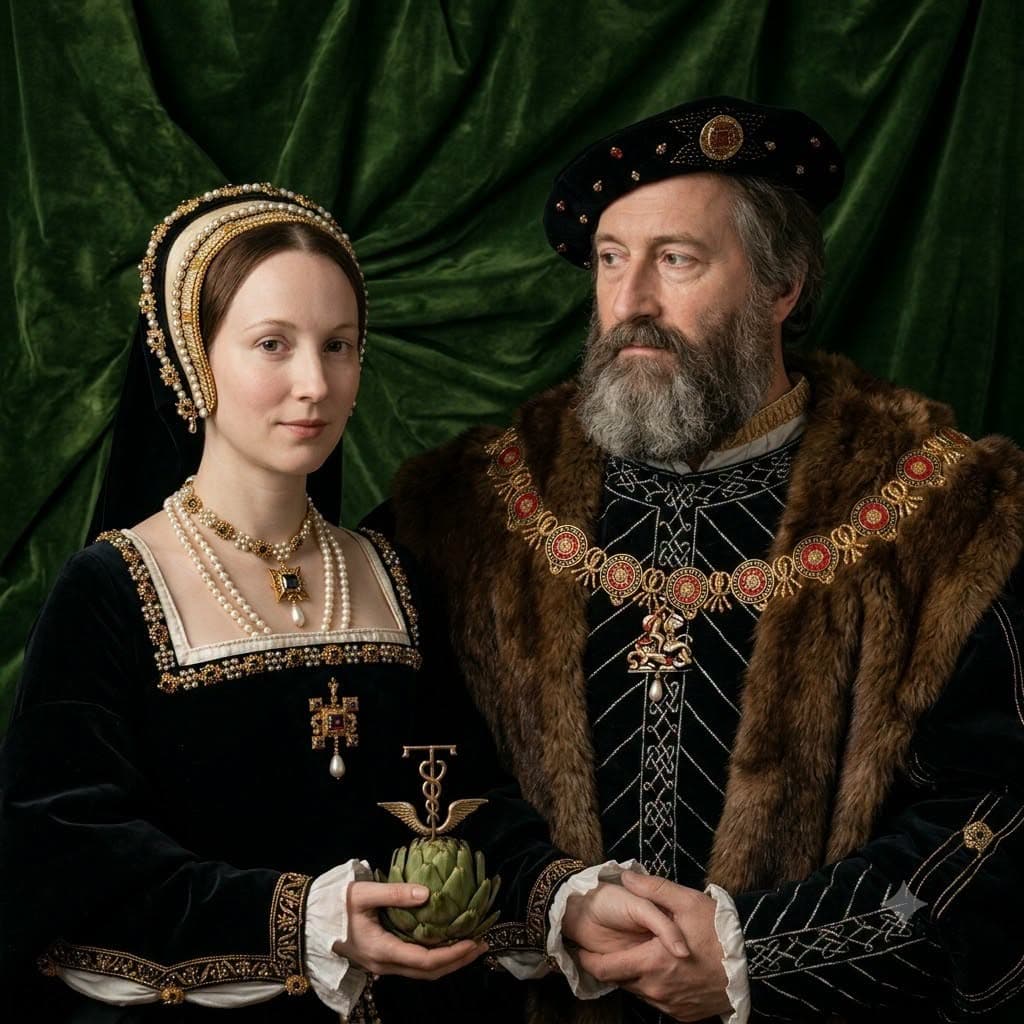
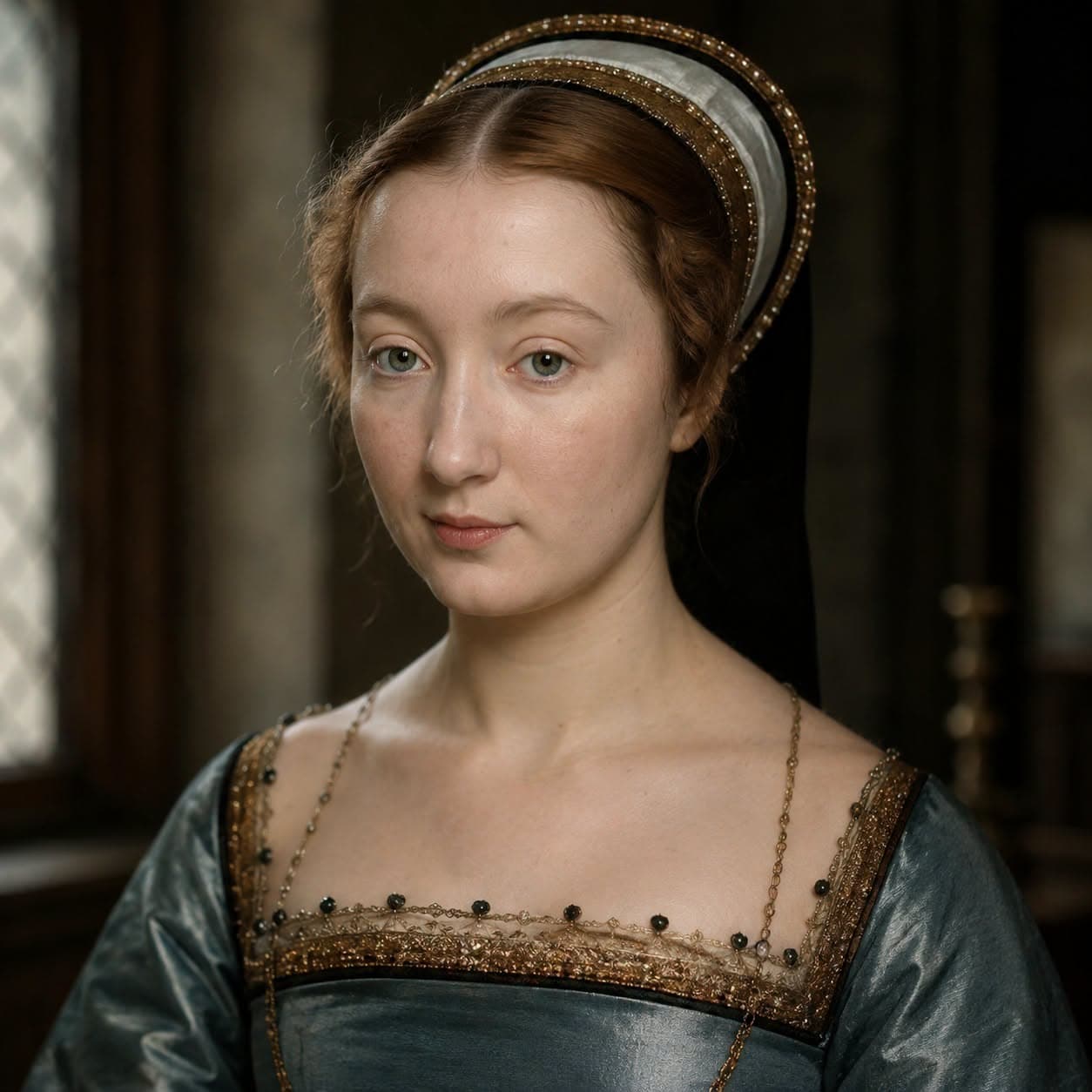
Mary Boleyn was born around 1499 or 1500, the eldest daughter of Thomas Boleyn and Elizabeth Howard, at the family estate of Blickling Hall in Norfolk, and history has spent five hundred years treating her as a footnote in her own sister's story.
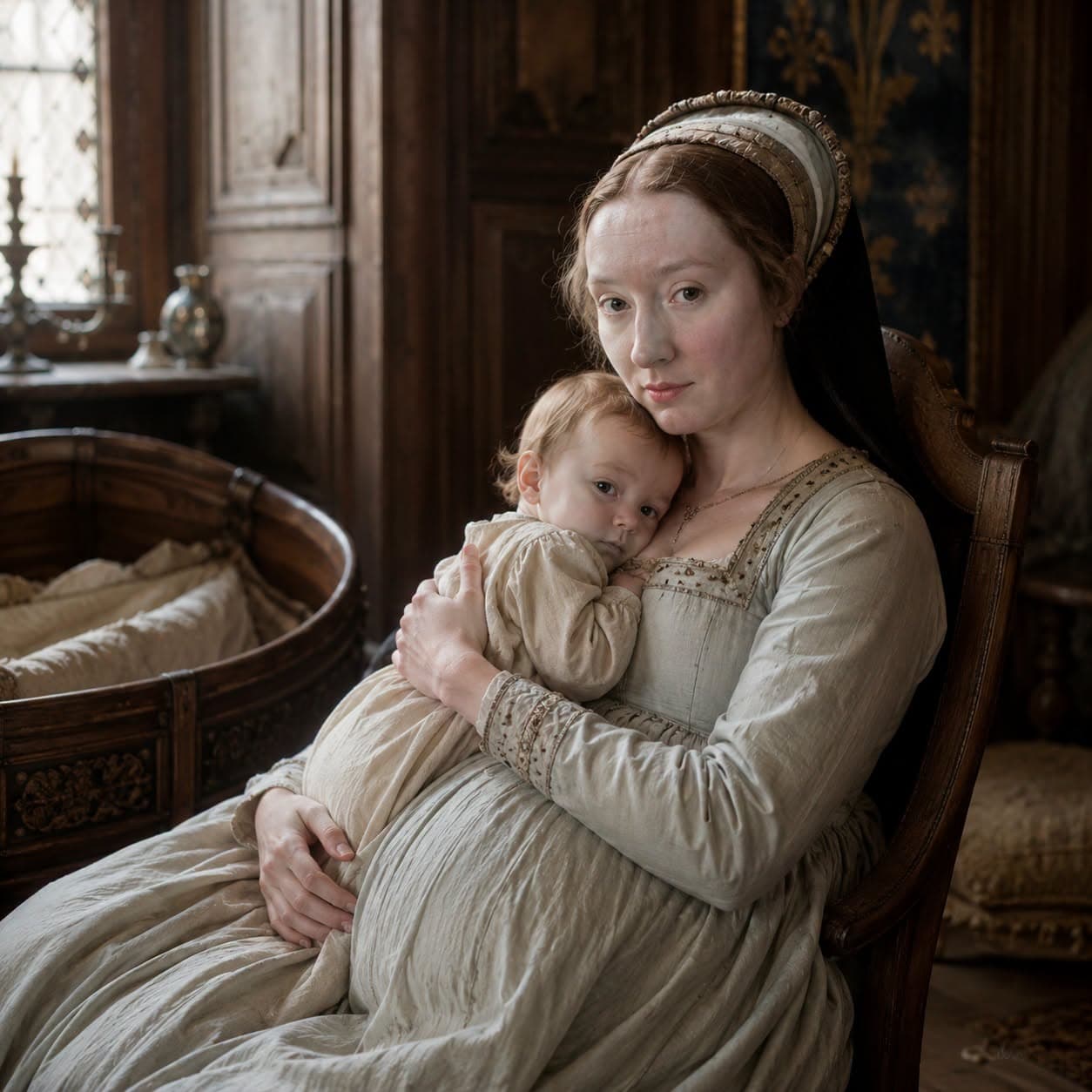
She was betrothed at six. Married at fourteen. Pregnant at fifteen. Dead at twenty-four. In the nine years between her wedding and her death she was pregnant for the majority of them. Nobody asked her about any of it.
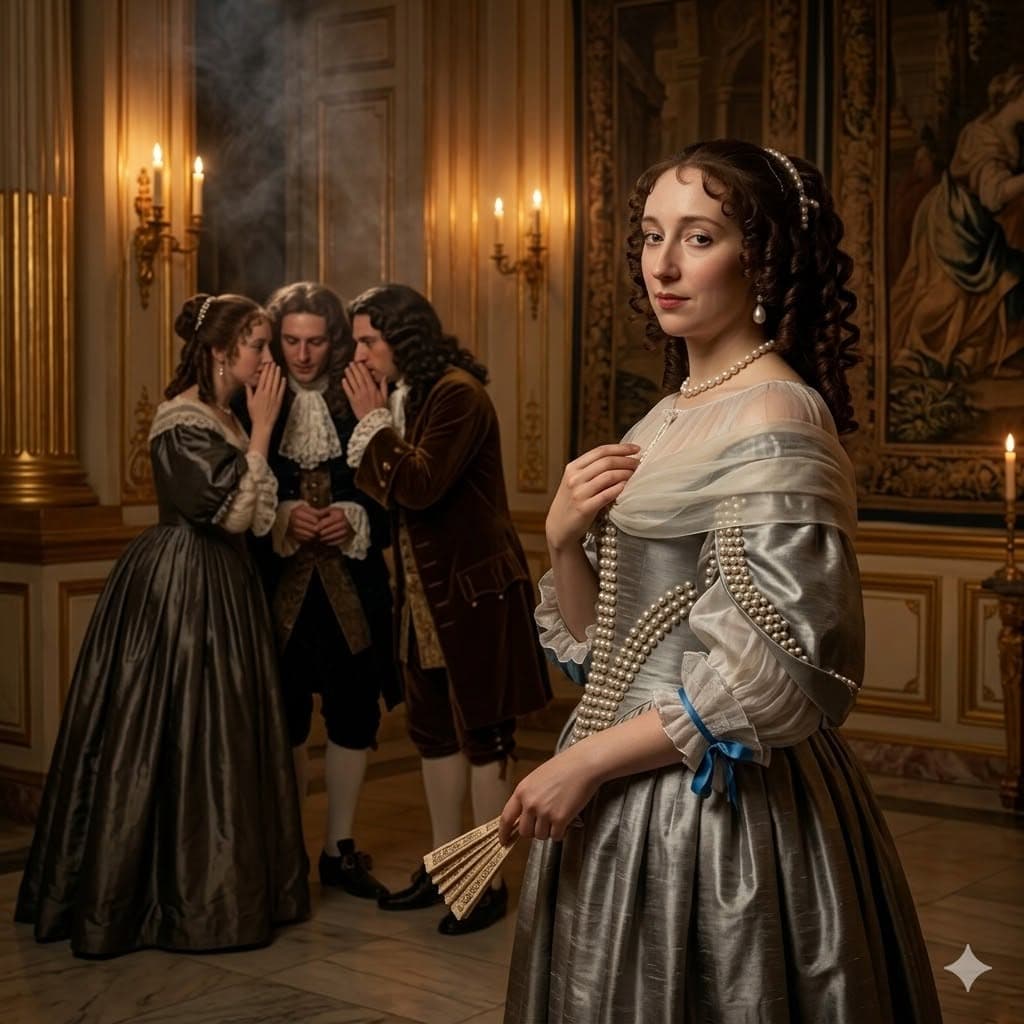
The death of Catherine-Charlotte de Gramont on June 4 1678 brought a quiet end to a life defined by open defiance of her marriage and high-profile romantic liaisons at the French court. She was the daughter of Antoine de Gramont, a Marshal of France, and a grandniece of Cardinal Richelieu. In 1660, she married Louis Grimaldi, the Duke of Valentinois and heir to the throne of Monaco, in an alliance designed to strengthen ties between the French nobility and the sovereign Grimaldi family. When her husband ascended the throne as Prince Louis I in 1662, she became the Princess consort of Monaco.