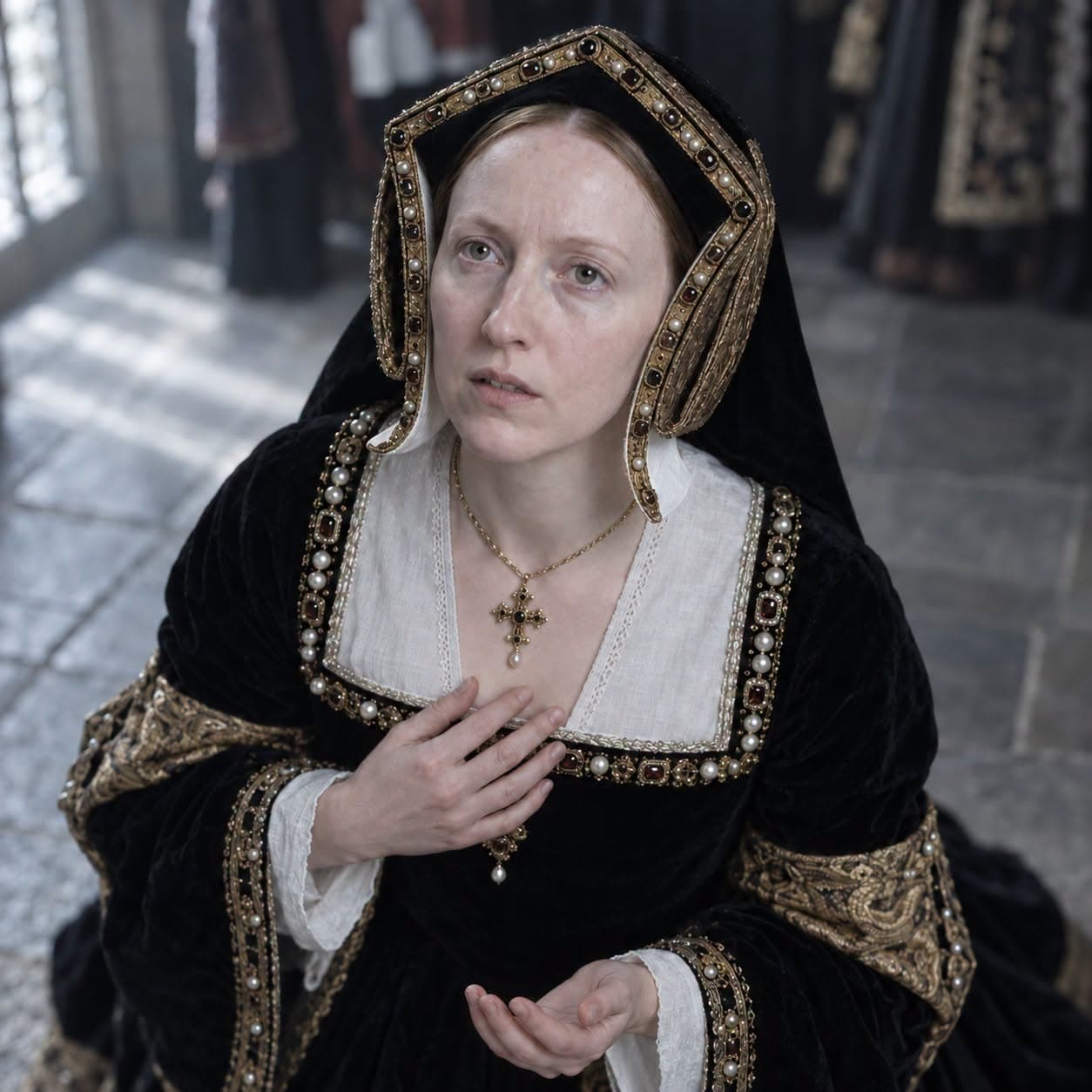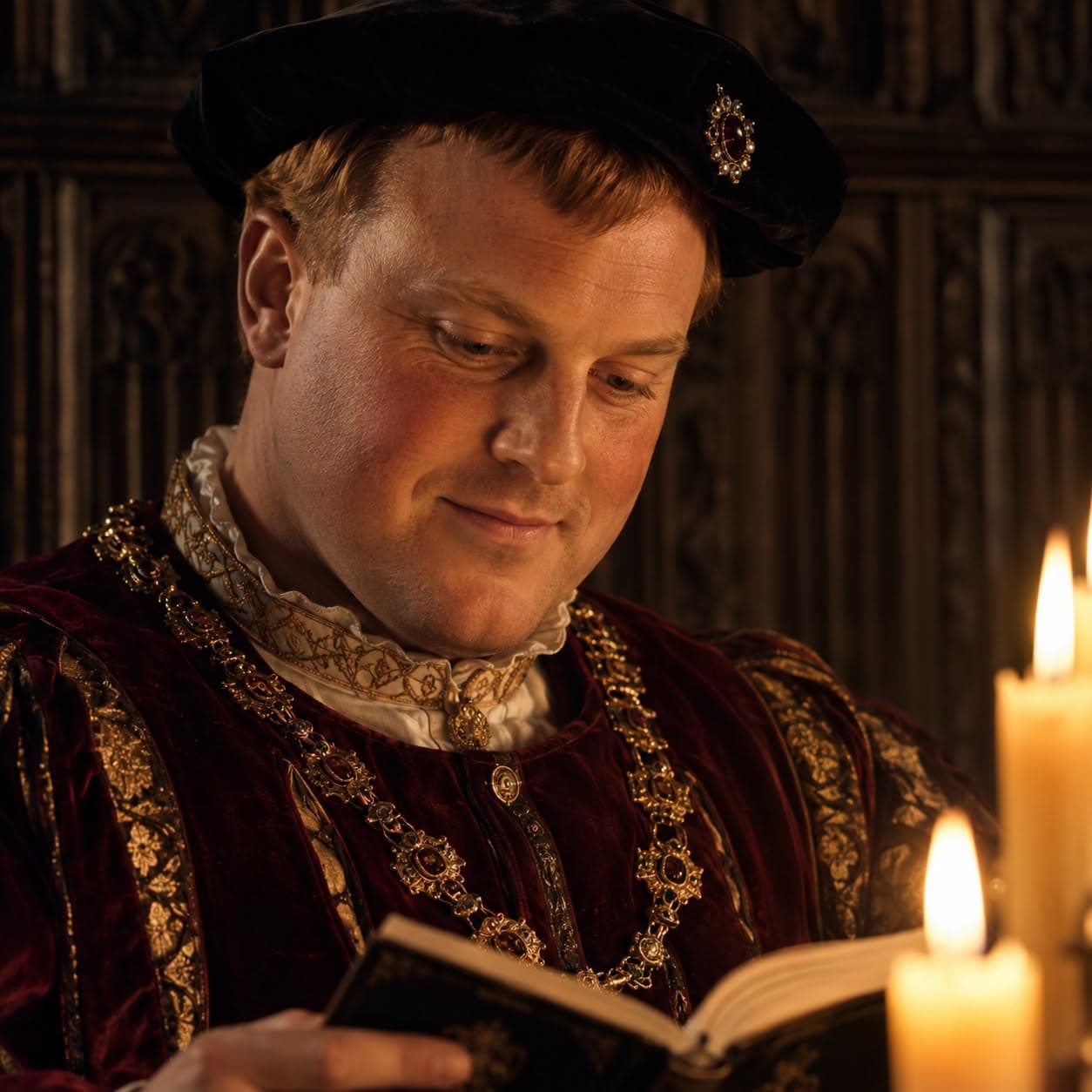
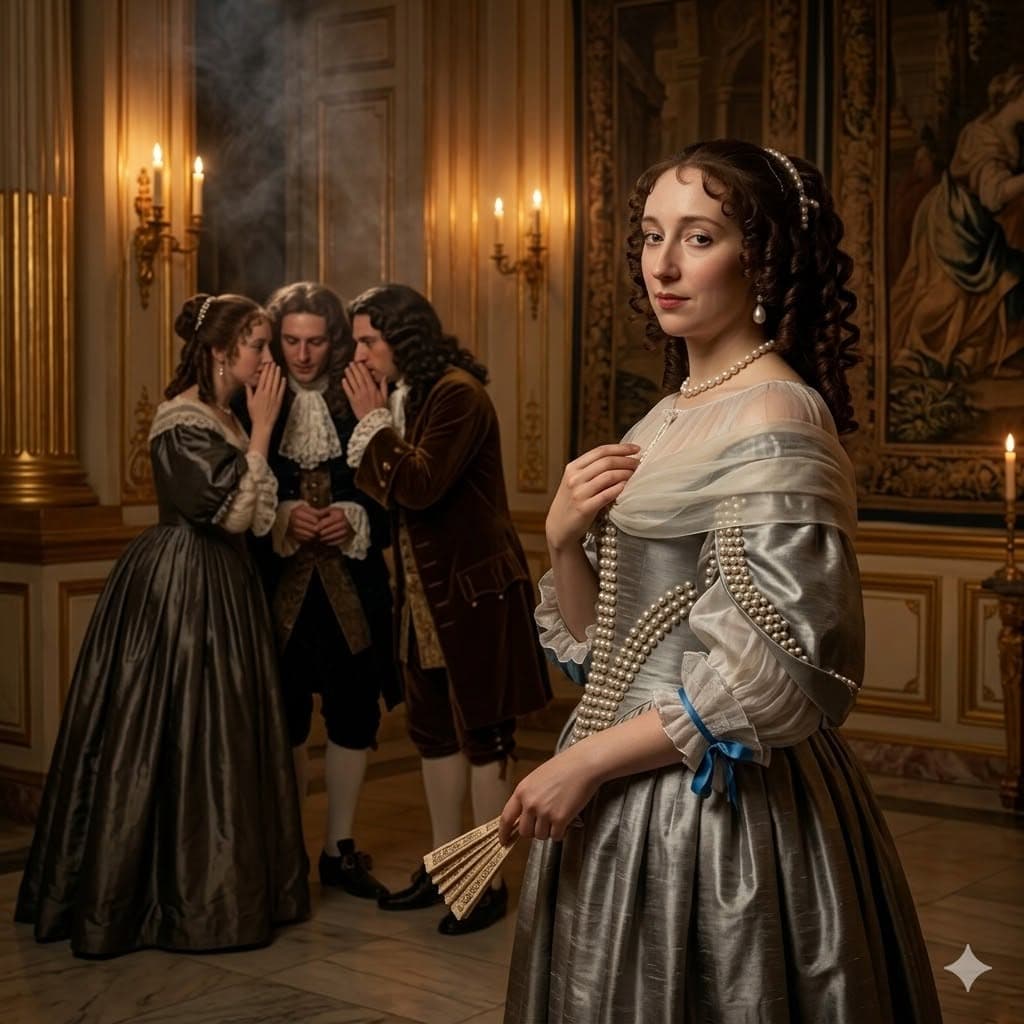
The death of Catherine-Charlotte de Gramont on June 4 1678 brought a quiet end to a life defined by open defiance of her marriage and high-profile romantic liaisons at the French court. She was the daughter of Antoine de Gramont, a Marshal of France, and a grandniece of Cardinal Richelieu. In 1660, she married Louis Grimaldi, the Duke of Valentinois and heir to the throne of Monaco, in an alliance designed to strengthen ties between the French nobility and the sovereign Grimaldi family. When her husband ascended the throne as Prince Louis I in 1662, she became the Princess consort of Monaco.
The transition from the Parisian court to Monaco proved unsatisfactory to Catherine-Charlotte. She openly expressed her displeasure with the principality, which she viewed as an isolated coastal outpost consisting of a castle and a small village. After fulfilling her dynastic obligations by giving birth to several children, including the future Prince Antoine I, she chose to abandon her permanent residence in Monaco to return to the social hierarchy of Paris and Versailles.
Upon her return, she secured a position as a lady-in-waiting at the royal court. Her presence in French aristocratic circles quickly led to numerous publicized romantic involvements. In 1665, during her husband's absence on military duty, she engaged in a short-lived affair with King Louis XIV. This relationship was partly orchestrated by Henrietta of England to distract the king from his current mistress, Louise de La Vallière.
Her courtly intrigues extended beyond the king to her cousin, the Duke of Lauzun. This particular relationship caused disruption at court and irritated Louis XIV enough to have the Duke briefly imprisoned in the Bastille. In 1672, Catherine-Charlotte formally separated from her husband and became the first lady-in-waiting to the new Duchess of Orléans. Her death from cancer at the Palais Royal at the age of thirty-nine concluded a career that highlighted the volatile intersections of dynastic duty and personal autonomy in the seventeenth century.