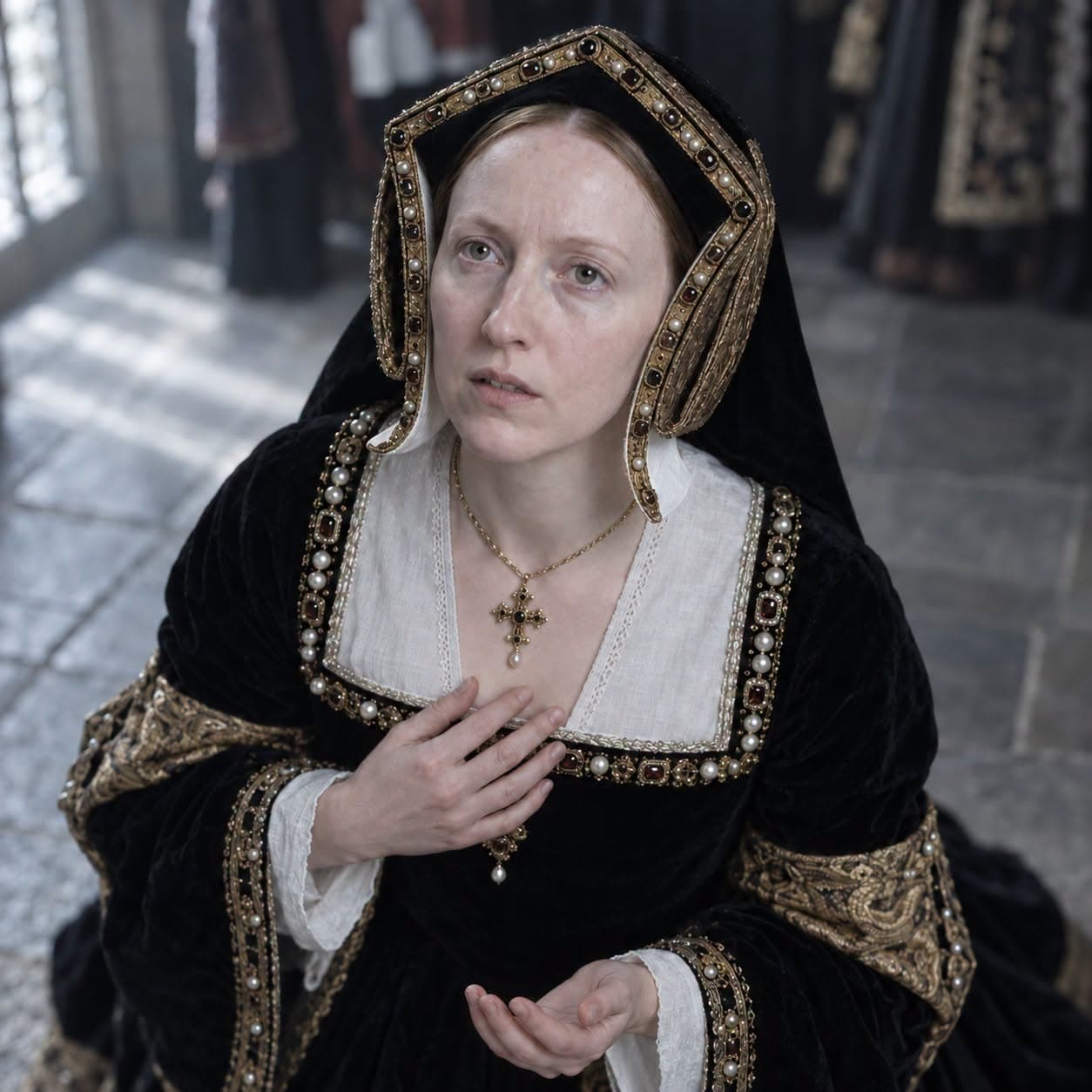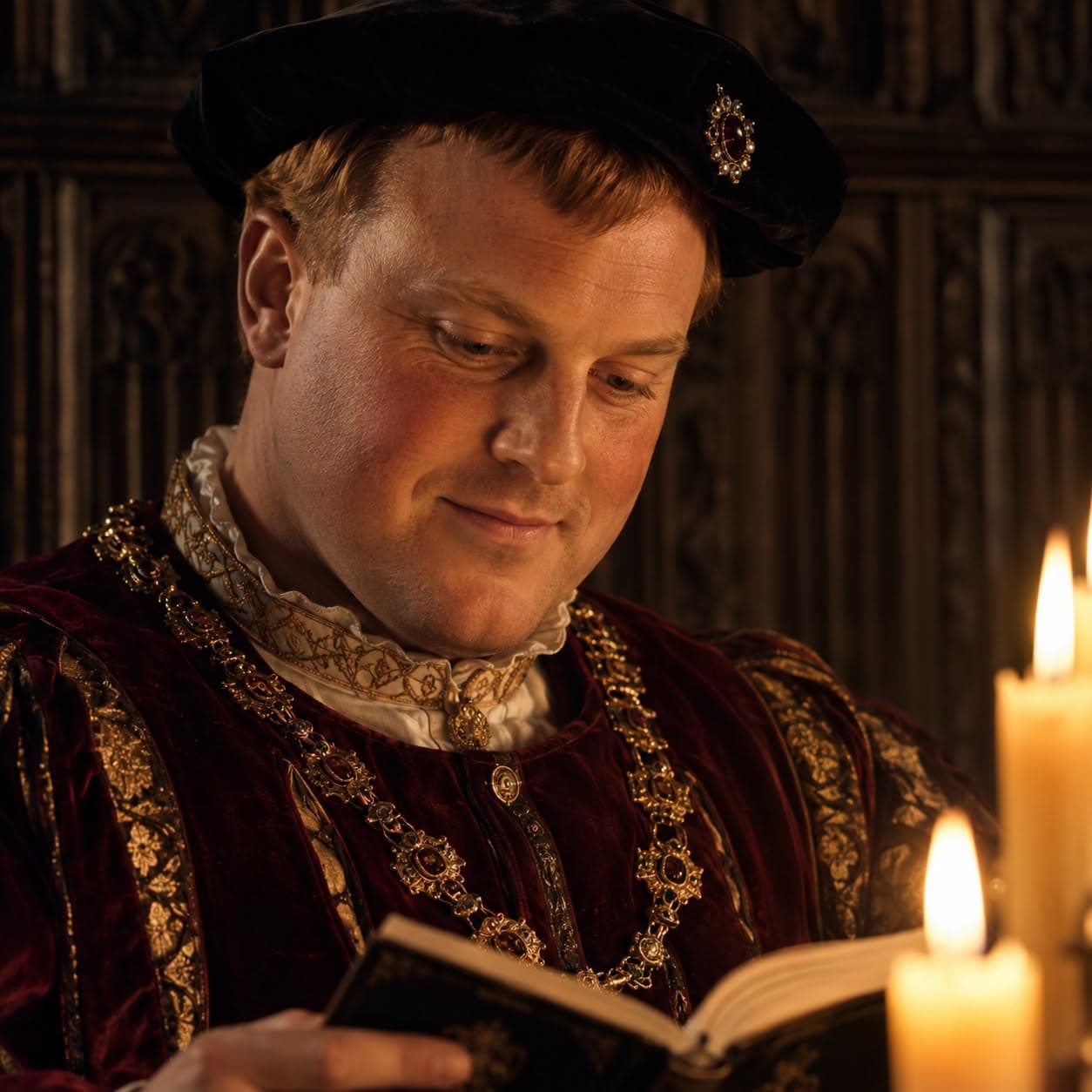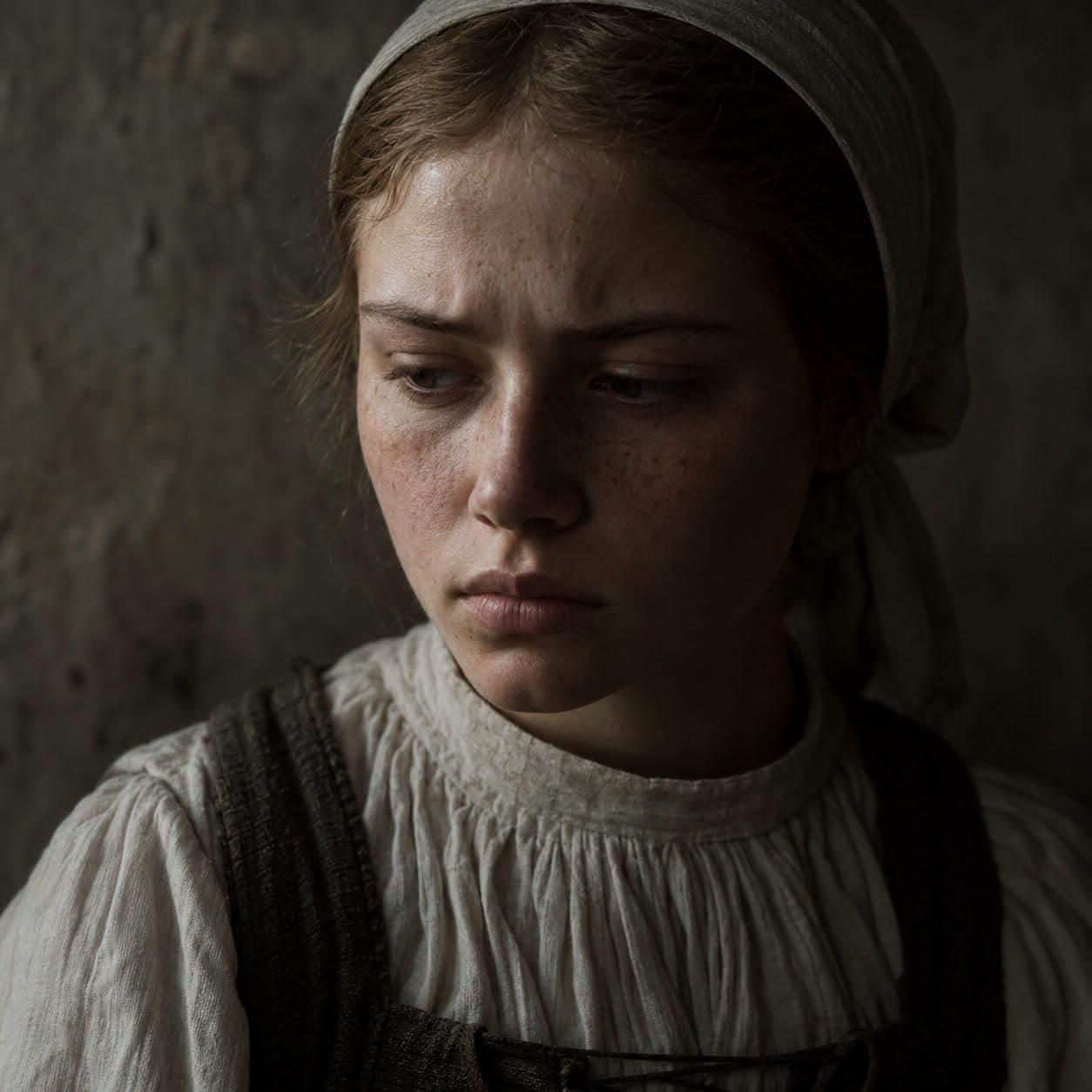
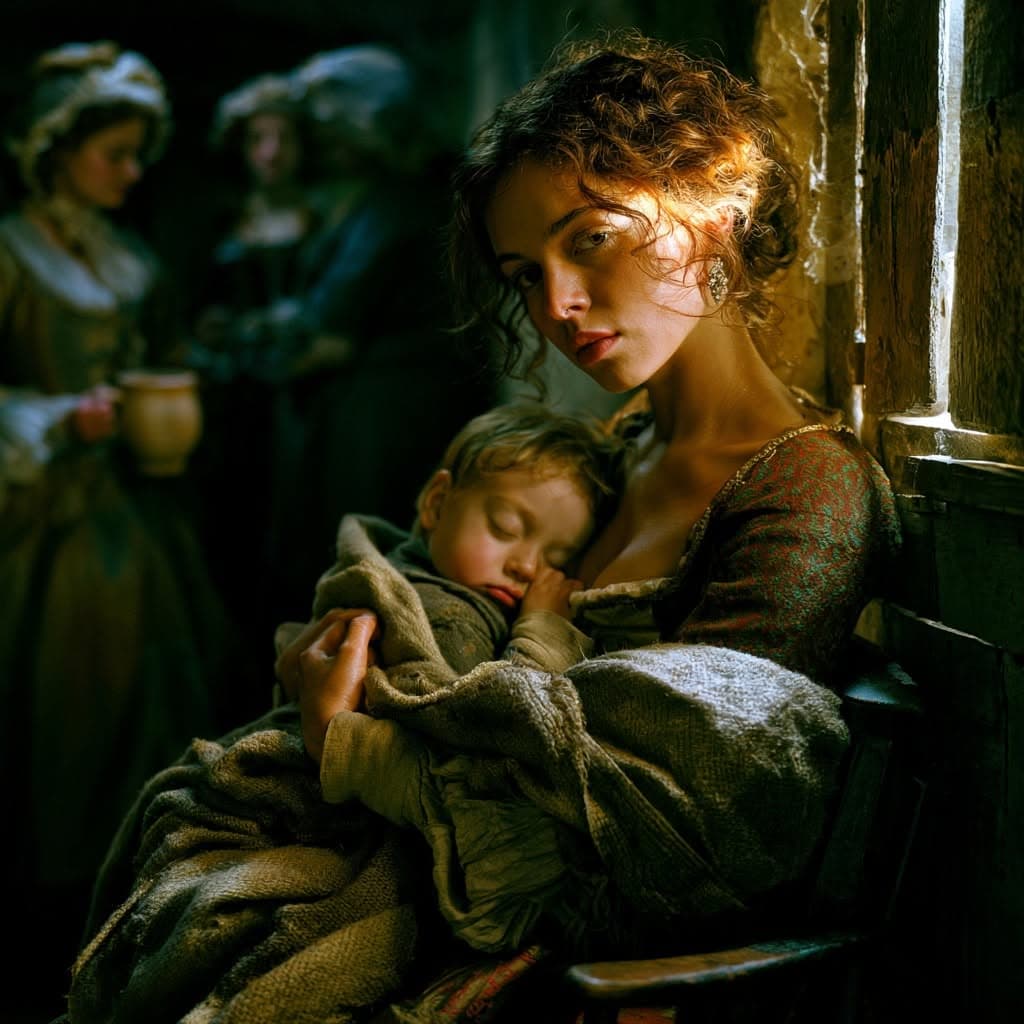
In the winter of 1712, the French royal family died.
Not gradually. Not in the slow attrition of old age and natural succession. They died in weeks, one after another, in the same palace, of the same illness, while the doctors moved between the rooms with their lancets and their basins and their confident understanding of what the body required when it was failing. The Grand Dauphin. The Duke of Burgundy. His wife. Their eldest son. Four people in the direct line of succession to the throne of France, gone before the spring. Louis XIV, the Sun King, the most powerful monarch in Europe, sat at Versailles and watched his dynasty empty out around him.
One child remained.
Louis, Duke of Anjou, was two years old. He had survived the measles that killed his brother and his parents, survived it in the way that small children sometimes survive things that destroy everyone around them, without explanation and without guarantee. He was the last direct heir. He was the thread on which the Bourbon succession, and with it the stability of France and the balance of power across Europe, now entirely depended.
The doctors came for him.
They had already bled his older brother. This was not negligence or malice. It was medicine, the medicine of the early eighteenth century, which understood the body as a system of humours requiring balance and understood fever as evidence of an excess that needed draining. They bled patients because they had always bled patients, because the theory was settled and the practice was standard and the results were not examined with the attention that the results deserved. His brother had been bled. His brother had died. The connection between those two facts was not, in 1712, the kind of connection that the physicians of Versailles were prepared to make.
They came for the two-year-old with their lancets.
Charlotte de La Mothe-Houdancourt, Duchesse de Ventadour, was the boy's governess. She had watched what the doctors did to the patients they attended during the epidemic. She had watched what happened to the patients they bled. She had formed a conclusion.
She took the child. She took three nursery maids. She closed the door and she did not open it for the doctors.
The room she chose was small. A closet in the palace, some accounts say, a space not designed for habitation but sufficient for the purpose she required it for, which was this: to place a closed door between a two-year-old boy and the men who were coming to drain his blood.
She nursed him herself. She and the three maids managed the fever with the instruments available to women who had raised children and understood what a sick child required without recourse to theory, warmth, fluids, rest, the particular attention of someone who had decided that this child was going to live. She kept the doctors out. She kept them out for as long as the illness lasted. She kept them out against the weight of their authority and their credentials and their position at the most powerful court in the world, because she had watched what their authority produced and she had made a different calculation.
The boy recovered.
Three years later, in 1715, Louis XIV died. He had outlived his son, his grandson, and his great-grandson. The heir he left behind was five years old, the same child who had recovered in that closed room, now dressed in the clothes of a king and placed on the throne of France.
He reigned for fifty-nine years.
Every year of that reign passed through the door that Ventadour held in the winter of 1712. The wars and the treaties and the long slow drift of Bourbon authority toward the crisis that would consume his grandson. Madame de Pompadour and the Seven Years War and the French territories lost across three continents. The philosophers writing in Paris about the rights of men and the limits of kings. All of it, every consequence of every decision Louis XV ever made across fifty-nine years of rule, was downstream of a woman who stood in a doorway in the palace of Versailles and refused to let the doctors in.
She was not a general or a queen or a figure history was designed to remember. She was a governess with three nursery maids and a closed door and a clear view of what the alternative looked like.
She had just watched the alternative kill his brother.
Madame de Ventadour lived until 1744. She watched the boy she had kept alive become a man and a king and she was present at his court for the early decades of the reign she had made possible. Whether she understood the full weight of what she had done in that room, whether she thought of it as a decision at all or simply as the thing that needed doing, is not in any record that survives.
The child survived. The dynasty continued. The door held.
That is what the record has.