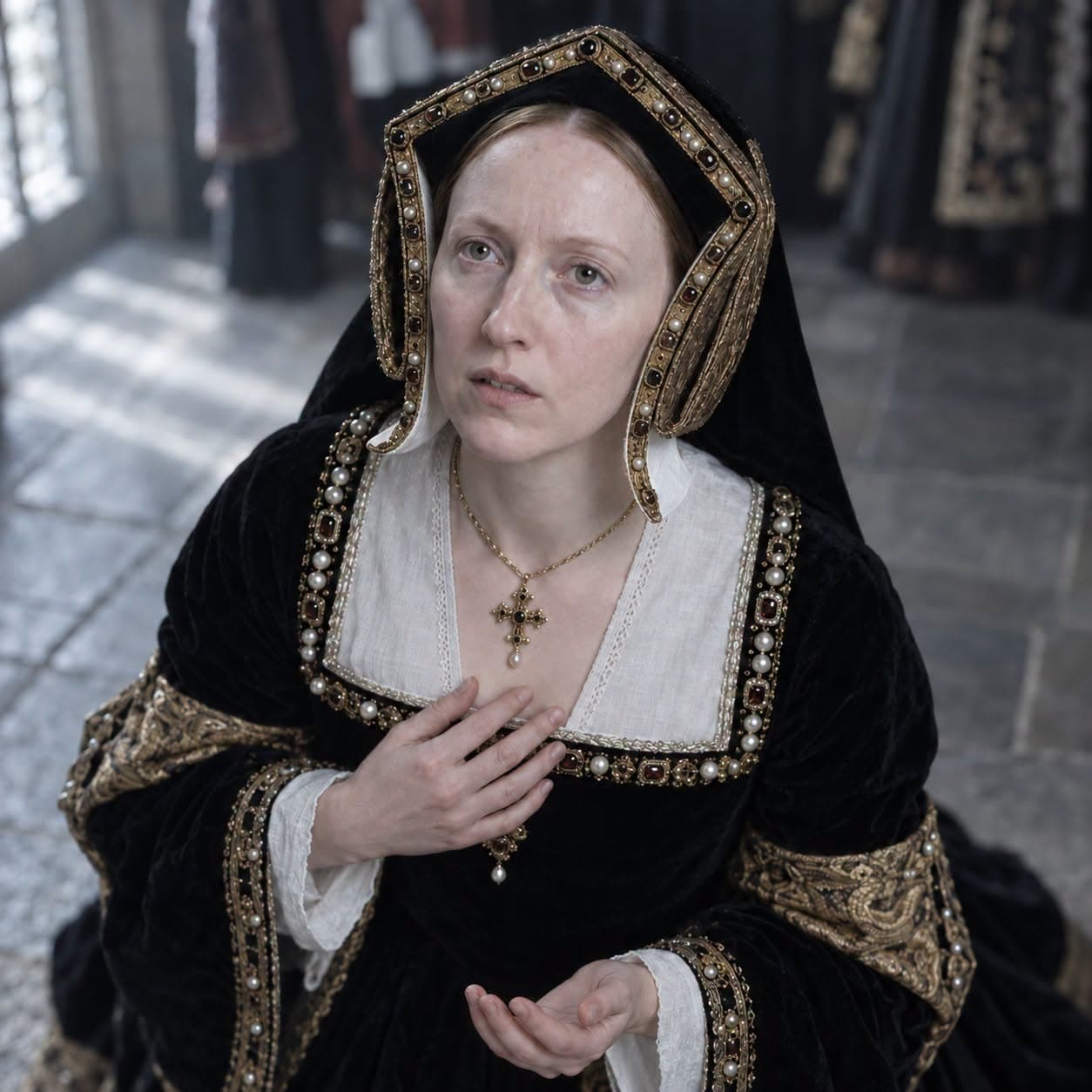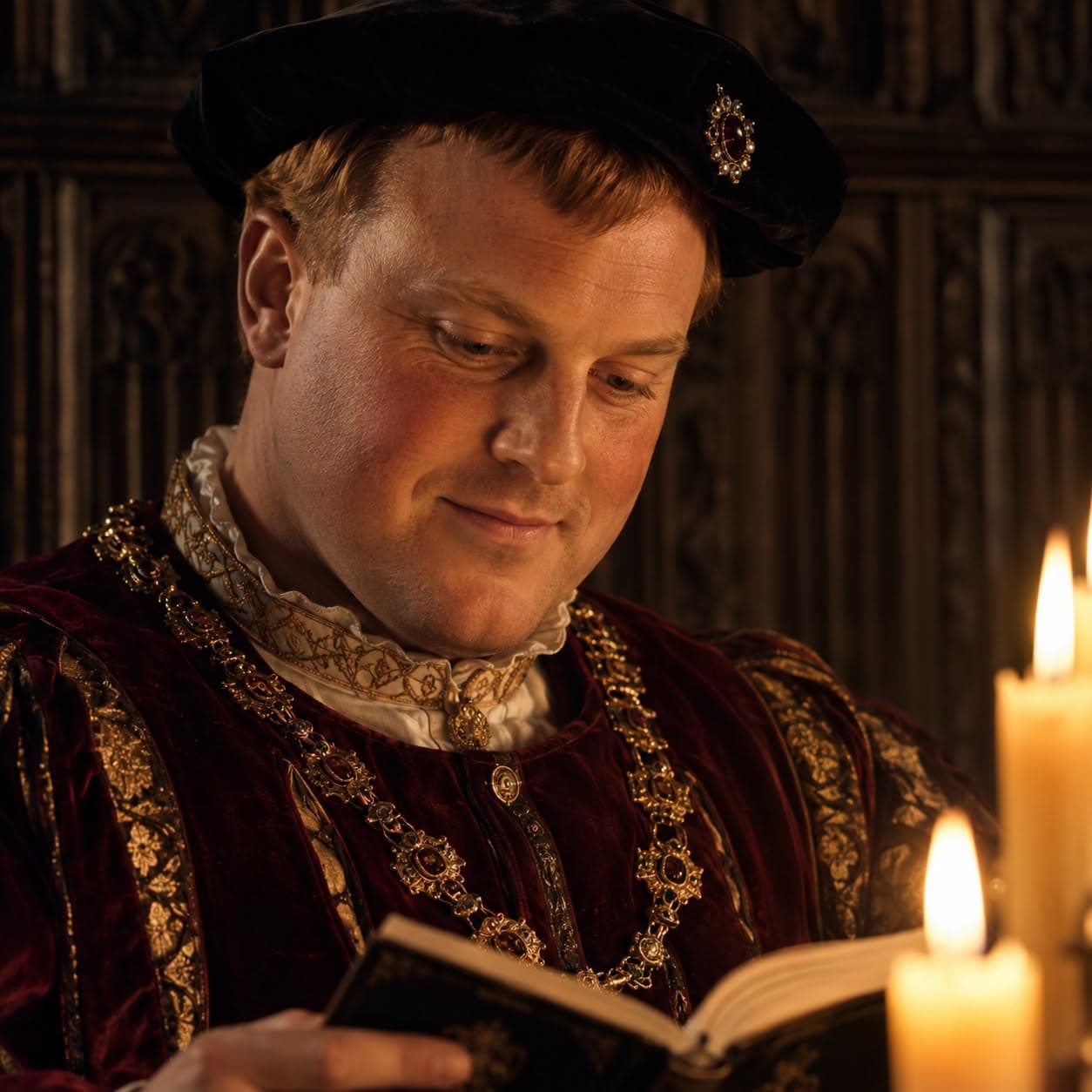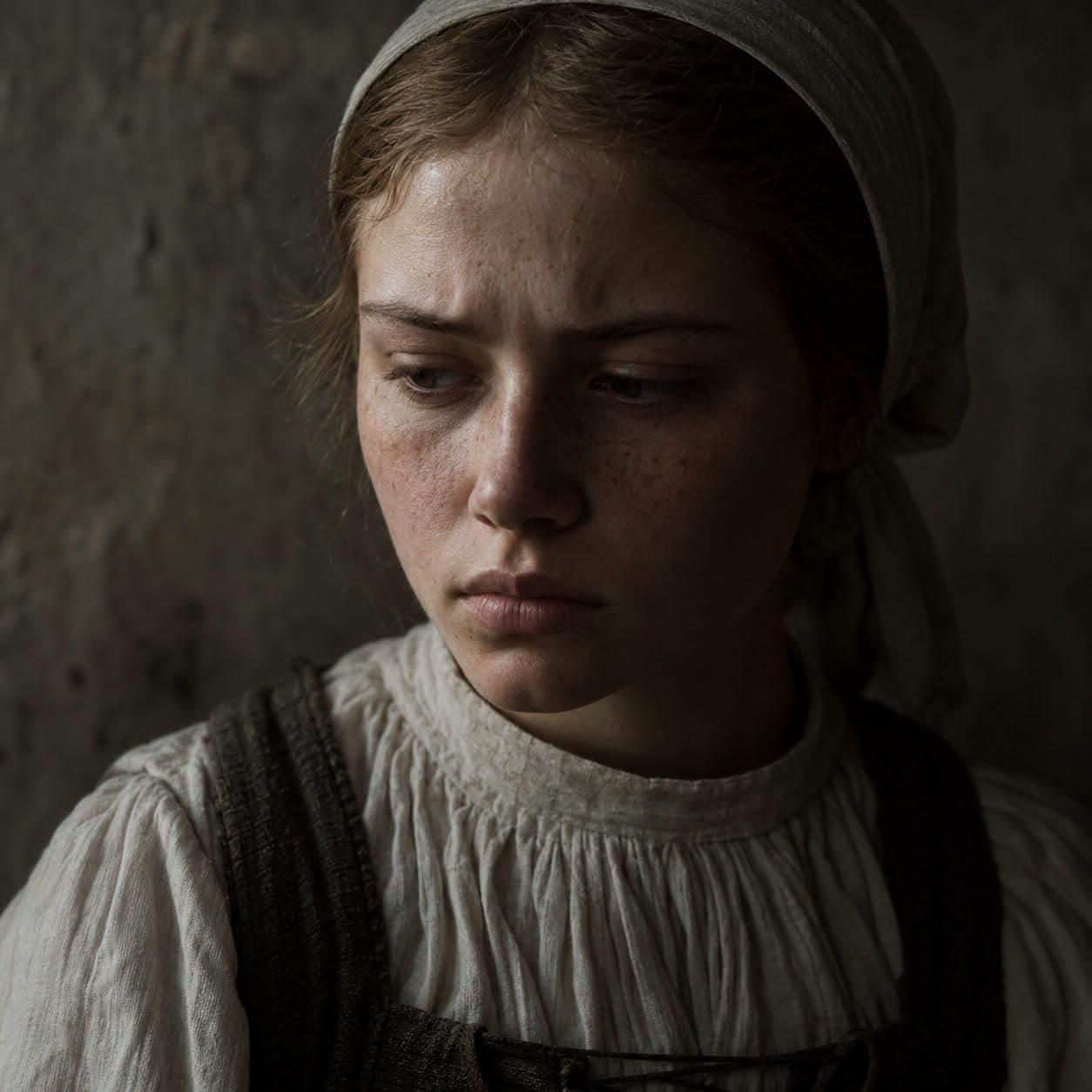
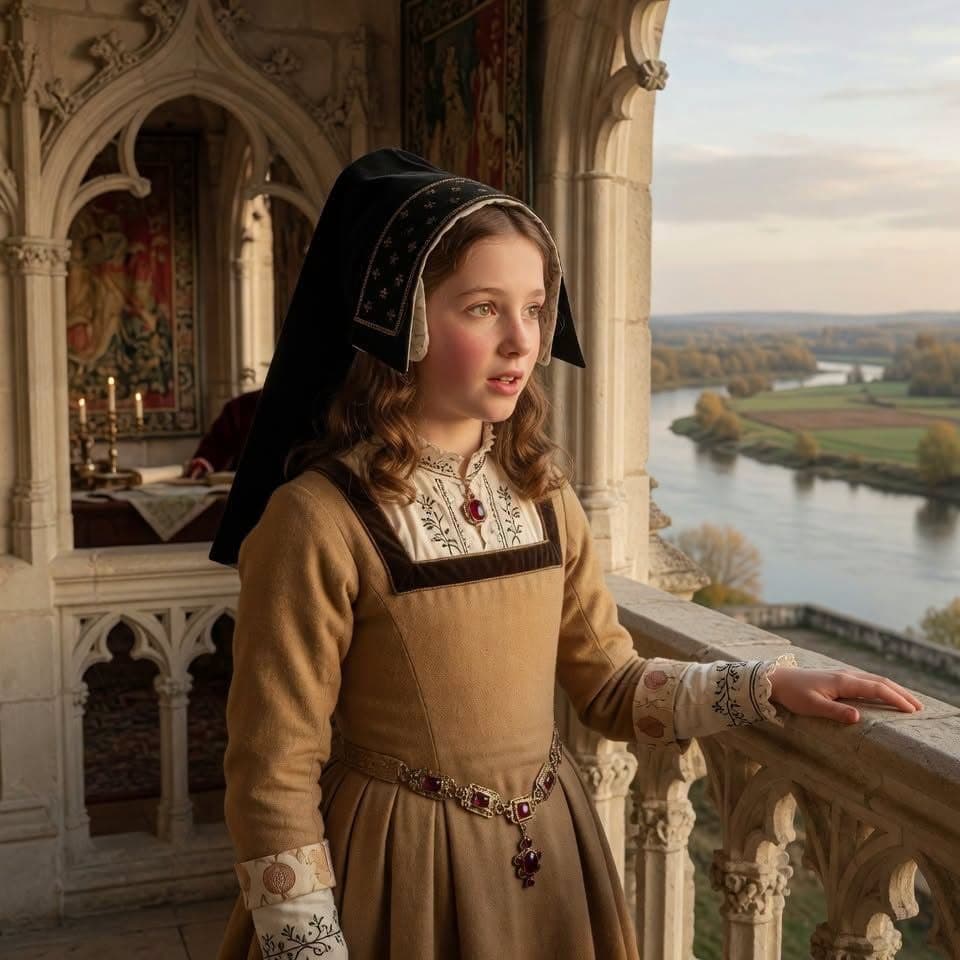
Mary Boleyn was born around 1499 or 1500, the eldest daughter of Thomas Boleyn and Elizabeth Howard, at the family estate of Blickling Hall in Norfolk, and history has spent five hundred years treating her as a footnote in her own sister's story.
She was the first Boleyn daughter dispatched to the French court — sent ahead of Anne, sent as a girl of thirteen or fourteen into the most sophisticated and dangerous environment in Europe — and what happened to her there was sufficiently notorious that Francis I of France would later refer to her in terms that made clear he considered her reputation entirely expendable.
He was a king. She was a teenager from Norfolk. The power differential was not subtle, and nobody at the time thought it was Francis I's problem.
Her father Thomas Boleyn was one of the most relentlessly ambitious men in Tudor England, which is a competitive field. He had languages, charm, diplomatic skill, and daughters — and he understood, with the clear-eyed pragmatism of a man who had risen by attaching himself to the correct patrons at the correct moments, that daughters placed at the right courts at the right ages could return value that no amount of his own labour could match.
Mary was sent to France in the household of Henry VIII's younger sister Mary Tudor, who was travelling to France to marry the elderly Louis XII. When Louis XII died three months later and the French court reorganised itself around the young and spectacular Francis I, Mary Boleyn remained. She was approximately fourteen years old, in a foreign country, in a court that ran on wit and beauty and the specific ruthlessness of people who understood that both were currencies with short lifespans. She had no particular protection. She had her face and her youth and the Boleyn capacity for reading a room. Francis I noticed her. The consensus of historians is that what followed was not a romance.
She returned to England around 1519, her French reputation preceding her, and within a few years had attracted the attention of Henry VIII. She married William Carey in 1520 — a respectable match, a gentleman of the privy chamber, nothing spectacular — and by 1522 it was apparent from the pattern of royal grants to her husband that Henry had made her his mistress.
The grants lasted until approximately 1525. Her daughter Catherine was born in 1524, her son Henry in 1526, and the question of whether either or both children were fathered by the king rather than by William Carey has occupied historians ever since without producing a definitive answer. Henry VIII acknowledged neither child. He was not, in this respect, a man troubled by ambiguity.
What happened next is the element of Mary Boleyn's story that history consistently undervalues because it is overshadowed by what happened to her sister. Henry lost interest in Mary and transferred that interest, with the focused intensity of a man who rarely wanted anything he could not have, to Anne.
Mary watched her younger sister become the most powerful woman in England. She watched Anne become queen. She watched the family that had sent her to France as a diplomatic instrument reorganise itself around Anne's ascent and treat Mary as yesterday's investment. And then in 1534, widowed and privately remarried to a soldier called William Stafford — a man she had chosen herself, for reasons that appear to have been entirely personal — she was banished from court by her own sister for the presumption of marrying without permission.
It was the first autonomous decision Mary Boleyn had made in her entire life. Anne Boleyn, who had spent a decade refusing to become Henry's mistress and holding out for the crown, had no patience for her sister's sentimentality.
They never saw each other again. Anne was executed in May 1536, convicted on charges that no serious historian now believes were true, and Mary was in the country with her soldier husband when it happened. She died in 1543, quietly, in a house in Essex, having outlived her sister, her brother George who was executed alongside Anne, and the version of herself that two kings had used and set aside.
History remembers her as the other one. The less interesting one. The one who didn't become queen. She was also the one who died in her own bed, with a husband she had chosen, surrounded by children whose parentage she alone knew for certain. Whether that constitutes a happy ending depends entirely on what you were hoping for when you started reading.
She was the Boleyn daughter who survived everything — France, Henry, her family, her sister's fall — and the price of survival was that nobody thought her story was worth telling. It was. It still is.