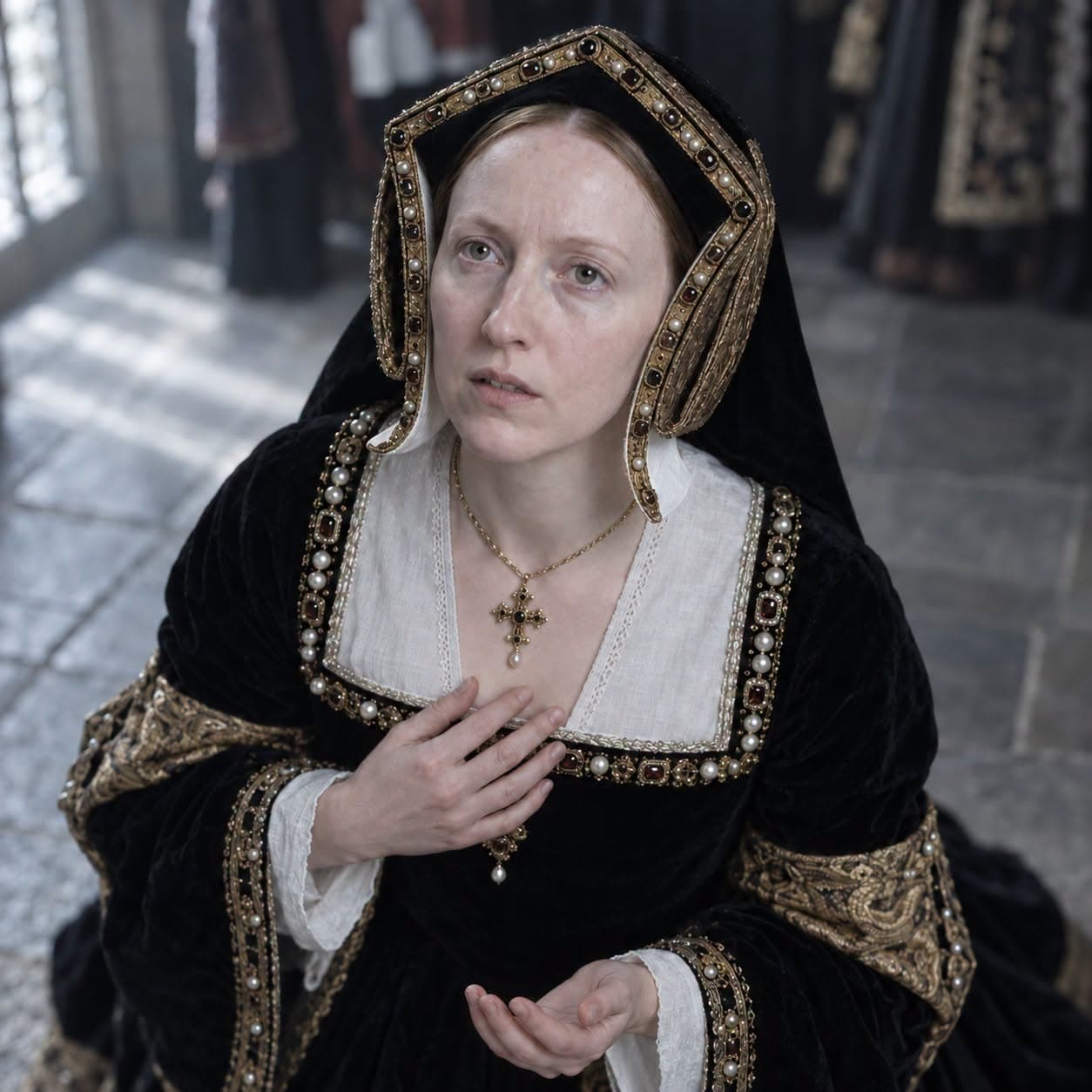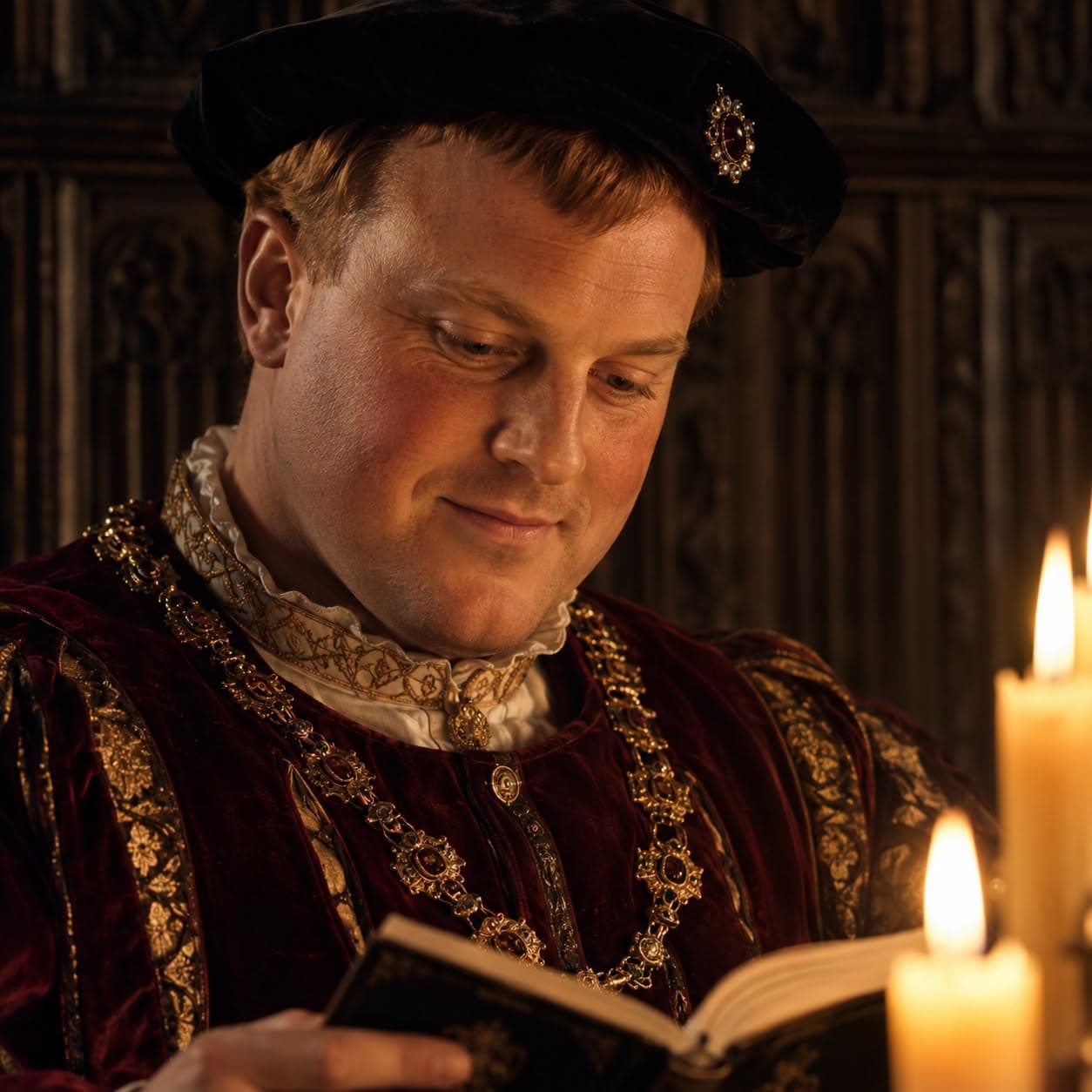
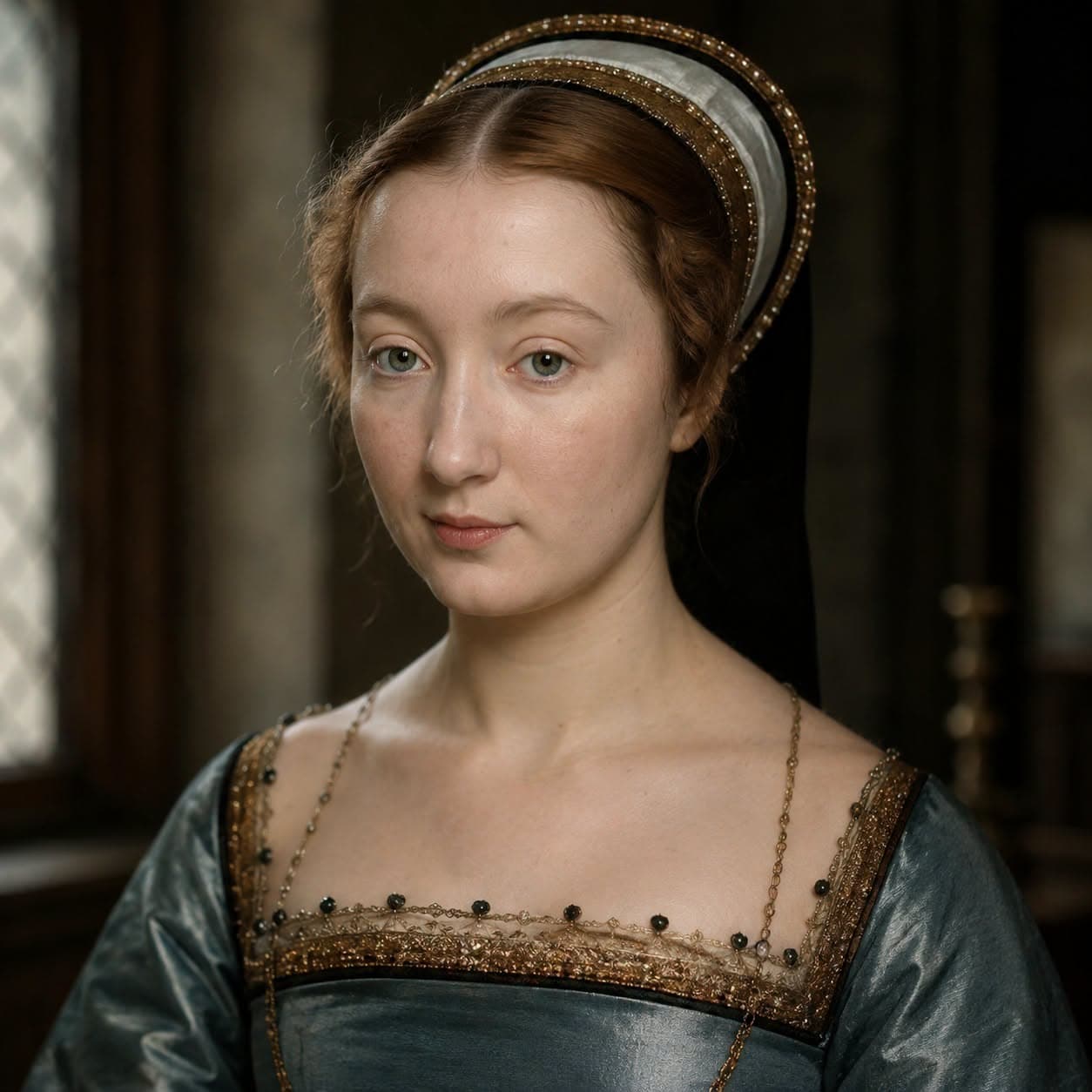
She was betrothed at six. Married at fourteen. Pregnant at fifteen. Dead at twenty-four. In the nine years between her wedding and her death she was pregnant for the majority of them. Nobody asked her about any of it.
Her name was Claude. She was born in 1499, the eldest surviving child of Louis XII of France and Anne of Brittany, and she arrived into a world that had already decided what she was for. Her mother was one of the most formidable political operators of her generation, a duchess in her own right who had been twice queen of France and who had spent her entire reign negotiating, manoeuvring and resisting in defence of Breton autonomy. Anne understood precisely what the French crown wanted from her daughter. She spent years trying to prevent it. She arranged a betrothal for Claude to the Habsburg prince Charles, which would have taken Brittany out of French reach entirely. Louis XII cancelled it. He betrothed Claude instead to Francis of Angoulême, his heir apparent, the young man whose succession to the throne would make Claude queen of France and make Brittany French. Claude was six years old when that arrangement was made. She was not consulted. She was six.
Anne of Brittany died on the ninth of January 1514. She was thirty-six years old and she had not stopped fighting. The specific terms of Breton autonomy she had spent her queenship defending were unresolved at her death, which meant they were, in practice, lost. She left behind a fourteen year old daughter who had inherited her title as Duchess of Brittany and who was already bound by a betrothal her father had arranged over her mother's opposition eight years before. The inheritance passed to Claude in January. The marriage to Francis took place in May. The interval between the two events was four months. Claude had been Duchess of Brittany for four months when she became Queen of France and the question of what Brittany was and who it belonged to was settled in the ceremony that made her Francis's wife.
She was fourteen. She had a pronounced limp, a spinal curvature, and a constitution that contemporaries described as fragile even before the marriage made its demands on it. Francis was twenty years old, physically imposing, already conducting himself with the confidence of a man who understood that the world was organised around his requirements. He had wanted Claude's inheritance, not Claude, and the court understood this and regarded it as an entirely reasonable basis for a marriage. Claude appears to have understood it too. She carried herself with a public composure throughout her marriage that the historical record reads as dignity and that the circumstances suggest had no other form available to it.
The first pregnancy came within months of the wedding. Then another. Then another. Seven children in nine years, each one arriving in a body that had been given no time to recover from the one before, in a marriage conducted by a husband whose infidelities were constant and completely open and entirely unremarkable to the court that observed them. Francis did not moderate himself on Claude's account at any point. He was not expected to. She was the vessel through which the succession would be secured and Brittany would be confirmed as French, and she performed both functions with the thoroughness the dynasty required, and the court noted her physical deterioration over the years as a fact of the situation rather than as a problem requiring intervention.
She had seven children. Three sons and four daughters. The sons secured the succession. The daughters secured future alliances. Each pregnancy depleted her further and the record of her final years describes a woman whose body had been asked for everything it had from the age of fifteen onward and had given it. She died on the twentieth of July 1524, thirteen months after giving birth to her seventh child. She was twenty-four years old. The cause was almost certainly tuberculosis accelerated by the accumulated physical toll of nine years of near constant pregnancy on a constitution that had never been strong.
Francis was too busy preparing for war to arrange the funeral a queen required. Claude's body was embalmed, sealed in a lead casket, and left at Saint-Calais church in Blois. She waited there for two years and four months. In September 1524, two months after her mother died, Claude's daughter Charlotte died of measles. She was seven years old. They sealed Charlotte in a casket too and left her beside her mother. The two of them waited together in Blois, the queen and the child, while Francis fought his wars and the court conducted its business and the arrangements for a proper burial remained unmade.
They were finally buried together at Saint-Denis in November 1526.
She is buried there now among the kings of France, in the basilica that holds the French crown's dead. The inscription names her as queen consort, as daughter of Louis XII, as wife of Francis I. It does not mention Brittany.
Her mother fought for Brittany her entire life and lost. Claude surrendered it before she understood what she was surrendering. That was the point of her. And when she was done serving that point, when her body had given everything the dynasty required of it and stopped, France left her in a lead casket in a church in Blois for two years while it found better things to do.
She had given them a kingdom. They could not find the time to bury her.