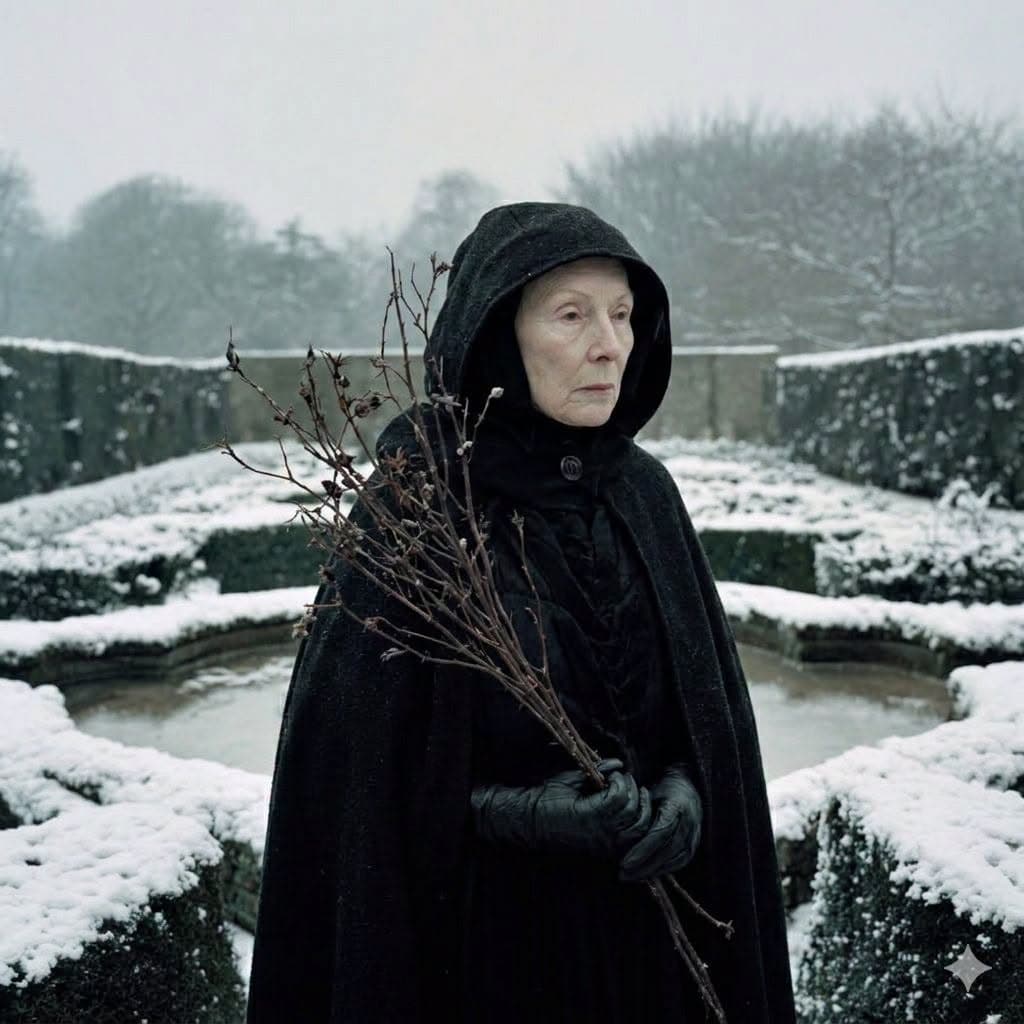
Catherine de' Medici watched her husband ride into a tournament wearing another woman's colours. He was carried out with a lance through his eye and called for his mistress from the bed where he was dying. Catherine refused to let Diane de Poitiers in. The queen had finally found a door she could close.
A king died at Chinon, broken by the first name on a list of rebels. When the news reached his wife's gaolers they did not wait for permission. They let her go.
She was eleven years old when they sent her to Saxony to marry a thirty-eight-year-old duke. Her father was Henry II of England. She was just a daughter, nobody asked her.
She was eight years old when they sent her across the Channel with no dowry. For the next twenty six years she would have no husband and no freedom either.
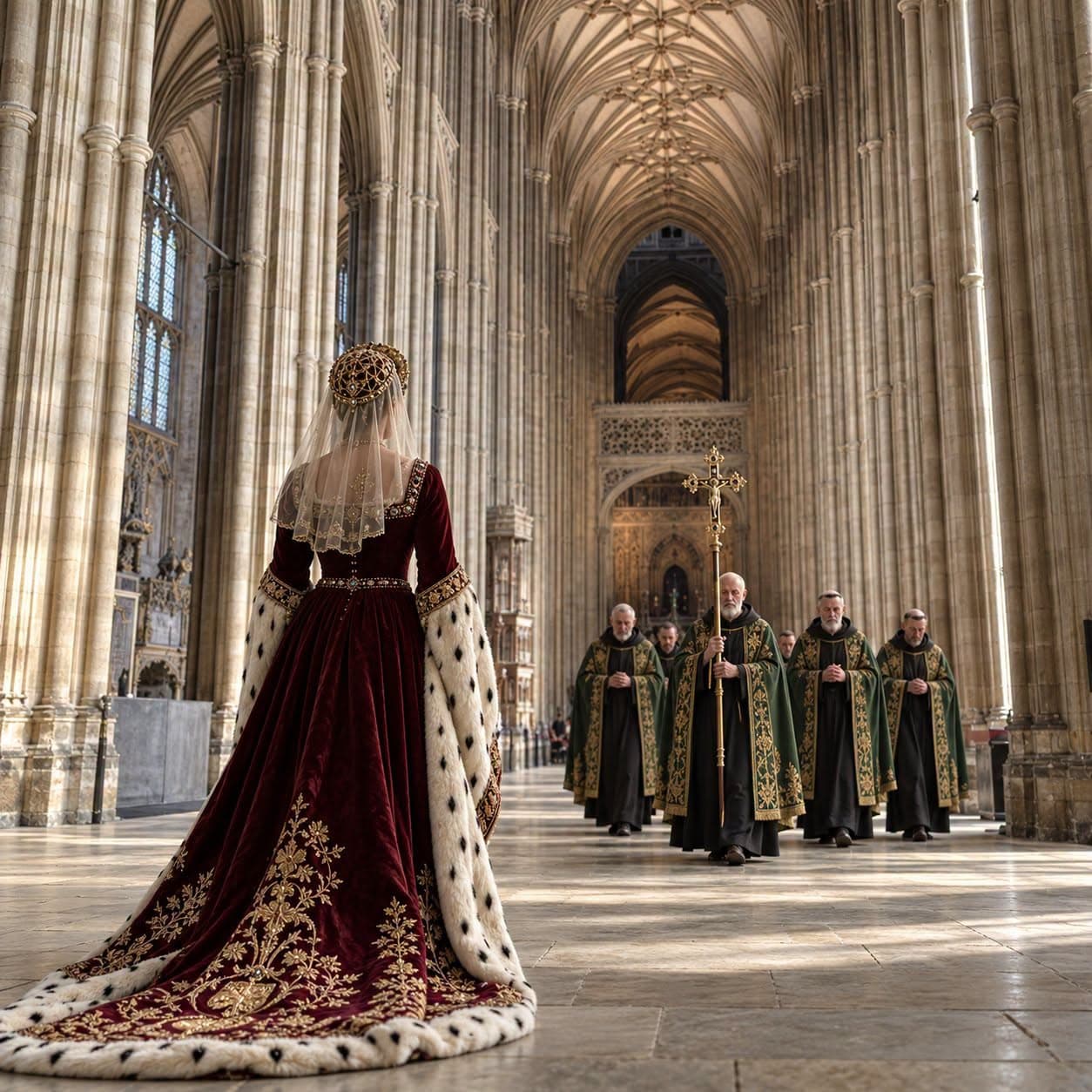
Less than a year earlier, Elizabeth Woodville had entered a great church as the pregnant wife of a deposed king seeking sanctuary. On 28 September 1471, the monks of Canterbury Cathedral came to the door to receive her as queen.
Henry VIII had given her a "Rough Wooing" since she was barely old enough to walk. His son continued it. On the seventh of July 1548, Scotland promised its five year old queen to France. She was some seventy miles away and did not know it was happening.
She was ten years old when her brother-in-law tried to put her in a convent. He did not do it out of piety. He did it because if she took holy vows her inheritance would pass to him.
History remembers Margaret Beaufort as a devoted mother, a pious noblewoman, a woman who prayed for her son from a distance and wept when he finally came home. That is the story she wanted told. She was also the most dangerous political mind of the fifteenth century, and the two things are not separate.
She was four years old when they sent her to France to live with the thirty-one year old man she was going to marry. Six years later her mother married him instead. Then they sent her to Scotland.