A king died at Chinon, broken by the first name on a list of rebels. When the news reached his wife's gaolers they did not wait for permission. They let her go.
Henry II had ruled the largest block of lands any king in western Europe had held since Charlemagne, from the Scottish border to the Pyrenees. By the summer of 1189 his sons had been rising against him for sixteen years. On the fourth of July he faced his son Richard and King Philip of France near Ballans and was forced into a treaty that named Richard as his heir and stripped him of much of what he had fought to keep.
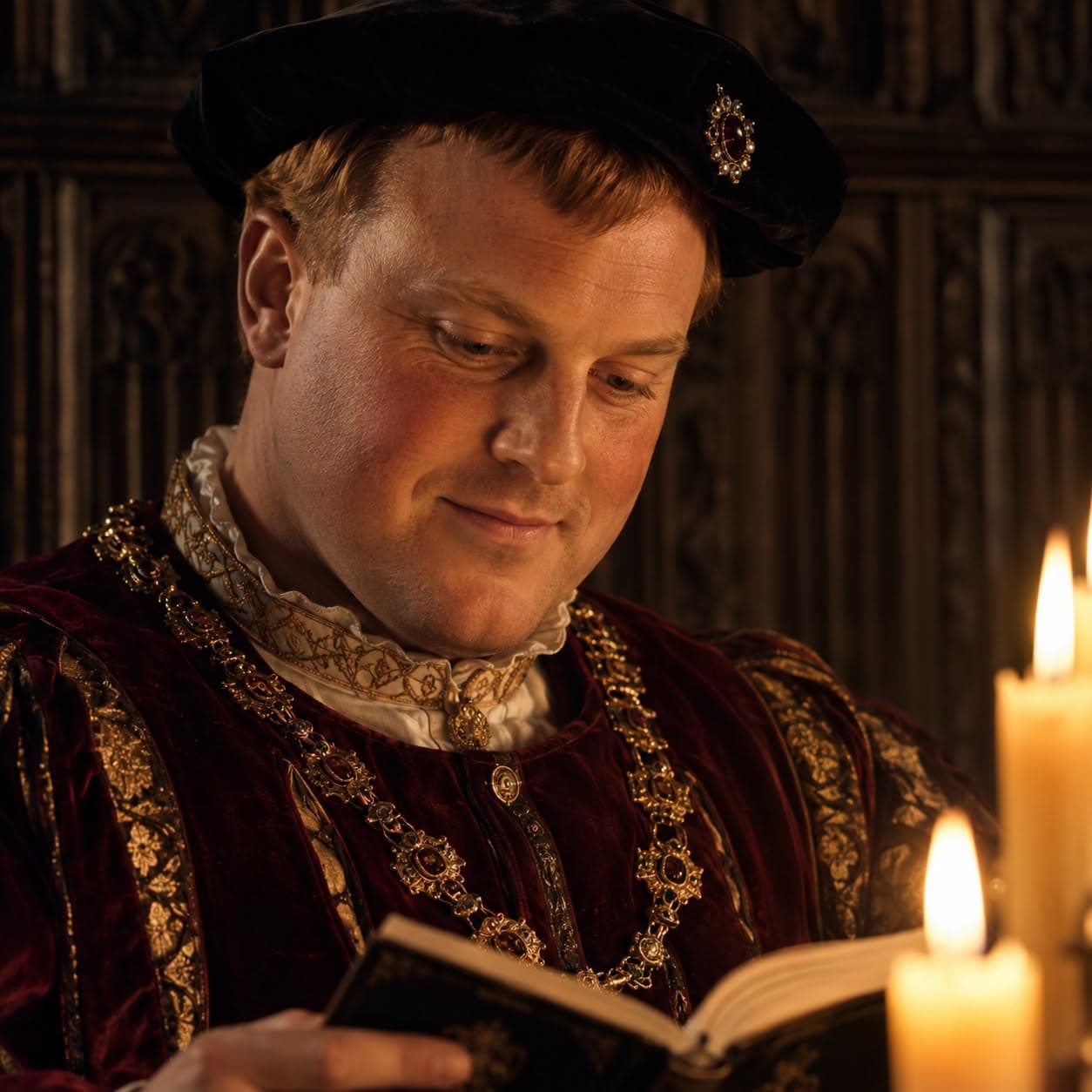
Two days later, at Chinon, already fevered and bleeding, he asked to see the list of the men who had joined the revolt with his son. The first name on that list was John, his youngest son, the child he had trusted, the one who had never yet rebelled. Henry is said to have turned his face to the wall and said he no longer cared what became of him or the world. He died at Chinon on the sixth of July 1189. He was about fifty-six years old.
When Richard came to see his father’s body, the chronicler Roger of Hoveden says blood flowed suddenly from the dead king’s nose. Those present took it as a sign that the corpse knew who had brought about its end, in accordance with the medieval belief that a murdered body would bleed in the presence of the guilty. No one wrote down what Richard thought when he saw it.
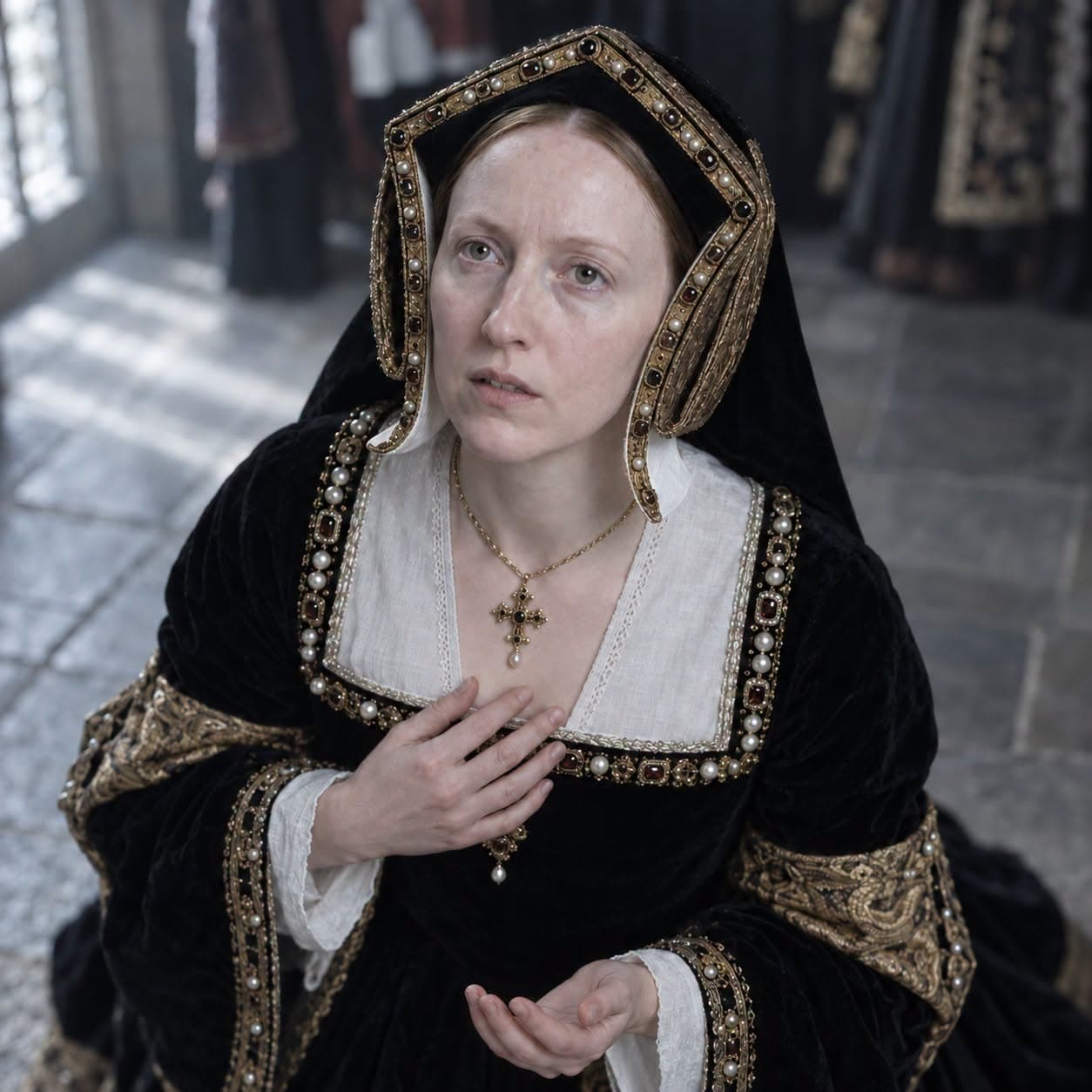
While Henry lay dying at Chinon, Eleanor of Aquitaine had been under guard in England for sixteen years. In 1173 she had encouraged three of their sons, Henry the Young King, Richard, and Geoffrey, to rise against their father. Henry crushed the revolt, intercepted her as she tried to travel to France, and brought her back to England as his prisoner. She was moved between castles such as Old Sarum and Winchester, her income curtailed, her household reduced, watched by custodians who answered to the king. She had been queen of France and queen of England and duchess of Aquitaine in her own right since she was a girl. For sixteen years she lived as a captive queen.
When Henry died, Richard sent orders at once that his mother was to be freed. He entrusted the task to William Marshal, the knight who had fought by his father’s side and would soon serve him too. By the time Marshal reached England, Eleanor’s custodians had already opened her doors. News had moved faster than messengers. The king was dead. The guards had decided, before the order reached them, that the woman they had kept in comfortable captivity was now the king’s mother and their queen again. She was in her mid-sixties.
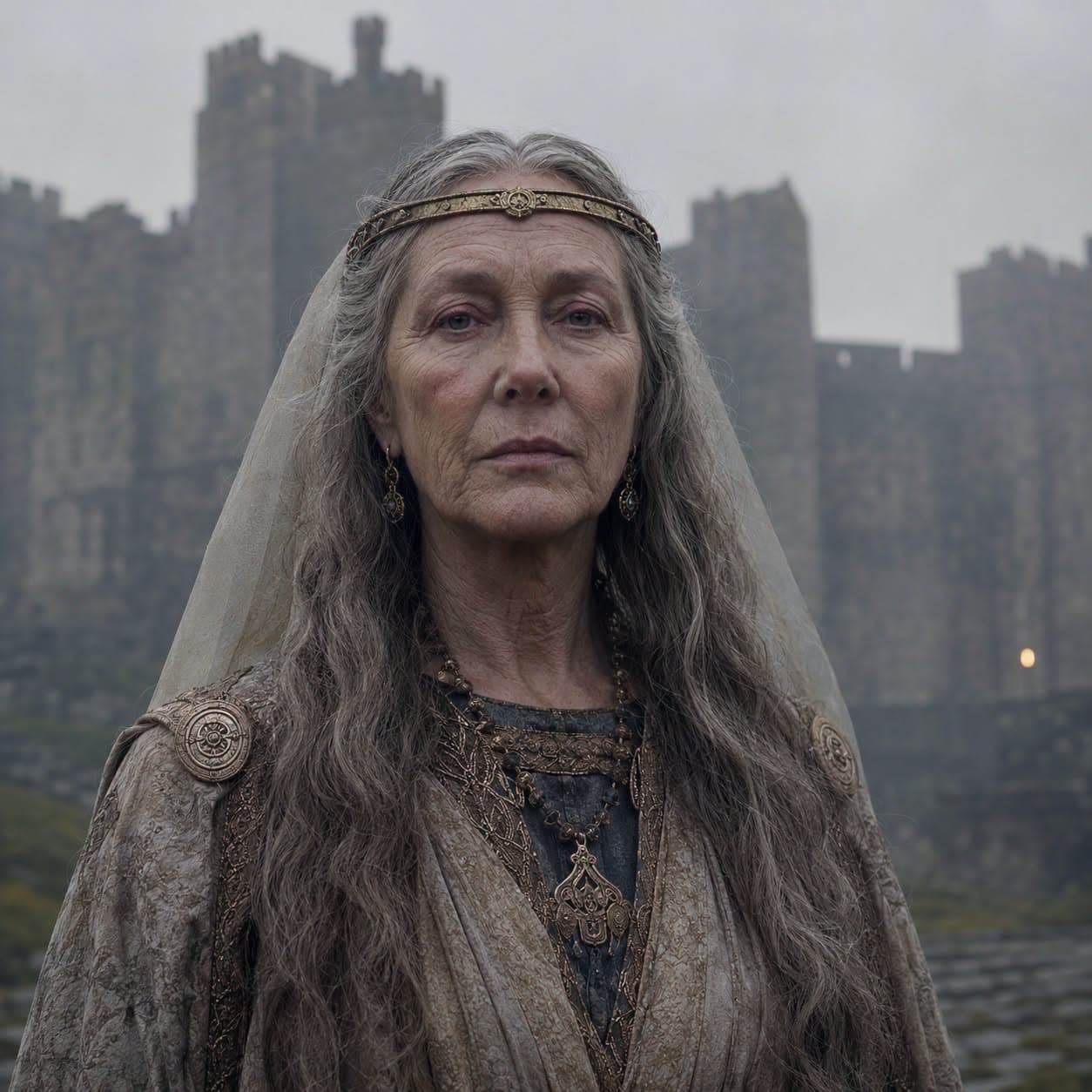
She did not retire. She rode to Westminster and took the oaths of the lords and prelates of England on her son’s behalf while he was still in France. She made laws. She commanded defensive actions. She signed herself Eleanor, by the grace of God, Queen of the English. She ordered the release of prisoners whom Henry had held. She oversaw the preparations for Richard’s coronation.
When Richard left on crusade, Eleanor governed in his name. She crossed the mountains into Navarre to arrange his marriage to Berengaria. She brought Berengaria to him in Sicily. When he was taken hostage on his way home and held in Germany, she chaired councils in England and Aquitaine, raised an enormous ransom, and travelled herself to deliver the money and negotiate his release. Her letters from those years read as the letters of a ruler, giving commands, making appeals, signing as queen and duchess.
Henry had spent sixteen years making sure she paid for encouraging their sons against him. He died of the same wound. The day he died, the men who had guarded her understood without being told that the lock on her door no longer held. They opened it.