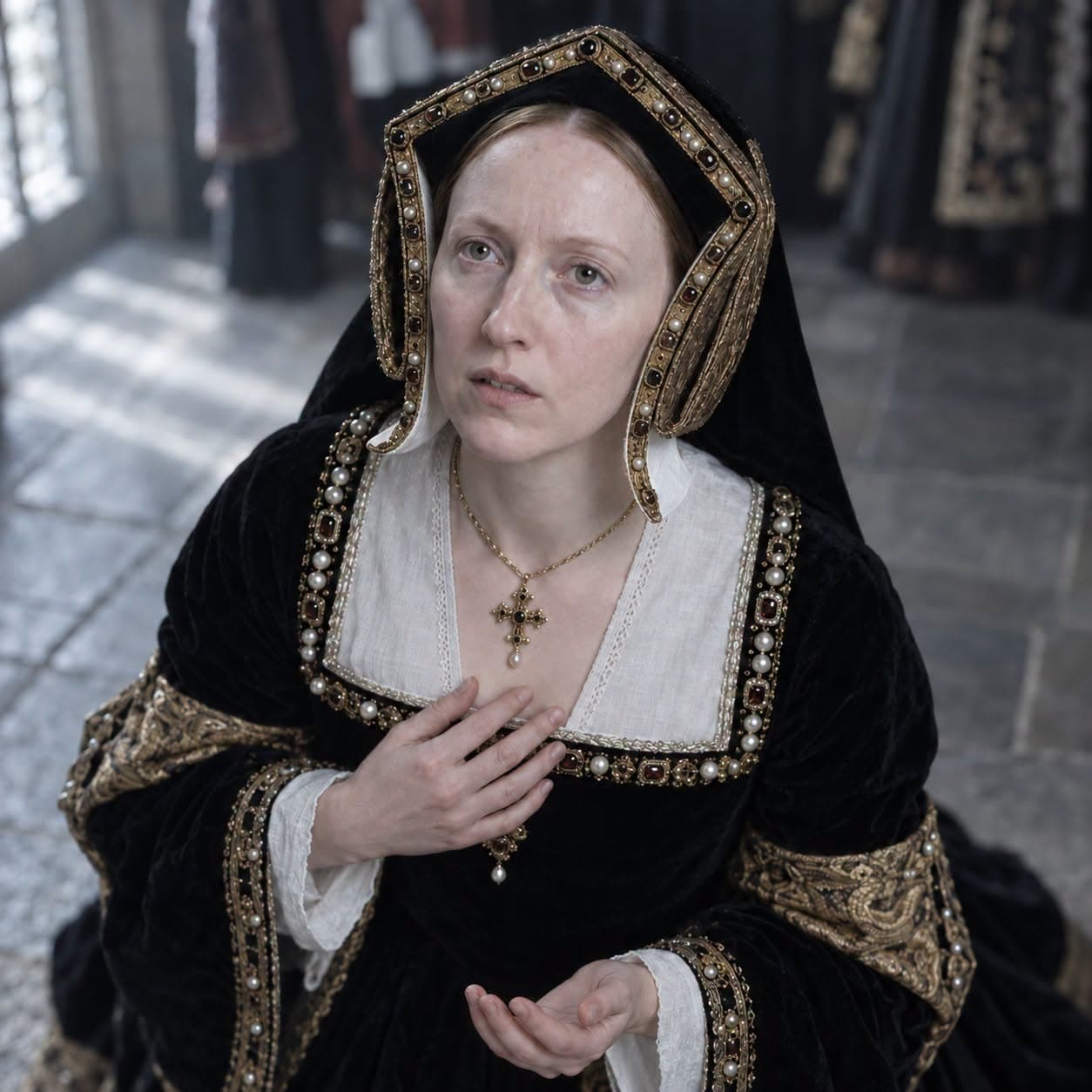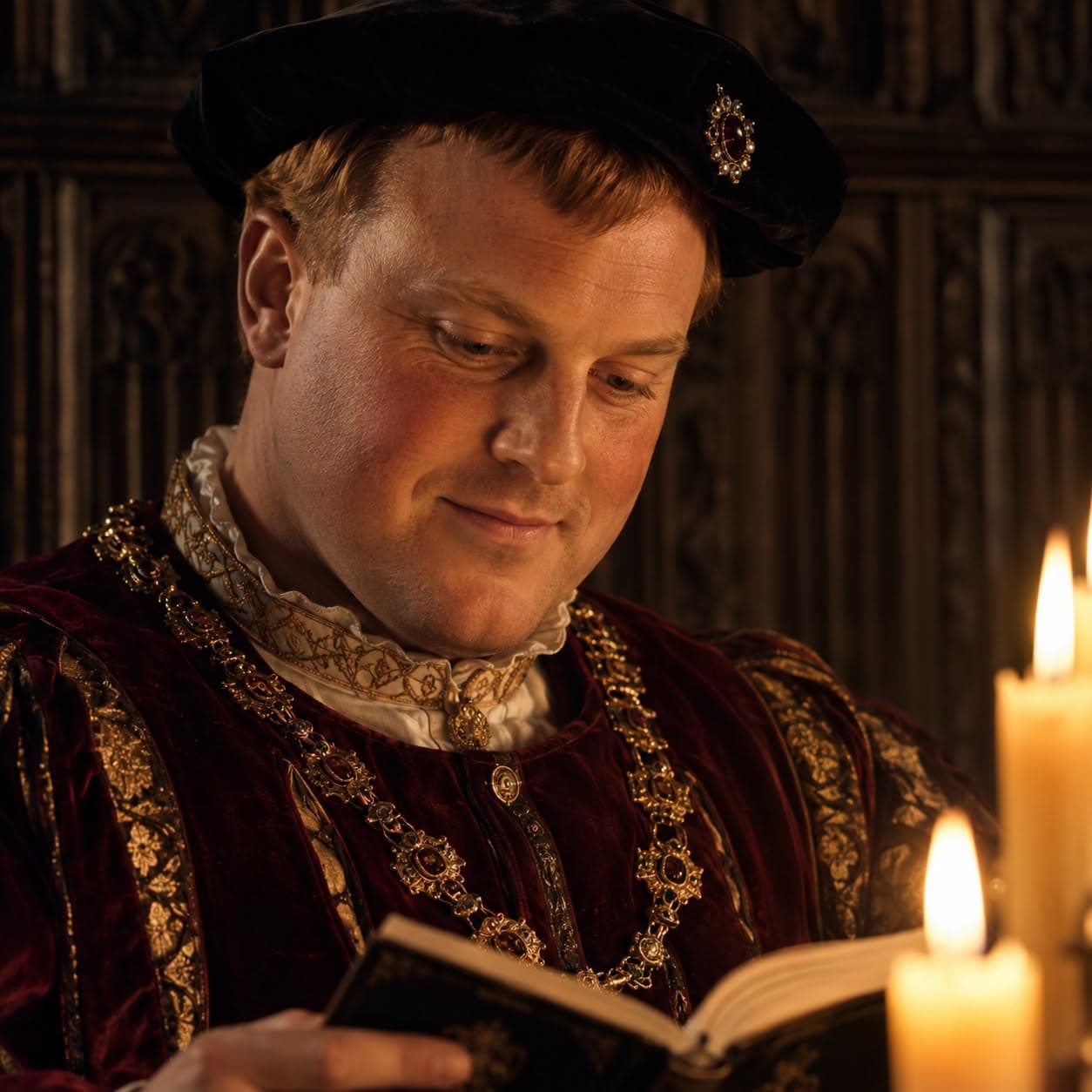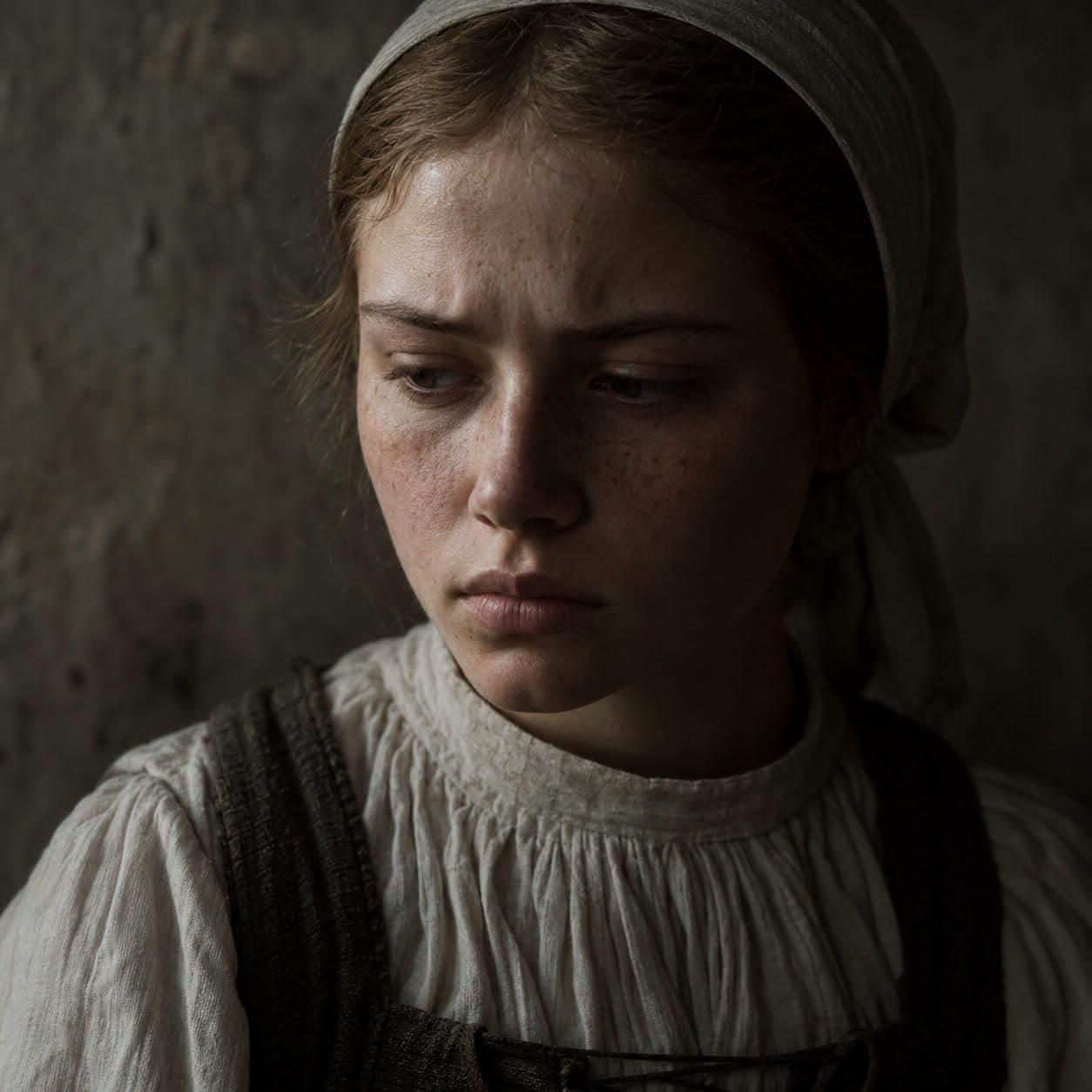
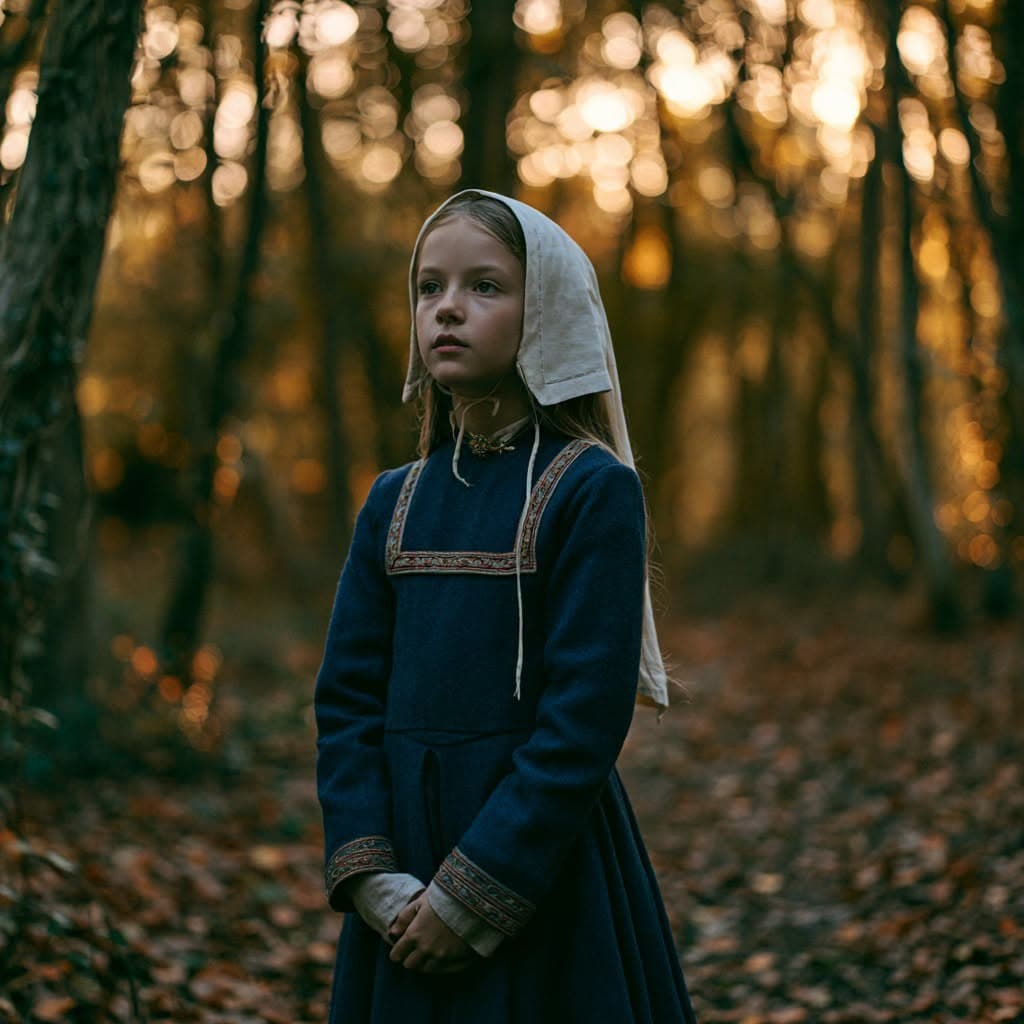
She was ten years old when her brother-in-law tried to put her in a convent. He did not do it out of piety. He did it because if she took holy vows her inheritance would pass to him.
Her father, Humphrey de Bohun, died in 1373, leaving two daughters as his heirs. Mary was approximately four years old. Her elder sister Eleanor would marry Thomas of Woodstock, the youngest son of Edward III, in 1376, and Woodstock stood to inherit the entire Bohun fortune if Mary could somehow be removed from the line of succession. The inheritance in question was not small. The earldoms of Hereford, Essex, and Northampton, Welsh marcher lordships, and estates across eastern England all rested on the survival of a young girl's claim.
By the time she was around ten, Woodstock had brought her into his own household at Pleshey Castle, under the pretext of family care. She lived there under his roof, ate at his table, and was told, by the man who controlled her days, that God required something of her that would end any life she might otherwise have had. She was a child being instructed in her own disappearance. Once she was there, Woodstock began pressuring her to take holy vows and enter a convent. The chronicler Froissart recorded what he was doing. A woman who had taken vows could not inherit, and if Mary could not inherit, the entire Bohun fortune would pass to her sister, and through her sister to Woodstock.
John of Gaunt, whose interests ran directly against Woodstock's, found out what was happening at Pleshey. His solution was to remove Mary from that household and marry her, immediately, to his own son, Henry Bolingbroke. She was rescued from a convent by one powerful man in order to be married off by another. She was approximately eleven years old.
John of Gaunt paid five thousand marks for the right to marry her to his son. Bolingbroke was thirteen years old at the time, with no fortune of his own to offer. Gaunt had arranged that the marriage would remain unconsummated until Mary turned sixteen. Mary and Henry appear to have ignored that arrangement. She was pregnant at fourteen. The child was born and lived only a few days. There is no name recorded for that first child, no grave that can be pointed to, nothing but the fact of a birth and then a silence. Six more children followed in the years after, among them the future Henry V, born at Monmouth Castle in 1386.
Contemporary evidence suggests a marriage that was genuinely affectionate rather than merely dynastic. Henry sent her gifts regularly while he was away. They shared a documented interest in illuminated manuscripts, and the Psalter she commissioned, the Psalter of Mary de Bohun, survives.
He left for Parliament in January. He gave her gifts before he went, oysters, mussels, and sprats sent ahead to Peterborough. She stayed through the winter and into the spring, carrying her seventh child, and he was not there when June came. She died at Peterborough Castle on 4 June 1394, delivering a daughter, Philippa. She was approximately twenty-four years old. She was buried a month later, on 6 July, in the Church of the Annunciation in Leicester, a collegiate church founded by his own family. He outlived her by nineteen years and became King Henry IV in 1399. She was never queen.
She gave England its most famous warrior king. The Lancastrian dynasty that ruled the fifteenth century rested on her survival to adulthood and her children's survival after her. She died before any of it happened, at twenty-four, in a castle, with her husband somewhere else. The Bohun lands that Thomas of Woodstock had tried to take from her by sending her to a convent passed to Henry V, then to Henry VI, then into the wreckage of a civil war that consumed everything her children had built.
She is the reason the Lancastrian century was possible. No tomb of hers survives.