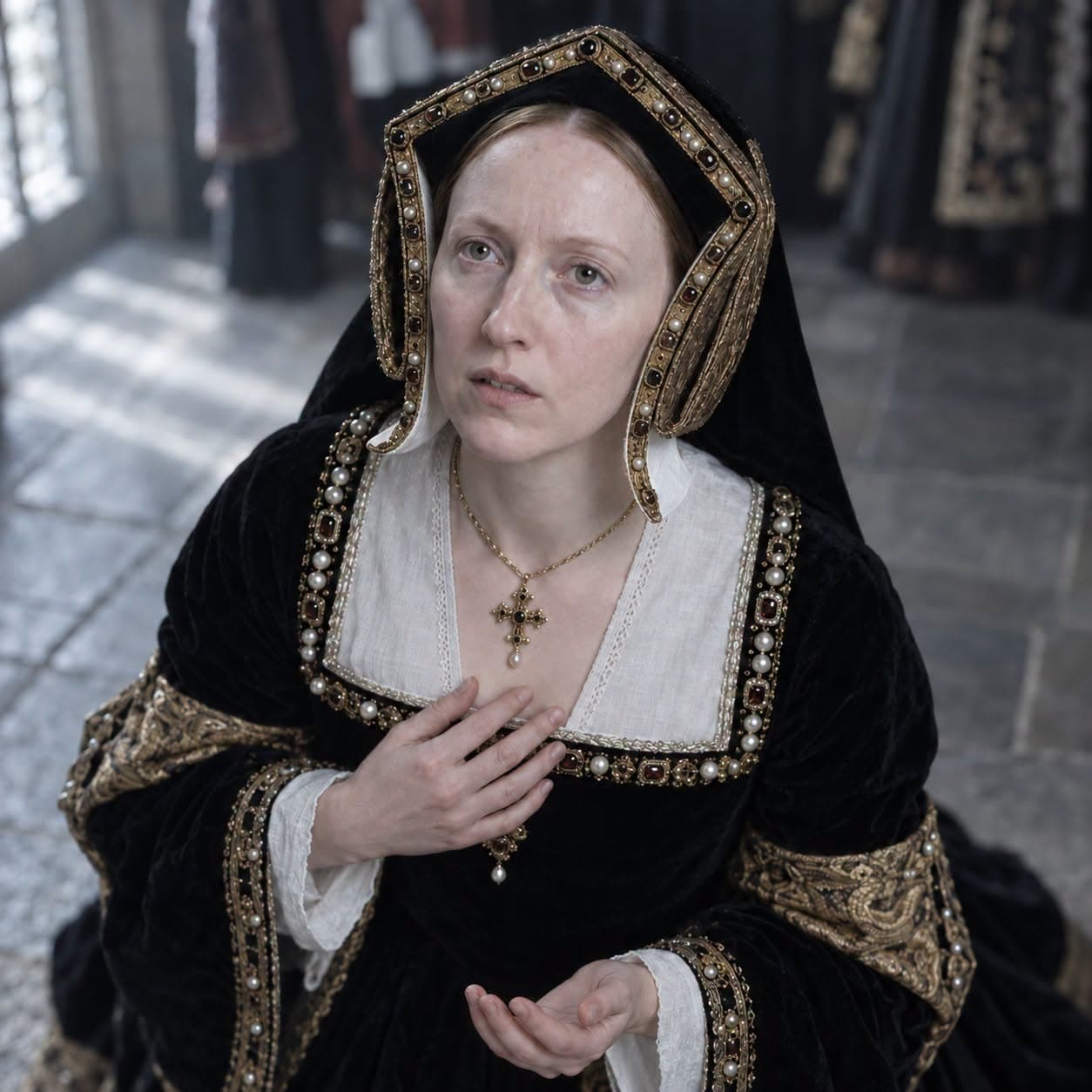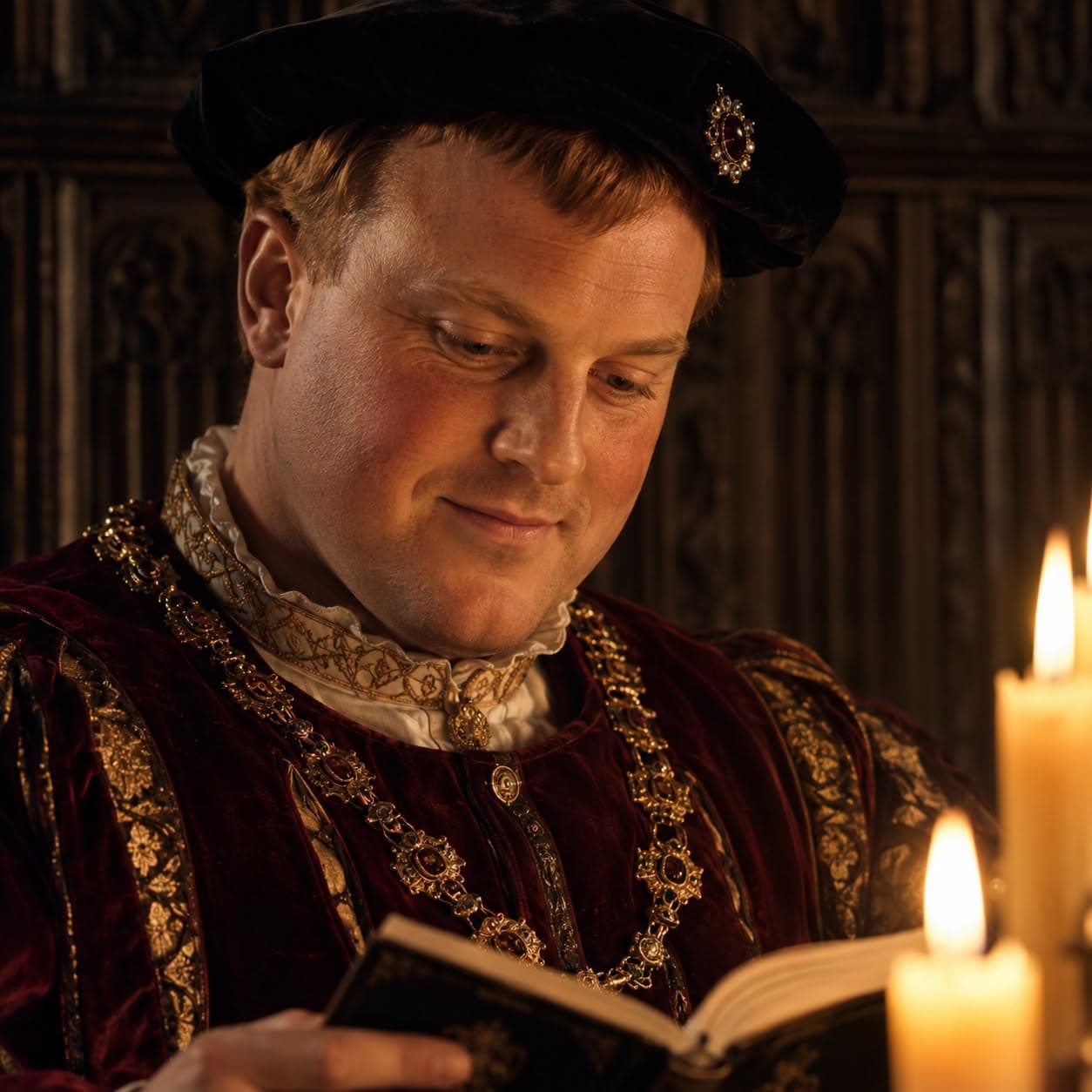
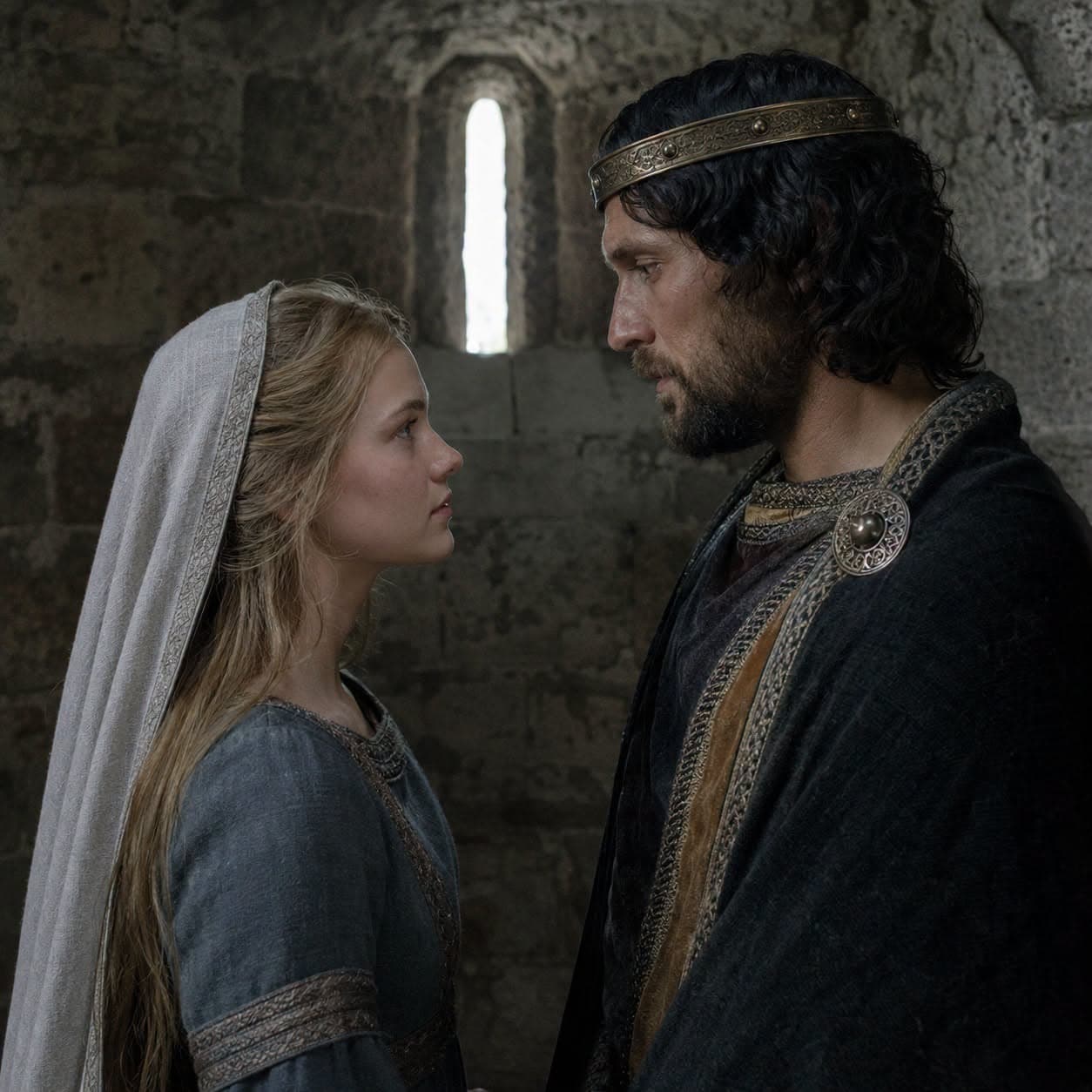
She was born a bastard. She died Queen of Scots. Her husband never remarried. He built a monument to her on an island most people have never heard of.
Sybilla was born around 1092 in Domfront, Normandy, the illegitimate daughter of Henry I of England and his mistress Sybilla Corbet. Henry had no shortage of children born outside marriage, and most of them stayed footnotes. This one did not. Around 1107, at about fifteen, she was sent north to marry Alexander I of Scotland, sealing an alliance that already ran the other direction through her stepmother, since Henry himself had married Alexander's sister Matilda. Two kings, tied to each other twice, through two women married for politics rather than love.
The marriage lasted fifteen years and produced no children. What it produced instead was a dispute that outlived her by centuries. William of Malmesbury, writing not long after her death, called her unworthy of the crown she wore, a woman with little to recommend her beyond the bed she'd been placed in. Later historians going back through the fuller record read something else in the same marriage, a devoted, childless match, a queen noted for piety rather than the character Malmesbury gave her. Nobody has settled which account is true. Both survive, sitting next to each other in the same sources, refusing to cancel each other out.
She died on 12 July 1122, on a small island in Loch Tay called Eilean nam Ban, the Isle of Holy Women. It was not a seat of power. It was not anywhere a queen was supposed to end up. She was about thirty years old, and whatever brought her there, away from every court that had shaped her life, took her quickly and left almost nothing behind to explain it.
Alexander never took another wife. The chronicler Walter Bower recorded that he planned an Augustinian priory on the same island in her memory, and may have taken steps toward having her venerated as a saint. A king who had married her for an alliance built her a monument on the island where she died and spent the rest of his reign unmarried. When he died two years later, the crown did not pass to any child of hers. It went sideways, to his brother David, who would go on to become one of the most consequential kings Scotland ever had.
The island is still there. Almost nobody who visits it knows her name.