
A queen stood in the rain and held up her five-year-old son to a crowd of three hundred thousand people. "This is my son," she said, "who joins in the same sentiments as me." Within three years, she was dead. Within two more, so was he.
It was 14 July 1790, one year after the Bastille fell, and Paris had built a festival to celebrate the anniversary. The ceremony began at four in the morning. The rain never stopped all day, and the Journal de Paris had predicted as much before it started. Fourteen thousand federates marched onto the Champ de Mars under eighty-three banners, one for every department in France, a country trying to prove to itself that it was now something whole rather than something broken open a year before.
Lafayette rode out on a white horse and climbed the steps of the altar at the center of the field. Speaking on behalf of the federated guards, he swore, "We swear to remain forever faithful to the nation, the law, and the king, to uphold with all our power the Constitution decreed by the National Assembly and accepted by the king." The storm swallowed his voice before it could reach the edges of the crowd, so soldiers relayed the words outward, and three hundred and fifty thousand people answered him as one. "Je le jure" - I do so swear.
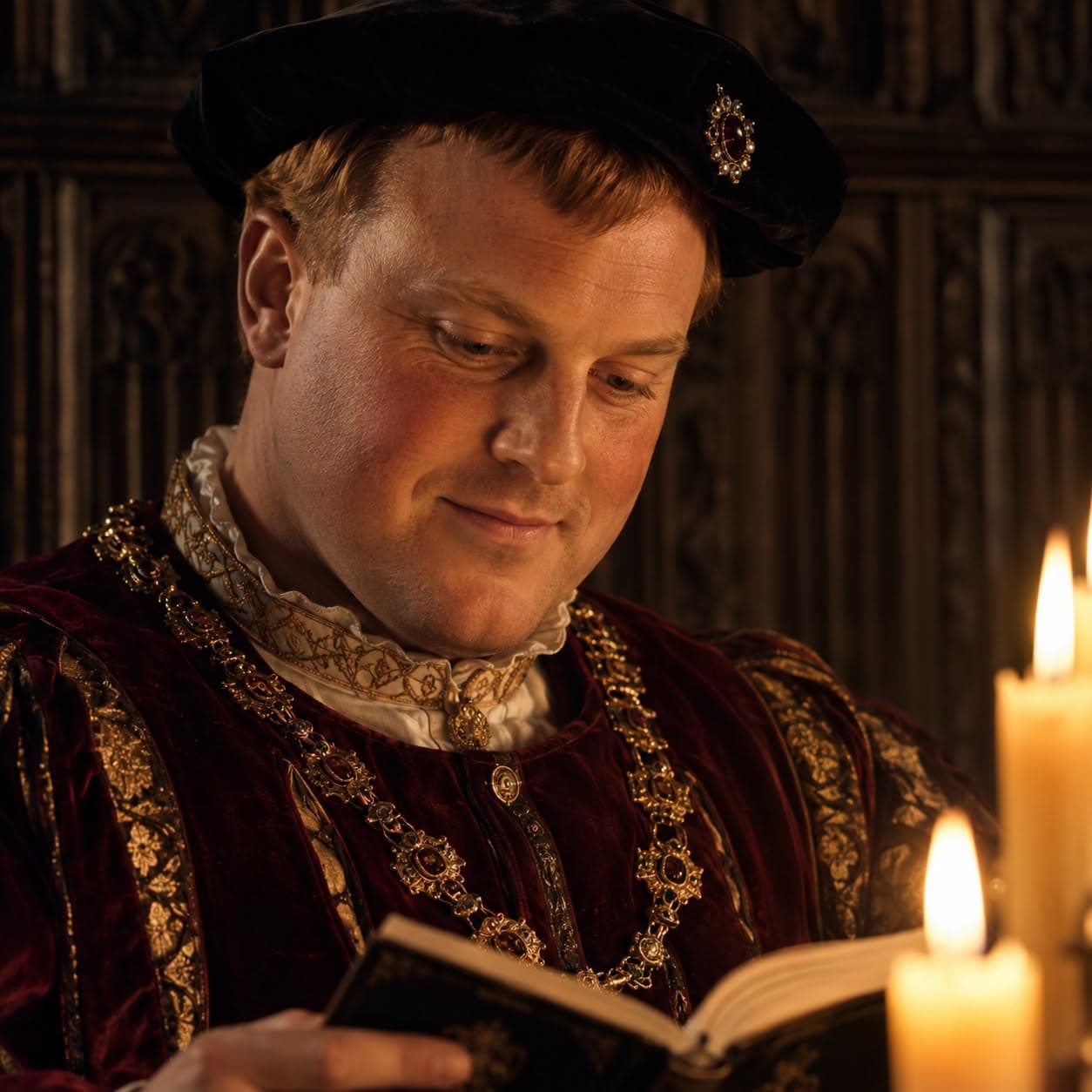
Louis XVI stood next and swore his own oath to the new constitution, and the words he used marked the change plainly. He swore it as King of the French, not King of France. A king who once ruled a territory was now claiming to rule by the consent of the people standing in front of him in the rain.
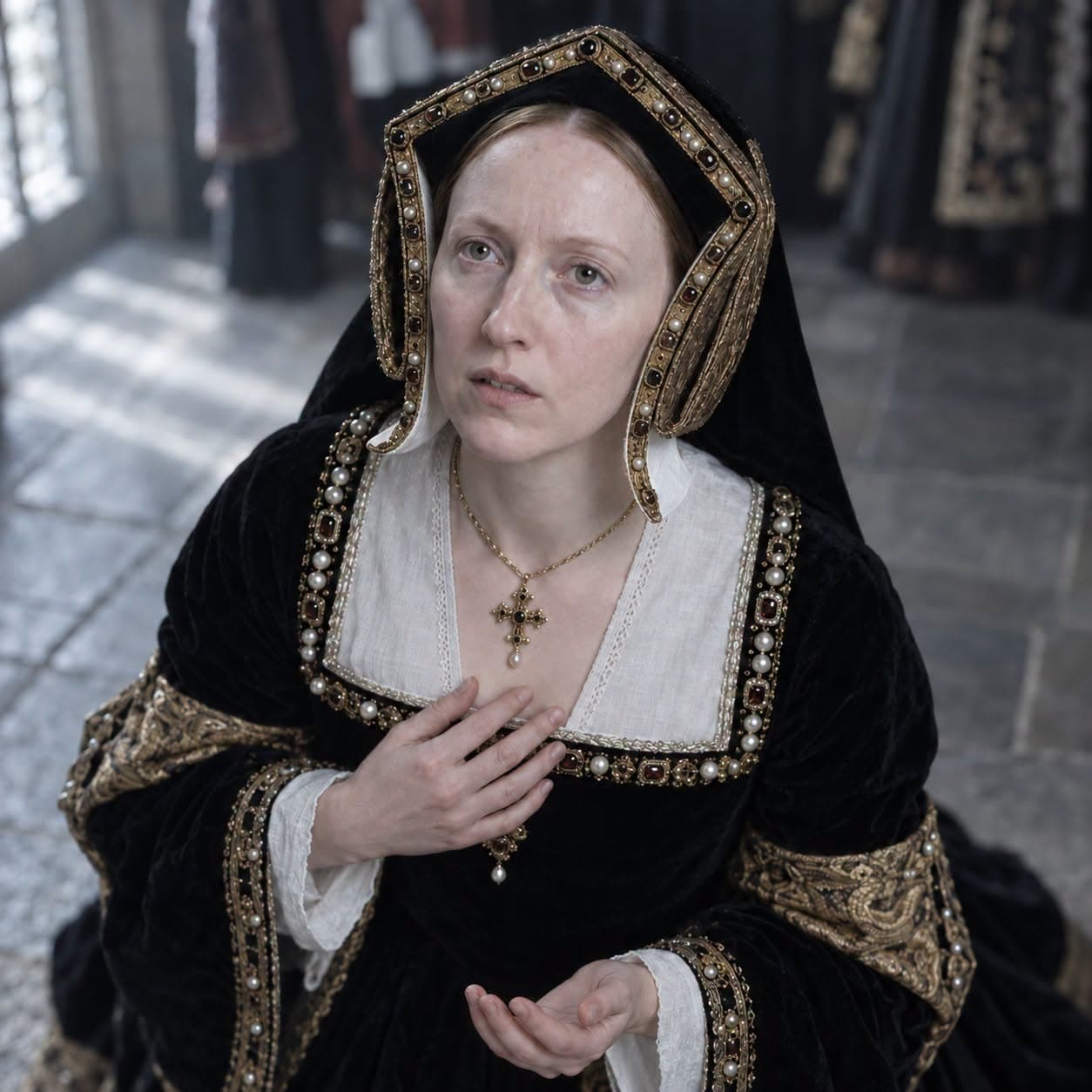
Then Marie Antoinette rose. She lifted her son, the Dauphin, dressed for the occasion in a miniature uniform of the National Guard, so the crowd could see him. "This is my son," she told them, "who joins, as I do, in these same sentiments." There is no reason to think she meant it as anything other than the truth in that moment, a mother offering her child to a nation asking to be trusted again.
It did not hold. Louis XVI was executed on 21 January 1793. The boy was taken from his mother's custody that same July, still only eight years old. Marie Antoinette followed her husband to the guillotine on 16 October 1793. Louis-Charles, the boy who had stood in a small uniform in front of a cheering crowd, died alone in the Temple prison on 8 June 1795, at ten years old, in the custody of the same revolution his mother had once told a crowd he belonged to.
The rain stopped eventually that day in 1790. Nothing else did.