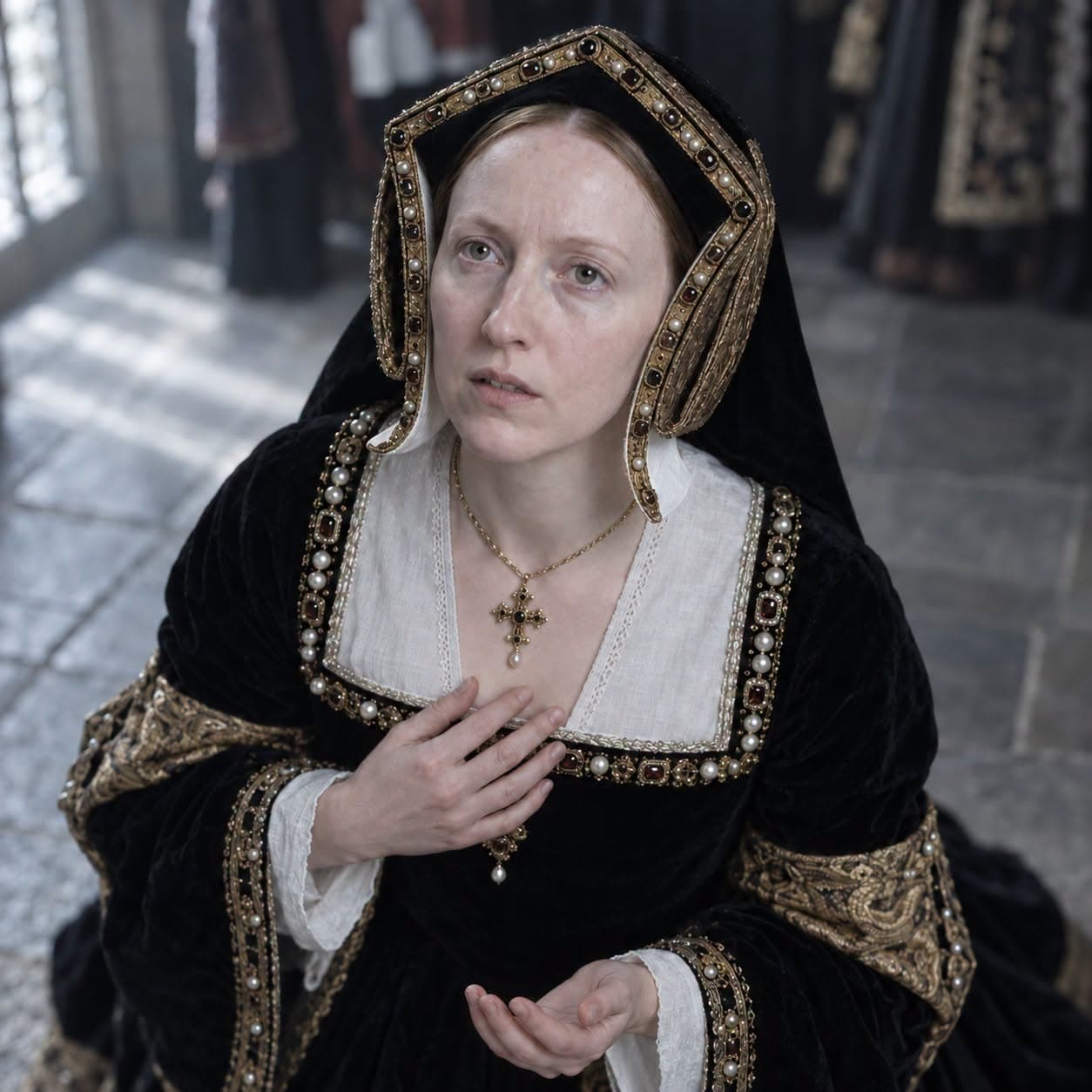
Prince Albert saw her before the Portuguese ever did. He wrote home that there was something in her face, a kind of selflessness and trustful entreaty, that made a stranger want to offer her knightly protection. He was arranging her marriage at the time. She would be dead within two years of it.
Stephanie of Hohenzollern-Sigmaringen was born on 15 July 1837, daughter of Karl Anton of Hohenzollern and Josephine of Baden, in a family that would spread across Europe's thrones. Her brother would become Carol I of Romania; her nephew would be Albert I of Belgium. When she was twelve, her father surrendered his sovereign rights to their small German principality and later moved the family to Düsseldorf, wealthy but no longer reigning, a child quietly shifted from ruling house to high nobility while the map of Europe changed around her.
Years later, when Portugal needed a Catholic bride for its young king, it could not risk a match with Spain or France, both politically fraught. Prussia offered a neutral house, and Albert wrote directly to Pedro in 1857 recommending Stephanie. A formal treaty between Portugal and Prussia followed that December. What had begun as diplomatic engineering became, by every surviving account, something else entirely.
The wedding itself came in two parts. On 29 April 1858 she stood in St Hedwig’s Cathedral in Berlin while her own brother Leopold acted as Pedro’s proxy, marrying her to a man she had not yet met, a ceremony where the groom existed only in words and signatures. Three weeks later, she sailed to Lisbon and, on 18 May, finally married Pedro in person at the Church of St Dominic. They spent their honeymoon at Sintra, walking arm in arm through the hills, a pair of twenty‑year‑olds learning each other in a landscape that felt like an escape from the formality they had just entered. They lived at the Necessidades Palace overlooking the Tagus, a house Pedro had restored and furnished in preparation for her arrival.
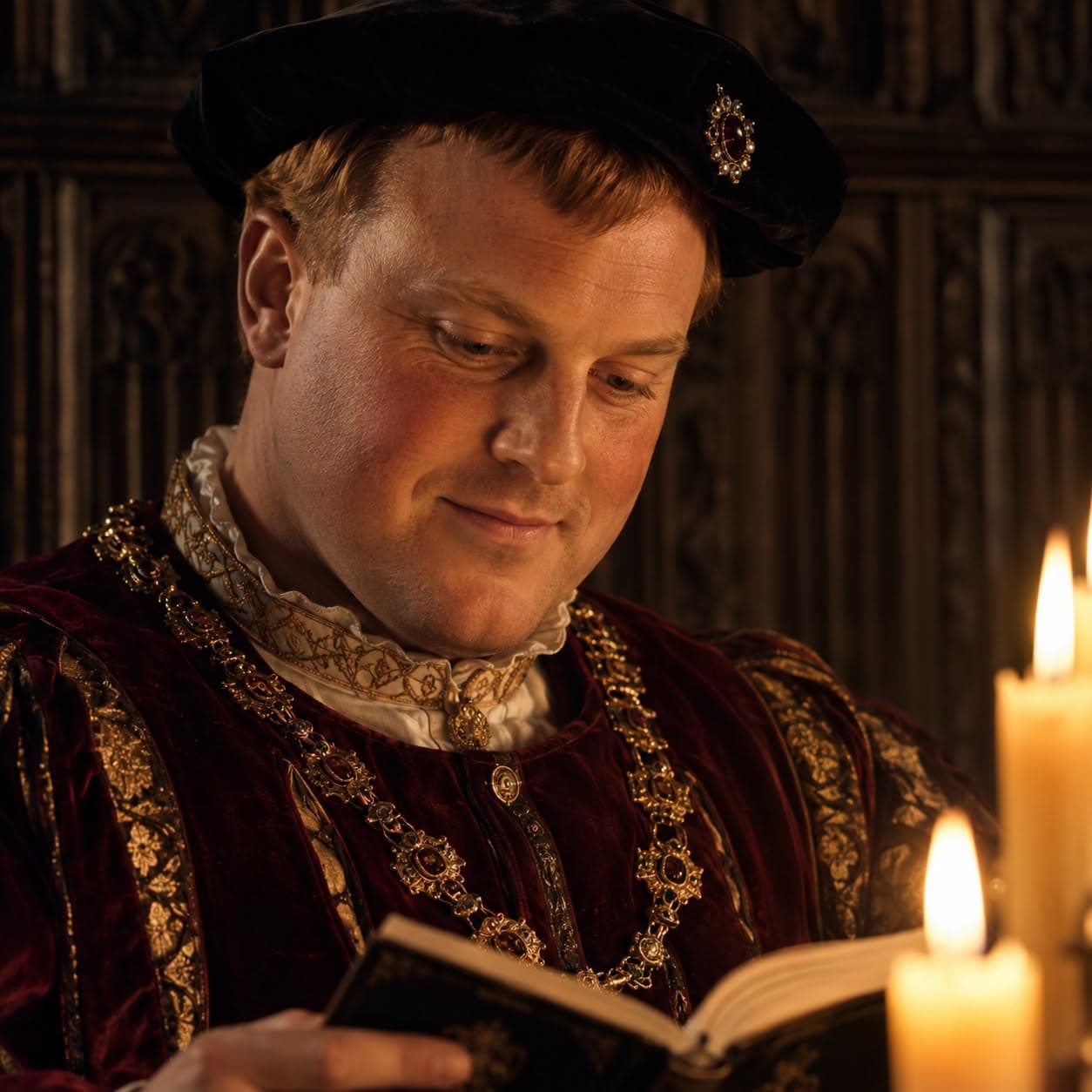
When Pedro V of Portugal had first met her he wrote to his uncle almost giddy with it: “Could I ever forget, dear Uncle, the part you have taken in my happiness, which is so great that I can hardly concentrate?” A young king, too happy to think straight, thanking the man who had introduced him to his own wife.
Stephanie felt the same way, and she said so, not in a public address but in a letter home to her mother, the kind of thing written because you cannot quite believe your own luck and need to tell someone.
“We are so happy together that we do nothing but kiss and tell each other the nicest things. To me, he is so excellent, always thoughtful, so full of regards, so tender! I can't thank God enough for my happiness.”
She did not spend her marriage simply being happy in private. She and Pedro began to build hospitals and charitable institutions together, and she made herself visible in wards and poor districts rather than only at court. In Lisbon, people began calling her the Angel of Lisbon, and in Spanish accounts she became “el ángel de los pobres,” the angel of the poor. One of the projects they planned was a children’s hospital that would bear her name; others remembered her quiet visits, the young queen who did not turn away from sick children or crowded, airless rooms. Her popularity grew quickly, not because she reigned for long, but because she spent what time she had standing where most queens were rarely seen.
Then, after a visit to Vendas Novas, she fell ill with diphtheria. It moved fast, the way it did in 1859, and there was nothing anyone could do. She died on 17 July, two days after her twenty‑second birthday. In her final hours she asked that her mother be assured she had been happy in Portugal. A marriage that had begun with too much happiness to concentrate ended in less than a year, and at autopsy she was found to have died virgo intacta, a queen whose brief life had not had time to become a mother.
Pedro did not recover from it. Those who were with him afterward recorded that he had every door and window of the palace closed, and that he stood inside that darkness for the two years he had left. He never remarried, despite all the dynastic logic that said he should. He continued his duties, but the young king who had once written that he could barely think for happiness died of fever in November 1861, at twenty‑four, the throne passing to his brother Luís.
There is a children’s hospital in Lisbon today, the Hospital de Dona Estefânia, still treating sick children more than a century and a half later. It is named for a queen who spent barely a year on the throne, who never had children of her own, and who wrote home to her mother that she could not thank God enough for her happiness, not knowing how little of it she had left.