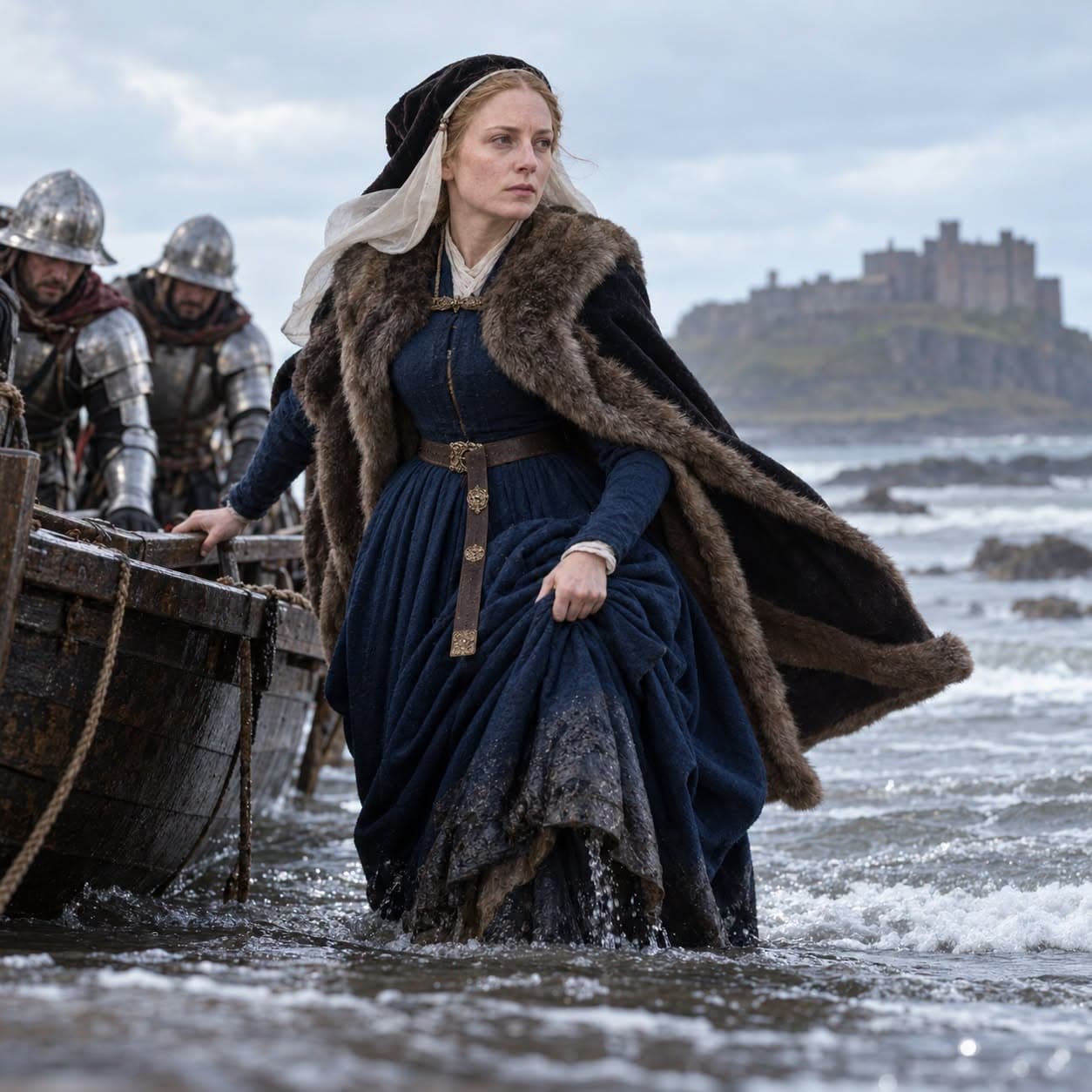
She was thirty-two when she returned to England with French soldiers. Her only son had been written out of the succession. To fight for his inheritance, she had pledged a piece of it.
They brought her to a queen her husband had called his sister. He had gone to war against that queen's husband for the crown. Now the king he had fought was paying for her horses.
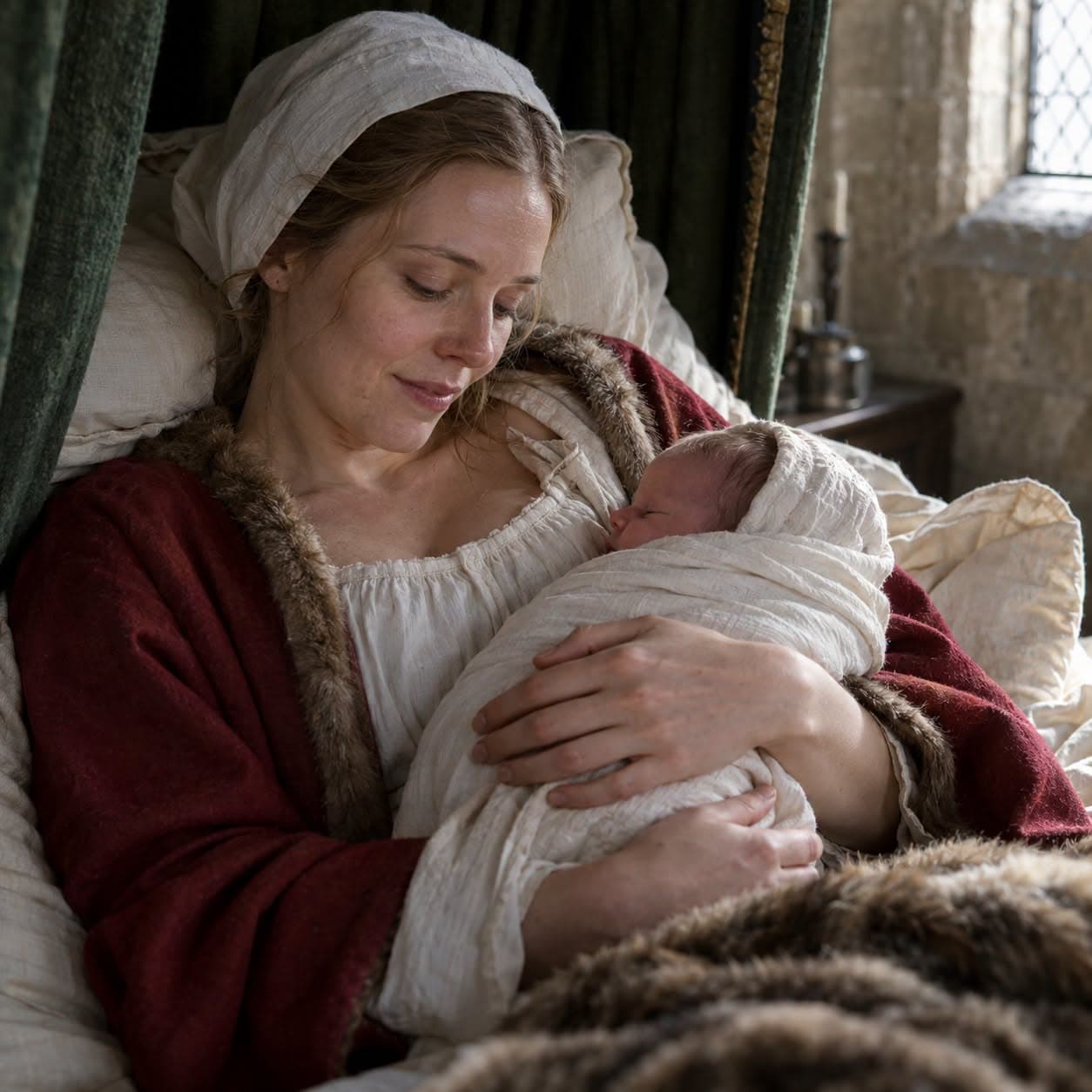
Cecily Neville was thirty-four when she gave birth to George inside Dublin Castle. Another of her sons would one day become his king. That same son would have him executed.
He wrote to his seven-year-old son and told him to obey his mother. If anyone advised the boy otherwise, he was to treat it as bad counsel. Until that winter Suffolk had been the most powerful man in Henry VI's government. He wanted no doubt about whose advice his son should trust.
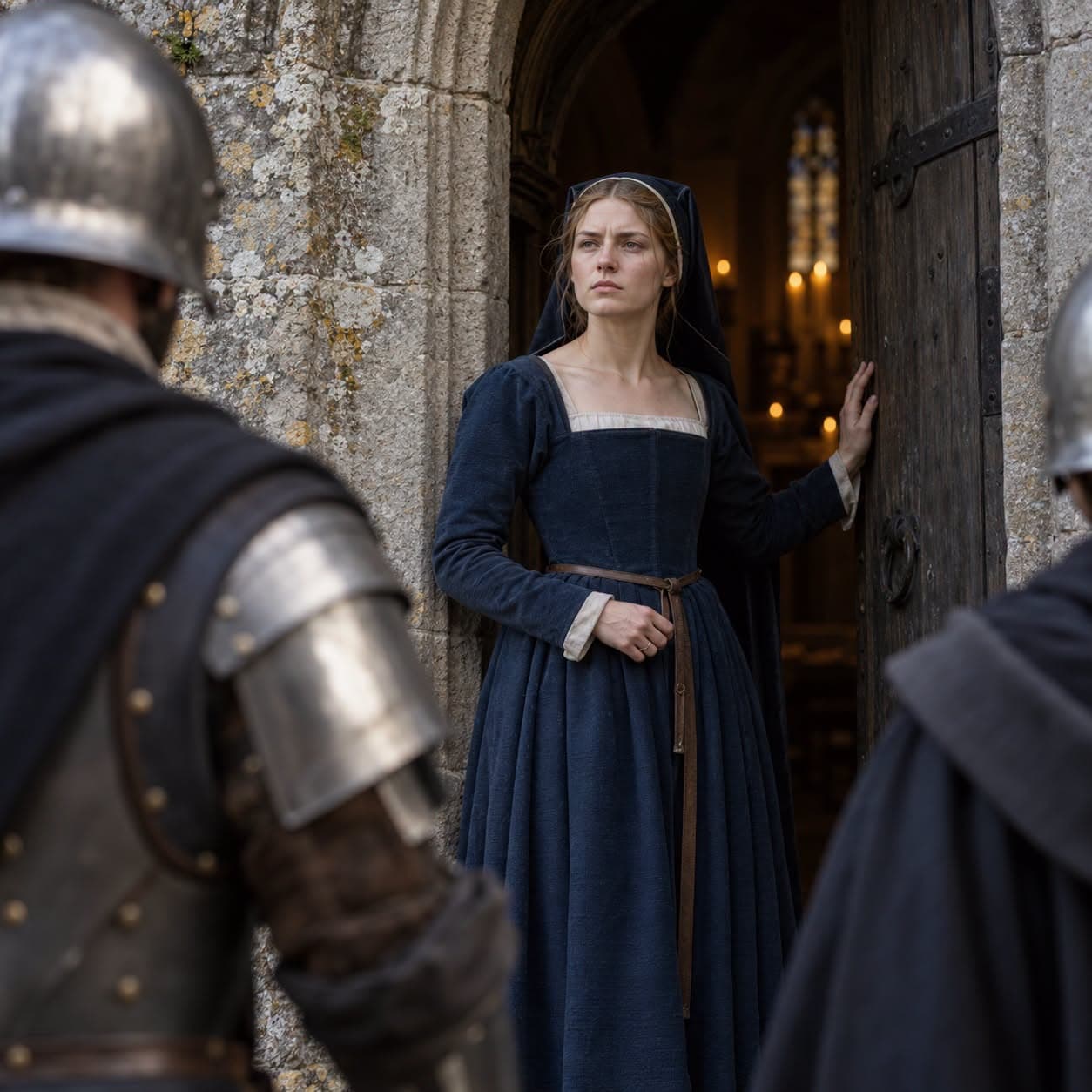
Margaret Beaufort’s first husband was born on 27 September 1442. Seven years later, he married her. She was likely only six years old. The pope only gave his blessing afterwards.
History remembers Margaret Beaufort as a devoted mother, a pious noblewoman, a woman who prayed for her son from a distance and wept when he finally came home. That is the story she wanted told. She was also the most dangerous political mind of the fifteenth century, and the two things are not separate.
It was the day Edward V was supposed to be crowned. "Bastard slips shall not take deep root." That was the sermon text chosen for the twenty-second of June 1483.
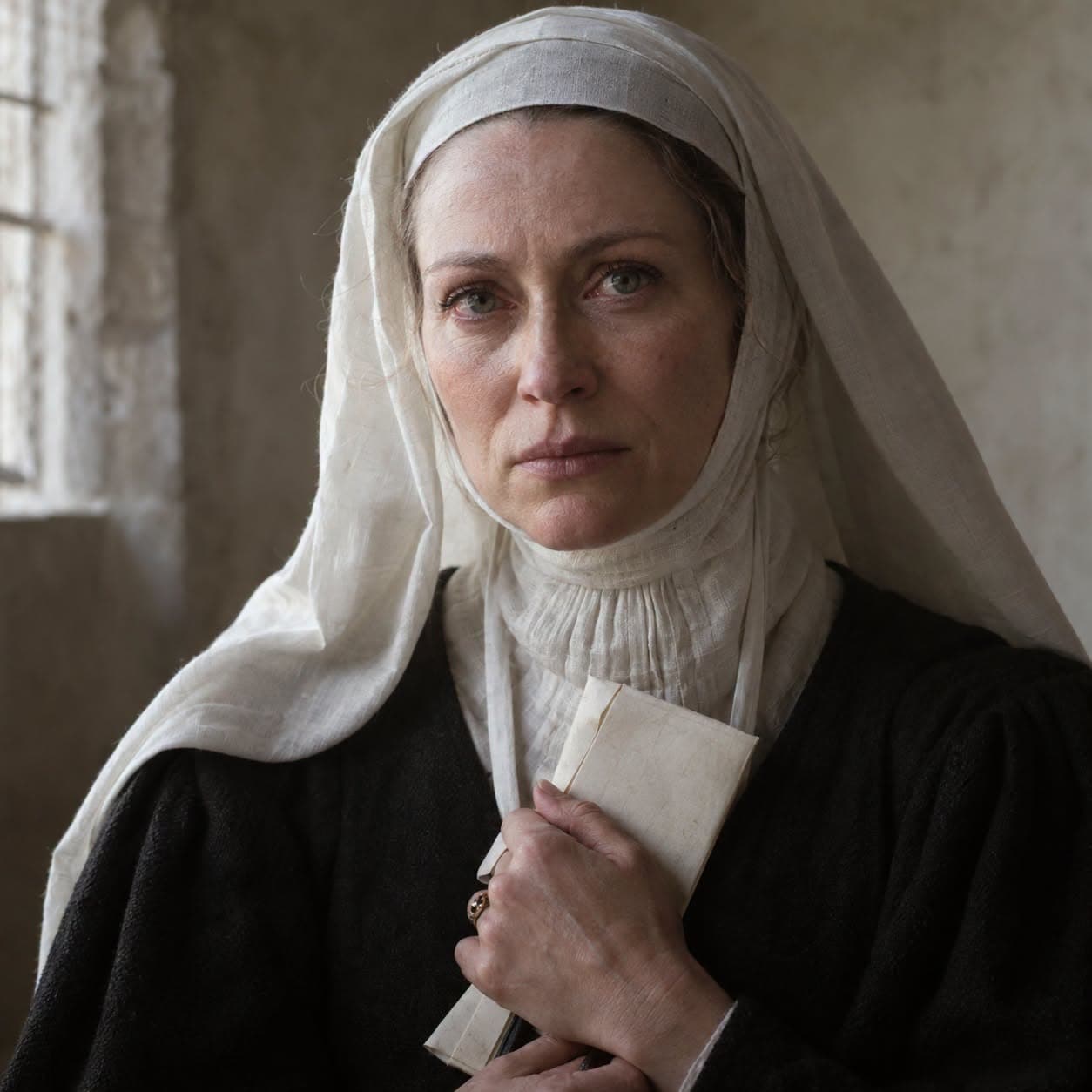
Edward IV died before anyone was ready for it. Elizabeth Woodville was ready within hours. She knew what the will said. She knew the threat a formal Protectorship posed to her family, and she knew the constitutional loophole that could render it void. She knew the coronation was the mechanism and the fourth of May was the date and speed was everything. What she did not know was that the information she was moving on was already moving against her, sent north in a sealed letter by a man who had been in the same room and drawn a different conclusion.