They brought her to a queen her husband had called his sister. He had gone to war against that queen's husband for the crown. Now the king he had fought was paying for her horses.
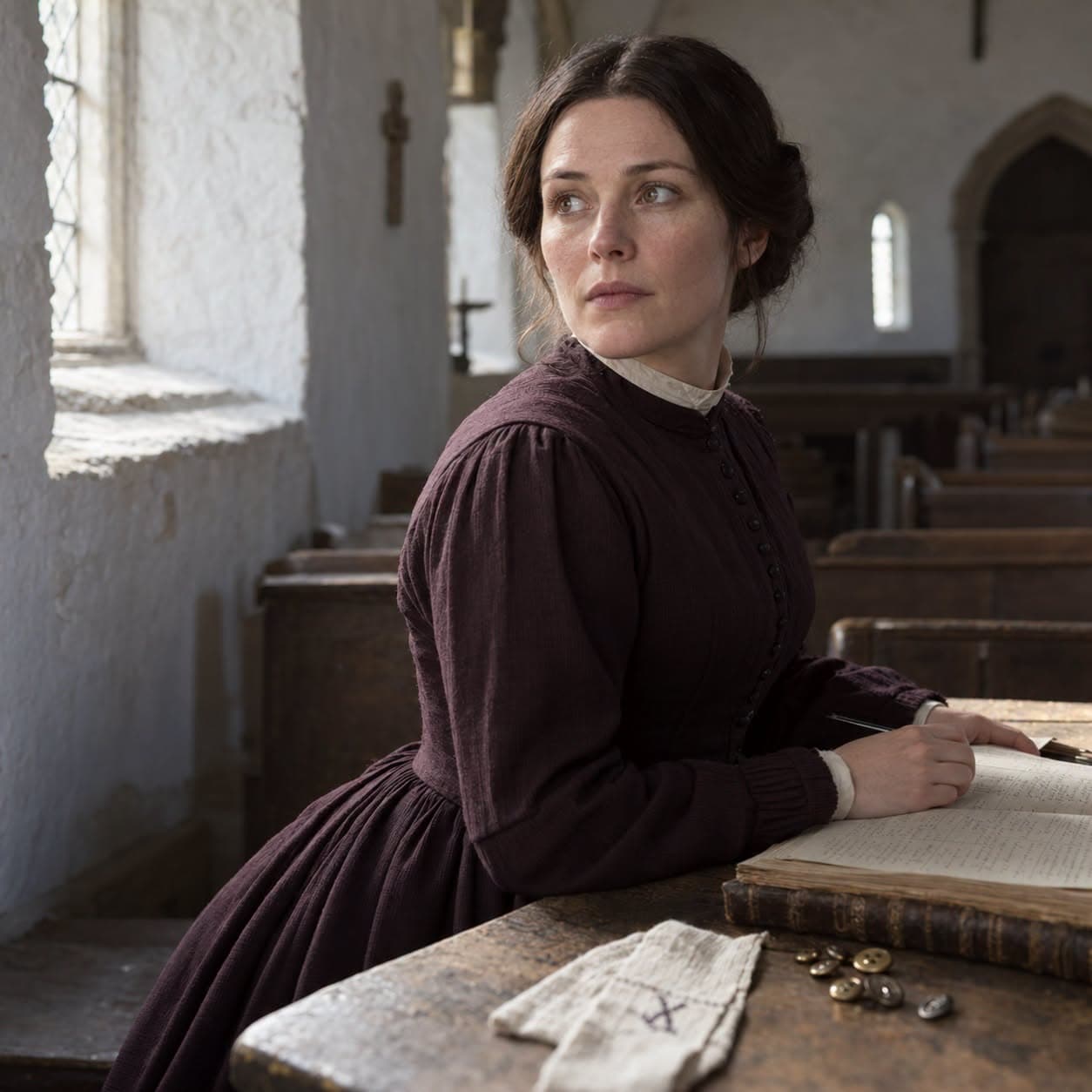
On or about 21 October 1497, Katherine Gordon arrived at Sheen to meet Elizabeth of York. Behind her lay a failed attempt to make her husband King of England. Ahead of her was a place in the household of the woman she might have displaced as queen.
Katherine was the daughter of George Gordon, Earl of Huntly, a Scottish nobleman whose standing did not depend on the success of an English rebellion. Her husband's position was another matter. He called himself Richard, Duke of York, the younger son of Edward IV. Henry VII's government called him Perkin Warbeck.
Richard and his elder brother, Edward V, had disappeared from public view in 1483 after being lodged in the Tower of London. Their sister Elizabeth had since married Henry. The missing boys belonged to her family before they belonged to anyone's argument about the succession. The man Katherine married had made the younger boy's identity the foundation of his claim to England.
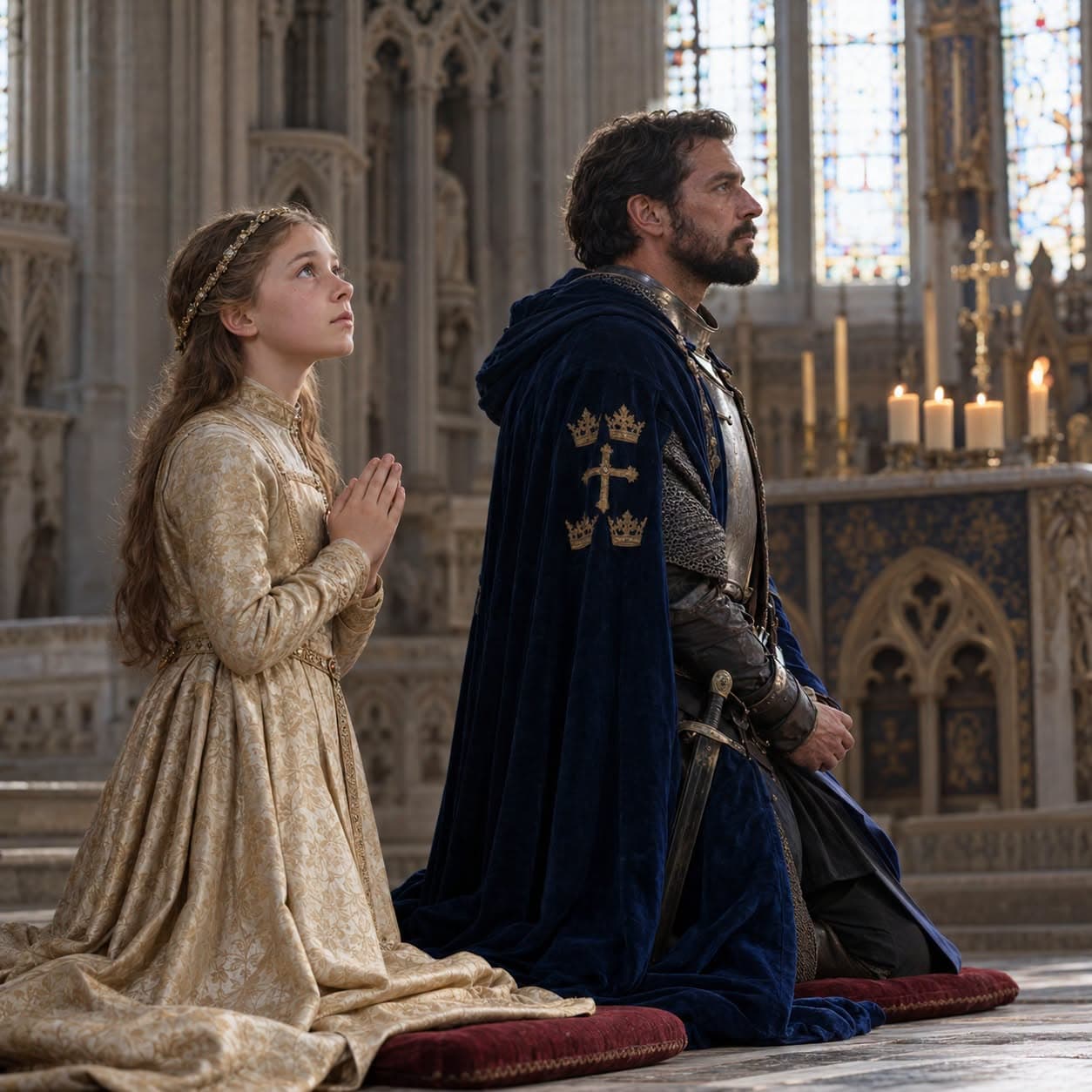
That claim had found powerful support. James IV received him in Scotland and supported his marriage to Katherine, probably in January 1496. There were wedding celebrations and a tournament. Katherine became known as the Duchess of York. For a daughter of Huntly, this was a marriage presented with royal backing, within a royal court. The English king might call the bridegroom an impostor. The Scottish king was helping him keep up the appearance of a prince.
By the autumn of 1497, Katherine was in Cornwall while her husband pursued his claim with an army. His attempt to take Exeter failed. He withdrew, abandoned his forces and sought sanctuary at Beaulieu. Henry's men secured his surrender. The prospective king was now in the keeping of the king he had intended to replace.
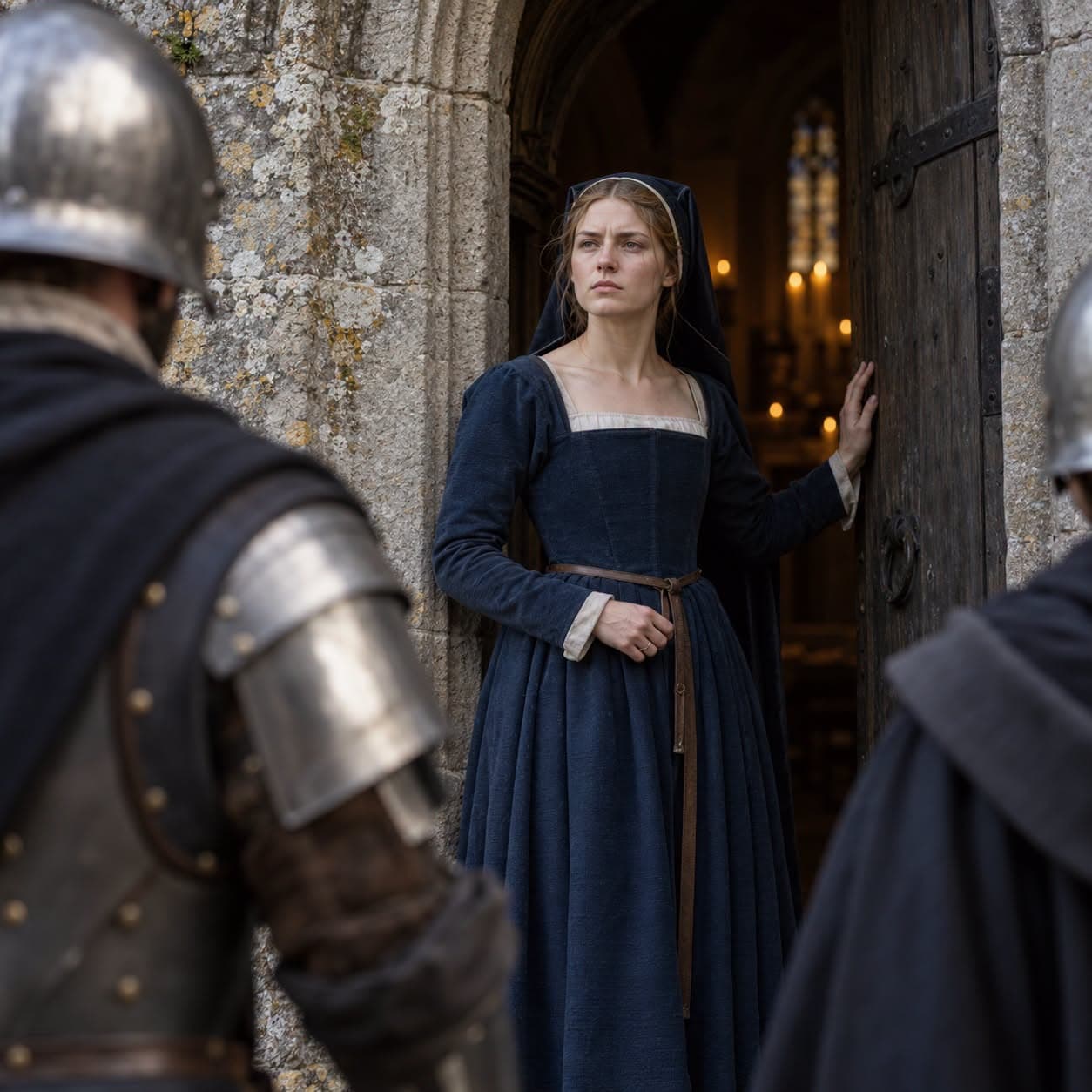
Katherine had sought sanctuary too, at St Buryan in Cornwall. Senior royal officers came for her, among them the Earl of Devon and Henry's chamberlain, Lord Daubeney. They persuaded her to give up the privileges of sanctuary, and she travelled on in Daubeney's company, kept, as he reported, "in security".
Her birth was still being recognised. Her destination was being decided for her.
Henry authorised twenty pounds for her food. Horses, saddles and other necessities were bought for her journey, the ordinary requirements of moving a woman across the country after the enterprise that had brought her there had fallen apart. A royal claimant could lose his following in a night. His wife still needed feeding the next day. The payment for her horses did not call her the Duchess of York. It called her my Lady Kateryn Huntleye, her father's daughter.
The accounts of her journey record a black velvet bonnet and a black satin gown supplied for her, together with an escort led by Windsor Herald and a company of ladies. These were the arrangements for a noblewoman. They were also arrangements made by her husband's captor.
Henry wrote that she "is in good surety for us". He had the claimant. Now he had the claimant's wife as well. The velvet, the food and the respectful attendance all belonged to the same situation. Care and custody travelled together.
At Sheen, the journey brought her before Elizabeth. Days earlier, the mayor and aldermen of London had met the queen on horseback at Bishopsgate as she returned from pilgrimage to Walsingham. Katherine came from the wreck of an attempt to overthrow the queen's husband. Between the two women stood a claim about a missing brother, a marriage made in Scotland and a crown that Henry still wore.
Their conversation is unrecorded.
What followed was a place for Katherine within Elizabeth's household, and accounts of her service place her among the queen's senior ladies. The woman who had been called Duchess of York was now serving the sister of the prince whose name her husband had claimed. She had entered the royal household, but through a very different door from the one his supporters had intended.
Warbeck was at first kept at court under guard. He and Katherine were both treated with consideration, but they were not allowed to sleep together. They were still married. The king decided how much of a marriage that meant. In the summer of 1498, Warbeck tried to escape. He was recaptured and imprisoned in the Tower.
On 23 November 1499, he was hanged at Tyburn. Katherine remained at court. His execution left her a widow, but it did not touch the standing she had been born with. She was still the Earl of Huntly's daughter, and the royal household went on providing for her.
In April 1502, she received black and crimson velvet for a gown and black kersey for stockings. The man who had brought her into English politics had been dead for more than two years. The household that had taken her in was still clothing her.
Elizabeth died in February 1503. Katherine was among the women who followed her funeral, and at Westminster Abbey she was one of the ladies who offered a pall to be laid across the coffin. More than five years earlier, she had been brought to the queen as the wife of a man who called Elizabeth his sister. Now she offered cloth for the queen's coffin.