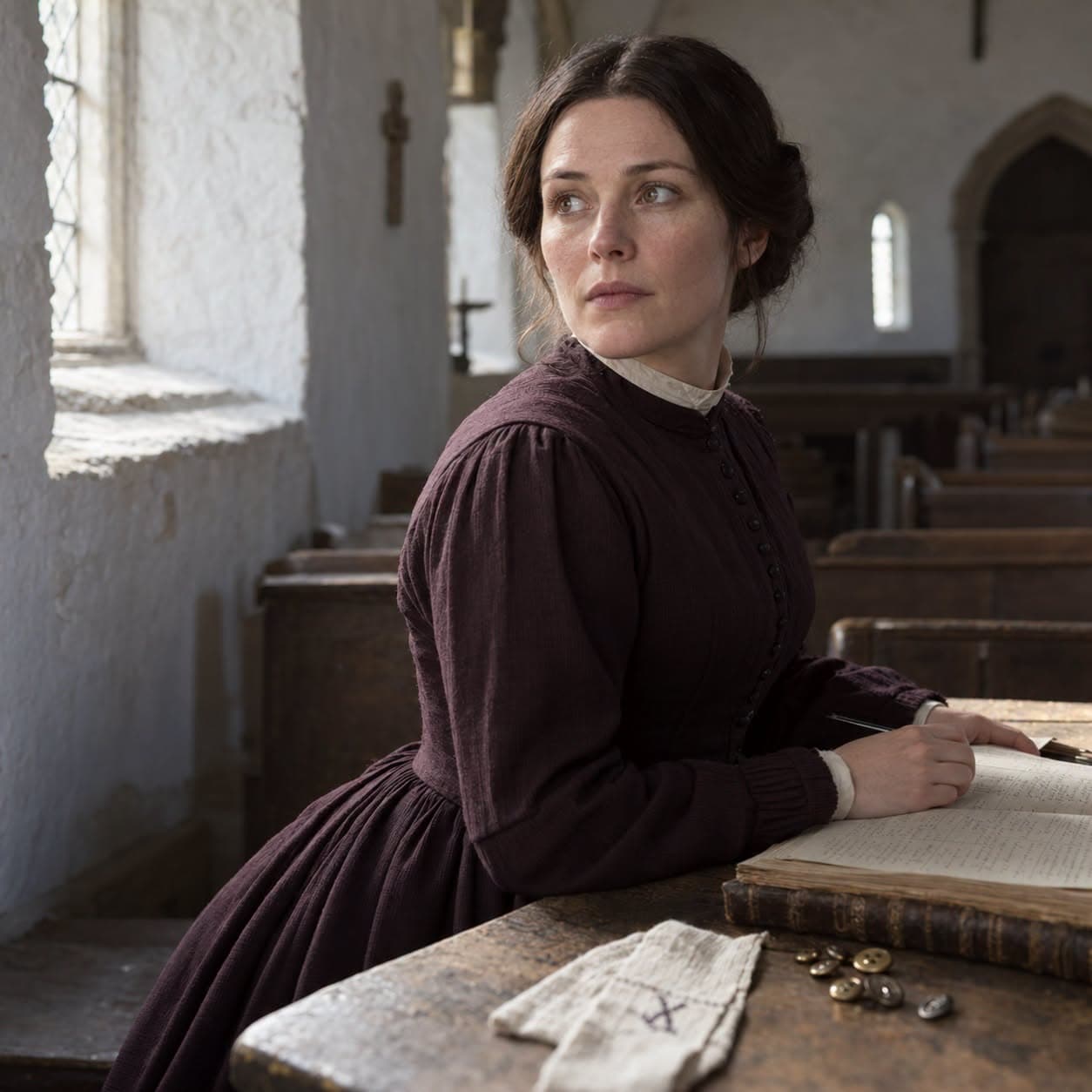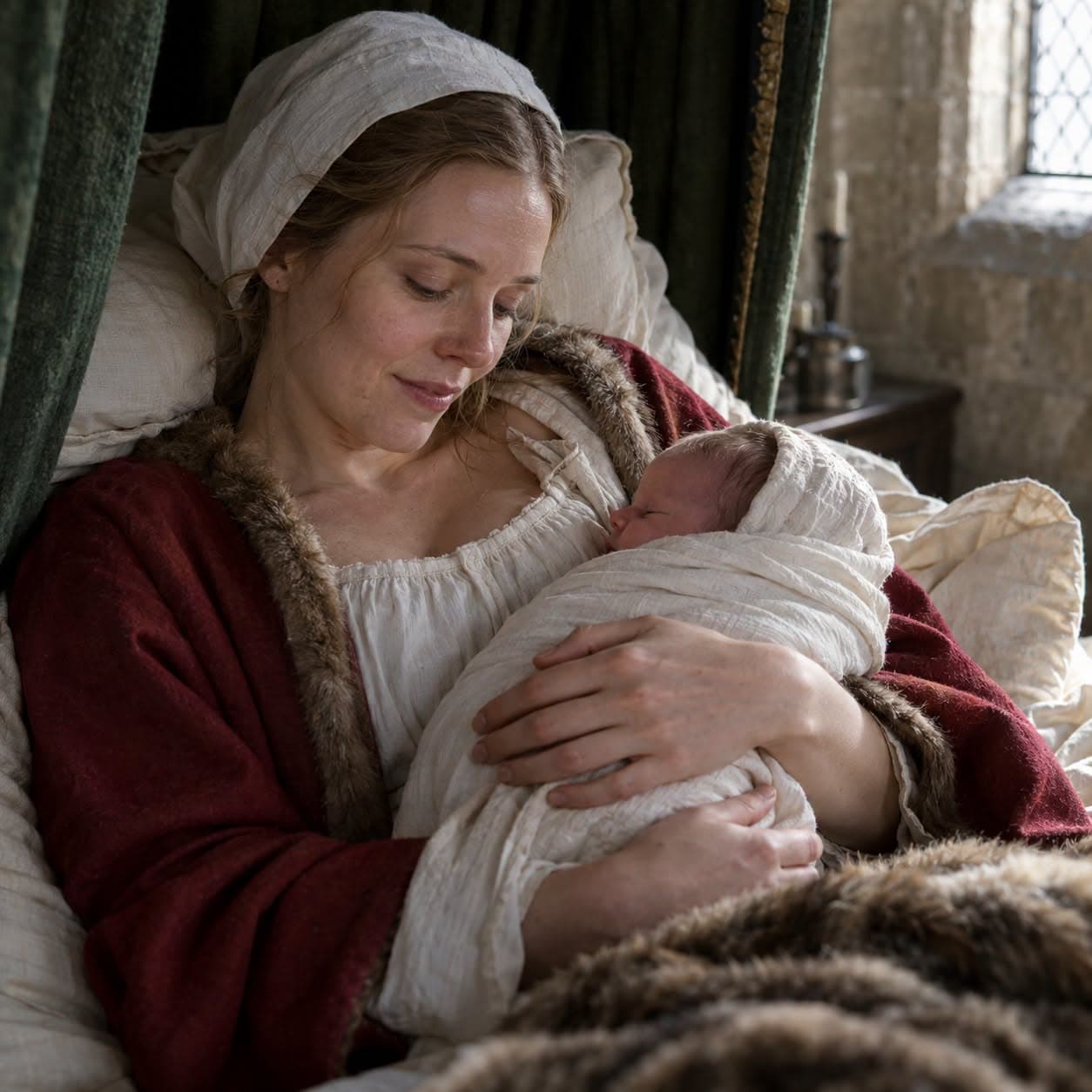
Cecily Neville was thirty-four when she gave birth to George inside Dublin Castle. Another of her sons would one day become his king. That same son would have him executed.
Cecily Neville's baby was born on 21 October 1449, while her husband, Richard, Duke of York, was serving as Henry VI's lieutenant in Ireland. George was not born a king's brother. His father was a great landowner carrying out the king's government, and his mother was a duchess whose marriage had already taken her between England, France and Ireland. The crown still belonged to someone else.
Richard had arrived in Ireland that July. He had inherited extensive lands there, and his work depended on securing the support of men whose loyalties could not simply be commanded from England. At George's baptism, the earls of Desmond and Ormond stood as his sponsors. The FitzGeralds of Desmond and the Butlers of Ormond were two of the great rival houses of English Ireland. Now their heads were joined in a religious obligation to the same child. A ducal baby's christening could do useful work before the baby could do anything at all.
Cecily belonged to a family accustomed to such connections. The Nevilles were woven through the nobility, and her husband trusted her with business and political responsibilities. Her children inherited those relationships along with their names. In Dublin, George acquired powerful godfathers. Within a decade, his mother would be negotiating with the king for the means to support him.
In the autumn of 1459, Richard's struggle with Henry VI's government ended in flight from Ludlow. Cecily remained in England with her younger children while her husband and the older boys escaped. Parliament declared Richard a traitor and confiscated his estates. The wealth that had maintained the family could now be withheld from the wife and children he had left behind.
Cecily persuaded Henry to allow them some of the revenues from Richard's lands. It was a practical victory, obtained from the king her husband had defied. Whatever the men intended to settle with armies, the children still needed a household and someone had to pay for it. Their mother secured the provision.
Then her husband returned and claimed the throne. Parliament agreed that he should succeed Henry, but he did not live to do so. In December 1460, Richard and their son Edmund were killed at Wakefield. Cecily was left with one grown son still fighting in England, Edward, and two younger boys whose father's claim had made them dangerous to keep within reach.
She sent George and Richard abroad for safety. George was eleven; Richard was eight. They found refuge in the Low Countries while she remained in London to support Edward. She had obtained money for the children when their father was driven out. Now their father was dead, and she sent them where his enemies could not so easily reach them.
They came home as the brothers of Edward IV. In 1461, the new king made George Duke of Clarence. Cecily became the king's mother, with wealth and influence of her own. Birth had given George a brother. Victory had given him a sovereign.
The distinction became harder to manage as they grew older. In 1469, George married Isabel Neville, daughter of the Earl of Warwick, against Edward's wishes. Warwick was Cecily's nephew. Before they sailed for Calais, Cecily spent five days with them at Sandwich. The rebellion that followed brought her son and her nephew together against her other son, and Edward was taken prisoner. The same family connections that had helped sustain the House of York now ran through both sides of its quarrel.
Cecily tried to bring them together again. In early March 1470, Edward and George stayed with her at Baynard's Castle, her London home. For a time there was the appearance of agreement. On 6 March, Edward left London. Within days, George and Warwick were in rebellion again.
Cecily stayed in London through Edward's overthrow and Henry VI's brief restoration. She worked to draw George back to his brother's allegiance. By the spring of 1471 he had returned to Edward's side, and when Edward recovered London he brought his wife to his mother's lodgings. They heard divine service there on the night before Good Friday, and again the following morning. In the same house, the king consulted his lords about the fighting still ahead. Prayer, family and the business of recovering a kingdom occupied the same address.
Her sons were on the same side again.
The peace lasted six years. In December 1476 Isabel died at Warwick, weeks after giving birth to a son who survived her by little more than a week. George found someone to blame. In April 1477 his men seized Ankarette Twynyho, who had served Isabel, from her home in Somerset, and within three days she had been tried at Warwick for poisoning the duchess and hanged. Soon afterwards one of George's own household was executed for treason, and George had the condemned man's protest of innocence read out before the king's council. That summer Edward had his brother arrested.
By January 1478, Edward was accusing George before Parliament of treason, including plotting against the king and his heirs. The king himself led the case, and no one but the king spoke against the duke. Parliament passed the act that condemned him. The royal authority that had once made George a duke was now being used to destroy him.
George was executed inside the Tower of London on 18 February 1478. How he died was never officially recorded, and within a few years people were saying he had been drowned in a butt of malmsey wine, a story repeated ever since and never proved. The child Cecily had borne in Dublin was twenty-eight. His mother was sixty-two. She outlived Edward, the son who had condemned him, and Richard, the boy she had sent abroad with him, and when she died in May 1495 she had buried every one of her sons.