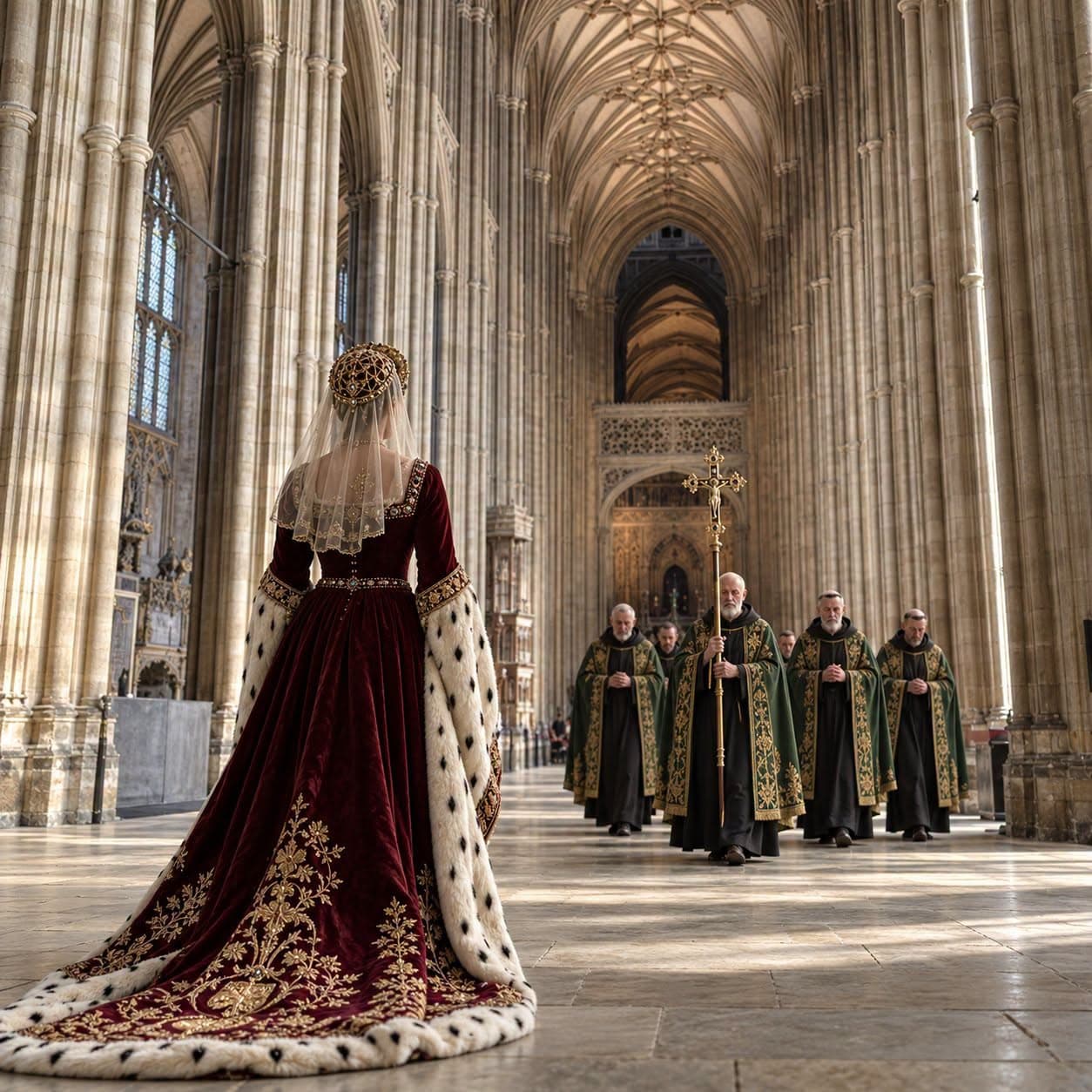
Less than a year earlier, Elizabeth Woodville had entered a great church as the pregnant wife of a deposed king seeking sanctuary. On 28 September 1471, the monks of Canterbury Cathedral came to the door to receive her as queen.
561 Years ago today.. On the twenty-sixth of May 1465, Elizabeth Woodville was crowned Queen of England at Westminster Abbey, precisely one year after a marriage the court had not been told about until four months after it happened.
Edward IV died before anyone was ready for it. Elizabeth Woodville was ready within hours. She knew what the will said. She knew the threat a formal Protectorship posed to her family, and she knew the constitutional loophole that could render it void. She knew the coronation was the mechanism and the fourth of May was the date and speed was everything. What she did not know was that the information she was moving on was already moving against her, sent north in a sealed letter by a man who had been in the same room and drawn a different conclusion.
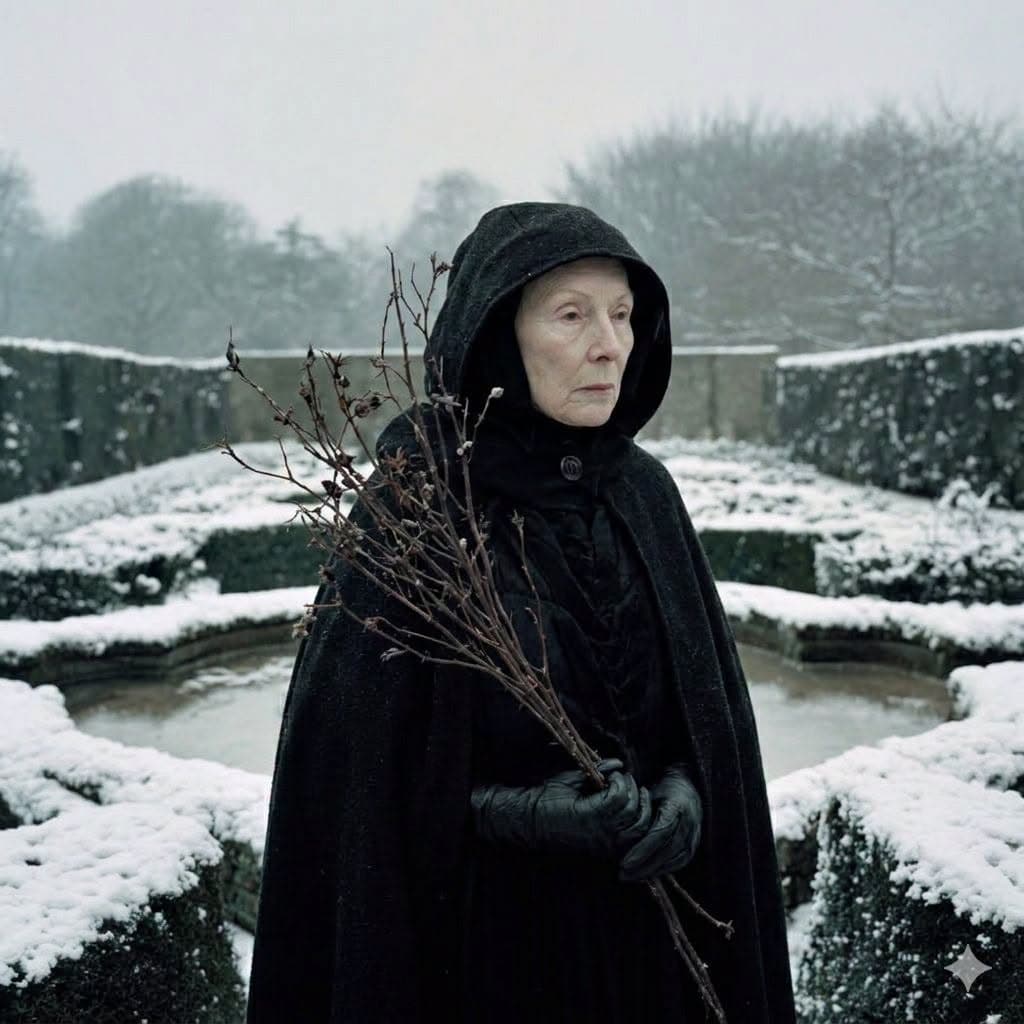
She had been Queen of England. She died in a convent with nothing, having asked for a quiet funeral with no expense. No explanation was ever recorded. Henry VII never gave one.
Cecily was the youngest of her father's twenty-two children and would give birth to twelve of her own. Thirty-three years after giving birth to her youngest son, she had outlived her husband, all her sons, and the dynasty they had built.
History remembers Margaret Beaufort as a devoted mother, a pious noblewoman, a woman who prayed for her son from a distance and wept when he finally came home. That is the story she wanted told. She was also the most dangerous political mind of the fifteenth century, and the two things are not separate.
It was the day Edward V was supposed to be crowned. "Bastard slips shall not take deep root." That was the sermon text chosen for the twenty-second of June 1483.
Edward IV died before anyone was ready for it. The Woodvilles were ready within hours. Richard of Gloucester did not know his brother was dead for ten days.
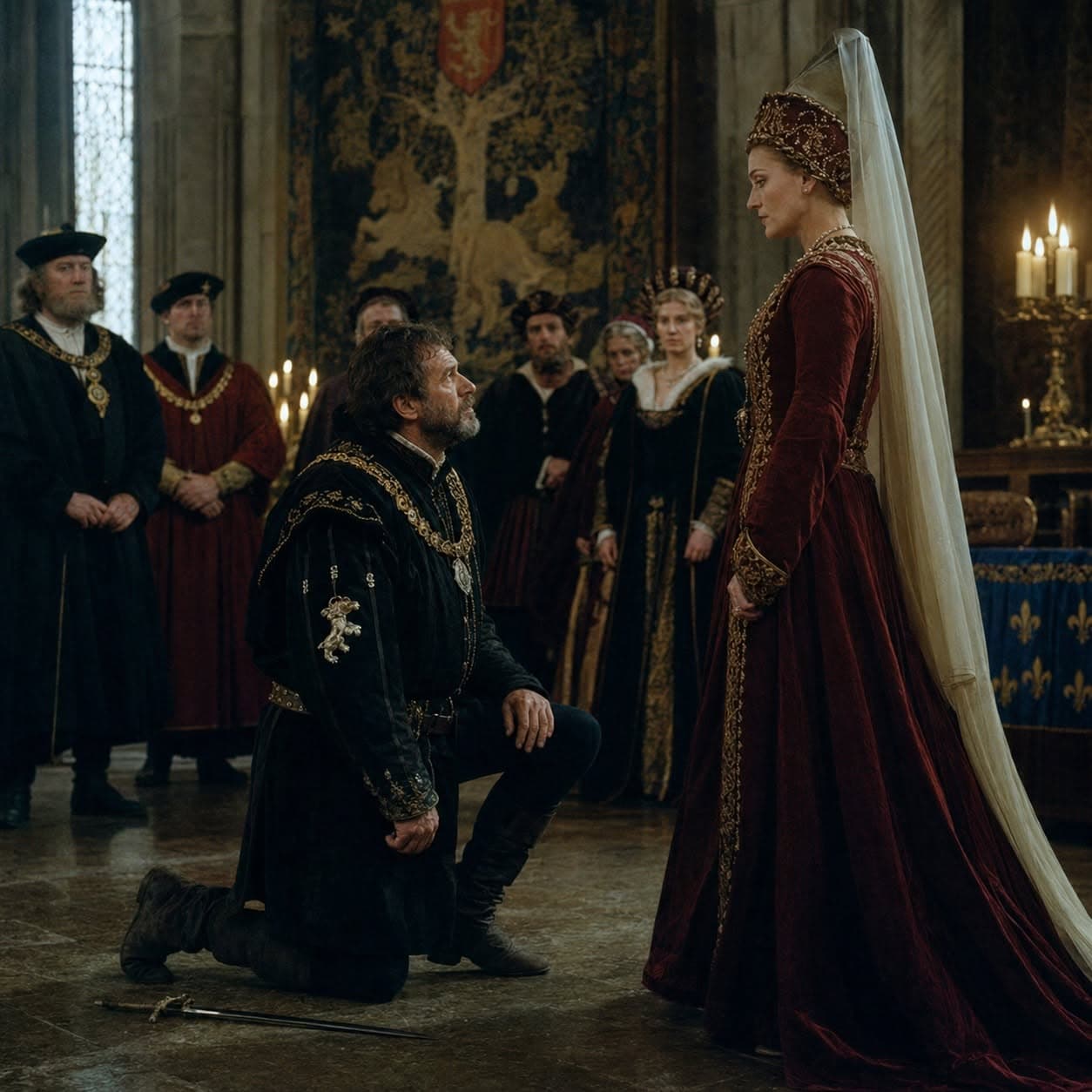
In the summer of 1470 Richard Neville, Earl of Warwick, knelt before Margaret of Anjou in a French court and asked for her help. She had been waiting nine years for someone with an army. He was the man who had made that wait necessary. They both understood what the meeting was. They did it anyway.