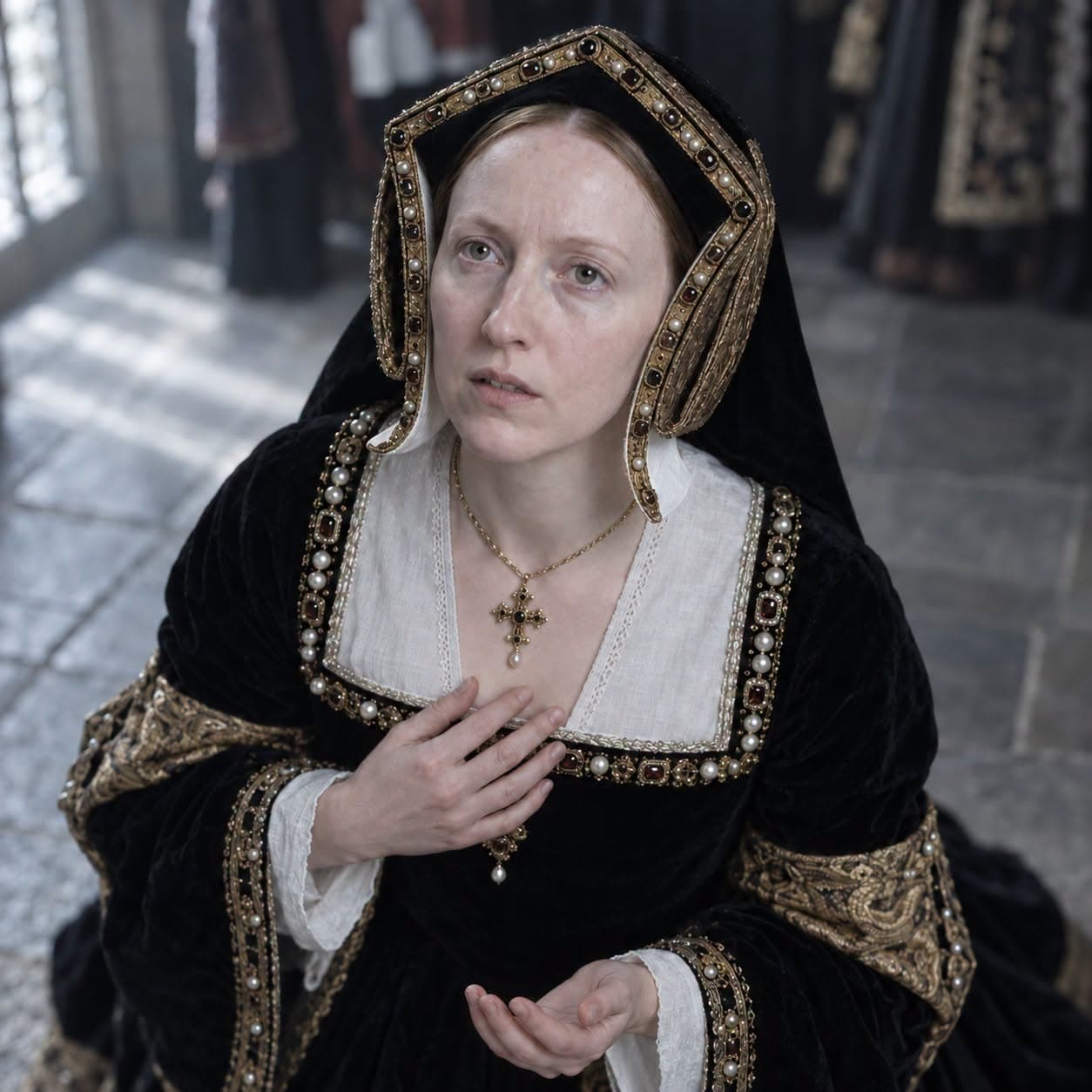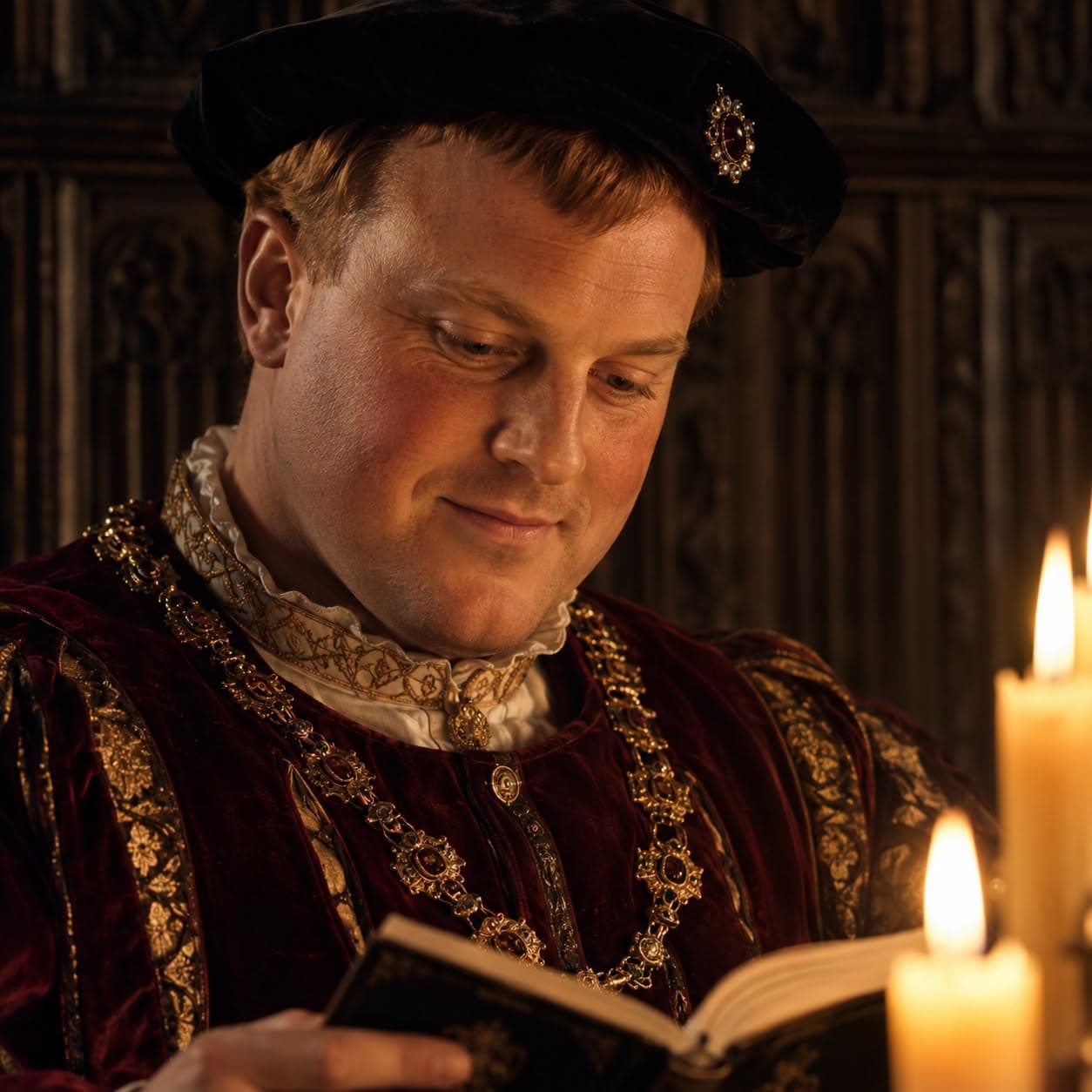

561 Years ago today.. On the twenty-sixth of May 1465, Elizabeth Woodville was crowned Queen of England at Westminster Abbey, precisely one year after a marriage the court had not been told about until four months after it happened.
The ceremony was overseen by Thomas Bourchier, the Archbishop of Canterbury, who placed the crown upon her head in front of the assembled English nobility. This event was the highly visible culmination of a deliberate political strategy by King Edward IV. By marrying an English subject, Edward fundamentally altered the traditional expectations of a medieval king and discarded the established use of marriage as a tool for international diplomacy.
The court gathered in the abbey was required to bow to a queen whose elevation significantly shifted the domestic balance of power. While her mother was Jacquetta of Luxembourg, a woman of the highest aristocratic rank, the established nobility objected to the rapid rise of her father, Richard Woodville, who had recently been elevated to Earl Rivers. They resented the wealth and influence that now flowed toward the new queen and her large extended family. The coronation forced these established lords to formally accept a new hierarchy within the Yorkist court.
The most significant tension in Westminster that day surrounded Richard Neville, the Earl of Warwick. Warwick was the primary architect of Edward's rise to the throne and had spent the previous year actively negotiating a diplomatic marriage for the king with the French court. Edward revealing his pre-existing union with Elizabeth had humiliated Warwick internationally. The coronation ceremony was the ultimate public confirmation that the Kingmaker had been entirely bypassed on the most crucial political decision of the reign.
The physical reality of the coronation underscored this new political era. Elizabeth arrived at Westminster dressed in regal purple velvet and walked barefoot upon striped ray cloth into the abbey, following the traditional display of humility before God. Yet the function of the day was an assertion of undeniable authority. Every lord and lady present was obliged to participate in the pageantry, kneel before the altar, and swear their allegiance. When she emerged from the abbey as an anointed queen, Elizabeth Woodville had definitively secured her position at the center of English politics.