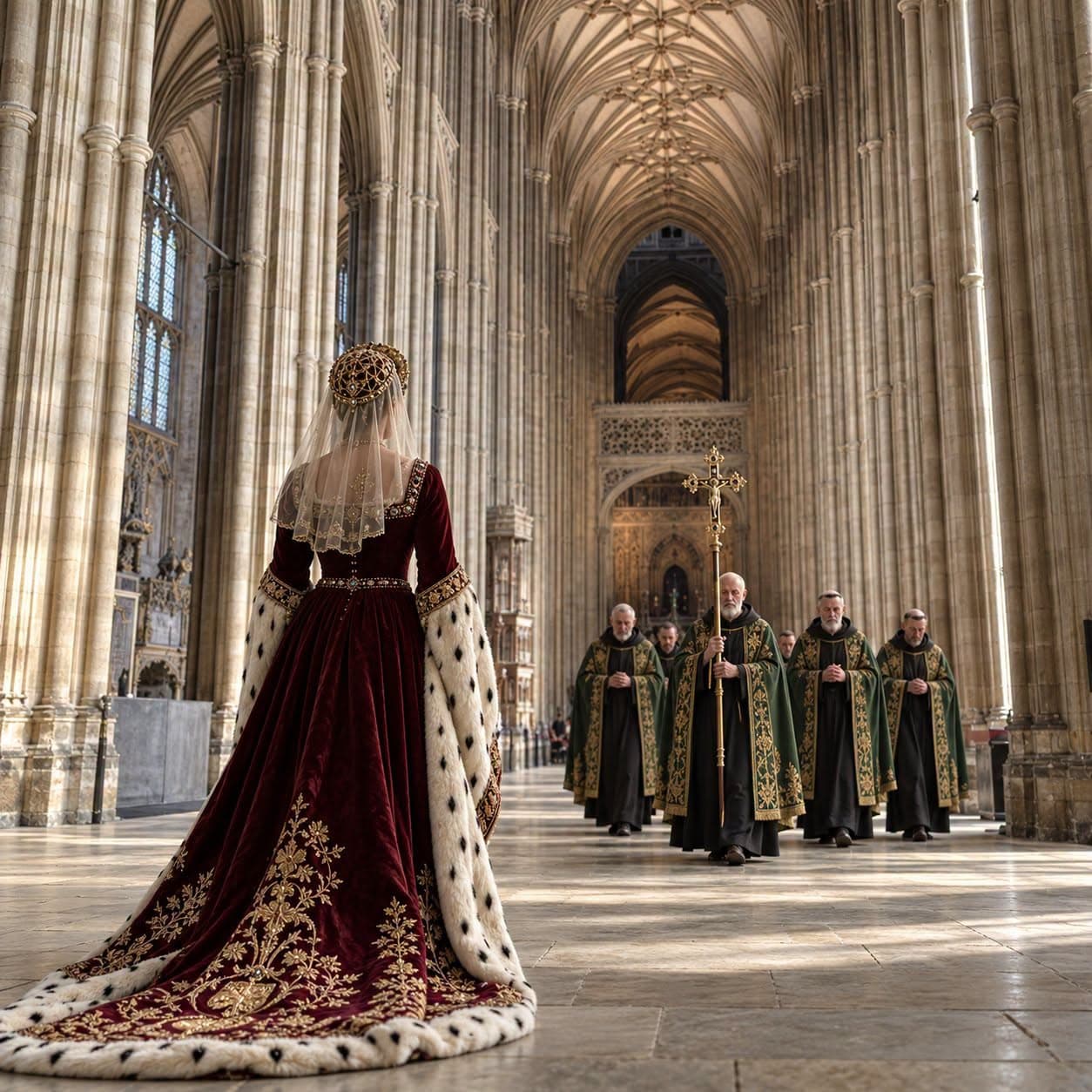
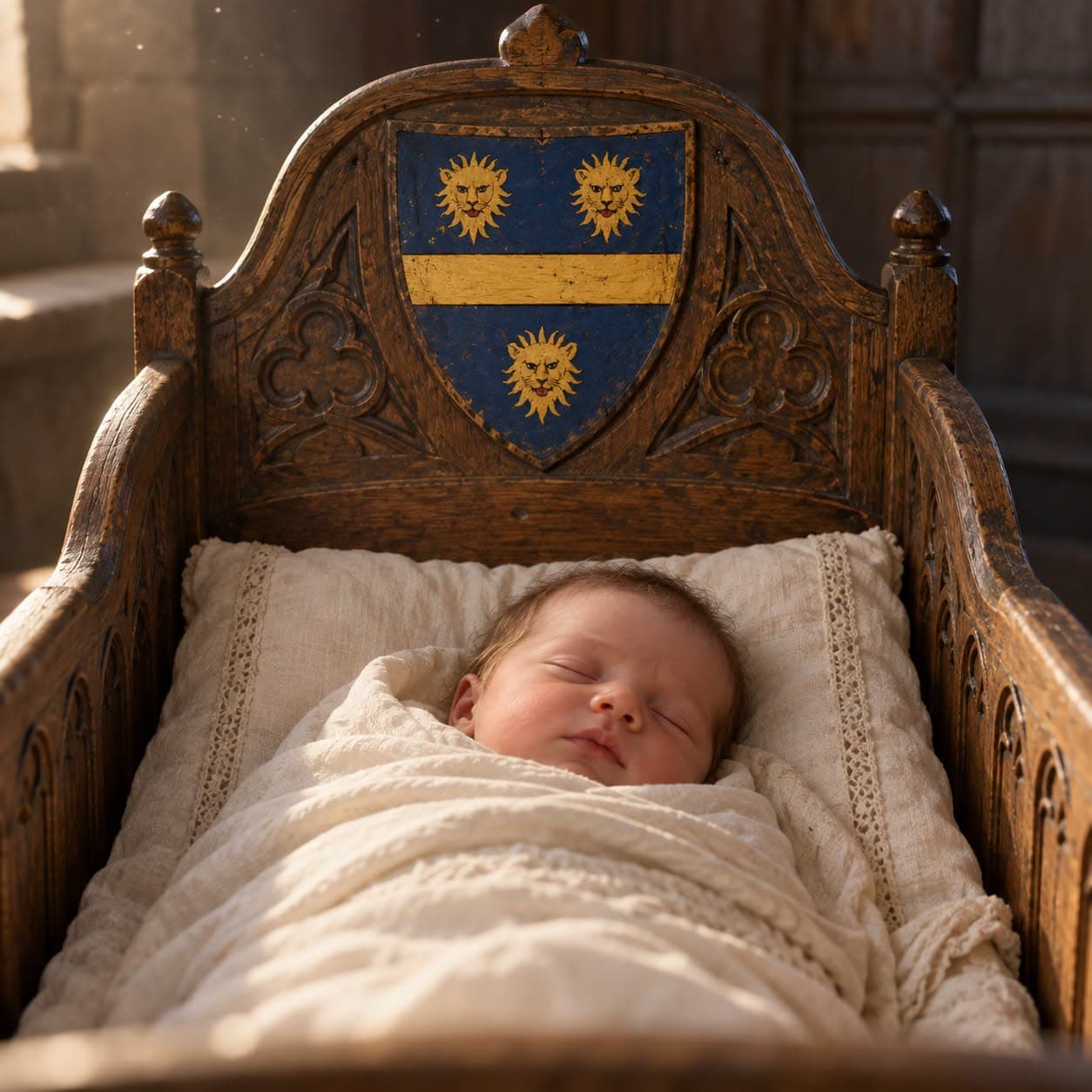
Less than a year earlier, Elizabeth Woodville had entered a great church as the pregnant wife of a deposed king seeking sanctuary. On 28 September 1471, the monks of Canterbury Cathedral came to the door to receive her as queen.
She kept a secret her whole life. She died with it. Fifteen years later, two boys were taken into the Tower on the strength of it, and they were never seen again.
Cecily was the youngest of her father's twenty-two children and would give birth to twelve of her own. Thirty-three years after giving birth to her youngest son, she had outlived her husband, all her sons, and the dynasty they had built.
Margaret Beaufort’s first husband was born on 27 September 1442. Seven years later, he married her. She was likely only six years old. The pope only gave his blessing afterwards.
She sent Anne Boleyn a monkey. She sent Jane Seymour quails. She housed Anne of Cleves for a fortnight. She put her own daughter in the path of the king. None of it was kindness. All of it was survival. For seven years it worked. Then it didn't.
He had convinced the Holy Roman Emperor that he was the rightful King of England. He watched from his ship as the men of Kent lured his soldiers ashore with friendly words and killed them on the beach. He never set foot on English soil.
History remembers Margaret Beaufort as a devoted mother, a pious noblewoman, a woman who prayed for her son from a distance and wept when he finally came home. That is the story she wanted told. She was also the most dangerous political mind of the fifteenth century, and the two things are not separate.
It was the day Edward V was supposed to be crowned. "Bastard slips shall not take deep root." That was the sermon text chosen for the twenty-second of June 1483.
On the evening of the twenty-ninth of April 1483 Anthony Woodville dined with Richard of Gloucester at Northampton. The sources describe the dinner as apparently amicable.