Queen Victoria was twenty-five, riding into the City in a coach drawn by eight cream-coloured horses. London had given her a grand welcome before. This time, she had her husband beside her.
On 28 October 1844, Queen Victoria went in state to open the rebuilt Royal Exchange. The previous building had burned in 1838, leaving the City's merchants and brokers without their great meeting place. Its replacement, designed by William Tite, rose on the same site in Cornhill, with a vast portico and an open courtyard at its heart. Albert had laid the foundation stone in January 1842. Now Victoria would declare the finished building open.
She had dressed for the occasion in white and silver brocade. A large diadem had been taken apart to trim the gown, while a diamond fringe and necklace had been arranged as a diadem for her head. Even the jewels had been given more than one job. Beside her, Albert wore the uniform of the Artillery Company. Six other carriages followed, with Life Guards, Yeomen of the Guard and footmen walking beside the state coach.
People filled the streets, crowded the windows and climbed onto housetops. There was a good deal of fog, with occasional gleams of sunshine. At the City boundary the Lord Mayor brought the sword to the carriage, then carried it before them during the ceremony. There were rules for bringing a queen into the City, and the City intended to observe them handsomely.
Victoria enjoyed it. The welcome gratified her, and she understood the enthusiasm as affection for the life she and Albert shared. She credited him with their happy domestic life, and took particular pleasure in the respect she believed he had earned. In her account of a day organised around her own office, she kept returning to her husband.
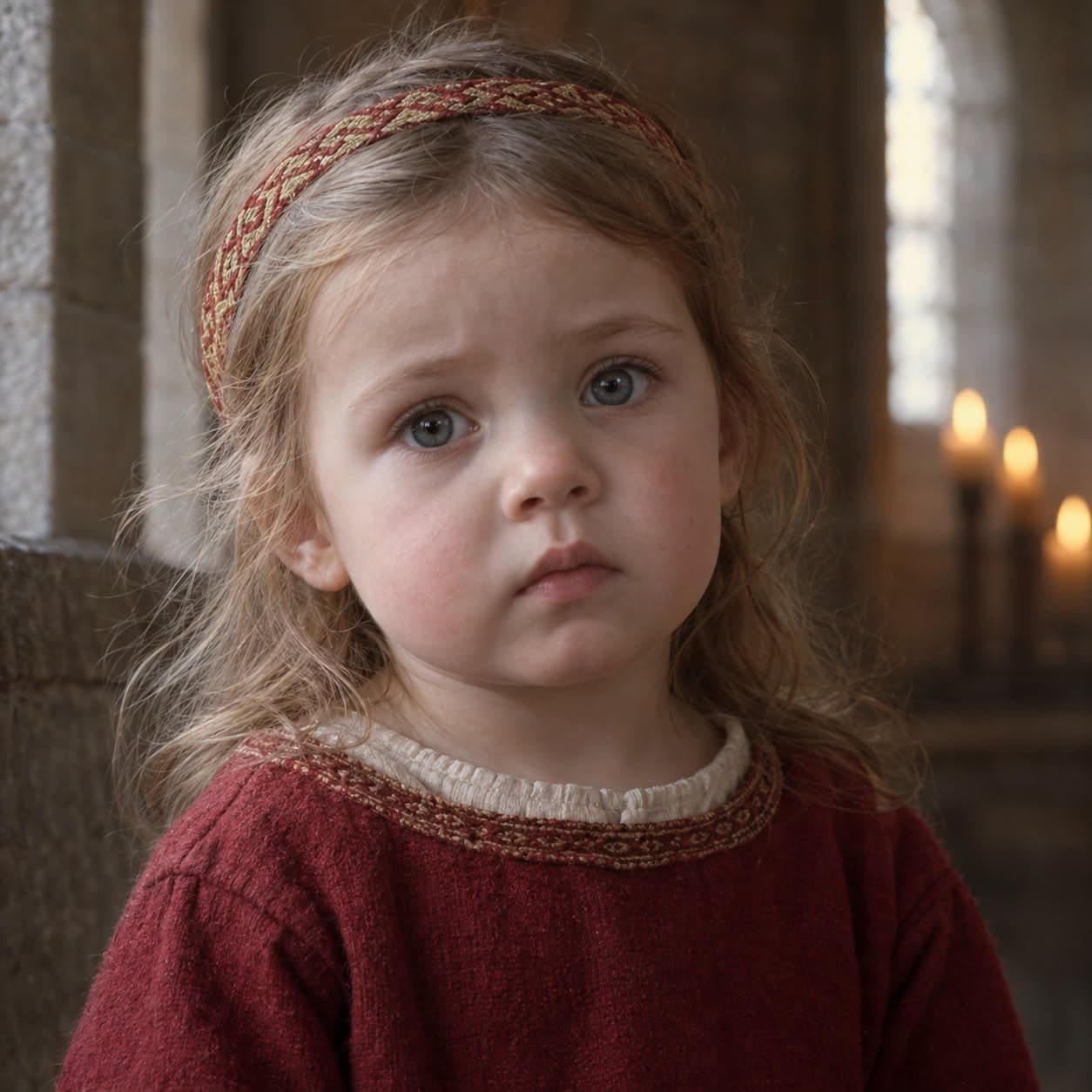
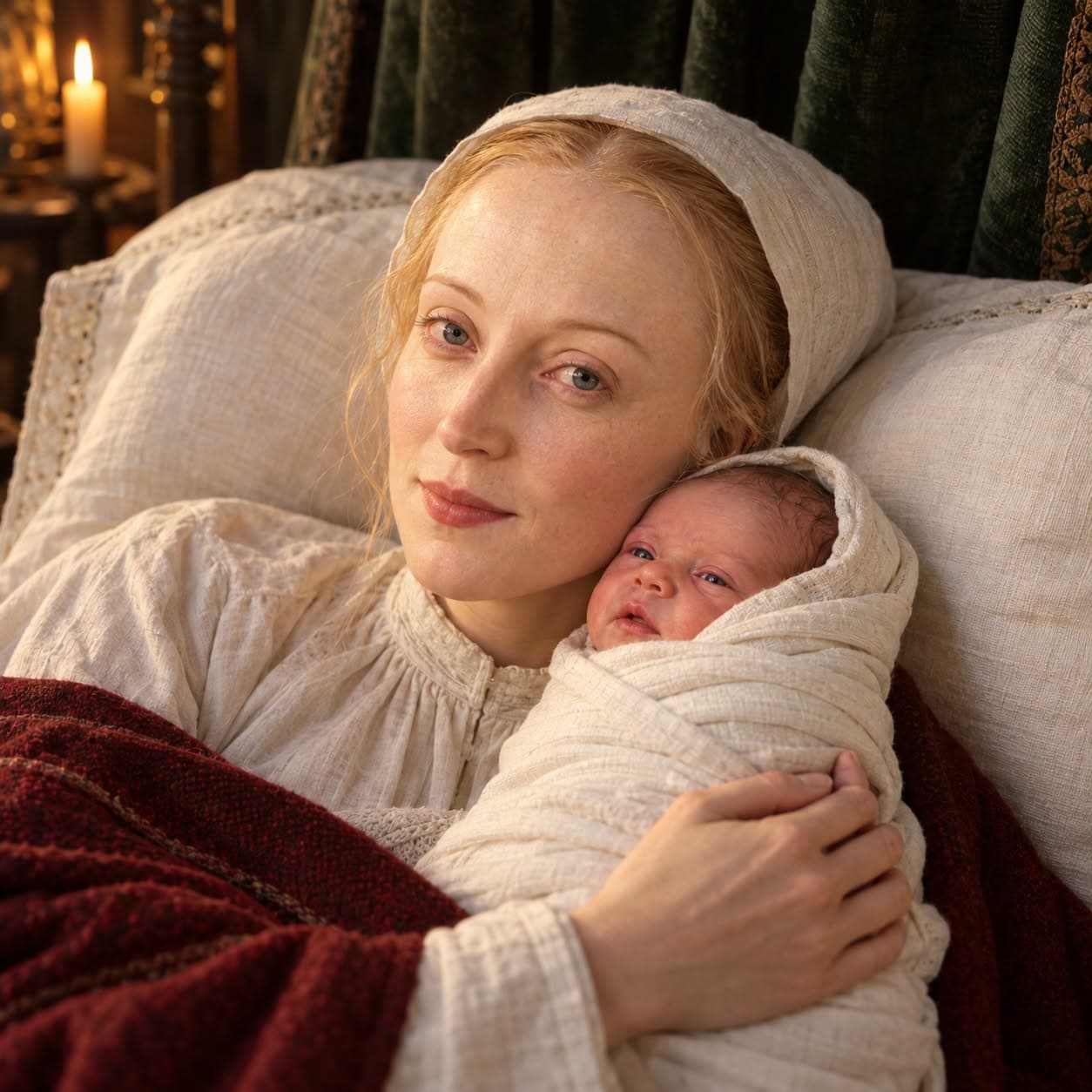
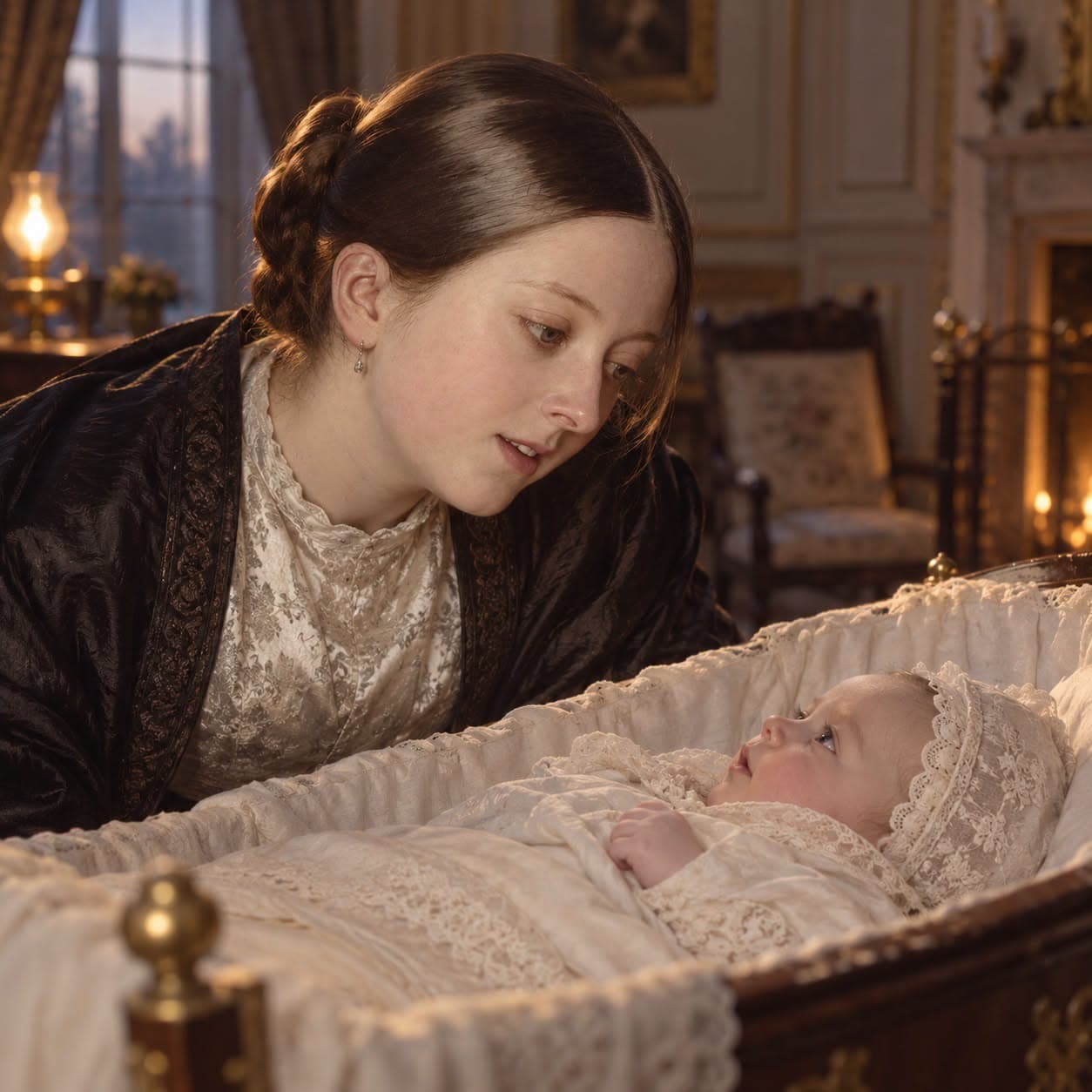
They had married in February 1840. Less than five years later, they had four children, all under four: little Victoria, Albert Edward, Alice and Alfred. The youngest had been born that August and was not yet three months old. Behind the elaborate public appearance was a household still filling with small children, and the children were at Windsor while their parents went to the City.
At the Exchange, bands played, bells rang and the people cheered. The sound of it quite moved her. The royal party processed slowly around the quadrangle before she received the City's address in a room prepared with a chair of state. In her reply to the Lord Mayor, she announced her intention to make him a baronet in commemoration of the day. The City had prepared its honours for her arrival. She had one to give in return.
Then came the déjeuner in Lloyd's rooms. Victoria sat between Albert and her uncle, the Duke of Cambridge, while the Lord Mayor gave the toasts from behind her chair. A flourish of trumpets announced them; enthusiastic responses followed. The meal was splendid, and it brought another City entertainment back to her.
In November 1837, she had gone to dine at Guildhall as an eighteen-year-old queen, only months into her reign. There had been a state procession then, too, and the Lord Mayor's welcome, and the crowded streets. London had already shown that it knew how to entertain her. She had been unmarried then. Now, seated at another magnificent City table, she had Albert beside her, and that was the difference she singled out. His company made the whole occasion pleasanter.
After the meal, the procession formed again and returned to the quadrangle. In the centre of the tessellated pavement, she read the declaration: "It is my royal will and pleasure that this building be hereafter called the Royal Exchange." Trumpets sounded again, and applause followed.
Albert had laid its foundation stone. Victoria had spoken the words that formally opened it. His part in the beginning made the completion particularly interesting to her, but the declaration was hers to deliver. It was the young woman in white and silver who spoke as the sovereign.
The return was less elaborate. They left in a dress carriage drawn by two horses, without the walking procession that had accompanied the state coach. The cheers of the crowds followed them back to Buckingham Palace, and later that afternoon they returned to Windsor. At home, there was one more thing worth recording: "We found all the Chicks well."
There were no extra guests at dinner. They talked over the day's proceedings, and afterwards had great fun with some games that were new to them. The morning's journey had required royal carriages, cavalry and eight cream-coloured horses to carry her through London beside Albert. That evening, the two of them had their games. He had brought them home from Germany.