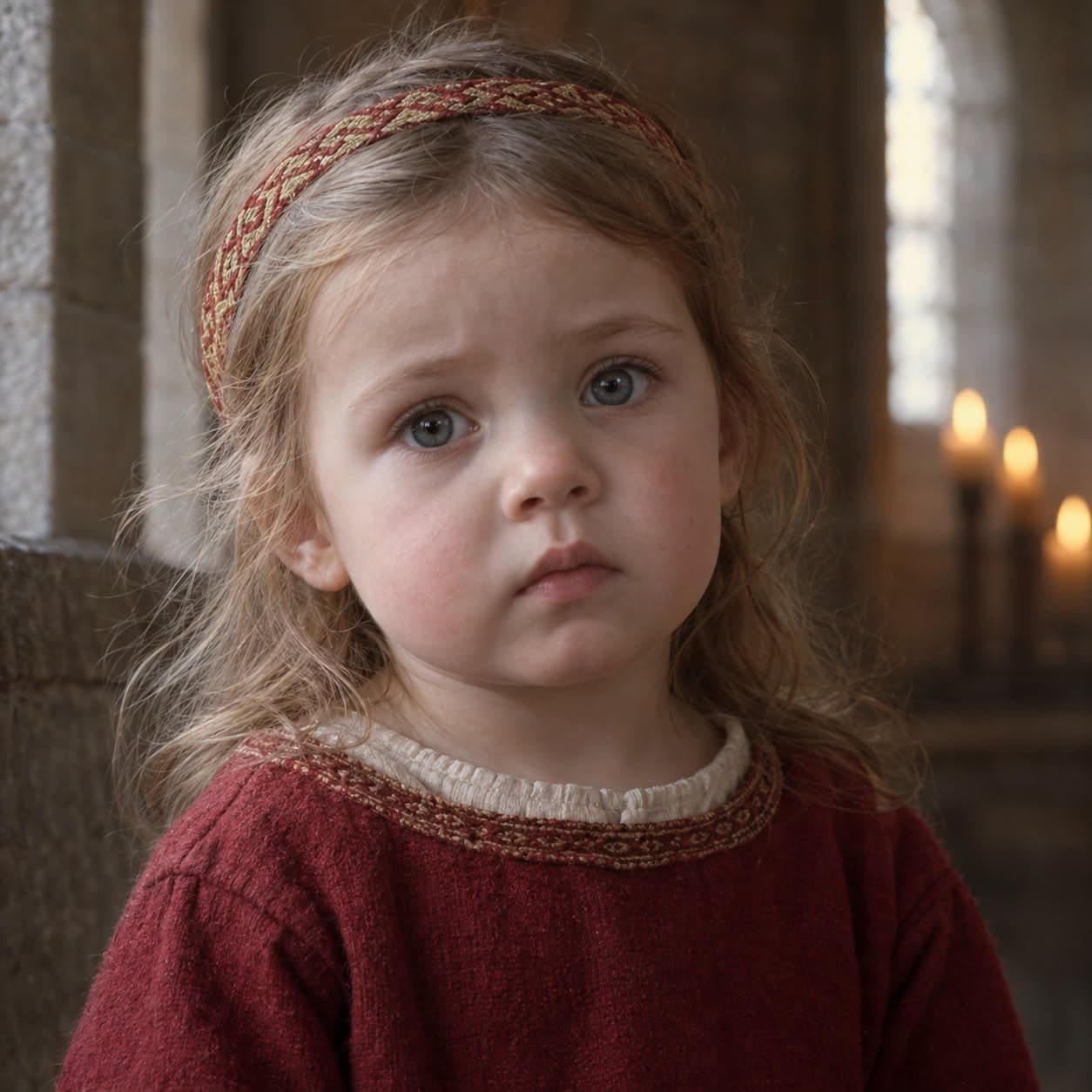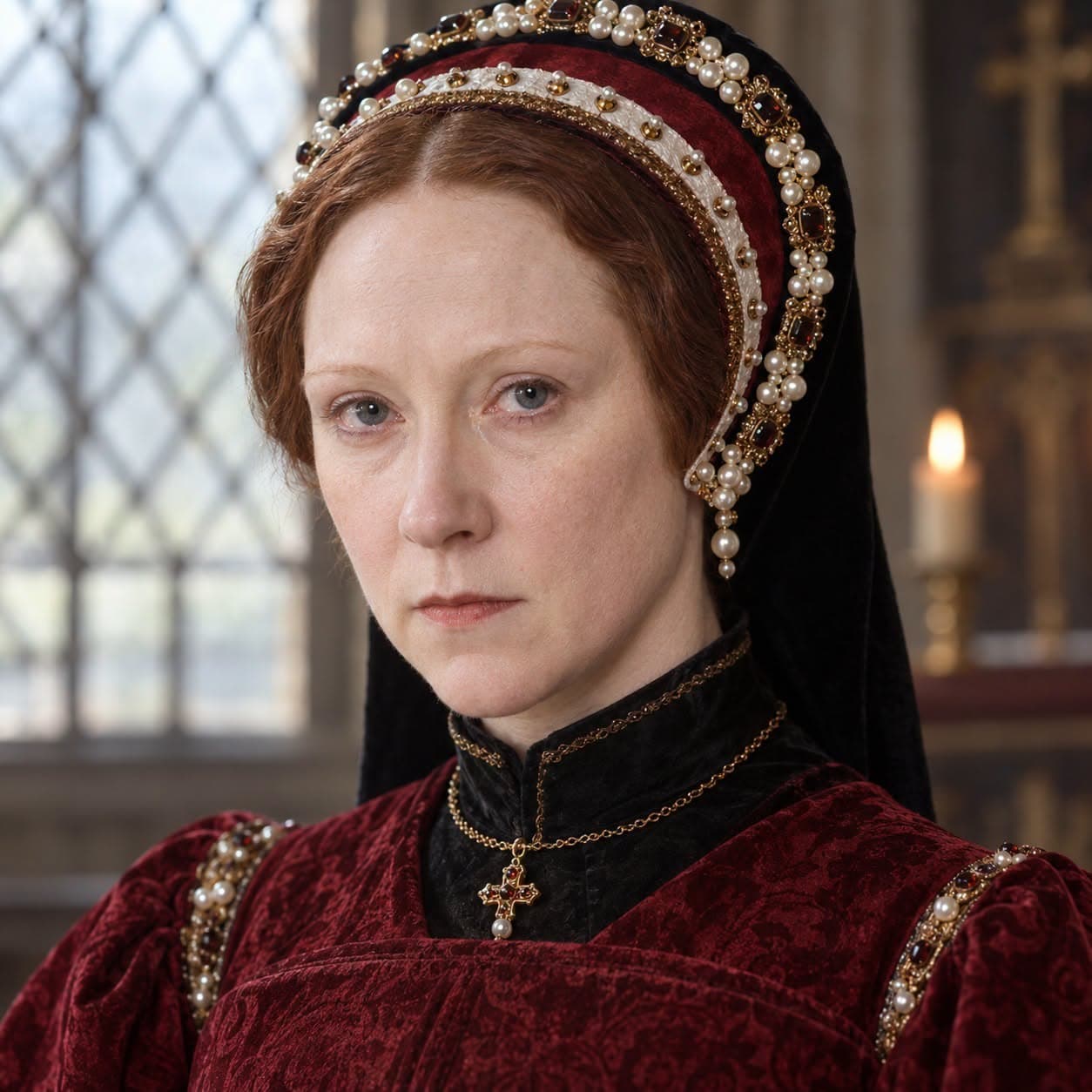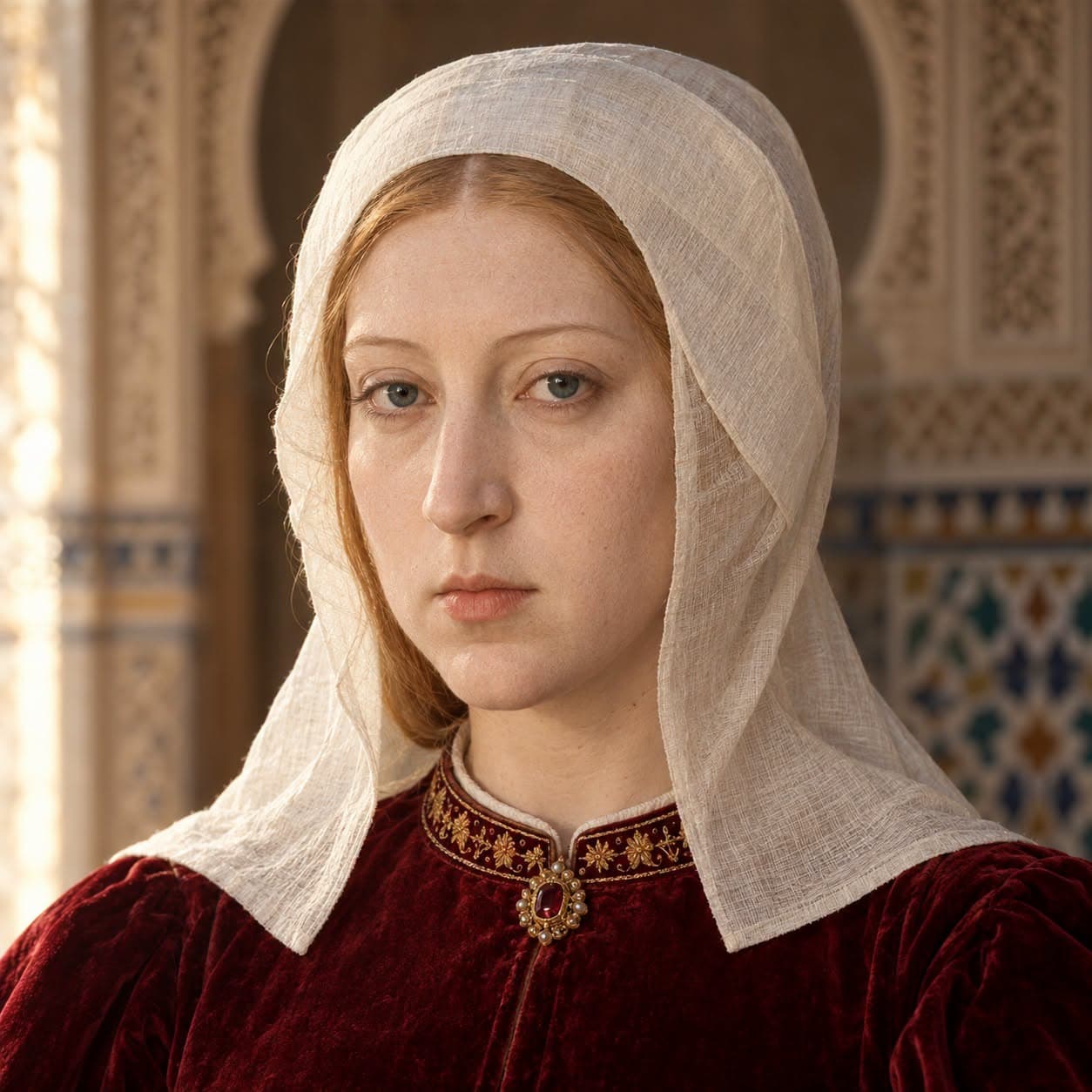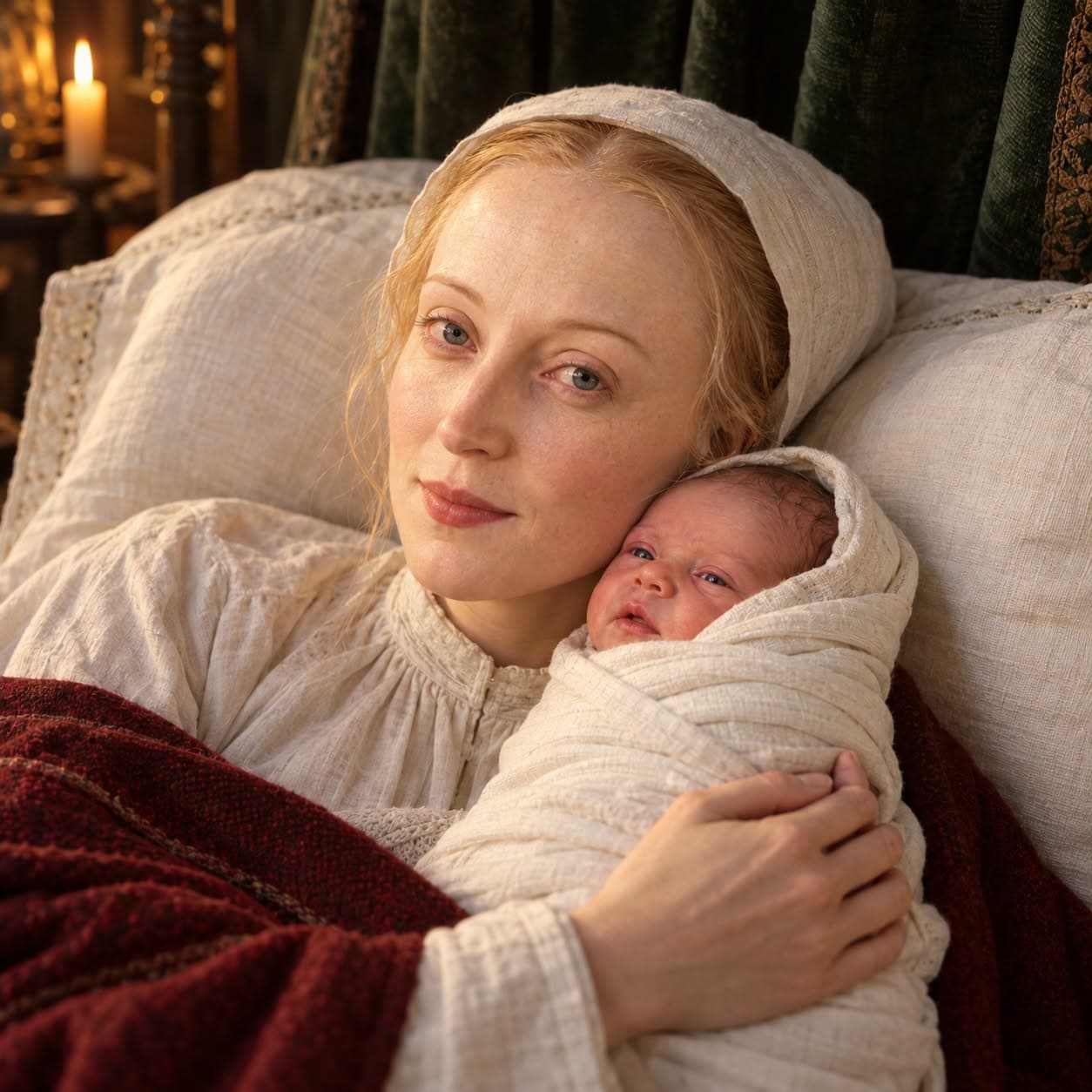
Elizabeth took three little girls into sanctuary. Their father had fled England, and she was carrying his fourth child. Their baby brother would be born under an abbot's protection.
On 2 November 1470, Elizabeth Woodville gave birth at Westminster to the boy who would become Edward V. Her husband, Edward IV, was across the Channel in the Burgundian Netherlands. Henry VI had been restored to the throne in his place. England had changed kings in the last weeks of Elizabeth's pregnancy, and the royal household that would ordinarily have surrounded a queen's lying-in was no longer hers to command.
She had already been widowed once by the fighting. Her first husband, Sir John Grey, had died on the Lancastrian side at the Second Battle of St Albans in 1461, leaving her with two sons, Thomas and Richard. Three years later she married Edward, the Yorkist king. By the autumn of 1470 they had three daughters together and another child on the way.
Marriage to a king had brought her family wealth, titles and access to power. It had also made them targets. Richard Neville, Earl of Warwick, who had helped Edward win the crown, watched the Woodvilles rise around the throne and turned against him. During the upheaval of 1469, Elizabeth's father and her brother John were captured and executed. Her mother, Jacquetta, had lost a husband and a son. Elizabeth had lost a father and a brother.
Now Warwick was back.
He had allied himself with the Lancastrians and landed in England in September 1470. Edward's support collapsed, and he escaped overseas. For Elizabeth, the consequences were immediate. Edward had left her and their daughters in the Tower of London. At the beginning of October she left it for Westminster and took refuge within the abbey's sanctuary. Jacquetta went with them.
Her eldest daughter, another Elizabeth, was four. Mary was three. Cecily was about eighteen months old. A fourth child was due within weeks. The family whose marriages and advancement had so troubled the nobility now needed somewhere its youngest members could safely stay.
Westminster offered that protection. Its sanctuary extended beyond the church itself into a recognised precinct where people could claim refuge. Elizabeth placed herself and her children under the care of the abbot, Thomas Millyng, who accommodated them in his own household. She had been crowned in Westminster Abbey five years earlier. She returned to it pregnant, with her husband abroad and his enemies governing England.
The abbot's hospitality gave the family lodgings, but it could not restore the life they had left. A queen's household ordinarily came with its own officers, servants, kitchens and accounts. Sanctuary secured a place to stay. Keeping everyone there fed and attended needed other people.
A London butcher, John Gould, supplied meat for the household during their stay. Lady Scrope was paid by the new government to attend Elizabeth. There was medical and midwifery help. The government that had driven out her husband was paying one of the women at his wife's side.
These were modest acts, measured in provisions and attendance. A butcher's contribution belonged to the same story as an abbot's protection: both kept a household of a pregnant woman and three small children going. Elizabeth's royal marriage had brought her into this danger. An abbot, a butcher and a lady paid by her husband's enemies kept her beyond its immediate reach.
Then the baby came. He was a boy, Elizabeth's first son by Edward after three daughters, and he was named after his father. A living son gave the Yorkist family a male heir through whom to pursue its claim. He was also a newborn whose father had never seen him, dependent on the household gathered around his mother.
His birth did not bring his father home.
Through the winter Elizabeth stayed at Westminster with the four children. Outside the sanctuary, Henry VI's government carried on. Across the Channel, Edward looked for the money, ships and men to come back. He landed in Yorkshire in March 1471 and worked his way south towards London, his chances resting on the loyalties of the same men who had helped drive him out. The protection that had sheltered Elizabeth through childbirth was still sheltering her son.
On 11 April 1471, Edward entered London and went to Westminster to find his family. More fighting lay ahead, but Elizabeth's months in sanctuary were over. The three girls who had gone into refuge with her came out with a little brother, born and baptised under the abbot's care. He was five months old, and his father was seeing him for the first time.