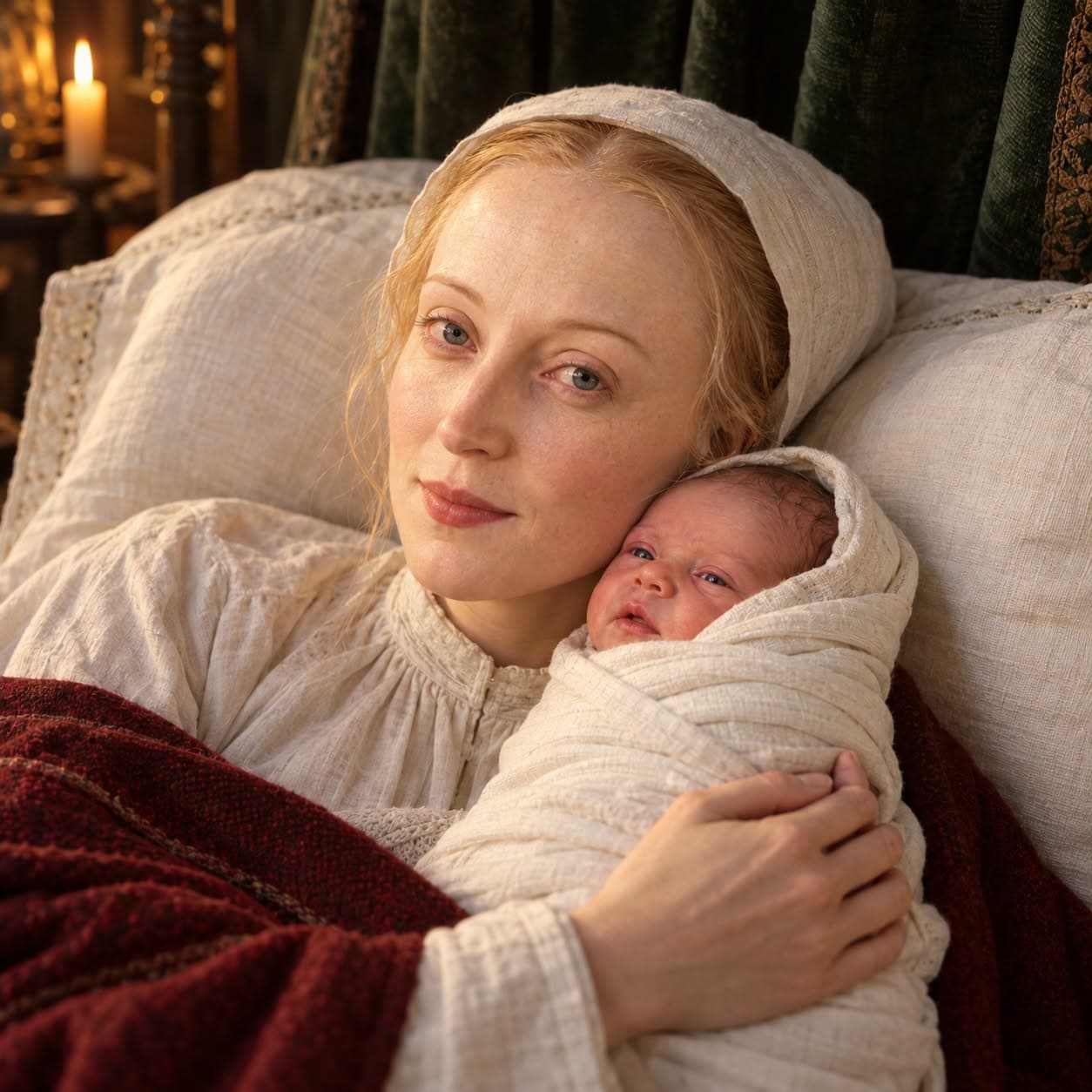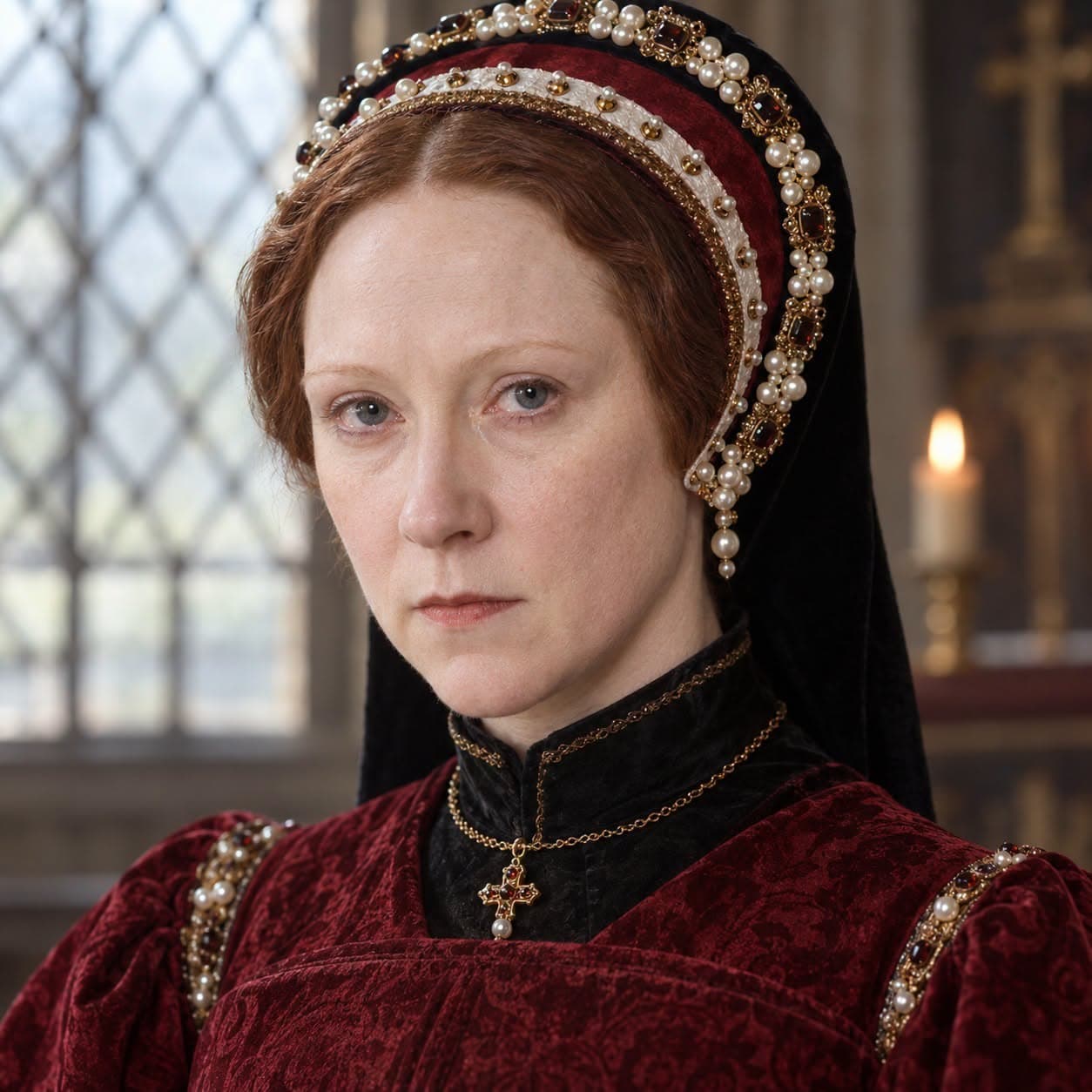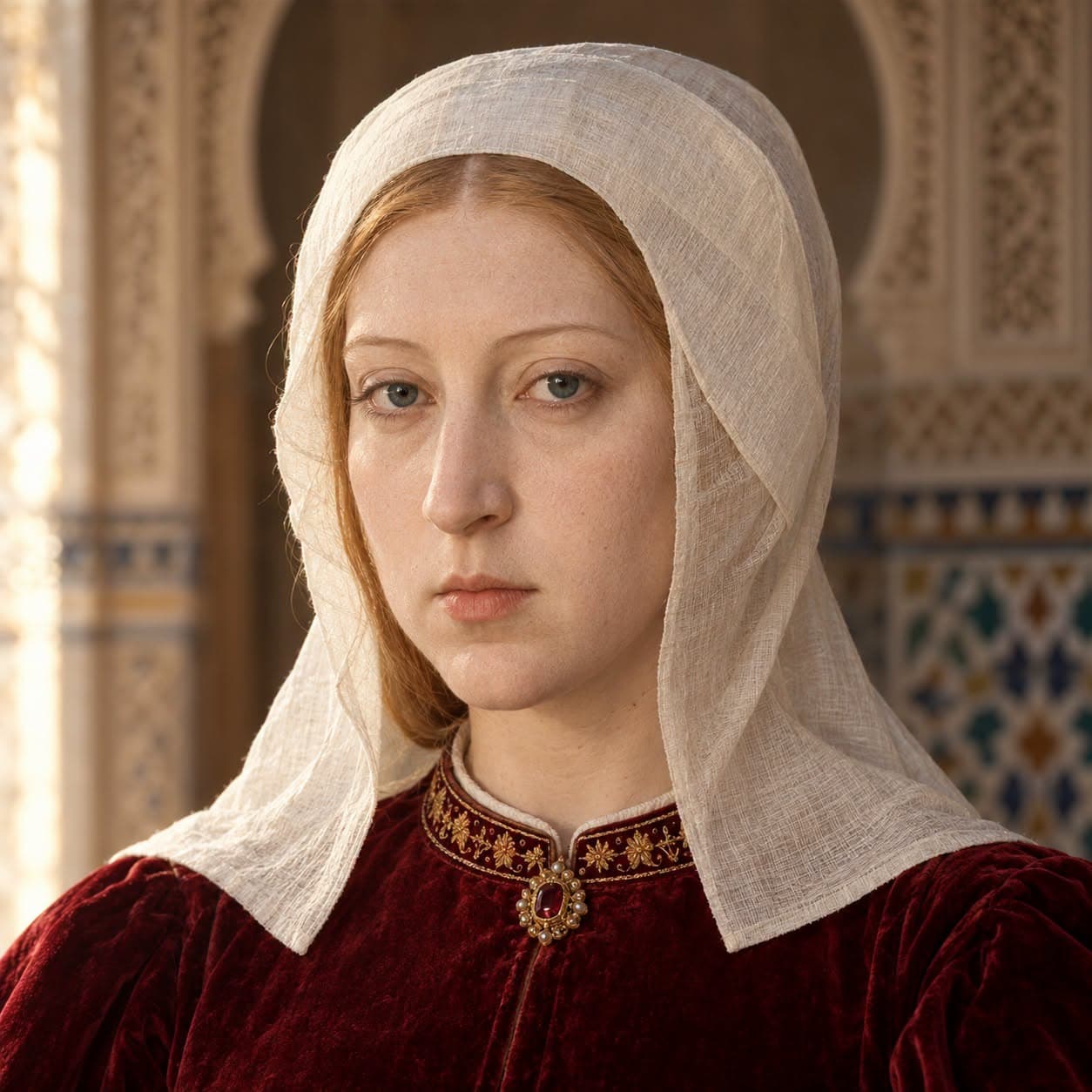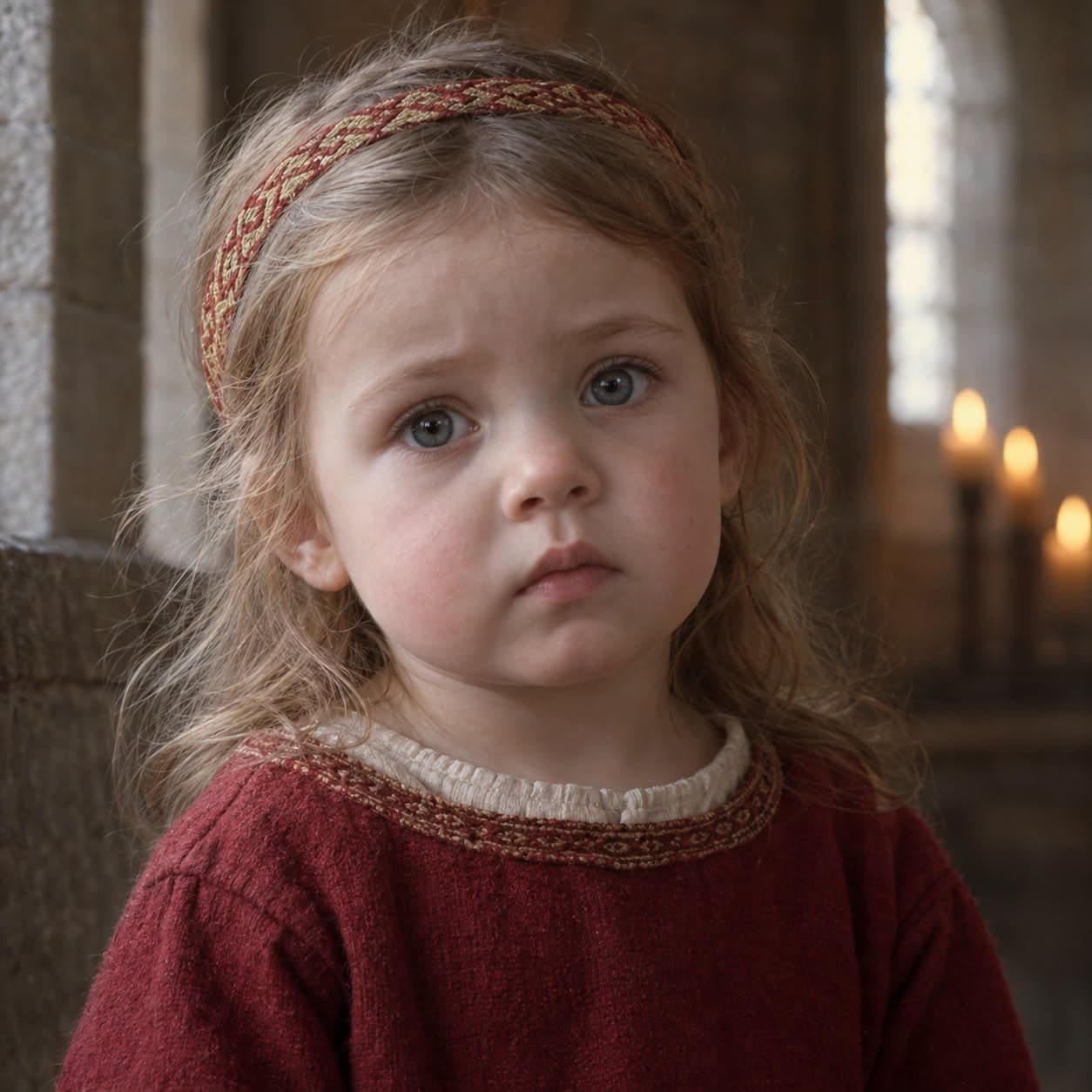
Margaret was about two when her wedding opened the way to her dowry castles. Her husband was five. His father was ready to collect.
On 2 November 1160, at Neubourg in Normandy, Margaret, daughter of Louis VII of France and Constance of Castile, was married to Henry, the son of Henry II and Eleanor of Aquitaine. The boy would later be known as Henry the Young King. For the moment, he was a child whose father had arranged a marriage with immediate advantages for himself.
Margaret's future had been under negotiation almost from her birth. In 1158, the two kings had agreed to join their children, with Henry's chancellor, Thomas Becket, helping to arrange the match. Margaret brought a dowry of frontier castles in the Norman Vexin, including Gisors. These were places from which men could defend territory, threaten their neighbours and make a king's claims considerably more persuasive. Her marriage promised Henry II something he had good reason to want.
There was a condition.
The castles were to remain in the custody of the Knights Templar until the children married. In 1158 Margaret was still a baby and Henry was three, so the arrangement promised a long wait, and a great deal could change before it ended. The agreement tied a future marriage to a future transfer of possession, and the gap between the two mattered to both fathers.
The castles would wait.
A further settlement in May 1160 provided for at least three years' delay before the wedding. It also contained an exception: if the Church agreed to an earlier marriage, Henry could receive the Vexin immediately. That exception gave him a route around the waiting period. The question of when the children could marry was also the question of when the castles could change hands.
Normandy was part of Henry II's dominions, and the Vexin lay along its contested frontier with the French king's lands. A marriage could put disputed strongholds into his hands without the trouble of taking them by force. Margaret's dowry was therefore useful long before Margaret could have understood what a dowry was.
The family connections were already close enough to need some untangling. Eleanor of Aquitaine, the little boy's mother, had once been married to Louis VII, the little girl's father. That marriage had ended, and both had married again. Margaret was the daughter of Louis's second wife, Constance. The children now being joined belonged to the households formed after that earlier royal marriage had come apart.
In the autumn of 1160, Constance died in childbirth. She left Margaret and a younger daughter. Louis still had no son, and arrangements for another marriage followed quickly. His intended bride was Adela of Champagne, whose family would bring a new set of powerful connections into the French royal household.
For Margaret, her mother was gone. For the kings negotiating around her, the balance of their families and alliances was moving again.
Louis's proposed marriage mattered to Henry II as well as to Louis. The connection with the house of Blois-Champagne gave the French king new support. Henry responded by bringing forward the marriage of the two children. Two cardinal legates helped make the ceremony possible. The bride's age had not changed the value of her dowry, and the English king had found a way to obtain it without waiting for her to grow up.
At Neubourg, Margaret became the wife of a five-year-old prince. The ceremony supplied what Henry II needed to claim the castles. Afterwards, the Templars surrendered them, and the fortresses passed into his control. The castles had been told to wait for a wedding. Nobody had said how old the bride needed to be.
Louis objected. He accused Henry of deception and the Templars of betraying their trust. The arrangement that was meant to help settle a frontier dispute had become another cause of hostility between the two kings. Giving their children to one another had not made them less willing to quarrel.
Eleven days after Margaret's wedding, on 13 November, Louis married Adela. Within the same autumn, a queen had died, her small daughter had been married, and another woman had become Queen of France. The two weddings strengthened different royal interests. Margaret's placed the Vexin castles in Henry II's hands; her father's brought Adela and her family's connections into his own.
Margaret was brought up in the Plantagenet court. Her husband was crowned in 1170 without her, and on 27 August 1172 she was crowned beside him at Winchester. He died in 1183. Three years later she married Béla III and became Queen of Hungary.
The castles had been placed with the Templars to await a wedding in which the bride was about two. Twenty-six years later, as a widow about to marry again, Margaret gave up her claim to them in return for a pension. In November 1160 she had years of childhood left. Henry II already had the fortresses.