She stayed beside her husband as he lay dying. They had been married for twenty-five years. When he was gone, she was reluctant to leave him. Her old friend insisted that she must.
On 28 October 1708, Prince George of Denmark died at Kensington Palace. Anne was forty-three, Queen of Great Britain and Ireland, and a widow after a marriage that had occupied almost all her adult life. She had attended him through his illness and remained with him at the end.
She had been eighteen when they married in July 1683. Her father was James, Duke of York, the future James II, and her uncle Charles II was still on the throne. George was a Danish prince, and the marriage was intended to strengthen an alliance between their countries. Its usefulness had been weighed long before either of them stood at the altar. Royal marriages generally began with other people's requirements.
This one became a marriage Anne wanted to keep. She and George were devoted to one another, and they regularly shared a bed, an intimacy that royal husbands and wives did not necessarily keep up. The political arrangement had made room for an ordinary attachment. Long before Anne was queen, George was her husband, living beside her through pregnancies, recoveries and the repeated loss of their children.
Five children had been born alive. None would grow up. Their son William, Duke of Gloucester, lived longest, a growing boy with a place in their household and a future in the country's plans. He fell ill after his eleventh birthday celebrations at Windsor in July 1700 and died within the week. By the time Anne inherited the throne in 1702, there was no child to inherit it from her. Provision had already been made for the succession to pass to another branch of the family. The parents remained.
George had shared that history with her. The marriage had continued through every one of those losses and six years into her reign. Since her accession he had held the office of Lord High Admiral. Offices could be filled again.
George had suffered from difficulty breathing for years. During his final illness there was improvement followed by fresh alarm, and in the last days Anne's anxiety became increasingly plain to those around her. She was herself in poor health, but she continued to attend him. There were physicians enough to treat a prince, and a queen had every reason to leave a sickroom to them.
She stayed until he died.
Sarah Churchill, Duchess of Marlborough, was the friend who intervened afterwards. She had known Anne long before there was a crown between them. In their letters they had called one another Mrs Morley and Mrs Freeman, names that allowed a princess and her attendant to write as friends. Anne had given Sarah affection, money and positions of trust. Sarah's place in her life had been built over years, through the familiar business of letters, requests for company and an access that other people at court could only hope for.
By 1708 that closeness was under strain. Sarah had strong political loyalties and considerable influence, and Anne had increasingly turned towards another attendant, Abigail Masham. Friendship at this court came with offices, salaries and the chance to reach the sovereign. A disagreement between two women could travel a considerable distance beyond the room in which it began.
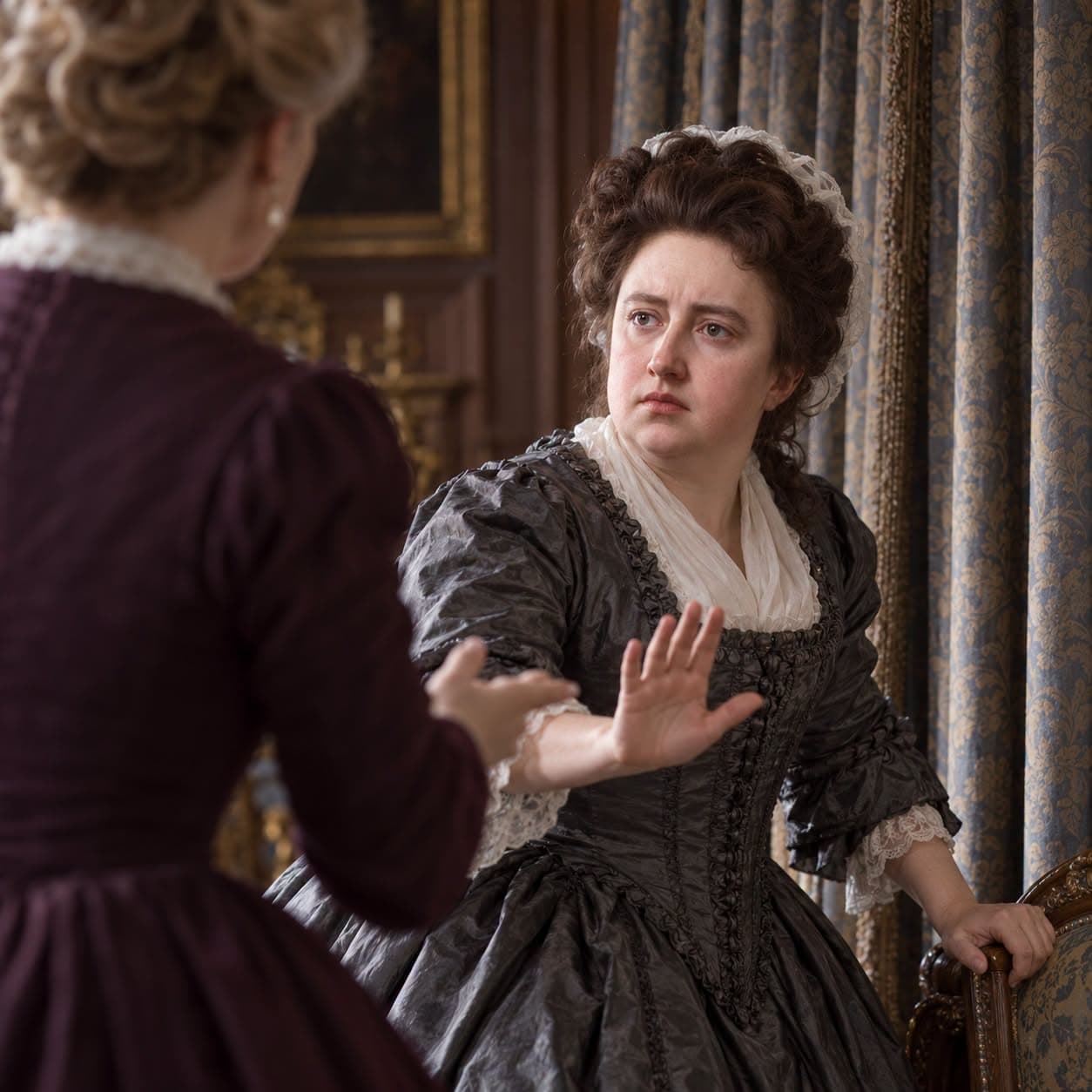
At Kensington, however, the immediate question was whether Anne would leave her dead husband. She did not want to go. Sarah insisted, and Anne eventually gave way. She was taken from Kensington to St James's Palace, away from the rooms where she had attended him.
Anne resented the intrusion. Sarah's long familiarity with her had once made closeness possible across a difference in rank. It had also given her a habit of speaking and acting with an authority of her own. In the death chamber, that authority reached into the queen's mourning. The friendship survived the day, but with another injury added to it.
At St James's she kept away from court ceremony, but not from the business of the Crown. She was working through government papers before she was formally receiving visitors again. The woman who had stayed beside George was still required to govern without him.
Among her obligations was a letter to the States General, the governing assembly of the Dutch Republic and Britain's ally in the long war against France, informing them of George's death. She wrote of his tenderness through their years together and called him, in effect, an inestimable treasure. In a communication between governments, she made room for the husband. She told them she would rather have kept a profound silence, but the ties between their countries obliged her to write. At Kensington she had not wanted to leave him. At St James's she could not even keep silent about losing him.