Mary was fifteen when her father took her aside to tell her whom she would marry. Negotiations had begun years earlier. The match was finally settled. The congratulations would begin the following day.
On 21 October 1677, James, Duke of York, came back from dinner at Whitehall to St James's Palace and took his daughter Mary into her closet, her own private room. There he told her of the marriage arranged between her and her first cousin, William of Orange. Her chaplain, Edward Lake, recorded in his diary that she wept all that afternoon and the following day.
Mary was the eldest daughter of James and his first wife, Anne Hyde, who had died six years earlier. Her uncle was Charles II, who had no legitimate children. Her father stood next in line to the throne, and Mary after him, which made the choice of her husband a matter for kings and their counsellors. William was family already. His mother, another Mary, had been the sister of Charles and James.
That mattered less than religion. James was Catholic, but Mary and her younger sister Anne had been brought up in the Church of England. William was Protestant, and Charles and his Protestant counsellors supported the match. James had opposed it before giving his consent. The father who brought Mary the decision had himself yielded to the king. Whatever anyone felt in private, the marriage could be presented in public as reassurance about the future of the crown.
The congratulations came on schedule.
On 22 October, the second day of her tears, the council came to St James's to compliment her. The next day it was the judges' turn, and when their speech was done they each kissed her hands. These were solemn, respectable proceedings, conducted by men who had every reason to regard the marriage as good news. The consequences would be lived by the girl whose hands they kissed. There was no shortage of people to congratulate her.
Fourteen days after the announcement, at nine o'clock on the evening of 4 November, the marriage took place in Mary's bedchamber. The Bishop of London officiated. Charles gave his niece away and was in high good humour throughout. When William endowed her with all his worldly goods, the king told her to put it all up in her pocket, since it was clear gains. The next day there were bells and bonfires across the city. The marriage had given London something to celebrate. Mary still had to leave it.
Her sister Anne, twelve years old, was with her at St James's. Their mother was dead, and marriage would now take the elder sister to the Netherlands. Within days of the wedding, Anne fell ill with smallpox. The illness came into the household while the departure was being arranged, so that leaving England now also meant leaving a sick sister behind. William urged Mary to move her lodgings to Whitehall. She would not be persuaded. On the large question of where she would live, the arrangements had been made for her. On this small one, she held her ground.
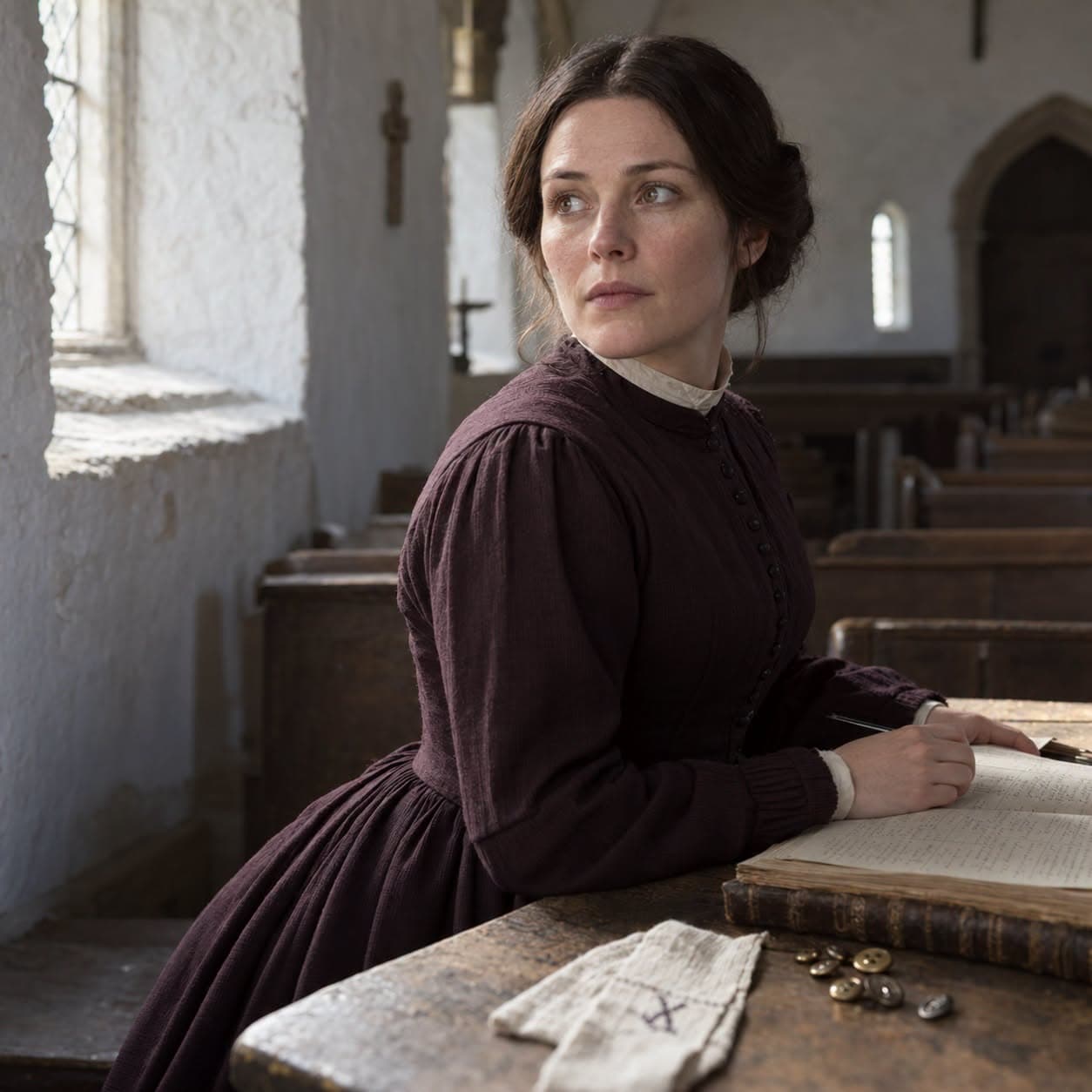
When Lake came to take his leave on 11 November, he found her troubled both by Anne's illness and by the disagreement over her lodgings. He had served her for seven years, instructing her in the faith that had made her marriage so useful. He knelt and kissed her gown. She thanked him, and then could say no more for weeping. She turned her back on him and went into her closet.
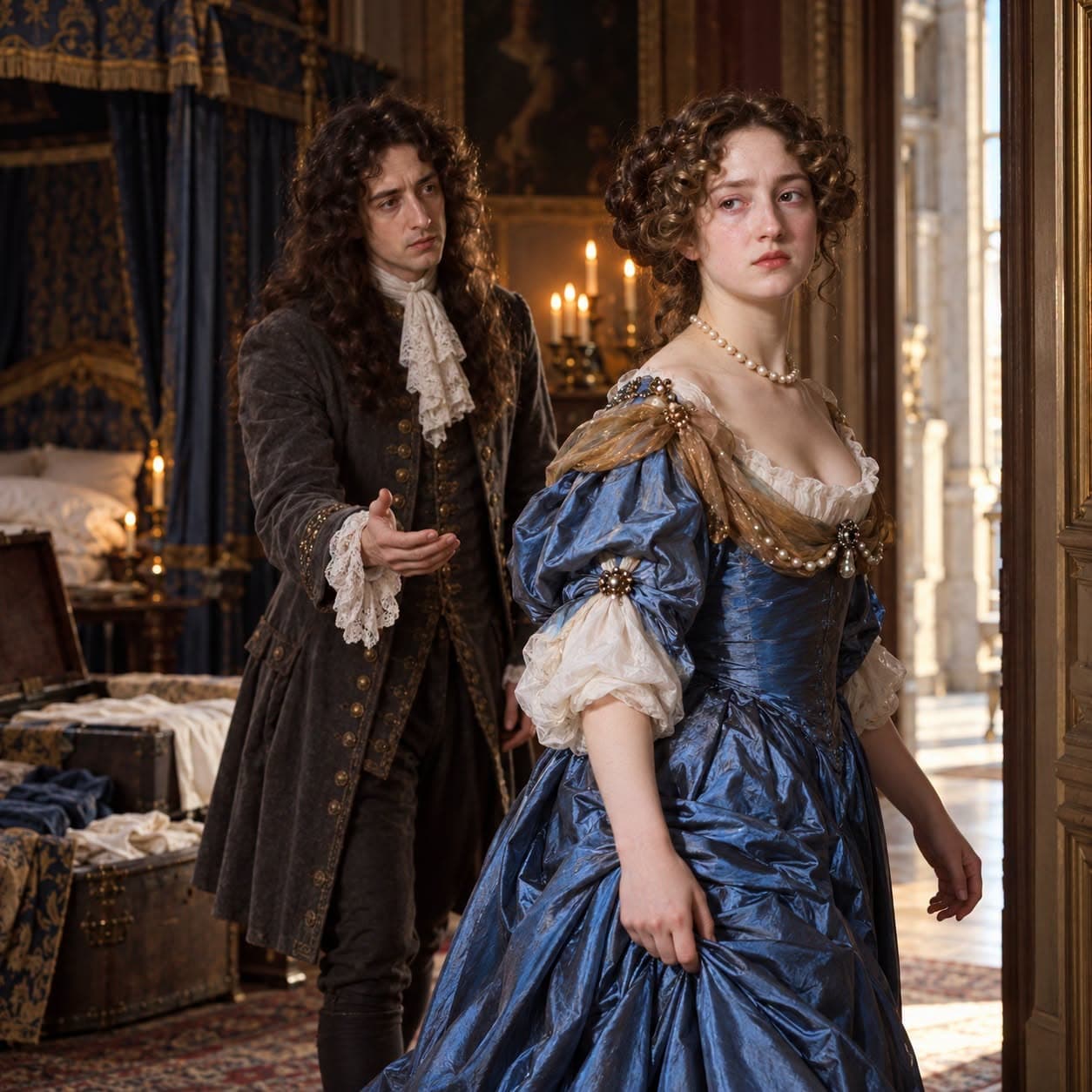
Still the court had its occasions to keep. On 15 November, the queen's birthday, Mary dressed richly in all her jewels for the ball at court. From the ball she was to undress and go aboard, and that evening the household came to kiss her hand and take their leave. Then an easterly wind kept her at St James's, the farewells made, Anne still ill and the journey still ahead of her.
The marriage would eventually bring Mary back to England on very different terms from those on which she left. James became king in 1685. In 1688 William came to displace his father-in-law, and Mary supported her husband against her father. On 11 April 1689 she and William were crowned joint sovereigns in Westminster Abbey. The father who had told her whom she would marry lost his throne to the son-in-law he had accepted.
In November 1677 all of that was years away. On the morning of 19 November Mary wept grievously. Before she went, she asked the Duchess of Monmouth to visit Anne often and to go with her to chapel when she was well enough to appear there again. Then she went down to the barges at Whitehall, and the king and her father went with her down the river. Behind her at St James's she left two letters, to be given to her sister once she recovered.