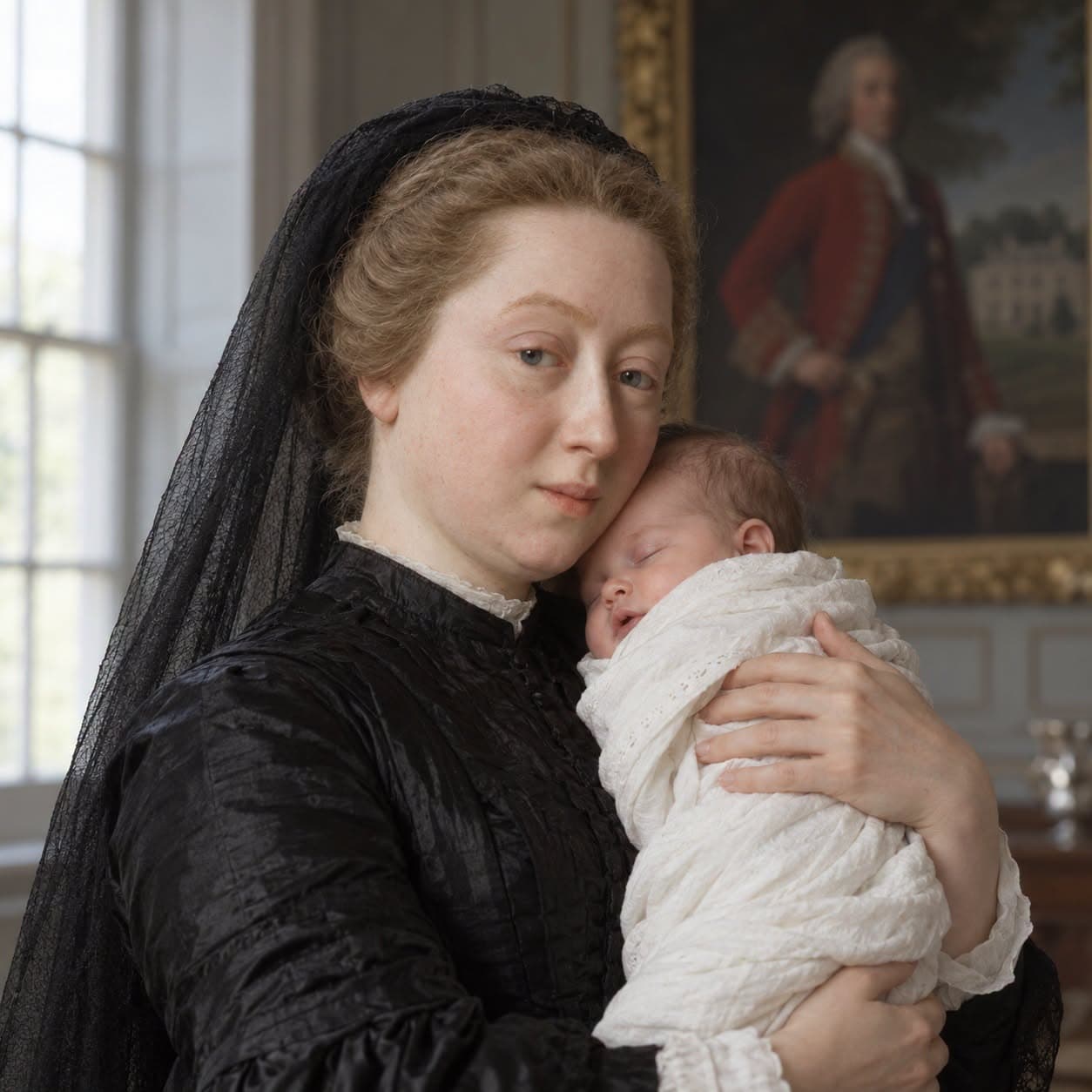
Ellen Fenwick and her four children were aboard when the Royal Charter struck rocks barely fifty metres from shore. A sailor got a line to land. No woman or child survived.
In the early hours of 26 October 1859, the ship was wrecked near Moelfre, on the coast of Anglesey. The storm had begun the previous night. The Royal Charter was nearing the end of a voyage from Melbourne to Liverpool, with families, returning emigrants and men carrying the proceeds of years in Australia. They had crossed half the world to reach that coast, and they reached it.
The Royal Charter belonged to the traffic created by the Australian gold rush, carrying people out to the colonies and bringing others back. She was a sailing ship with an iron hull and an auxiliary steam engine, built for fast passages between Britain and Australia. Her holds carried gold bullion. Some passengers had gold of their own. Money earned on the other side of the world was coming back with the people who had earned it.
There were letters coming ahead of them, too.
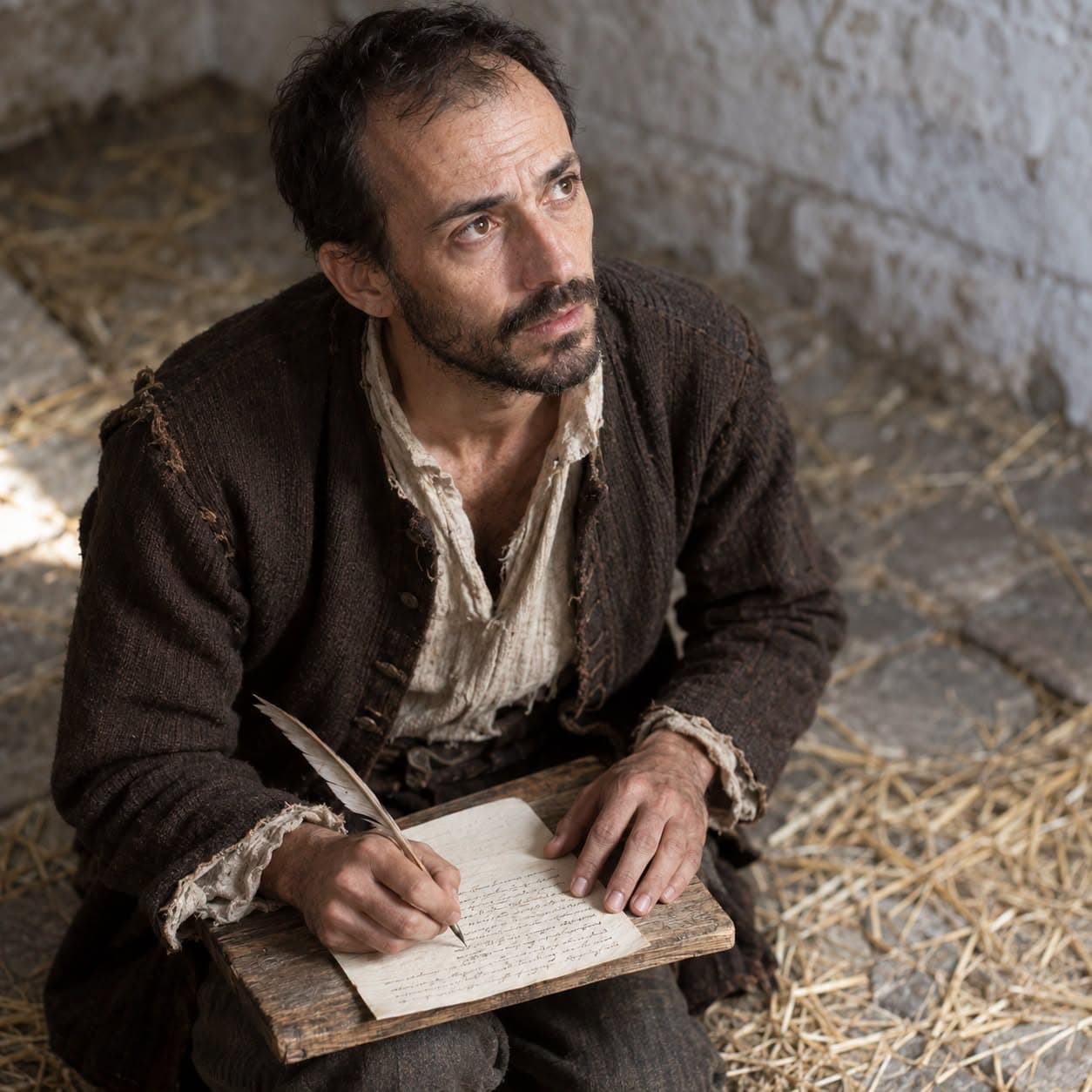
On 24 October, off Queenstown in Ireland, passengers had sent messages ashore announcing their expected arrival. Joseph Robinson wrote to his sister Isabella asking her to keep his return secret until he had met everybody. His years in Australia had changed his appearance, he told her. She would not easily recognise him. He was close enough to home to be arranging a surprise.
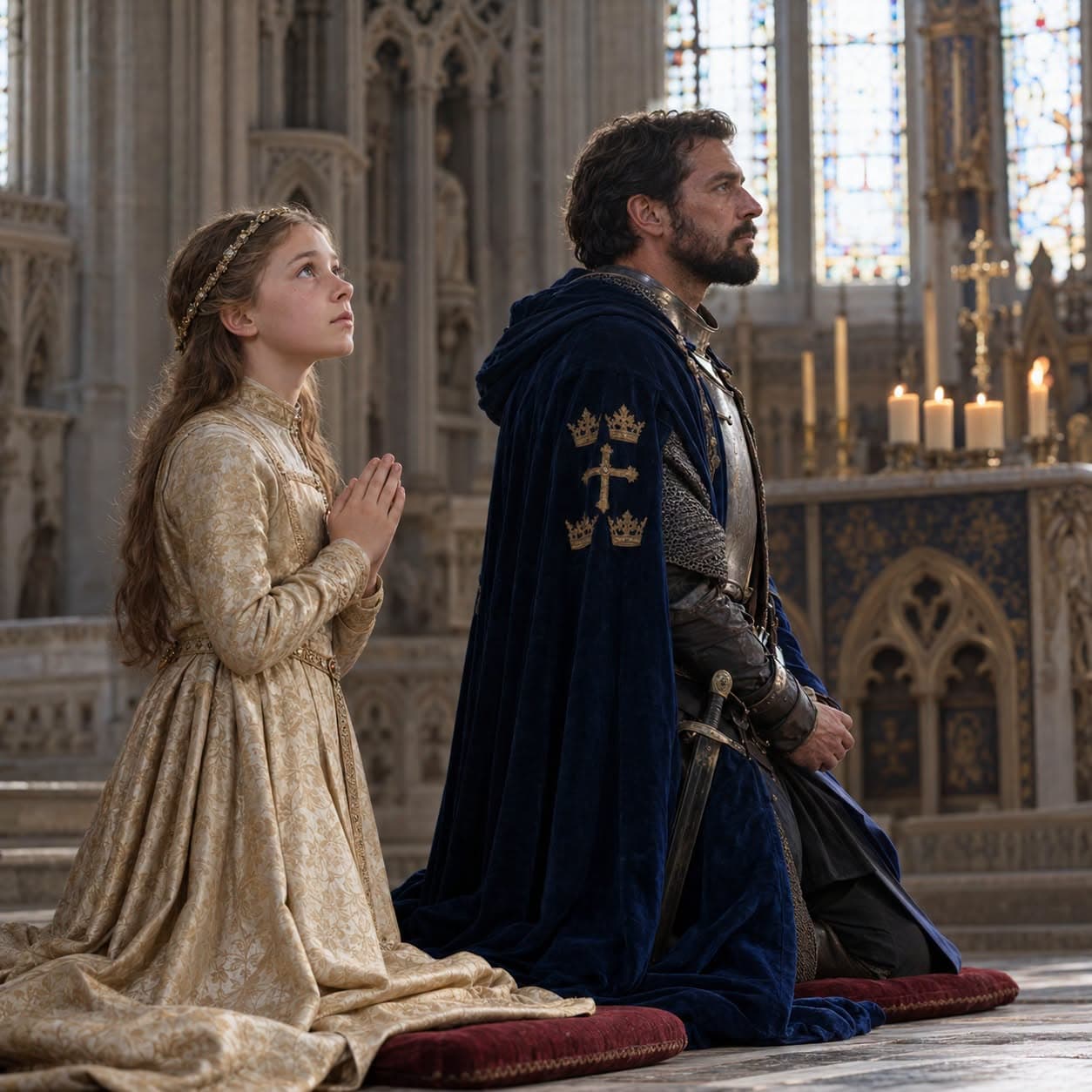
Among the saloon passengers were James Davis and his wife Louisa Frances, travelling with their daughters Sophia and Florence and their sons Walter and Derwent. Ellen Fenwick was travelling with four children.
As the ship rounded Anglesey, the weather closed off the means of bringing her safely into Liverpool. The sea was too rough for a pilot to come aboard. The wind drove her towards the coast, and her engines could not hold her off. Anchors were dropped to hold her offshore. During the early morning, one cable failed, then the other. The ship grounded and was driven onto the rocks.
The last stretch of water had become the whole journey.
A Maltese seaman known aboard as Joseph Rogers took a line into the sea and swam for land. Getting that line ashore made it possible to rig a rope connection between the wreck and the coast. A chair could be worked along it, carrying people across water they could not safely swim. On the rocks, local people formed a human chain to help pull survivors to safety. There were people trying to reach them from both sides.
But the ship was being broken apart around those still aboard. Waves swept over the wreck, and the rope offered a precarious passage for a few while hundreds remained in danger. When the hull broke in two, the stern, where many of the women and children were, was cut off from the rope. Parents held their children; wives clung to their husbands. Some men reached land by the rope. Others survived the water. The line itself eventually parted. More than four hundred people died.
For the families ashore, the letters announcing an arrival were followed by a different kind of correspondence. Relatives wrote to ask whether a husband, a daughter or a child had been found. Around Moelfre, the work of rescue gave way to the work of identification and burial. At Llanallgo, St Gallgo's Church received the dead brought up from the coast. Its congregation moved into the neighbouring schoolroom and left the church to them. At one time forty-four of the dead lay there together.
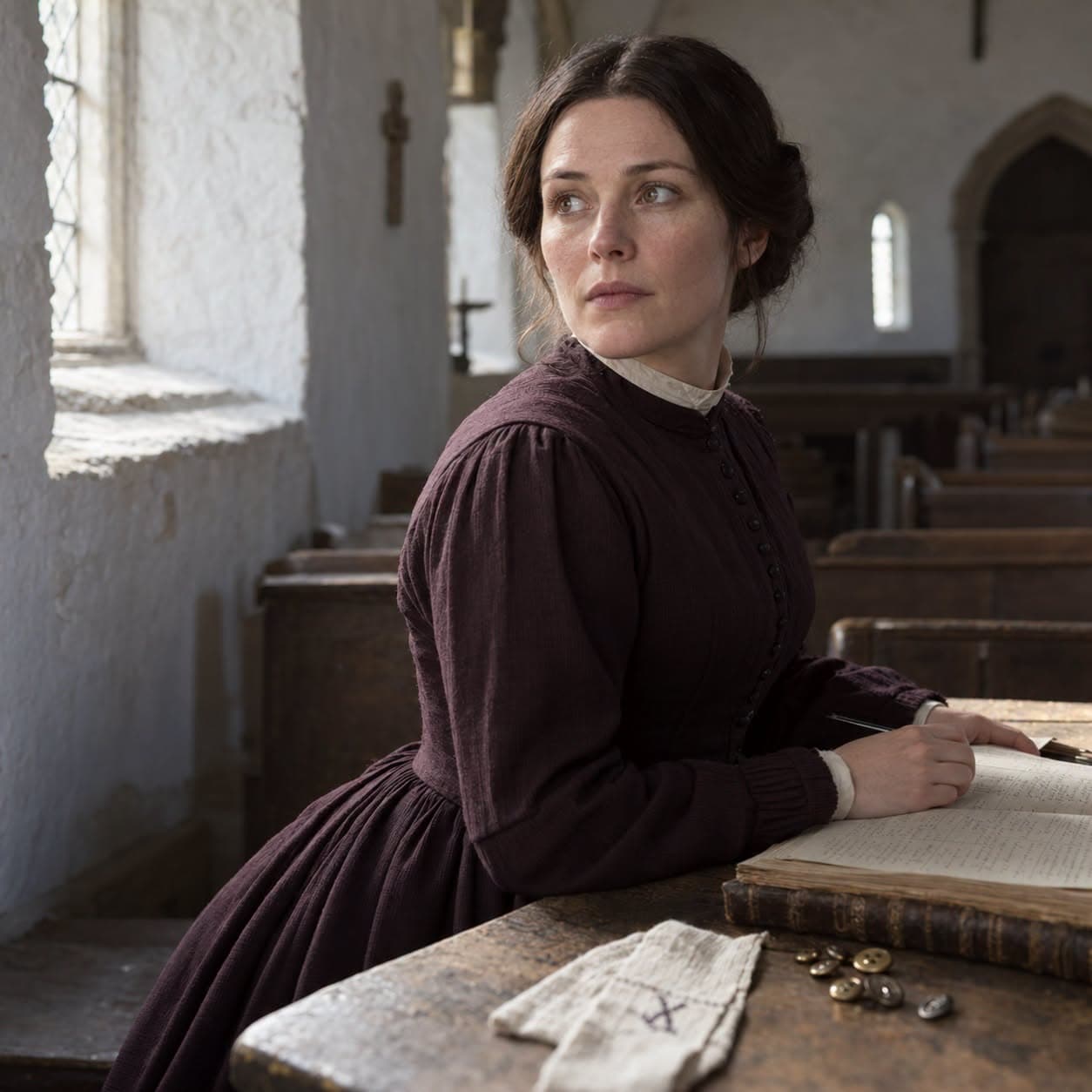
The rector, Stephen Roose Hughes, examined clothing and recorded identifying marks. A button or a piece of marked linen could help answer a letter from someone far away. His wife and two sisters-in-law helped bereaved visitors search for their relatives.
Hughes numbered the unidentified dead in his register, with corresponding numbers on coffins and graves. Recognition might come later. A number kept open the possibility of a name. Some relatives arrived after a burial and recognised a description in his records. Those remains were then exhumed and, once identified, reburied in private graves where families could erect headstones. Hughes read the funeral service again, and the women of his household attended.
In the churchyard at Llanallgo, a memorial commemorates the Davis parents and their four children. Sophia, Florence, Walter and Derwent are named together. On the same stone is Ellen Fenwick, the mother who had reached the Welsh coast with four children after the voyage from Australia. The inscription gives her name, then gathers the children into the words "and her 4 children".