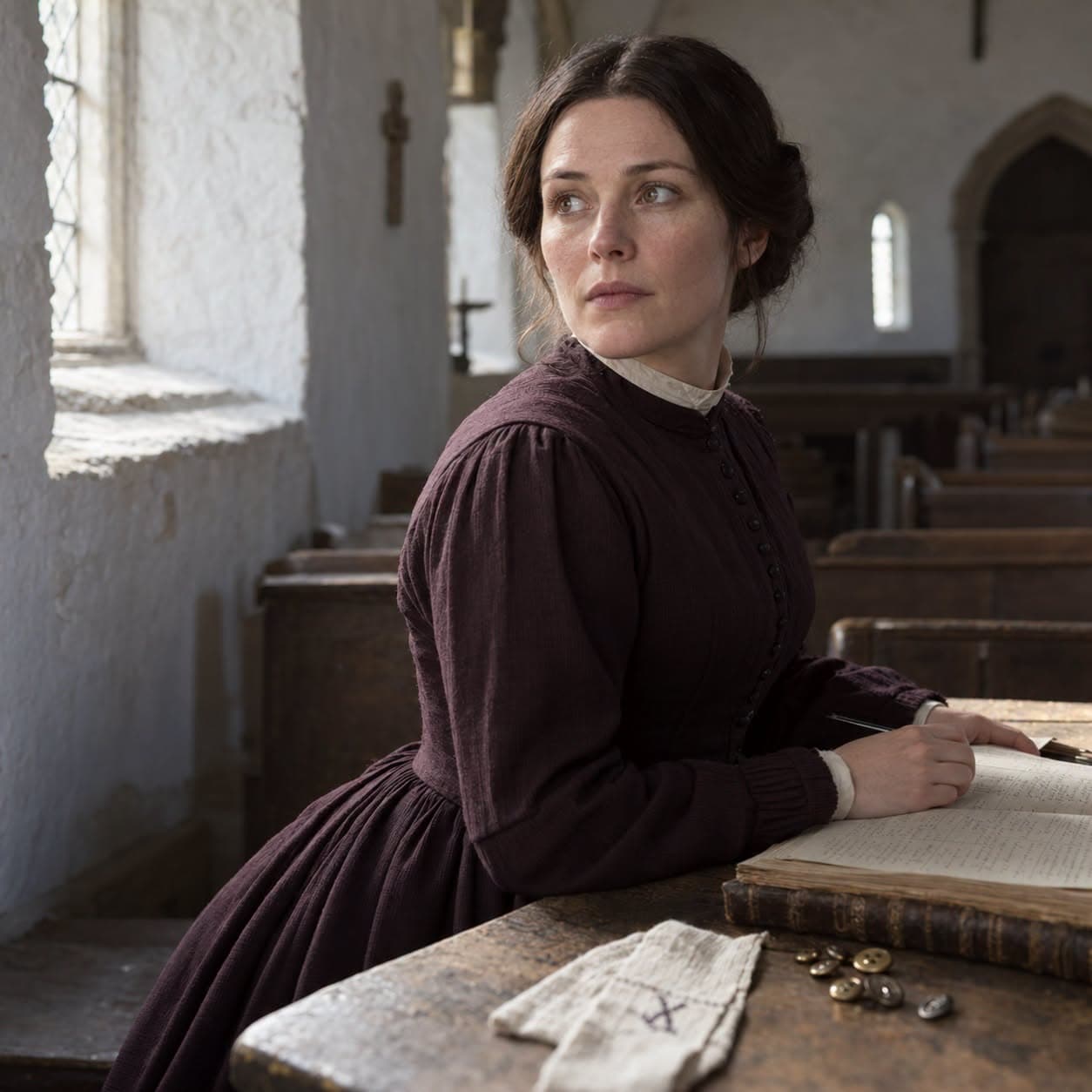
Marianne was about forty when she died, a marquise in a country manor. Nineteen years earlier a sovereign duke had signed a contract to marry her. By her husband's account, the king named a price for allowing it. She refused to pay it.
The parish record gives 19 October 1681 as the day Marianne Pajot, Marquise de Lassay, died at the manor of Bois-Froust in the parish of Niort-la-Fontaine. In 1662 she had been preparing for a very different title. There was a marriage contract, a sovereign bridegroom and a wedding party. There was also Louis XIV, whose interest in the wedding extended well beyond the bride.
Marianne's father, Claude Pajot, was apothecary to Mademoiselle de Montpensier, the Grande Mademoiselle. Marianne herself served as a woman of her chamber. She belonged to the household, but belonging to a great household and belonging to the family were different things. An apothecary's daughter might live among people whose names filled marriage treaties. Her own marriage was not supposed to put her beside them.
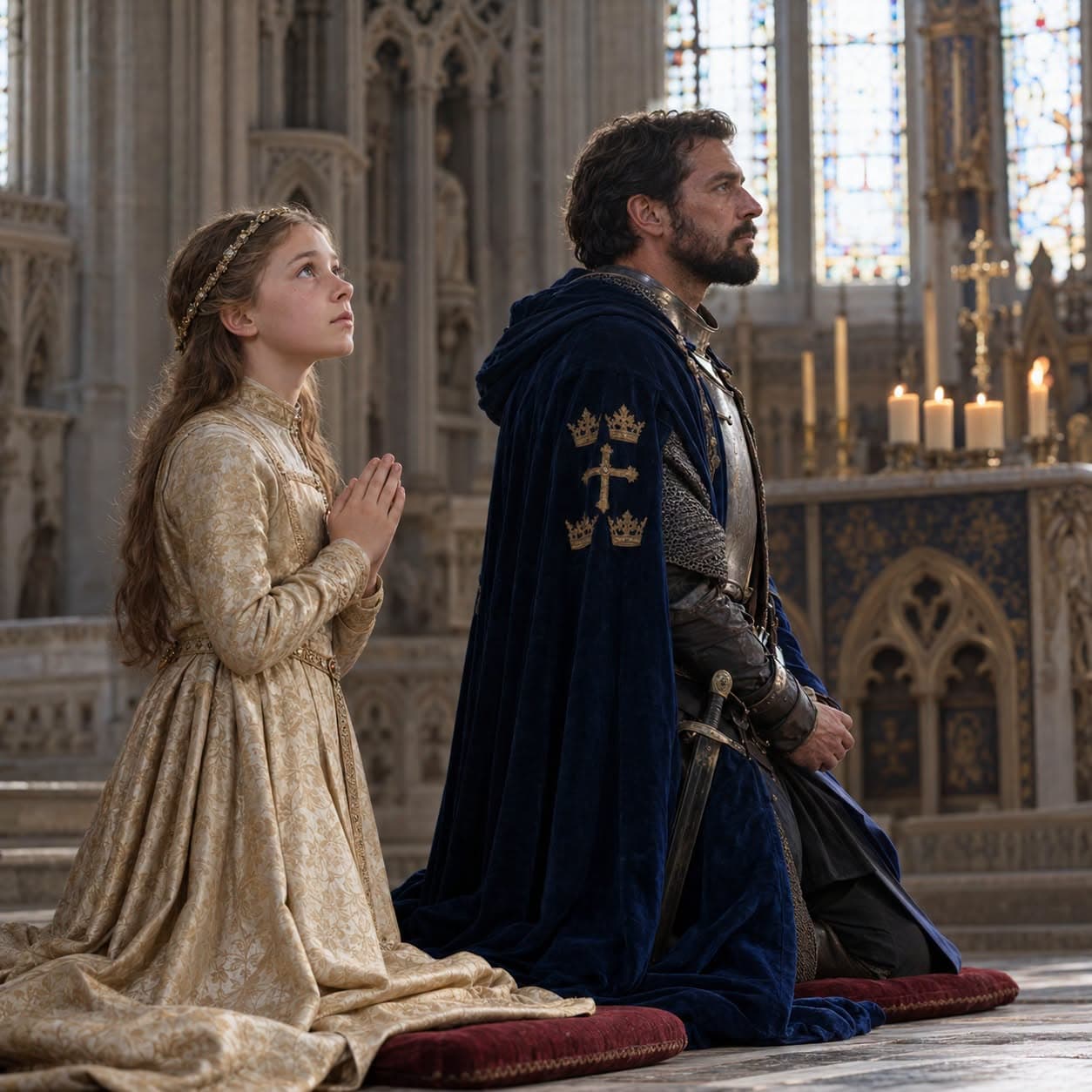
Charles IV, Duke of Lorraine, proposed to do precisely that. He was often at the Luxembourg Palace, where his sister, the dowager Duchess of Orléans, and Mademoiselle both kept their households. By April 1662 the attachment had become a formal agreement. On the eighteenth, in an apothecary's house in the rue Saint-Honoré, a contract was drawn up naming the duke on one side and Marianne's parents, acting for their daughter, on the other.
Its preamble made a careful argument for marrying her. A high and sovereign birth did not always make a marriage happy. Affection mattered too. It was a considerable amount of explanation to put before a wedding, and every word of it answered an objection before anyone had the chance to raise it.
The duke's sister went to the king to stop the marriage.
Louis had another use for it. In February, Charles had signed the Treaty of Montmartre, promising that Lorraine would pass to the French king at his death. The fortress of Marsal was to be handed over immediately. Charles was reluctant to keep his side of the bargain. A bride who could persuade him to do so might suddenly become quite acceptable.
Marianne's later husband, the Marquis de Lassay, set down what followed for their son. In his telling, the wedding party was at table in the house of one of the duke's uncles, waiting for midnight, when the ceremony was to take place. Michel Le Tellier, the king's secretary of state, arrived and asked to speak to the bride alone. He had brought a paper for the duke to sign.
If Marianne secured his signature, Louis would recognise her as Duchess of Lorraine and receive her at the Louvre with every honour that rank carried. If she refused, a royal carriage, thirty of the king's guards and an officer were ready to take her to the convent of Ville-l'Évêque. The arrangements for her refusal had been made before anyone heard her answer.
Lassay records that she would much rather remain Marianne than be Duchess of Lorraine on those terms. Whatever influence she had over Charles, she would not use it against him. Le Tellier offered her twenty-four hours to think it over. She told him her mind was already made up. She took leave of the duke and got into the king's carriage, in Lassay's words, without shedding a single tear.
She had refused the bargain. She still had to endure its penalty. By Lassay's account, she was held at the convent for four or five months, with guards posted, and released only once the duke had gone back to Lorraine.
Her father's place in the household did not survive the affair either. Mademoiselle dismissed him and his wife. In her memoirs she covered the matter in four words: she had done her duty. A sovereign's proposed marriage had become a matter of state, and an apothecary lost his employment in the settling of it.
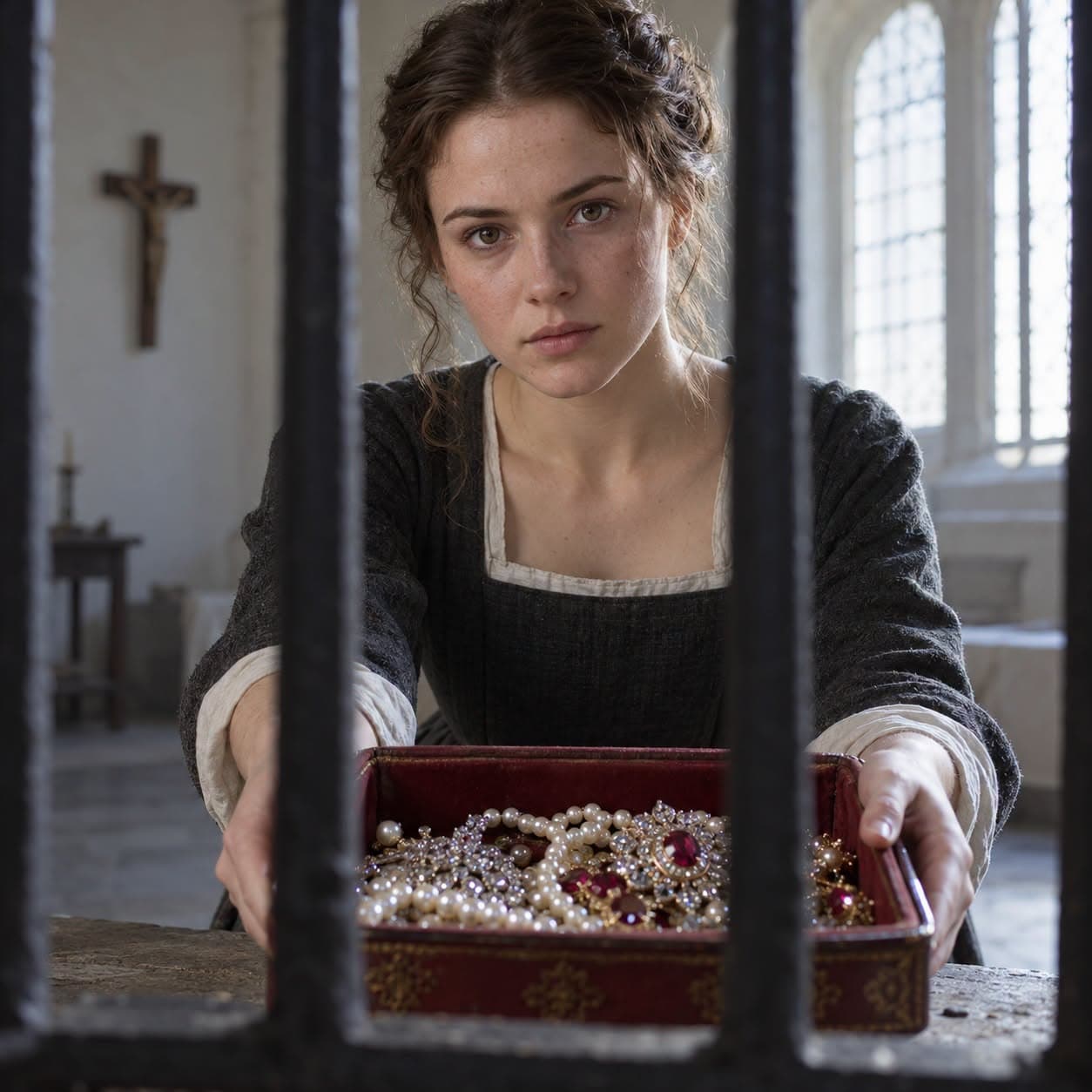
In Lassay's account, Marianne sent the duke's jewels back to him, saying it was not proper to keep them when she was not his wife. Charles later invited her to join him in Lorraine and complete the marriage there. She would not go before she was his wife. The promise of becoming a duchess had not made every condition acceptable, whether it came from the king or from the duke.
Her eventual husband was Armand de Madaillan, Marquis de Lassay. He was a widower, more than ten years younger than she was, and his father opposed the match. Armand married her nevertheless and gave up his military rank and his place at court. Marianne could be praised for her conduct and still be considered an unsuitable wife. Admiration did not do away with the question of her father's occupation.
Angot dates the marriage to 1 June 1677. They had a son, Léon. In the story Armand later told, Louis asked Marianne whether she had forgiven him for preventing her from becoming Duchess of Lorraine. She said she had forgiven him easily. The marriage to a sovereign would have made her less happy than she was now, married to a man she loved and who, she believed, loved her.
Beyond their household, the territorial argument went on. France had occupied Lorraine again in 1670, and Louis invoked the old treaty during the Nijmegen negotiations in 1678. Marianne's refusal had ended her part in one bargain. The king's claim survived it.
After her death, Armand wrote that he no longer wanted wealth or greatness, since he could no longer share them with her. There was no place left he wished to go; everything was the same to him. He wrote of how hard it was to reach the end of the day, and the end of the year.
On 21 October, two days after her death, Marianne's body was laid in the cloister of the religious women at Lassay. The parish entry names her dame Marie-Anne Pajot, Marquise de Lassay, aged about forty. The duke she had been promised to in 1662 was already six years dead, still Duke of Lorraine in name and still without his duchy.