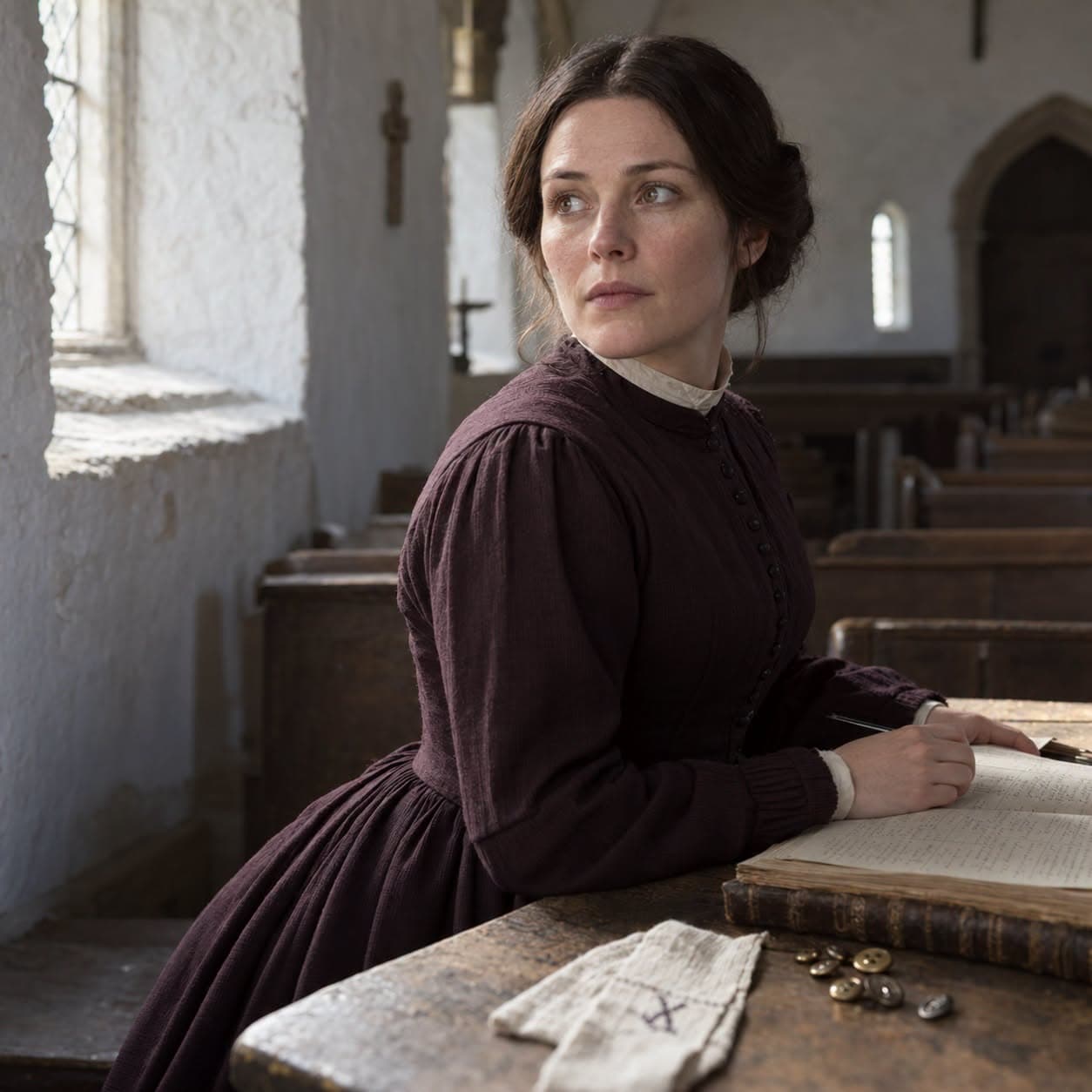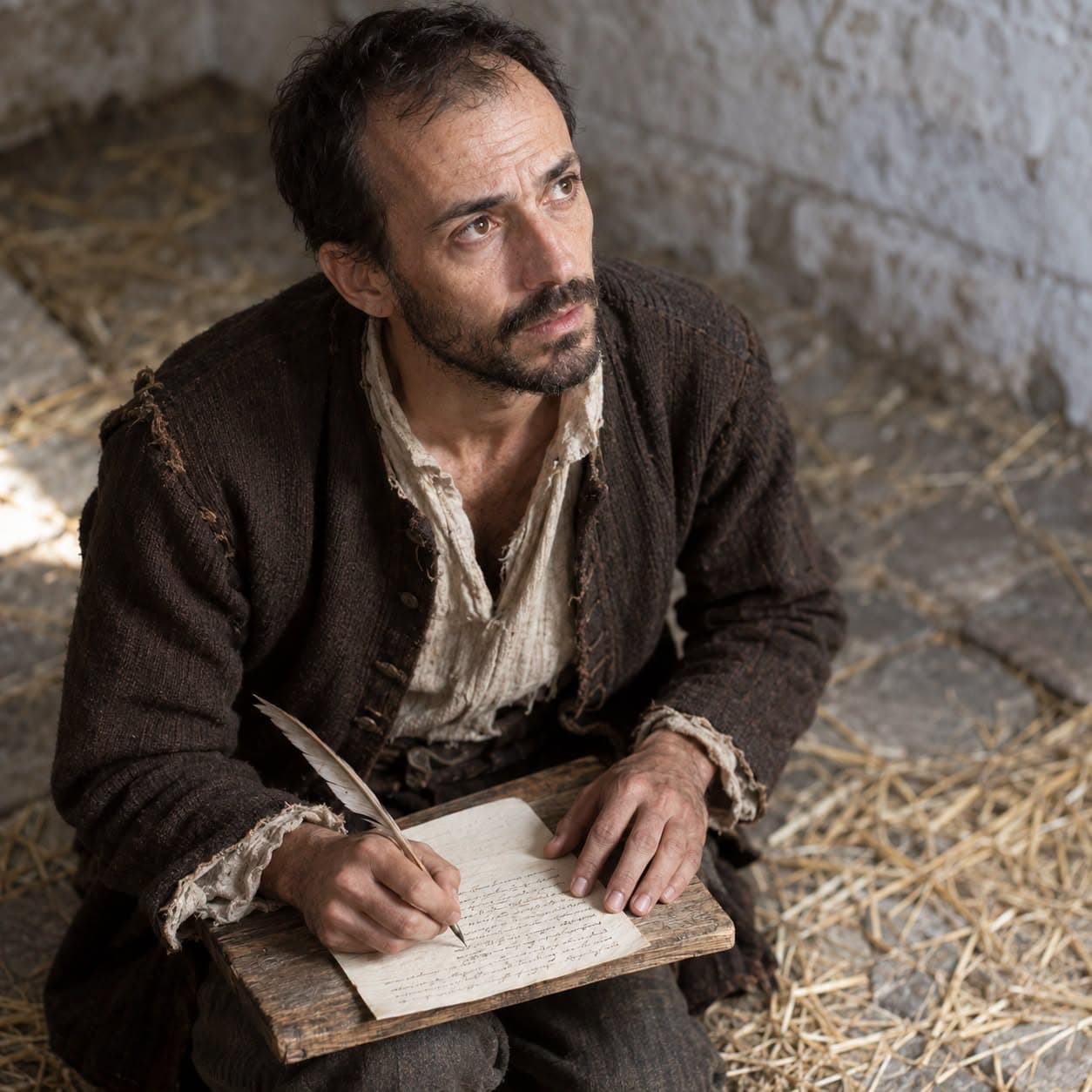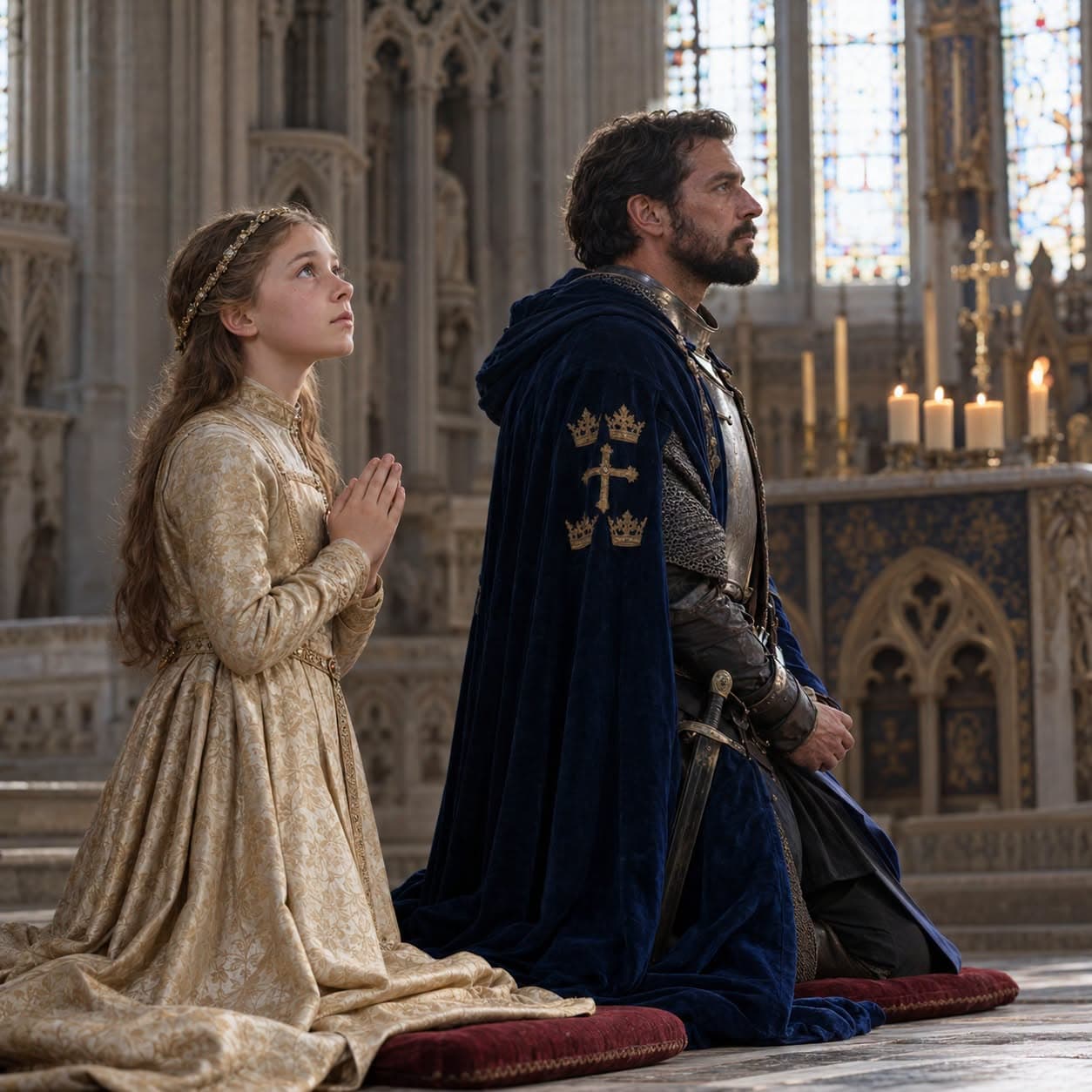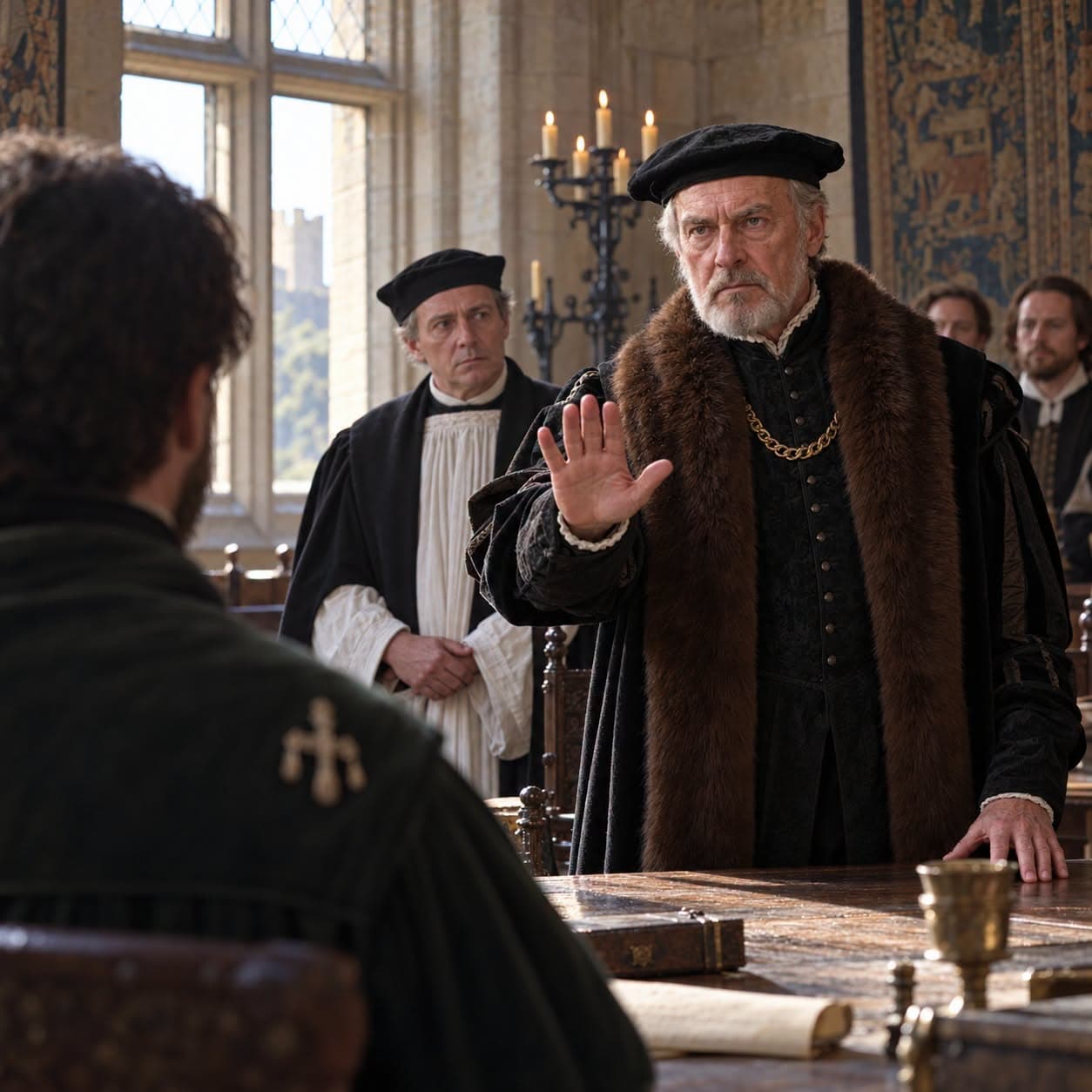
He told the rebels' captain that he neither could nor would deliver the king's castle. Within two days he had delivered it. He was nearly seventy, and he had spent half a century in royal service.
On 20 October 1536, by some accounts the 21st, Thomas Darcy, Lord Darcy, surrendered Pontefract Castle to the Pilgrimage of Grace. It was not his castle. It belonged to Henry VIII, and Darcy was its constable, the man responsible for holding it. He also shared important grievances with the men demanding that he give it up.
Darcy had served Henry VII before he served his son. He had been bound to take a thousand men overseas for the old king, had led fifteen hundred English archers to Spain in 1511, and had pursued the Scots across the northern border. Yorkshire was his home, and the family seat was at Templehurst. He had spent decades doing the work by which a king governed places he seldom visited. By the autumn of 1536, obedience to Henry required him to defend religious changes he opposed, against people whose complaints he understood.
That year Parliament had authorised the suppression of the smaller monasteries, and Thomas Cromwell was driving changes that reached into religious houses and parish life. The northern rising gathered opposition to those changes alongside other grievances. Its followers called themselves pilgrims. They carried arms, but their oath bound them to God, to Holy Church and to the preservation of the king and his issue. Their quarrel, they said, was with evil counsellors.
It was a useful distinction, provided Henry agreed that his own policy was somebody else's fault.
Darcy had asked for reinforcements, money, munitions and the authority to raise men. His advice was ignored. His efforts to recruit were failing, supplies into Pontefract were being stopped, and the garrison was thought to favour the commons. On 17 October he sent his son Sir Arthur to the king with a plain warning: "We in the castle must in a few days either yield or lose our lives."
This was no solitary lord waiting behind a wall. Edward Lee, Archbishop of York, had taken refuge there with his servants. So had Sir Robert Constable, Thomas Magnus and some forty knights and gentlemen, Darcy's son Sir George among them. The king's castle had become a shelter for men whose authority outside it was falling apart.
Robert Aske came into that company in the castle's state chamber. He set out the commons' grievances, then demanded that the lords join the pilgrimage and hand over the fortress. If they refused, the archbishop later recalled, Aske said he had ways to constrain them, and they would find the people without mercy. Darcy answered that he neither could nor would deliver the king's castle. Then he asked for time. Aske granted a truce. Darcy asked for another day. He offered twenty pounds for a respite until nine the next morning. Aske gave him until eight, and prepared his assault.
The garrison's council had already concluded that without relief they must yield. At seven in the morning Darcy asked once more for time and was refused. The castle was surrendered, and the lords, knights and gentlemen inside took the pilgrims' oath.
Had Darcy betrayed his charge willingly, or yielded when he could no longer hold it? His sympathy with the pilgrims was real. So were his letters begging for help, and so was the hour on Aske's deadline.
Whatever brought him to the surrender, his part did not end there. He emerged as one of the pilgrims' captains and negotiated with the Duke of Norfolk on their behalf. The veteran royal servant was now helping to represent an armed movement to the king he had served.
He had been asked to hold a castle. Soon he would be asked to give up a man.
On 6 November Norfolk wrote to him about rumours that he had consented to Pontefract's delivery, and offered him a way back into favour: seize Aske, alive if possible, and show Henry where his loyalty lay. The man who had walked into the state chamber to demand Darcy's allegiance could now be handed over as proof of it.
Darcy refused. He protested that a man of Norfolk's honour should counsel him to betray or deceive any living man, and said he would not do it for any reward. In the same letter he offered to serve the king in his scullery for the rest of his short life, without a penny of rent from his lands, if these troubles could be brought to a good end.
He was offering the king what remained of his life. He was refusing the particular service being asked of him.
There followed the agreement at Doncaster and the dispersal of the pilgrims. When Sir Francis Bigod began a fresh rising in January 1537, Darcy and Aske worked to stop it, and Darcy accepted the king's pardon. Henry encouraged him to stock Pontefract with provisions so that his sons Sir George and Sir Arthur could hold it if the north rose again. For a short time the family was back in the king's service, at the same castle.
Then came the arrest. He was brought to London and lodged in the Tower. The charges alleged renewed conspiracy after the pardon, and his earlier conduct was brought into the case as well. On 15 May 1537 he was tried at Westminster and convicted of treason.
He did not ask Henry for his life. He asked that "the straitness of the judgment" be mitigated, and that he might "have confession and, at mass, to receive my Maker." He had been asked to hold a castle, and then to give up a man, and he had done the first and refused the second. On 30 June 1537, the king's former constable of Pontefract was beheaded on Tower Hill.