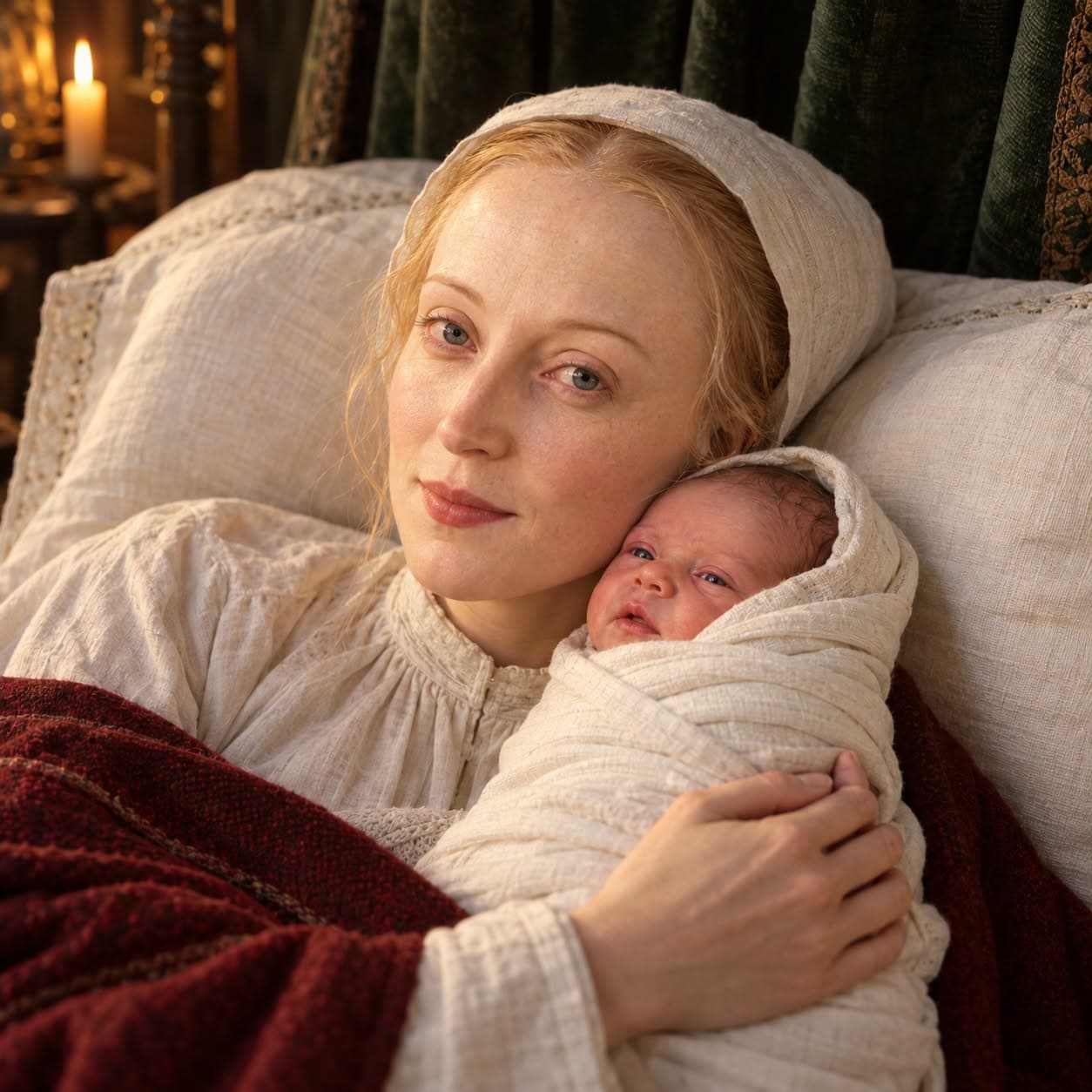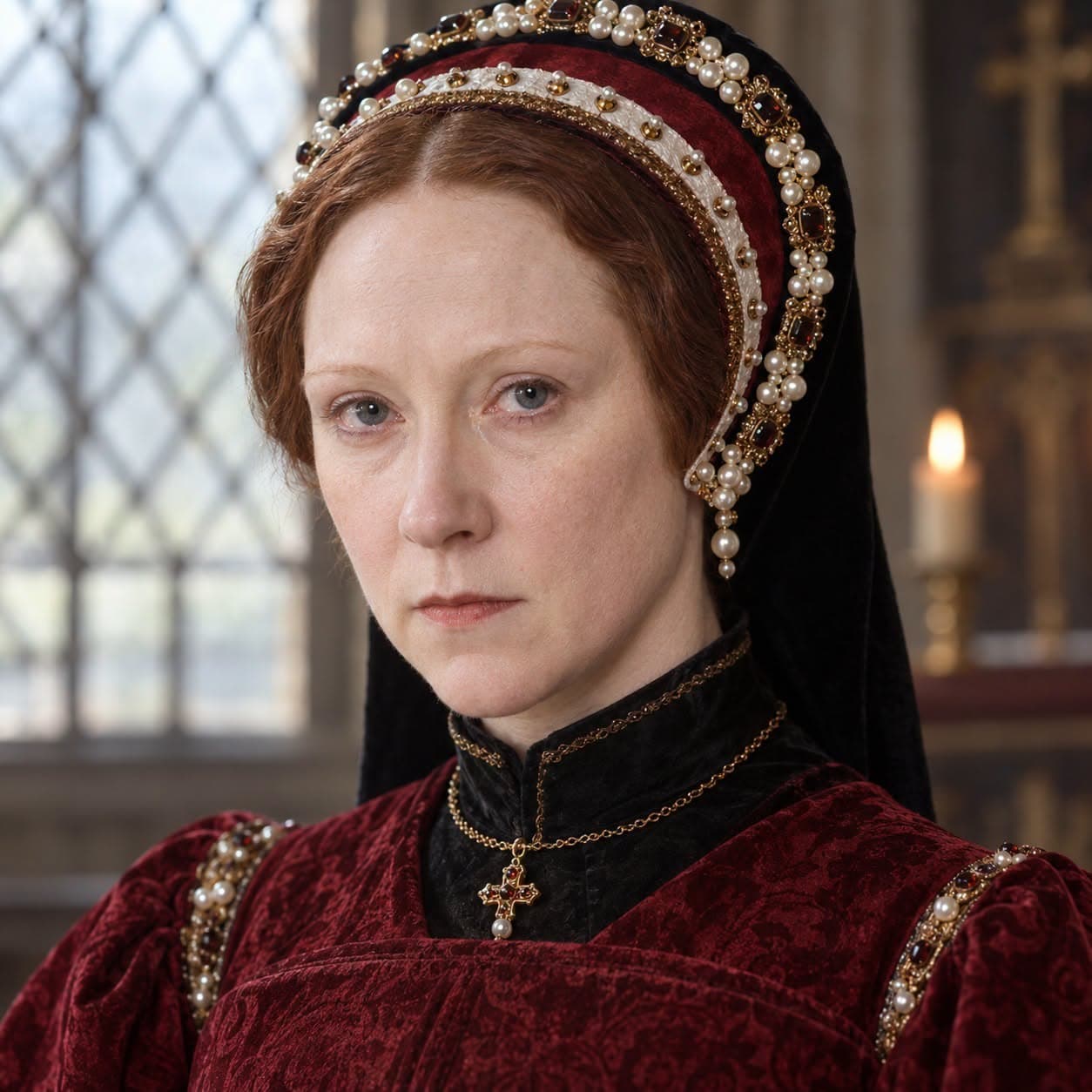
Isabella of Valois was nine, and her husband was to spend the rest of his life in prison. He had been King of England. Her father was King of France. Neither crown could bring them together again.
On 27 October 1399, parliament sentenced Richard II to perpetual imprisonment. His cousin Henry Bolingbroke had taken the throne as Henry IV, and the new king was present when Richard's future was formally settled. Isabella, the child Richard had married nearly three years earlier, remained in England, separated from him. She would turn ten in November.
The arrangements for his custody had been discussed four days before. Richard was to be kept somewhere secluded, where crowds would not gather, under guards who could be trusted. None of his former servants was to attend him. The arrangements themselves were to be carried out as secretly as possible. A man who had lived surrounded by people whose business was to serve him was to be denied those familiar faces.
Even his attendants were now a matter of state.
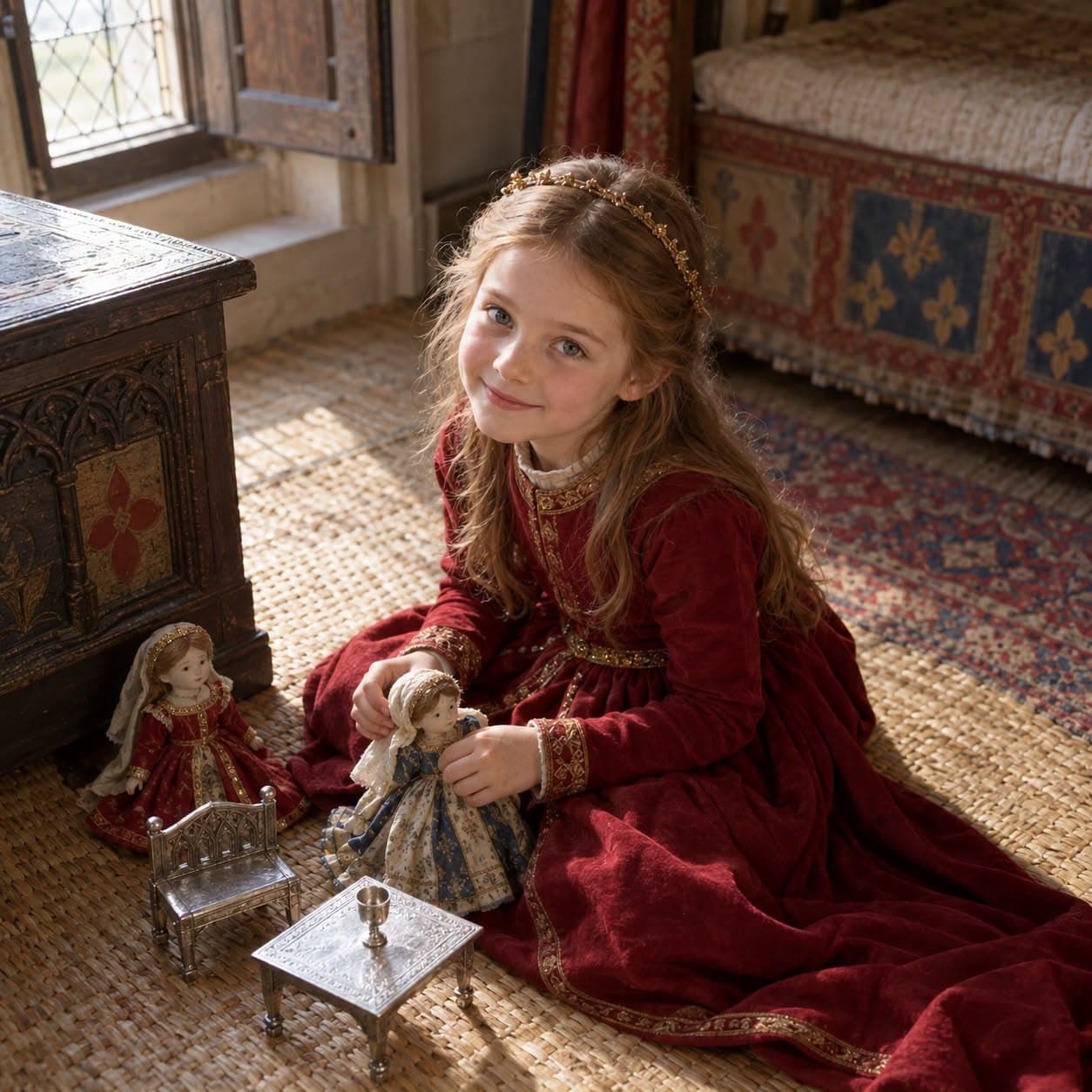
Isabella had come to England in 1396, a French princess of six. Her father, Charles VI, and Richard had used the marriage to strengthen peace between their kingdoms, alongside a truce intended to last twenty-eight years. She was married at Calais and brought across the Channel into an English royal household. The alliance was large enough to occupy two governments. The bride was small enough to bring her dolls.
They came with miniature silver furnishings. Among the valuables supplied for her marriage were crowns, jewelled headdresses, necklaces and vessels for her chamber and chapel, the equipment of a queen packed alongside the possessions of a child. Nothing about the splendour made her older. She was crowned at Westminster the following January, but she was still a child in the care of a French governess.
Richard's treasure included a gift from her: a gold hart lying on a green bed of emeralds, set with balas rubies, sapphires and pearls, with fourteen pearls on its antlers. The hart was his badge. It was entered in his treasure as a gift from the queen. The queen was not yet ten.
The peace abroad had not made Richard secure at home. He had exiled his cousin Henry, and when Henry's father, John of Gaunt, died in 1399, Richard seized the great Lancastrian inheritance. While Richard was away in Ireland, Henry returned to England. His claim to recover his father's lands gathered support, and the king came home to find his own position collapsing. By the end of September Richard had been deposed. The cousin he had sent away now possessed his crown.
Isabella passed into Henry's power too. She was placed at Sonning, near Reading, while Richard was held in the Tower of London. They had last seen each other at Windsor that spring, before he sailed for Ireland. Richard asked to see her, in vain.
He could not send for her now.
When the lords considered his custody in October, Henry's wish that Richard's life should be preserved was put before them. Yet keeping a former king alive meant deciding who might reach him, who might serve him, and how far his old loyalties could be allowed to follow him. The order excluding his servants answered that last question plainly. Taking his crown had not made him an ordinary prisoner. Men could still rally to his name, and early in 1400 some of his supporters attempted a rising against Henry.
Richard had by then been taken to Pontefract Castle in Yorkshire. He died there in captivity in early 1400. Isabella would never see him again.
His death did not send her home.
Charles VI wanted his daughter returned to France. The marriage treaty had provided for the return of her dowry and jewels if the marriage was never consummated. It had not been. She was a child. Now the girl, her belongings and the money paid for her marriage became the subjects of negotiation. French ambassadors had difficulty even gaining access to her. Access to her had become a matter of state as well. She went on living with a small household in England while the two governments argued over what was owed and what would be handed back. Almost all the jewels and plate from her trousseau eventually went back to France. The instalments of her dowry already paid in England never did.
Isabella had been six when she crossed to England with her crowns and dolls, and nine when Richard was sentenced to remain a prisoner for life. In the summer of 1401 she was finally allowed to sail back to France. She had been a bride, a queen and a widow. She was still only eleven.