Her husband died when she was twenty-four, leaving a three-year-old son with a claim to Milan. His great-uncle took the duchy. Five years later, a French king took the boy.
On 22 October 1494, Ludovico Sforza was proclaimed Duke of Milan, passing over the little Francesco, son of the dead duke Gian Galeazzo Sforza and Isabella of Aragon. Ludovico had governed in his nephew's name for years. Now he would govern in his own, and Isabella's child would inherit neither the authority his father had been denied nor the title he had been allowed to keep.
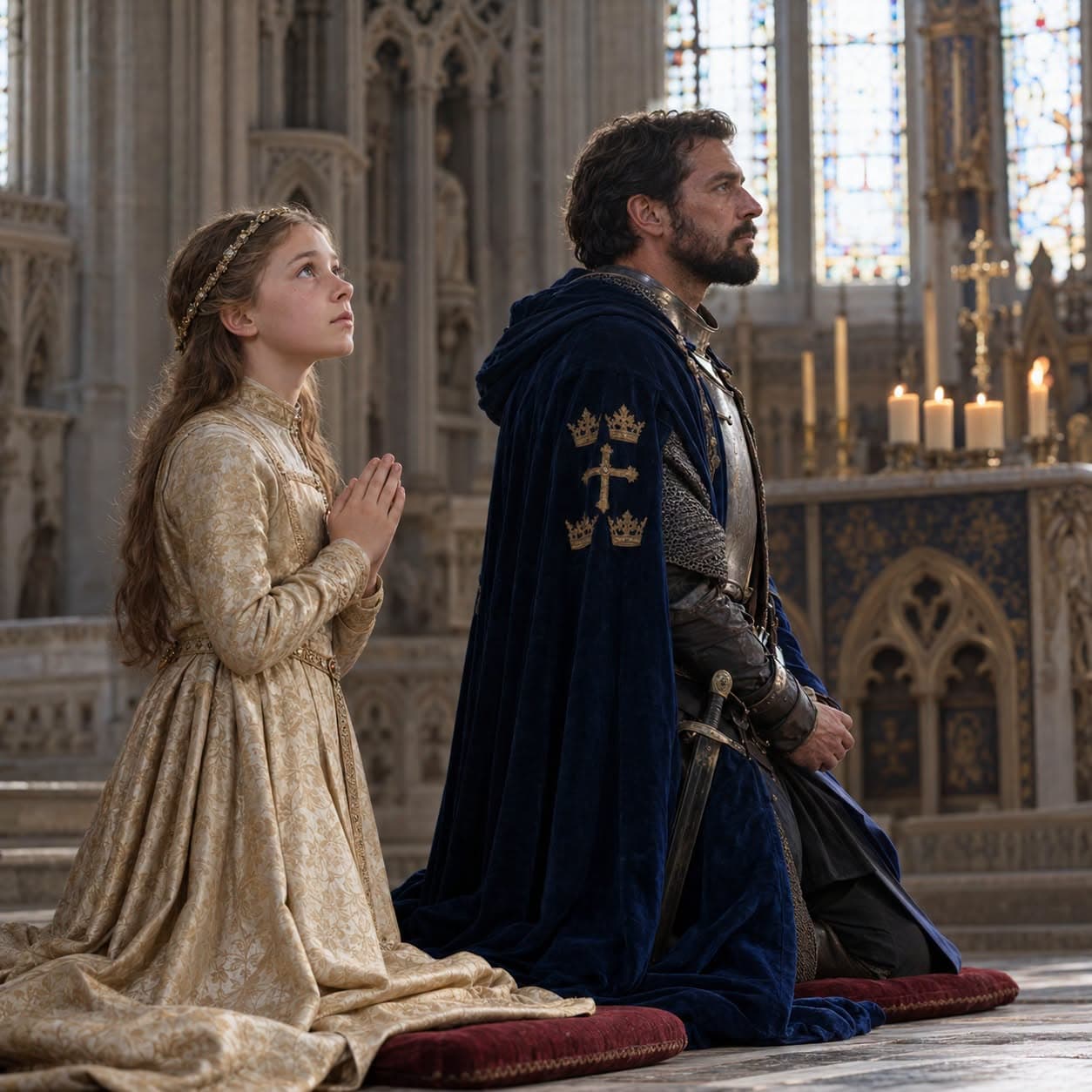
Isabella had come from Naples to marry her cousin in 1489. Her father, Alfonso, was heir to the Neapolitan throne; her mother, Ippolita Maria Sforza, belonged to the family into which she married. The match was meant to bind two ruling houses together. She arrived with the ancestry and rank expected of a duchess, and a husband who was already Duke of Milan. The difficulty was persuading his uncle to let him be one.
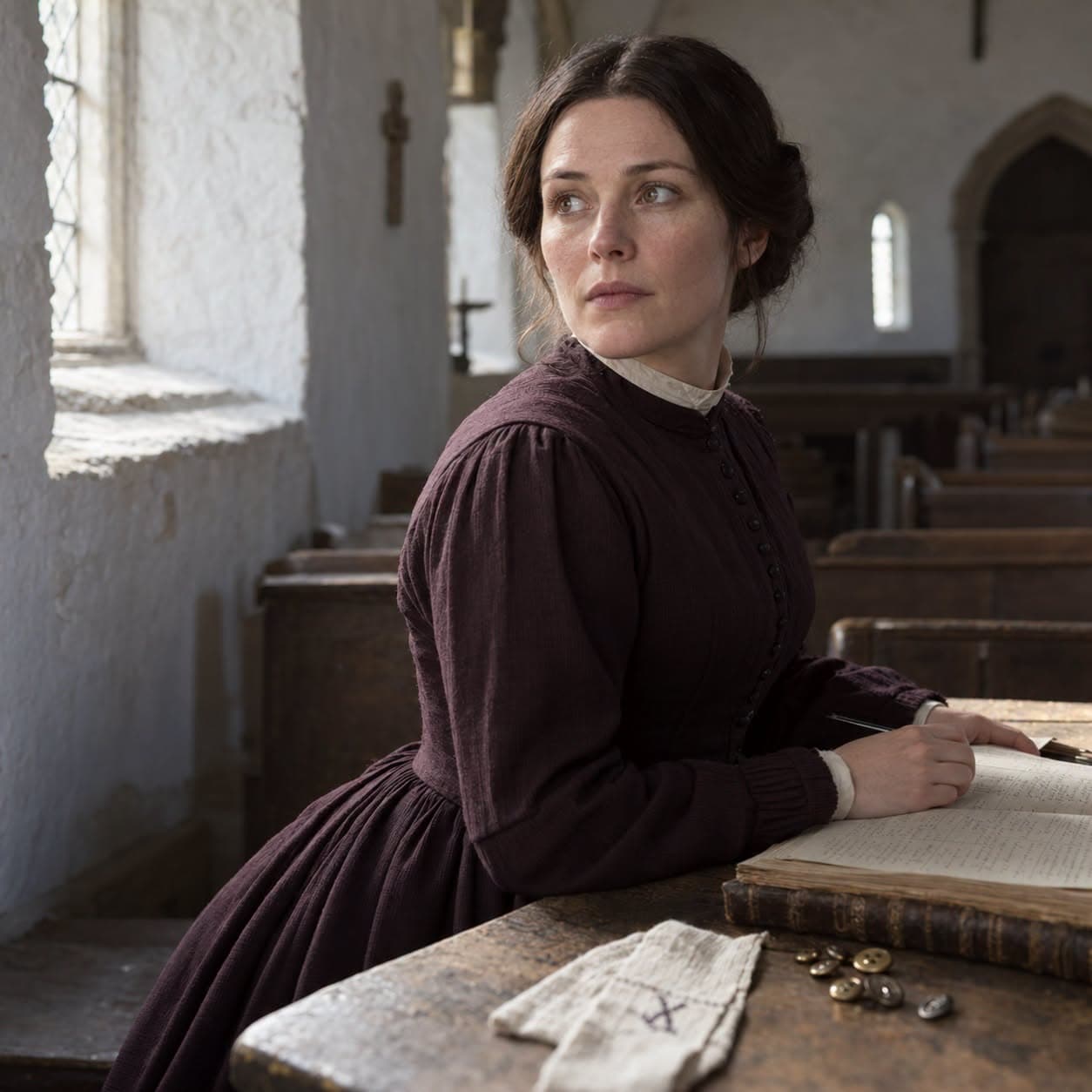
Ludovico controlled their money, their servants and their access to government. He settled the couple at Pavia, away from the government in Milan. Gian Galeazzo's letters and dispatches were screened, and reports went back to his uncle on what he said and did. After Ludovico's own marriage, the duke's allowance was cut to 200 ducats a month and his guard and servants were reduced. Isabella's title placed her high above almost everyone around her. It did not give her command over them.
She appealed to her father for intervention. The marriage had made her a duchess, but it had left her family dependent on the man who withheld her husband's authority. In Naples, her complaints became a dispute between rulers. Ludovico answered the pressure by seeking support abroad, including an alliance with Charles VIII of France, who claimed the kingdom ruled by Isabella's family.
By October 1494, Alfonso was King of Naples and Charles was advancing into Italy to take his kingdom. The marriage intended to secure an alliance had brought Isabella to a court whose ruler was helping an army against her father.
On 14 October, Charles visited Gian Galeazzo at Pavia. The duke was gravely ill. His wife and children were there under guard, while the French king depended on Ludovico's assistance for the campaign ahead. Isabella appealed for mercy towards her Neapolitan family. Her husband entrusted their son's future to Charles. There was a king within reach of the sickbed, but the man that king needed was the uncle already controlling the household.
Charles went on towards Naples. Gian Galeazzo died at twenty-five. Accusations that Ludovico had poisoned him circulated. Isabella was left without her husband, with her father facing invasion and the government of Milan still in the hands of her son's rival.
On 22 October, before the leading men of Milan, the argument was put that children should not succeed to so great a dignity. Gian Galeazzo had been seven when he inherited the duchy. Childhood had become a disqualification at a remarkably convenient moment. Ludovico also held imperial recognition for his own claim, granted secretly that September, before his nephew's death. The proclamation gave public form to a succession he had already worked to secure.
Isabella remained a duchess, and she continued to receive visitors as one. In January 1495, she received her cousin Isabella d'Este wearing heavy mourning, in a room draped in black. Her husband's death had altered her position, but she had not disappeared into a private household. The widow receiving the visitor was still the mother of the excluded heir.
Ludovico kept Francesco under close guard. In 1497, after the death of Ludovico's wife, Isabella was moved to the old ducal court beside Milan Cathedral, while her son was kept apart from her. The man who had governed his father now controlled the child. First she had been unable to secure his inheritance. Now she could not share his home.
Two years later, French forces drove Ludovico from Milan. Charles VIII was dead, and the new king, Louis XII, claimed the duchy himself. The removal of one rival brought no restoration for Francesco. Louis took the boy to France, where he was eventually made abbot of Marmoutier. He died in France in 1512 without recovering Milan.
Before he fled, Ludovico had ceded the duchy of Bari to Isabella, and in 1500 she was formally invested with it. She went south and governed it. She rebuilt its castle, raised the pay and privileges of the city's public teachers, and kept a court of her own. The woman whose husband's letters had once passed under his uncle's eye became a ruler in her own right.
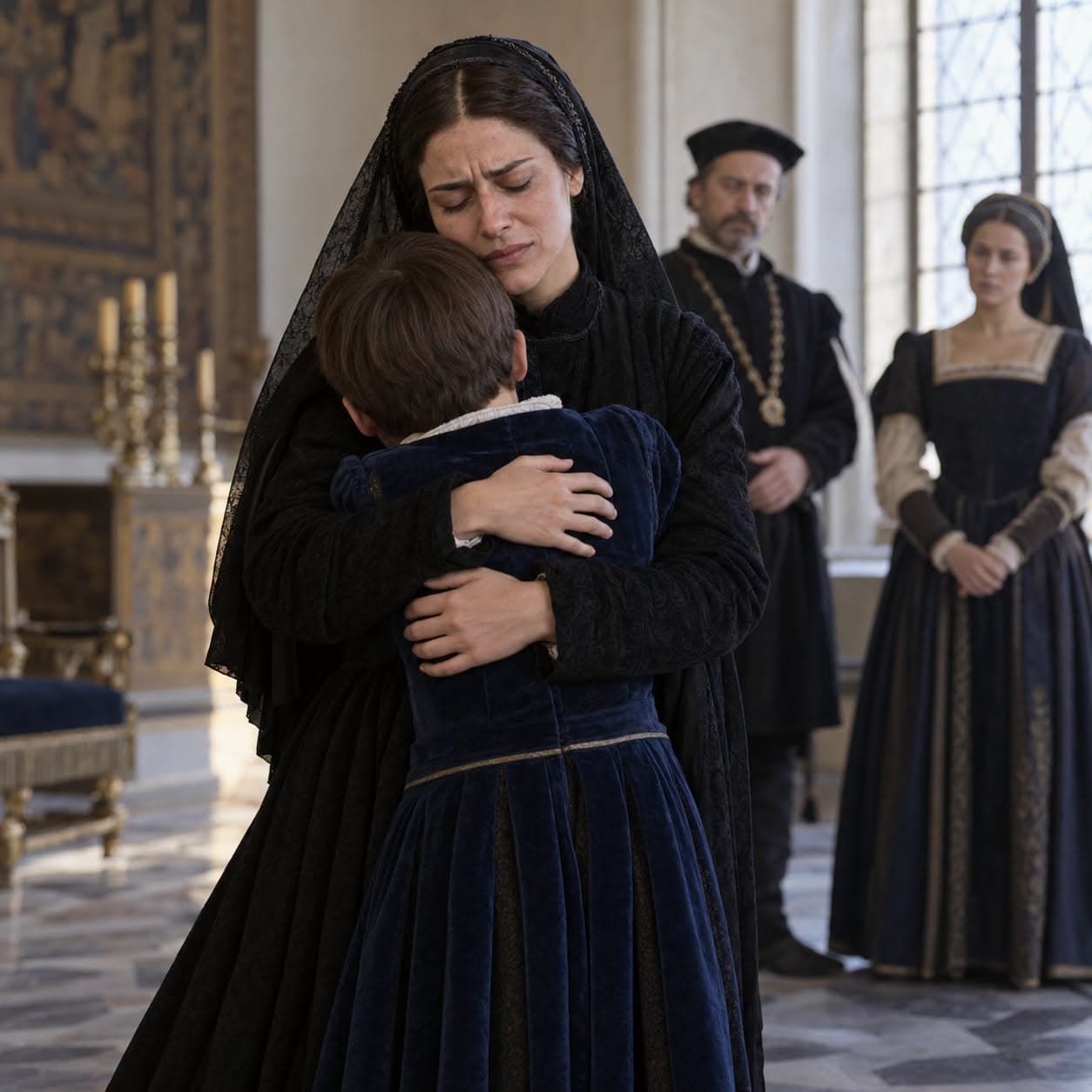
She had been twenty-four when Francesco lost his inheritance. On 9 October 1499 she was allowed to embrace him again. He was eight, and she had just turned twenty-nine. Afterwards she signed her letters as Duchess of Milan, unique in misfortune. She never saw her son again.