Helene Kottanner felt over the pillow before she sat down, so that she would not sit on the crown hidden inside it. It was Hungary, February 1440. She was helping a widowed queen secure a throne for the child she was carrying. His mother would not live to see his next coronation.
On 28 October 1453, that child, Ladislaus the Posthumous, was crowned King of Bohemia in St Vitus Cathedral in Prague. He was thirteen. This was a different kingdom and a different crown from the one Helene had helped to steal. His mother, Elizabeth of Luxembourg, had been dead for nearly eleven years, and the government of Bohemia remained in the hands of George of Poděbrady, the nobleman who had negotiated his arrival.
The boy had reached his coronation. Governing for himself was another matter.
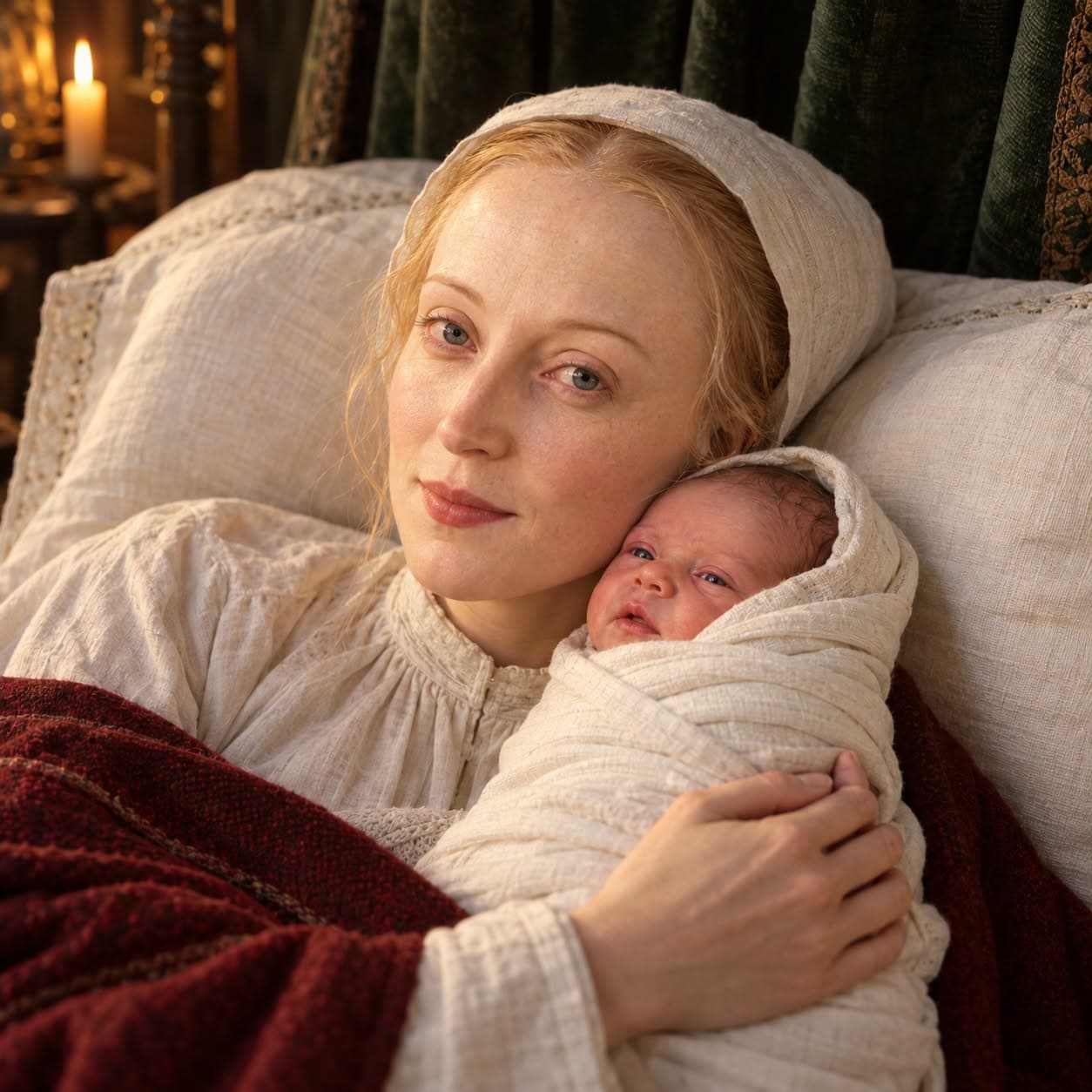
Elizabeth had been Emperor Sigismund's daughter, born into the family whose inheritance lay behind her son's claims. Her husband, Albert of Habsburg, had held the crowns of Hungary and Bohemia after Sigismund's death. When Albert died in 1439, she was pregnant. The son born the following February would be called Posthumous because his father had never lived to see him.
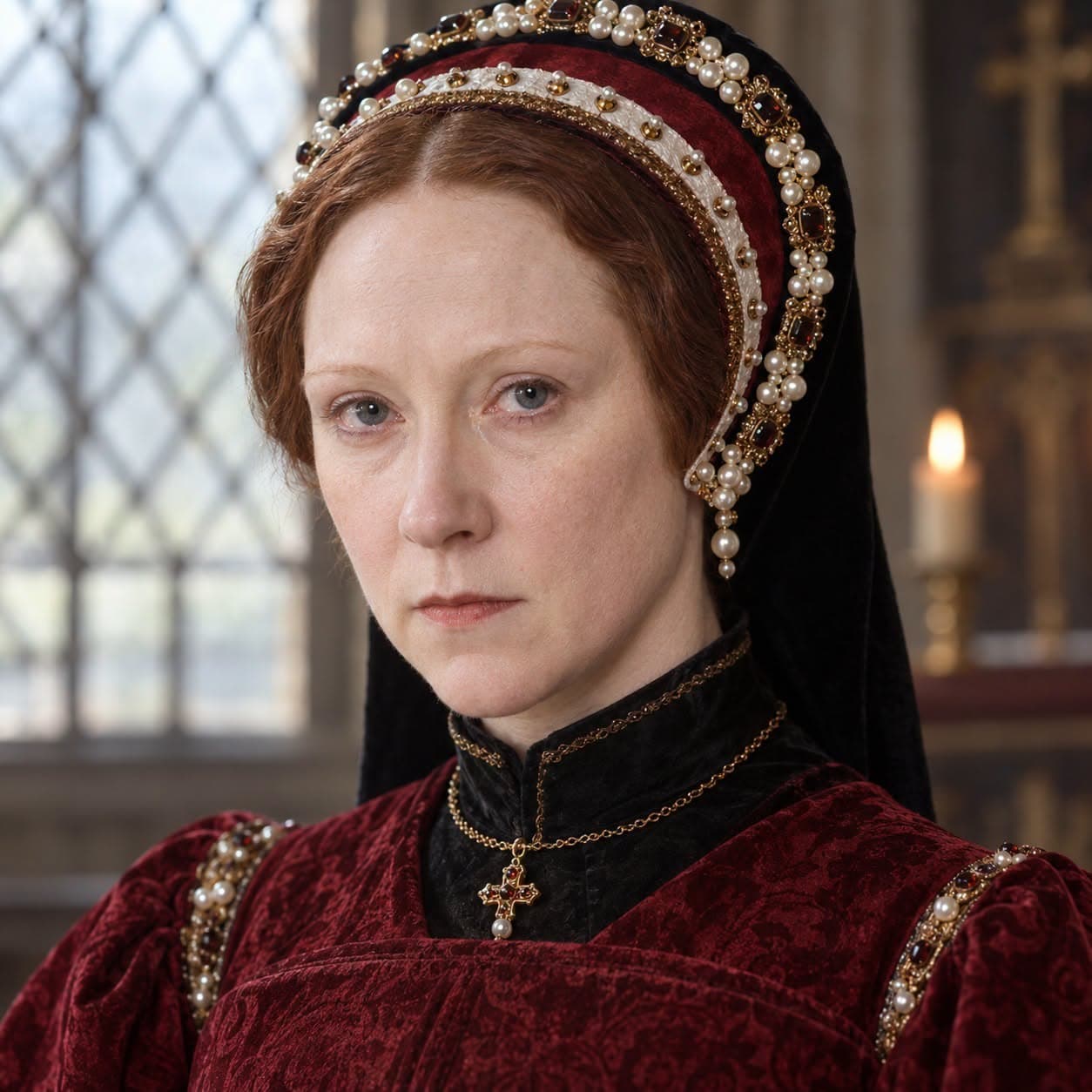
A royal inheritance did not arrive with instructions that everyone else was obliged to obey. Hungarian lords were already looking to the young king of Poland, Władysław, and pressing Elizabeth towards a new marriage. She pursued her unborn child's claim instead. Before she even knew whether she would bear a son, she ordered her attendant Helene to help obtain Hungary's Holy Crown from its place of safekeeping at Visegrád.
The crown was sewn into a red velvet pillow, with some of the feathers removed to make room. It travelled by sled to the queen at Komárno. When the party stopped to eat, Helene had the pillow laid across from her so that she could watch it through the meal. The object on which Elizabeth's plans depended had become a piece of luggage that could not be left unattended.
For the baby's coronation, there was another difficulty. Elizabeth had sent for gold cloth, but it had not arrived in time. A red and gold vestment that had belonged to her father was cut up instead. Behind locked chapel doors, Helene made the little ceremonial garments, down to the gloves and shoes. The emperor's grandson would wear his grandfather's cloth.
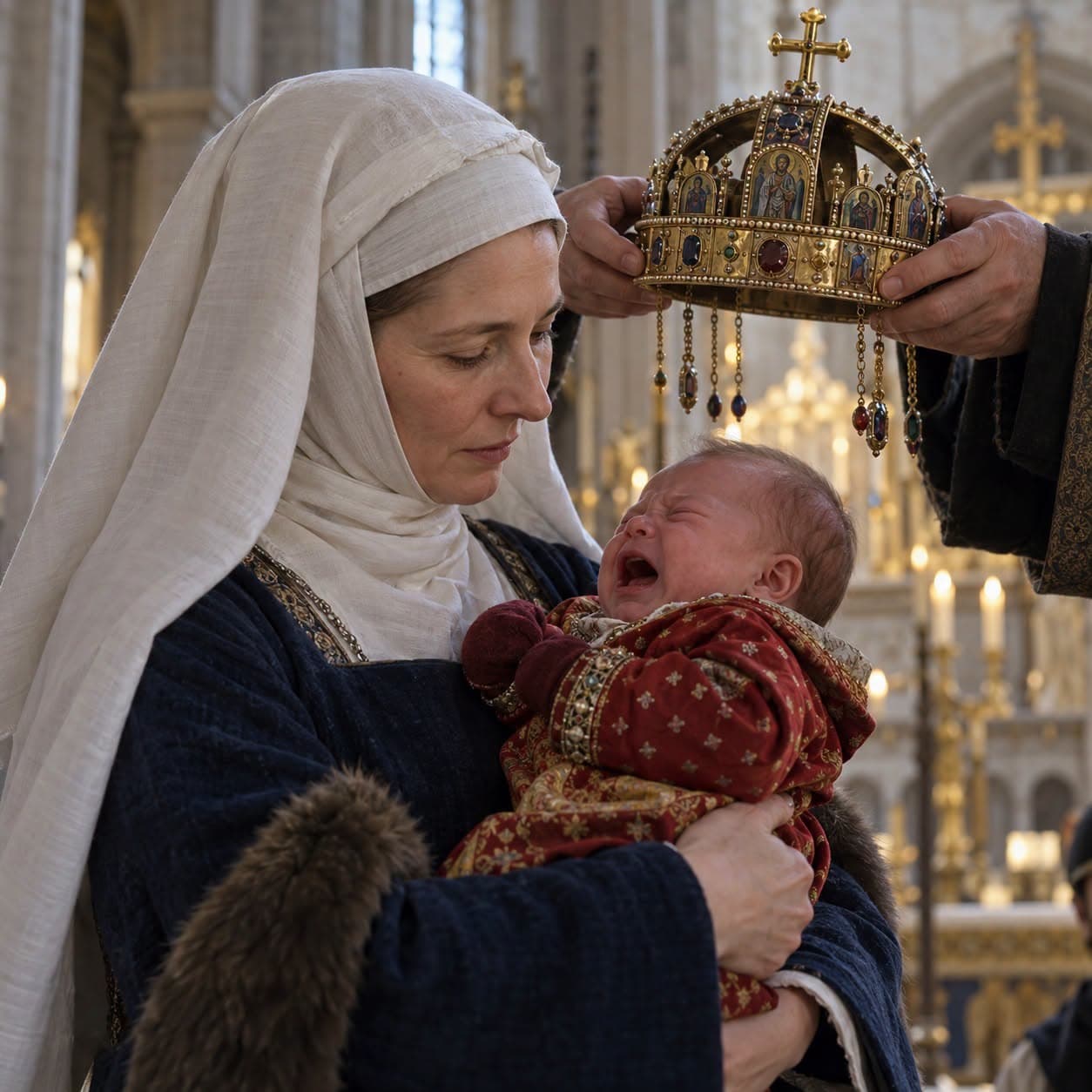
On 15 May 1440, the feast of Pentecost, the infant was crowned King of Hungary at Székesfehérvár by the archbishop of Esztergom. He was not yet three months old. On the way into the city he cried and would not stay in his cradle, so Helene got down from her horse and carried him in her arms. In the church she held him while Count Ulrich of Cilli held the crown above his head, and he cried so loudly that he could be heard throughout the church. Elizabeth had obtained the crown, the traditional place and the proper churchman. She had done everything required to make his coronation legitimate.
She had not made his opponents accept it.
Władysław was crowned in the same city that July, using another crown. Hungary had two kings and a civil war. Elizabeth's campaign continued through soldiers, alliances and mounting costs, and before the year was out she had placed both her son and the Holy Crown in the keeping of Frederick III of Habsburg, her late husband's kinsman. She died in December 1442. Her son was two.
He spent much of his childhood with Frederick, while delegations tried to obtain his release. After Władysław died at the Battle of Varna in 1444, Hungarian recognition of Ladislaus did not bring the boy back to Hungary. Requests for both their king and their crown went unanswered. The title was his; access to its holder depended on somebody else.
It took an army and the siege of Wiener Neustadt to force Frederick to give him up in 1452. Ladislaus was twelve. Frederick released the boy but kept the Hungarian crown, the same one Helene had carried out of Visegrád in a pillow.
The crown and the child had become separate things to negotiate over.
By the autumn of 1453, the boy could at last come to Bohemia for his coronation. There, too, his ancestry was only part of the settlement. The kingdom had its own privileges, its own religious agreements and a governor already exercising authority. Before Ladislaus could be crowned, those arrangements had to be recognised. George of Poděbrady's powers were confirmed, and the thirteen-year-old entered a kingdom that George would go on governing. For Bohemia, that offered continuity. For Ladislaus, it meant that leaving Frederick's custody had not ended his dependence on powerful adults.
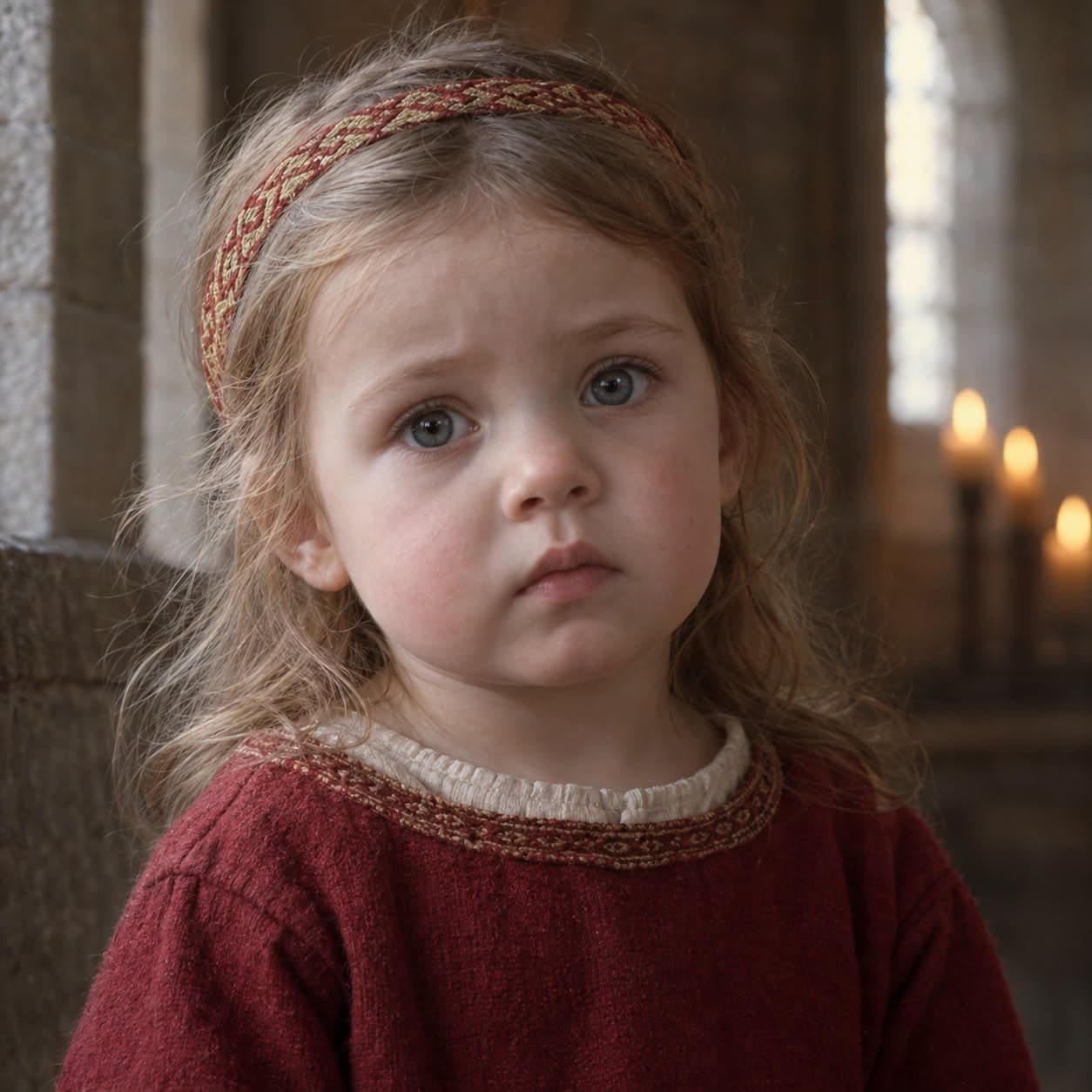
Yet the ceremony mattered. Elizabeth's son was in Prague, crowned in the cathedral and acknowledged as king. Her campaign had kept his claims alive through the dangers of his infancy, even though the Bohemian settlement was made long after her death. The baby who had cried through his first coronation in Helene's arms was now thirteen, old enough to take part in the ceremony himself and still young enough for another man to govern his kingdom.
Four years later, preparations were being made for his marriage to Madeleine, daughter of Charles VII of France. Ladislaus was back in Prague, with another royal future being arranged around him. Seventeen years earlier, a woman had felt over a pillow so that she would not sit on his crown, and sewn his first gloves behind locked chapel doors. On 23 November 1457, before the marriage could take place, Ladislaus died in Prague. He was seventeen.