At thirty-four she was asked to lead nurses into military hospitals. Her family had once opposed her becoming a nurse at all. Now a minister needed her to organise them.
On 21 October 1854, Florence Nightingale and her nursing party left London for Scutari, across the Bosphorus from Constantinople. They were travelling towards the sick and wounded of the Crimean War, whose suffering had reached British readers through newspaper reports. The expedition would bring together thirty-eight nurses under her direction. There was an enormous distance between agreeing that someone ought to help and getting those women there, equipped to do it.
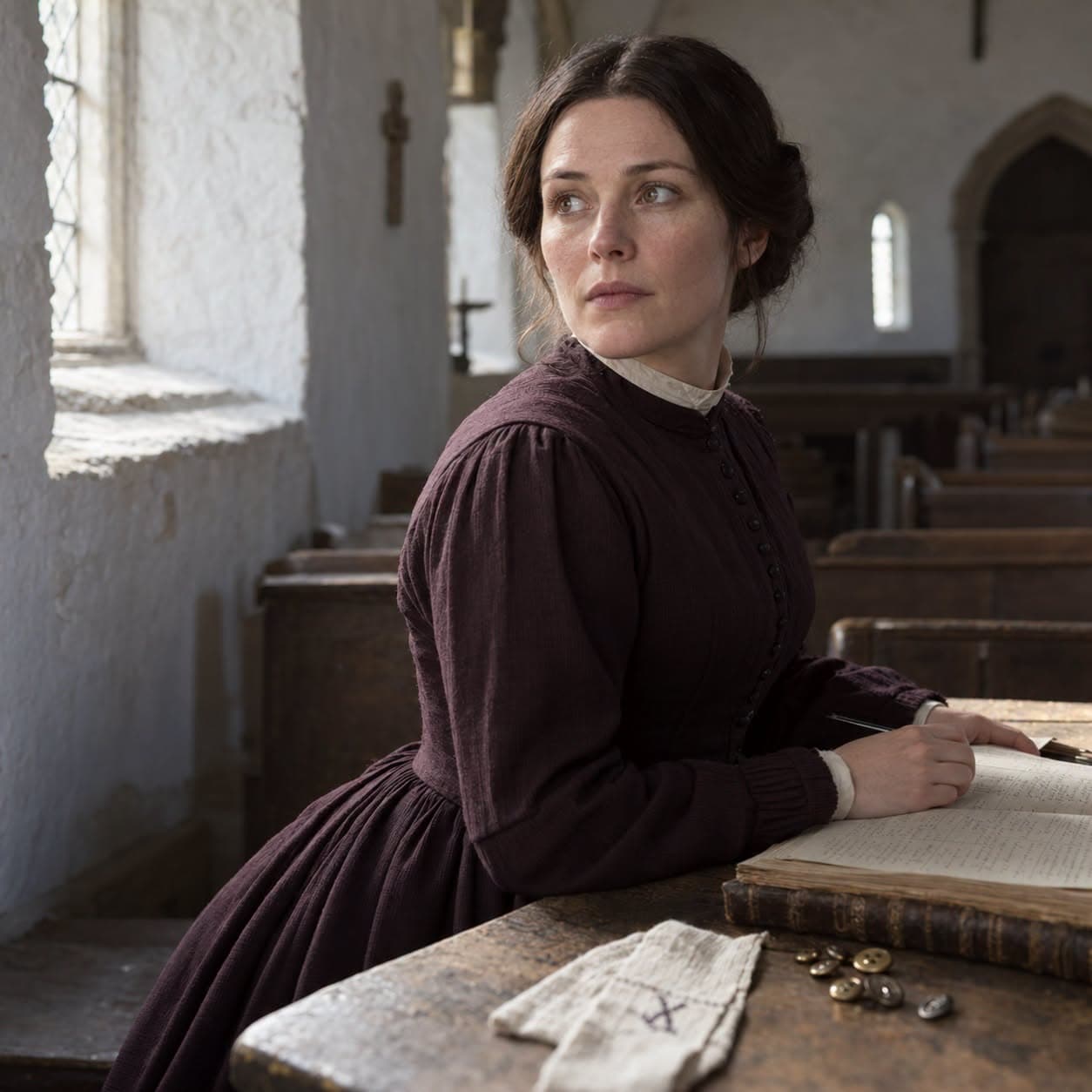
Florence had spent years trying to enter work that her family considered unsuitable. She had been brought up between homes in Derbyshire and Hampshire, educated by a father who taught her mathematics as well as languages and history. Her family could give her an education that developed her abilities. Finding an acceptable occupation for them was another matter.
Nursing carried a reputation that made her ambition particularly unwelcome. Paid nurses were often poor women, and the familiar public image included drunkenness, coarse language and neglect. For a daughter with Florence's advantages, her family saw the occupation as a waste of those advantages. She read about hospitals, persisted, and eventually obtained their consent to train. In 1851 she spent three months at Kaiserswerth in Germany, among Protestant deaconesses caring for the sick.
By 1853 she was superintendent of a hospital for gentlewomen in London's Harley Street. When the crisis came, she already had patients, staff and responsibilities. Compassion had acquired some practical experience.
That mattered to Sidney Herbert, the Secretary at War, who knew her personally. In October 1854, as accounts of inadequate care provoked public anger, he asked her to take charge of a nursing expedition. A small private party was already being organised for Scutari, and Florence had been asked to command it. Government backing gave the undertaking a different scale, and gave her authority over the nurses who would go.
The preparations filled Herbert's house in Belgrave Square. Mary Stanley and Mrs Bracebridge interviewed applicants while Florence dealt with the arrangements. Choosing women willing to leave was only part of the difficulty. They had to be capable of nursing, able to endure the work and prepared to accept direction. An expression of sympathy was considerably easier to supply than an experienced surgical nurse.
One of those recruited was Mrs Roberts, sent from St Thomas's Hospital. She was engaged at £120 a year, and her skill in surgical nursing would become indispensable. Women like her had learned their trade on the wards of London hospitals, and they carried it with them to Scutari.
The party as finally gathered was ten Roman Catholic sisters, eight Anglican sisters from Devonport, six nurses from St John's House and fourteen from English hospitals. Most of them were working women, not ladies. Mother Mary Clare Moore and four Sisters of Mercy from Bermondsey had already left London on 17 October and were told to wait in Paris, so that the whole party would arrive together under Florence's authority.
Among the letters Florence carried was one from her mother. "God speed you on your errand of mercy, my own dearest child." The family that had once resisted her vocation was now seeing her off to practise it.
At Boulogne, fisherwomen seized the nurses' bags, carried them to the hotel and refused to take a penny. The landlord gave the party dinner, told them to order what they liked and would not let them pay. The waiters and chambermaids declined their tips too. Women who could help in that place helped women travelling to another.
Through France, the management began before they had reached a ward. Florence's uncle Sam Smith, who travelled with the party as far as Marseilles, described the nightly business of arranging rooms for five different religious groups before anyone could sit down to supper, then getting everyone ready for an early start. In Marseilles, Florence laid in a large store of provisions. Her work already involved accommodation, supplies and the needs of other women, all the uncelebrated arrangements on which a celebrated mission depended.
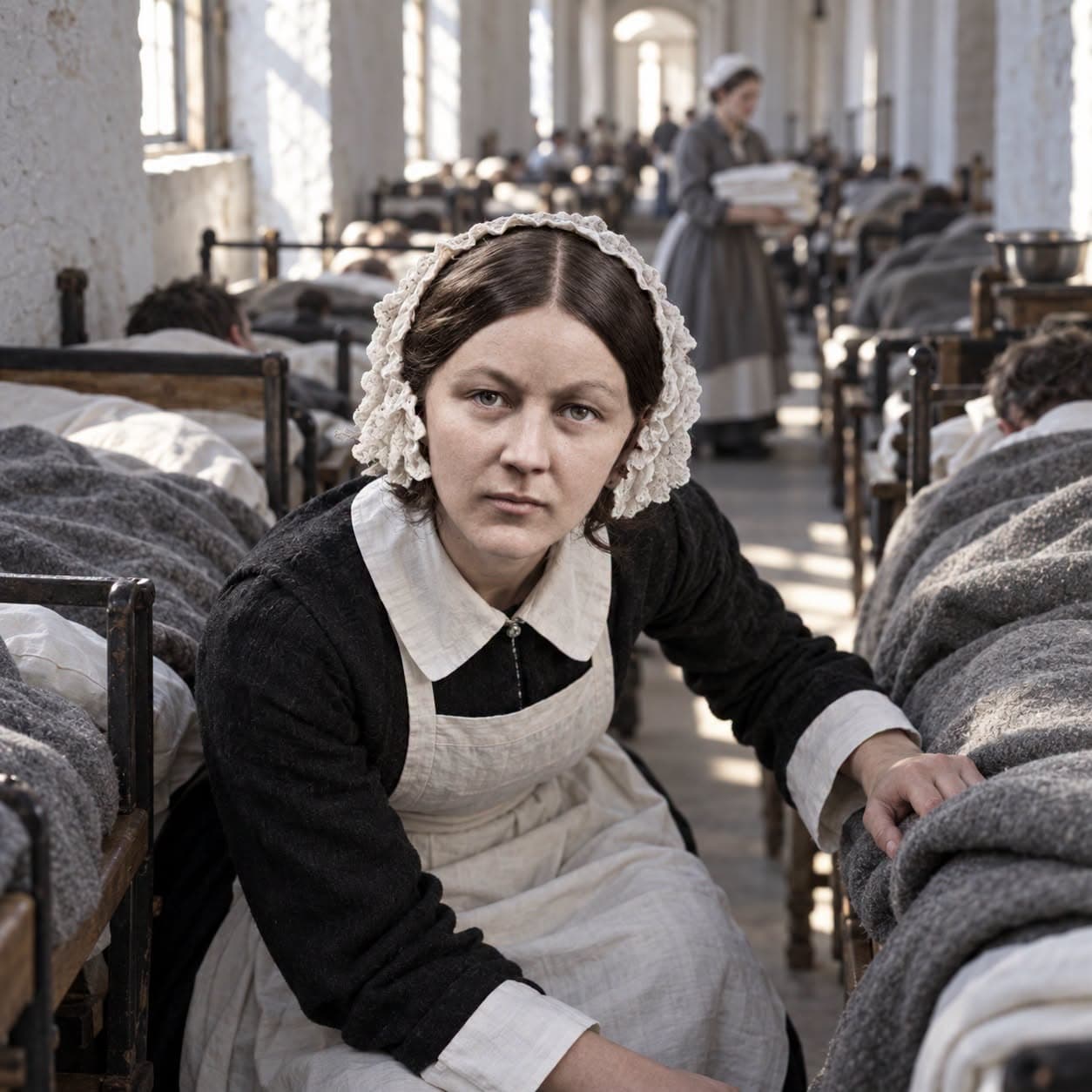
They reached Scutari in early November. The hospitals were dirty, short of equipment and overwhelmed by men arriving from the war across the Black Sea. Disease filled beds alongside battle wounds. Government authority had brought Florence and the nurses there; it did not ensure that the army doctors would welcome their help. Some regarded their arrival as a criticism of their own work. Fresh casualties from Inkerman that November made the pressure harder to resist.
"We have now four miles of Beds," Florence wrote ten days after arriving, "and not eighteen inches apart." The nurses cared for wounded men, washed clothing and linen, and within days of arrival Florence had extra diet kitchens running. A patient needed food as well as a dressing, and clean linen as well as a bed. Those ordinary necessities had become extraordinary difficulties.
Their arrival did not make the buildings safe. The Sanitary Commission's work on sewers and ventilation came months later, in the spring of 1855. Nursing could ease suffering and improve care while the dangers inside the hospital remained. The death rate at Scutari went on rising through that winter.
Florence had left London at thirty-four, a woman whose family had once thought nursing beneath her. On 14 November she wrote to the surgeon William Bowman: "I always expected to end my Days as Hospital Matron, but I never expected to be Barrack Mistress." In the same letter she asked that word be passed back to St Thomas's about the nurse they had sent her. Mrs Roberts, she said, was "worth her weight in gold".