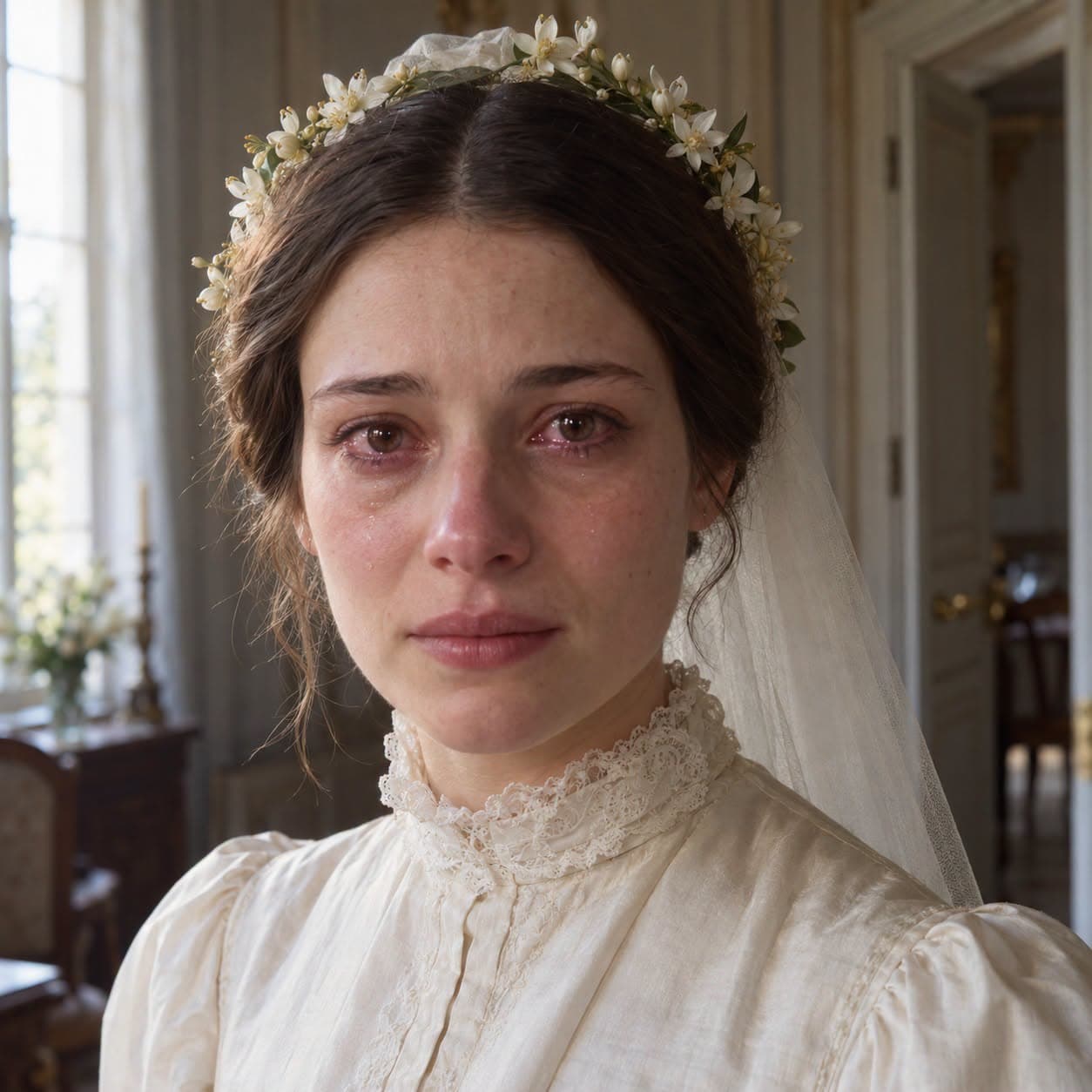
Her brother-in-law found her there in another room, as he later told the court, and advised her to obey her husband. That, he explained, was the way to be happy. She had been showing her wedding presents when her new husband rebuked her.
On 28 October 1839, Sébastien Peytel was executed at Bourg-en-Bresse, convicted of murdering his wife, Félicité, and their servant, Louis Rey. Honoré de Balzac had taken up his defence in the newspapers. A celebrated novelist had argued for his life, but the sentence stood.
Before there was a case to argue, there had been a marriage to arrange. Thérèse-Félicité Alcazar was living near Belley, in eastern France, with a married sister's family when Peytel, a notary in the town, began to court her. He went to Paris to ask her mother for her hand. Félicité hesitated, then accepted at her family's wishes, and they married in the spring of 1838. Her fortune was considerable, and Peytel came to the marriage contract with demands of his own. At his trial he acknowledged insisting on a shared-property arrangement rather than the dowry regime that would have kept her money protected. Money would become part of the prosecution's explanation of her death. It had already occupied a place in the preparations for their life together.
Félicité had her own expectations of that life. Her brother-in-law, the doctor Casimir Broussais, who had married another of the Alcazar sisters, remembered her longing for the independence she thought marriage would bring. He described a woman who loved her friends warmly, though he found plenty to criticise in her character too. It was Broussais who had found her crying on her wedding day, and Broussais who had told her to give way.
Independence had acquired conditions rather quickly.
By the end of May she had put a promise of obedience into writing. In a letter dated 31 May 1838 she pledged to follow her husband's slightest wish and accepted being shut away if she broke her word. She swore it by the ashes of her father. When her letters were read out during Peytel's interrogation, he said she had written them of her own accord. The presiding judge put it to him that a model in his own handwriting had been found. Peytel denied writing any such thing.
The promises were hers on the page. In court, their meaning was fought over by the men who remained.
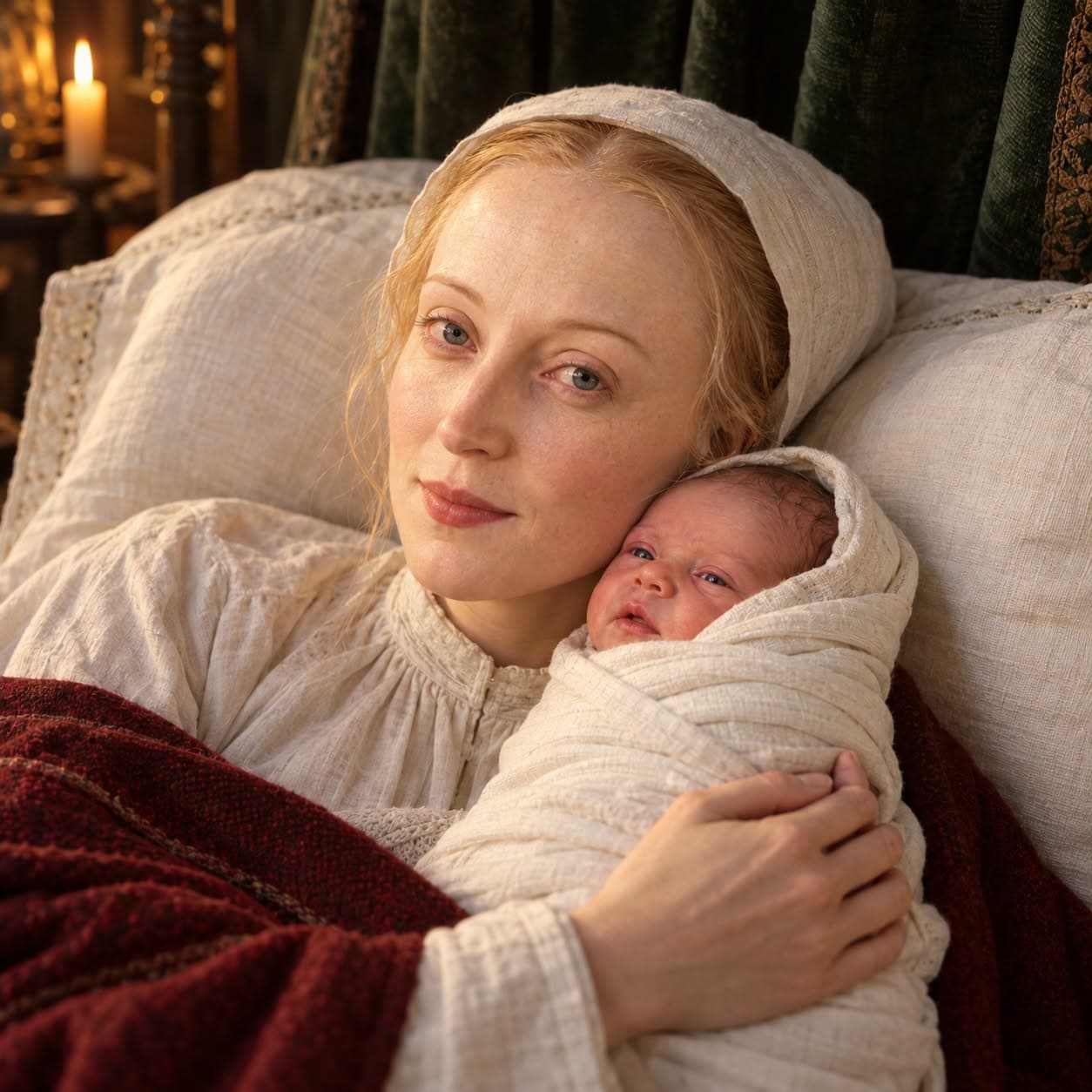
At the end of October the couple went to Mâcon, the town where Peytel had been born. On the evening of 1 November 1838 they were driving home towards Belley, and Louis Rey was travelling with them. Before the night was over, Félicité and Rey were dead. She was pregnant. The marriage had lasted less than seven months.
Peytel woke a farrier near the Andert bridge and said their servant had shot his wife, then tried to escape. He admitted killing Rey in response. It was an account that left the surviving husband explaining the actions of two people who could no longer answer him. Rey, too, became the subject of accusations after his death. His part in the story depended on whose explanation prevailed.
When the case came to trial in the summer of 1839, Peytel's lawyer argued that grief could be made to look like hypocrisy, and silence like indifference. Whatever the accused had done after the deaths could be turned against him. At the end of August the jury found him guilty of both killings, with premeditation, and the court sentenced him to death.
Balzac's intervention followed. In September he travelled to the Ain with the artist Gavarni, visited Peytel in his cell and went over the road himself. His defence appeared in Le Siècle on 27, 28 and 29 September, carrying the argument beyond the courtroom to readers who would never hear a witness speak. He questioned the investigation and the supposed motives, and argued that a calculating murderer could have found somewhere easier to commit the crime. He wanted the case heard again.
But Félicité had a place in his argument too. Balzac portrayed her as badly brought up and her husband as a man restraining his temper under provocation. He presented Peytel's hopes for her pregnancy as evidence of his desire for a happier marriage. Motherhood, in this account, might have improved the wife. The husband was being defended through the woman she ought to have become.
His defence also contained a domestic detail. Balzac described a letter in which Peytel had asked his mother to have the baby's clothes ready for late February or March. He offered it as evidence of a father looking forward to his child. Those preparations belonged to a future that neither parent would reach.
The campaign did not save him. Peytel was executed at midday on Monday 28 October 1839, four days short of a year after the night on the road to Belley. The verdict remained the court's answer; Balzac's defence remained an argument against it.
The scene over her wedding gifts reached the courtroom in Dr Casimir Broussais's account of finding her in tears and telling her that obedience to her husband was necessary to her happiness. Her promise to follow her husband's slightest wish reached it in her own handwriting, sworn by the ashes of her father, and was read out while the man she had made it to answered questions about where it came from. She was not there to say what she had meant by it.