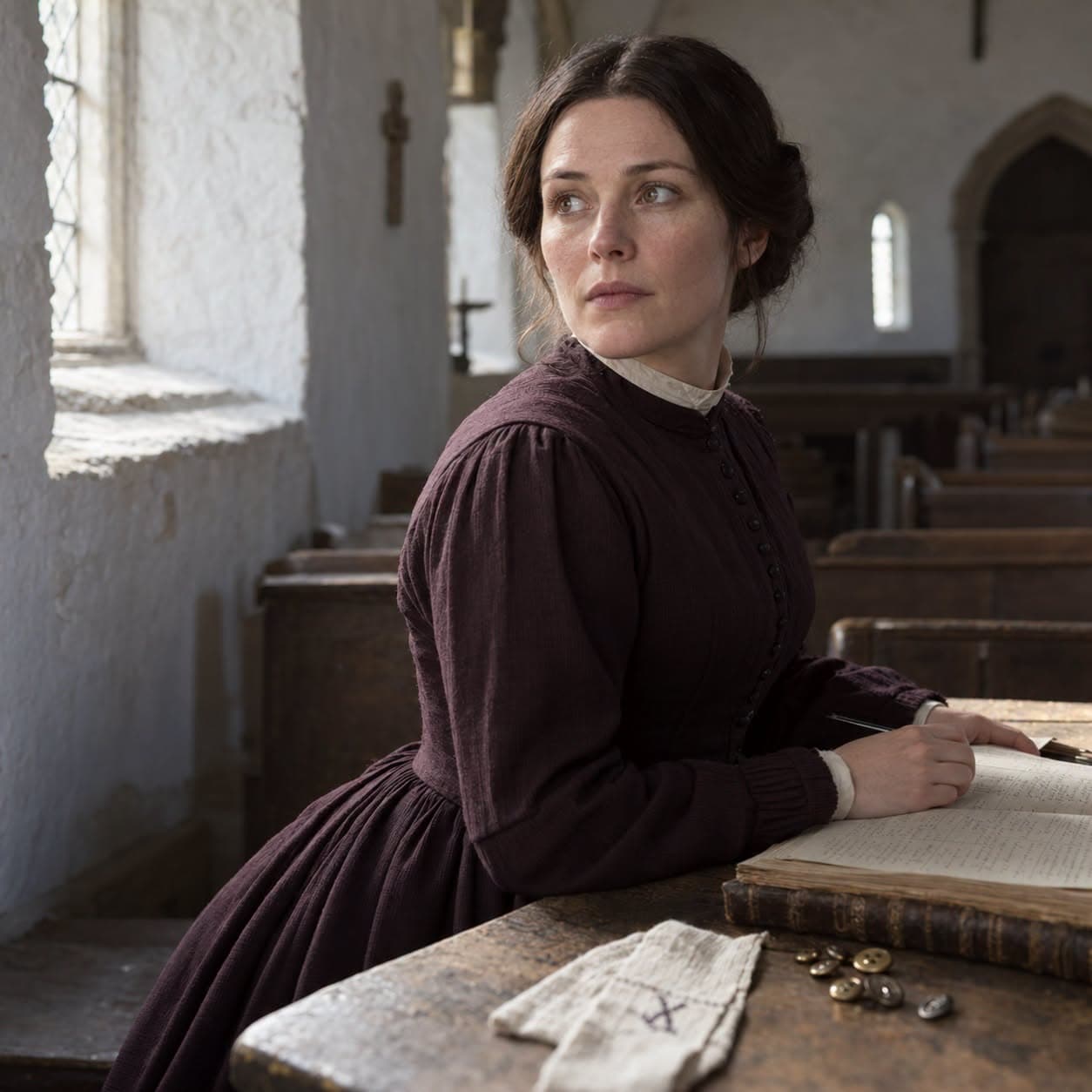
She embroidered a sewing bag for her aunt's birthday. Her aunt was the dowager queen of Denmark. The year before, Elizabeth had been a prisoner in northern Russia. A little over a year later, the queen was writing to the three siblings Elizabeth left behind.
Elizabeth Antonovna's death in Horsens is recorded on 20 October 1782. She was not yet forty. She had spent only two years in Denmark, where she lived with her sister Catherine and their brothers Peter and Alexei. They had a household of servants, a garden and a chapel of their own. They were still under guard.
Her mother, Anna Leopoldovna, had governed Russia as regent for Elizabeth's eldest brother, the infant Emperor Ivan VI. Her father was Prince Anthony Ulrich of Brunswick. In 1741, Peter the Great's daughter, Empress Elizabeth, seized the throne and had the family imprisoned. The younger Elizabeth was born after the overthrow. She inherited its consequences without ever having belonged to the court that lost.
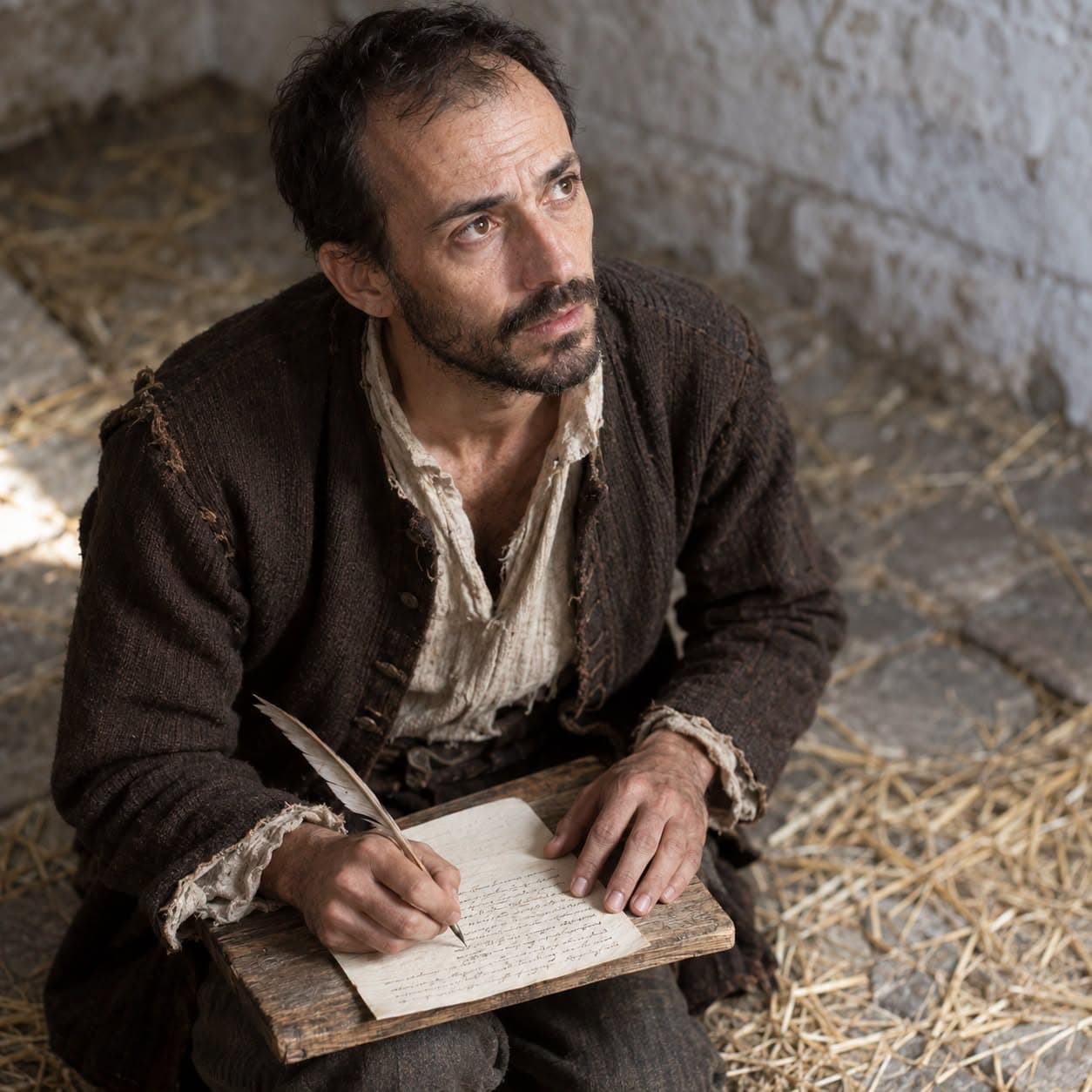
The family eventually reached Kholmogory, in northern Russia, where Elizabeth grew up in confinement. Her mother died in 1746. Her father remained with the children until his death in 1774. Meanwhile, the rulers in St Petersburg changed, and the children became adults. Their family connection continued to make them dangerous to people they had never governed.
There was no offence for them to outgrow.
Within the small household, Elizabeth became the person who spoke for the others. She was lively and quick, and capable of explaining what the family needed to an official who could carry their requests beyond the enclosure. Her elder sister Catherine had lost her hearing. The four siblings had grown up together. In summer they tended their garden and kept chickens and ducks; in winter they read church books and played cards and draughts. The sisters sewed linen. They had occupations, affections and a life among themselves, within boundaries other people set.
In 1780, the governor-general Alexei Melgunov came to Kholmogory, and Elizabeth spoke to him on the family's behalf. In his account of their conversation, she explained that when they were young they and their father had asked for freedom. Later, when he was blind and they were older, they had asked to go out for drives. Their requests had gone unanswered.
By then, she was asking for smaller things.
Melgunov recorded her request for permission to walk in the meadows. They had heard that flowers grew there which they did not have in their garden. She also asked whether the wives of the officers guarding them could visit, to give them company. Beyond the people already assigned to their household, friendship was something for which an application had to be made.
Then there were the clothes sent from St Petersburg. They had been given corsets, caps and fashionable headwear, but neither the sisters nor their maids knew how to put them on. Elizabeth asked for someone who could show them. Two grown women could sew their own linen and still need help dressing for the world outside.
She told Melgunov that, if these requests were granted, they would be content and would trouble the empress for nothing more. They were willing, she said, to stay as they were for ever.
That same year, Catherine the Great allowed the four siblings to leave Russia. Their father's sister, Juliana Maria, was Denmark's dowager queen, and arrangements were made for them to live at Horsens in Jutland. Both parents were dead by the time their children were permitted to go.
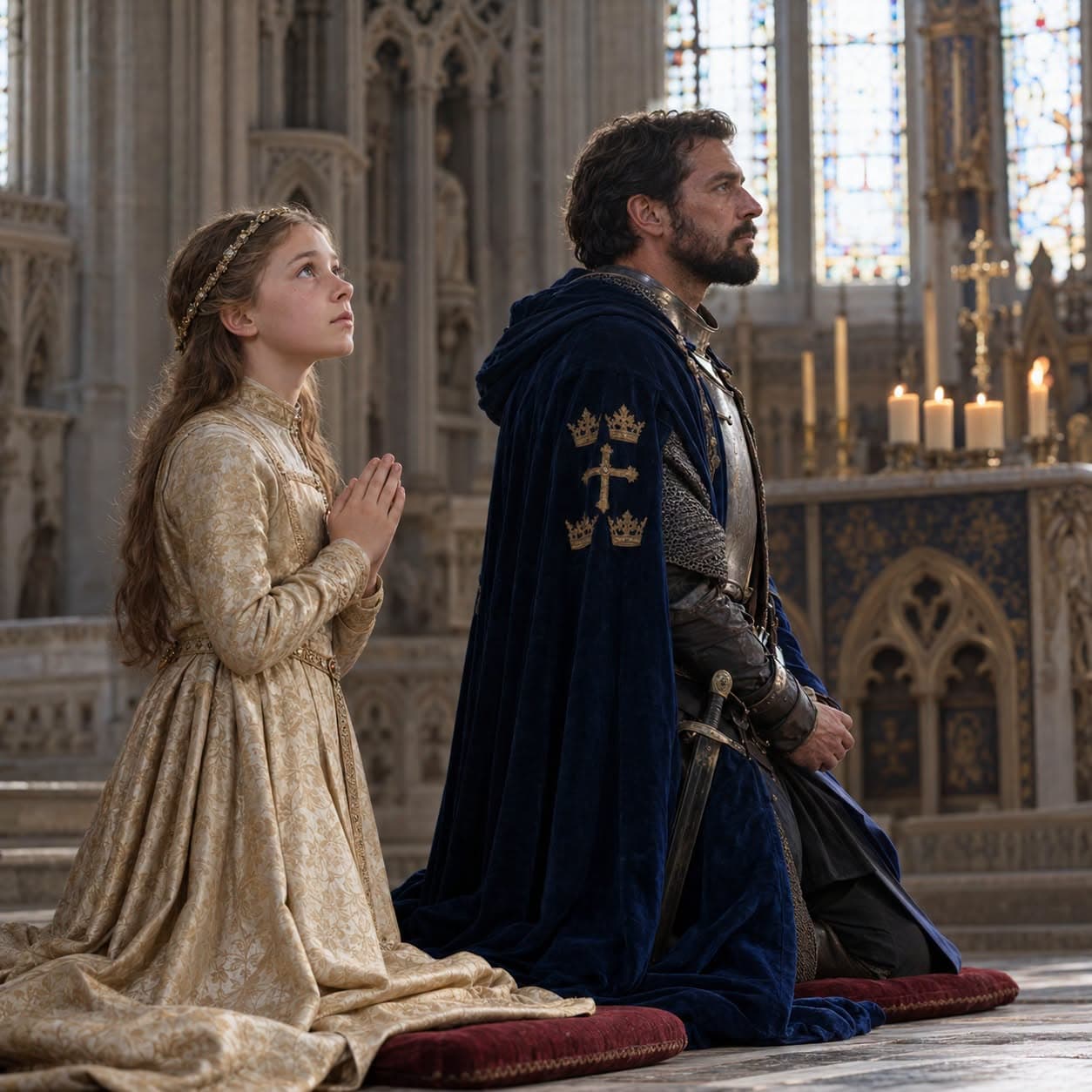
The Danish household was prepared on a princely scale. Two houses on the town square were converted into a residence called the Palace. There were cooks, attendants and carriages, and Russia paid for the establishment. A Russian priest and two church singers served their chapel. The siblings could continue to worship in the faith in which they had been brought up.
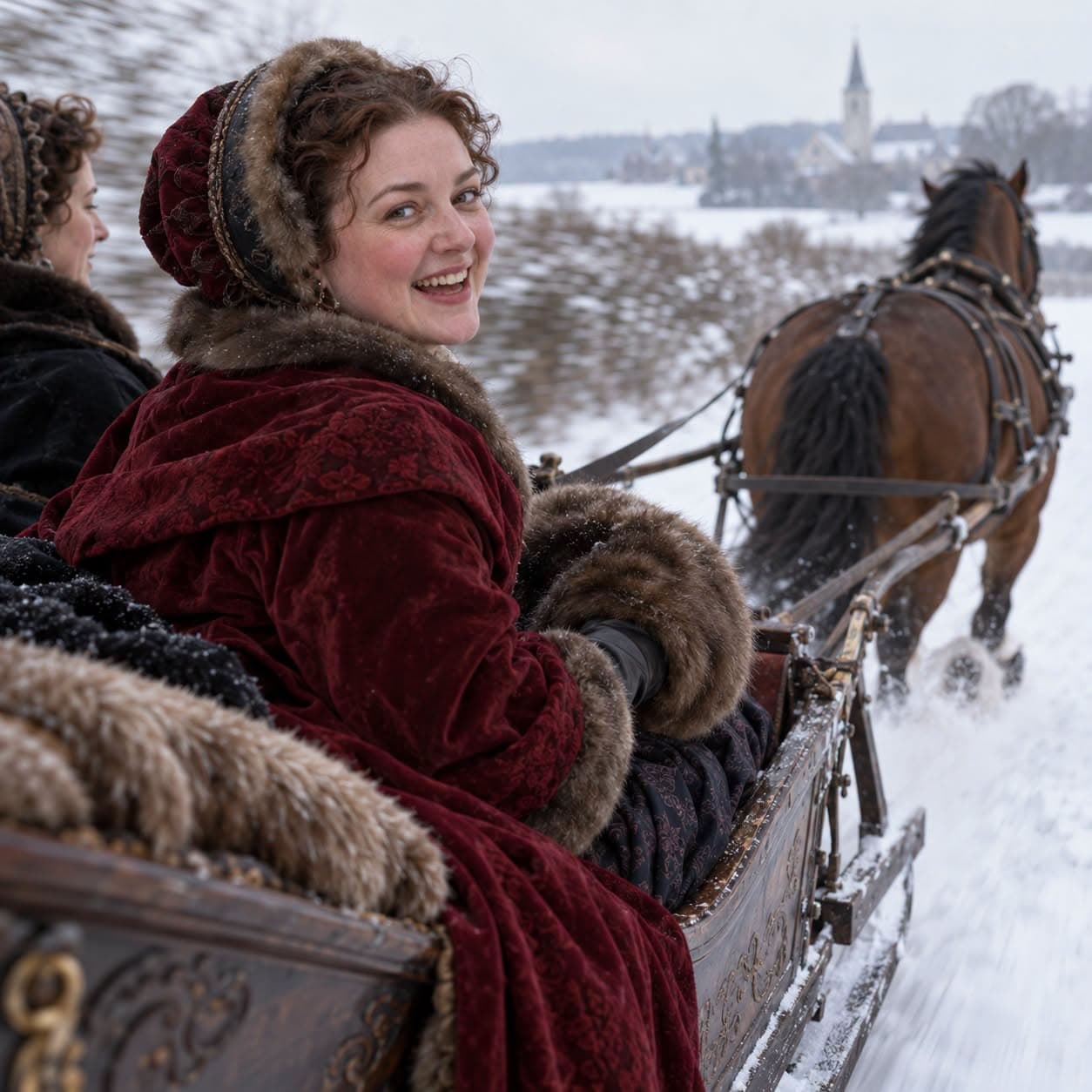
There was more room for pleasure now. In summer there was a garden behind the Palace to walk in, and winter brought sleigh rides through the snowy countryside around Horsens. They passed time cutting paper silhouettes. Their circumstances had improved substantially. Yet a corporal and six mounted men guarded the entrance, and the arrangement required them to live quietly under supervision, in a place chosen through negotiations between courts. The business of deciding where they belonged remained with their relatives and the governments that maintained them.
In September 1781, Juliana Maria received Elizabeth's embroidered sewing bag for her birthday. Catherine sent a drawing of a sunflower with verses beneath it. The sisters who had sewn linen in Kholmogory were sending their own work to a queen.
Elizabeth's health declined during 1782. Her physician tried medicines, fresh air and a better diet. She was taken out in a carriage, and special food was ordered for her, but she did not recover. In October she took to her bed. She was the first of the four to die in Denmark, leaving the others without the sister who had spoken for them.
The household sent to Copenhagen for a black velvet canopy with wide silver fringe, and for yards of black crepe and cloth. The funeral followed the Russian Orthodox rite, and Elizabeth was laid in a chapel prepared for her in Horsens's Klosterkirken, more than three weeks after her death.
Six days after Elizabeth died, before her funeral, the aunt who had received her sewing bag wrote to the surviving siblings. She addressed them as her dearly beloved children and asked what she could say to comfort them for the loss of their sister. This time there were only three to receive it.