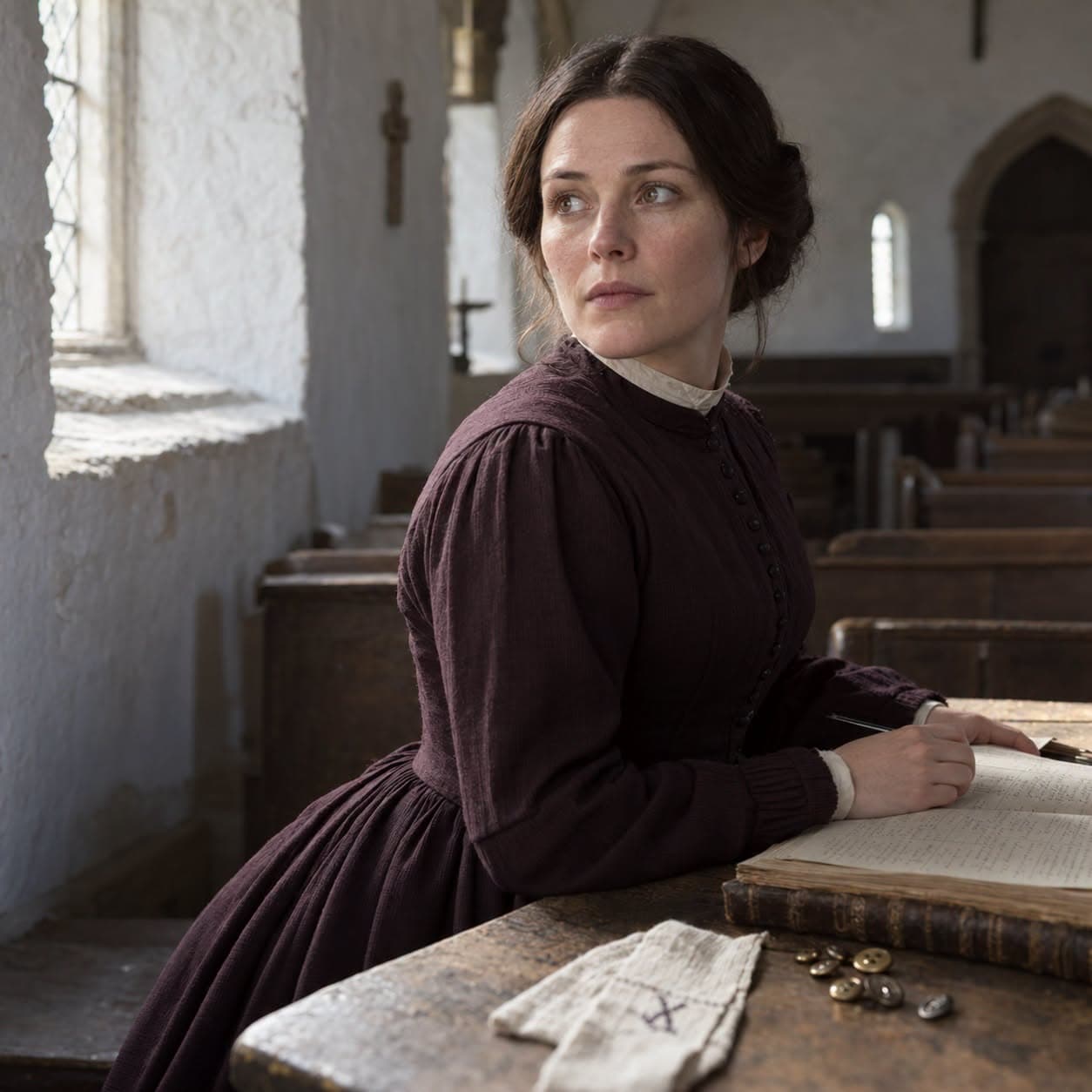
Anne gave birth to her first child. Twelve days earlier, her husband had told her father he never wanted to see her again. She was his wife. That was still being treated as a question.
On 22 October 1660, Anne Hyde gave birth to a son, Charles. Seven weeks earlier she had gone through a private marriage ceremony with James, Duke of York, brother of the newly restored Charles II and the future James II. The wedding had taken place. Getting the family to live with it was proving considerably more difficult.
Anne had spent years among these people before she became one of them. Her father, Edward Hyde, was a royalist lawyer who had followed the exiled king abroad and become his lord chancellor. Her mother was Frances Aylesbury, whose father had served Charles I. This was a family with education, connections and a long record of service to the crown. It was still a family that served the crown.
In 1654 Anne became a maid of honour to Mary, Princess of Orange, James's sister, at The Hague. Mary had provided the Hydes with a home at Breda. Anne's place in her household brought her into the intimate world of the royal family, accompanying the princess on visits and moving among her relations. She met James during those years abroad. By November 1659 he had made a marriage commitment to her at Breda.
Then the monarchy returned to England, and the man Anne had known in exile returned as the king's brother. His marriage could secure an alliance with another ruling house. His mother, Henrietta Maria, had plans for a French match. Anne brought no foreign kingdom into the family. She brought the lord chancellor, who already had more influence than his enemies cared to tolerate.
Her father's prominence made the match more dangerous, not more acceptable. Hyde had helped bring the king home. A daughter married to the king's brother could make that service look very much like a family investment. His own reaction to the news was extreme distress. He saw the marriage as a threat to his position and tried to keep Anne from seeing the duke, an obstacle the couple got round with ease. Anne's father had access to the king. That did not make him a refuge for his daughter.
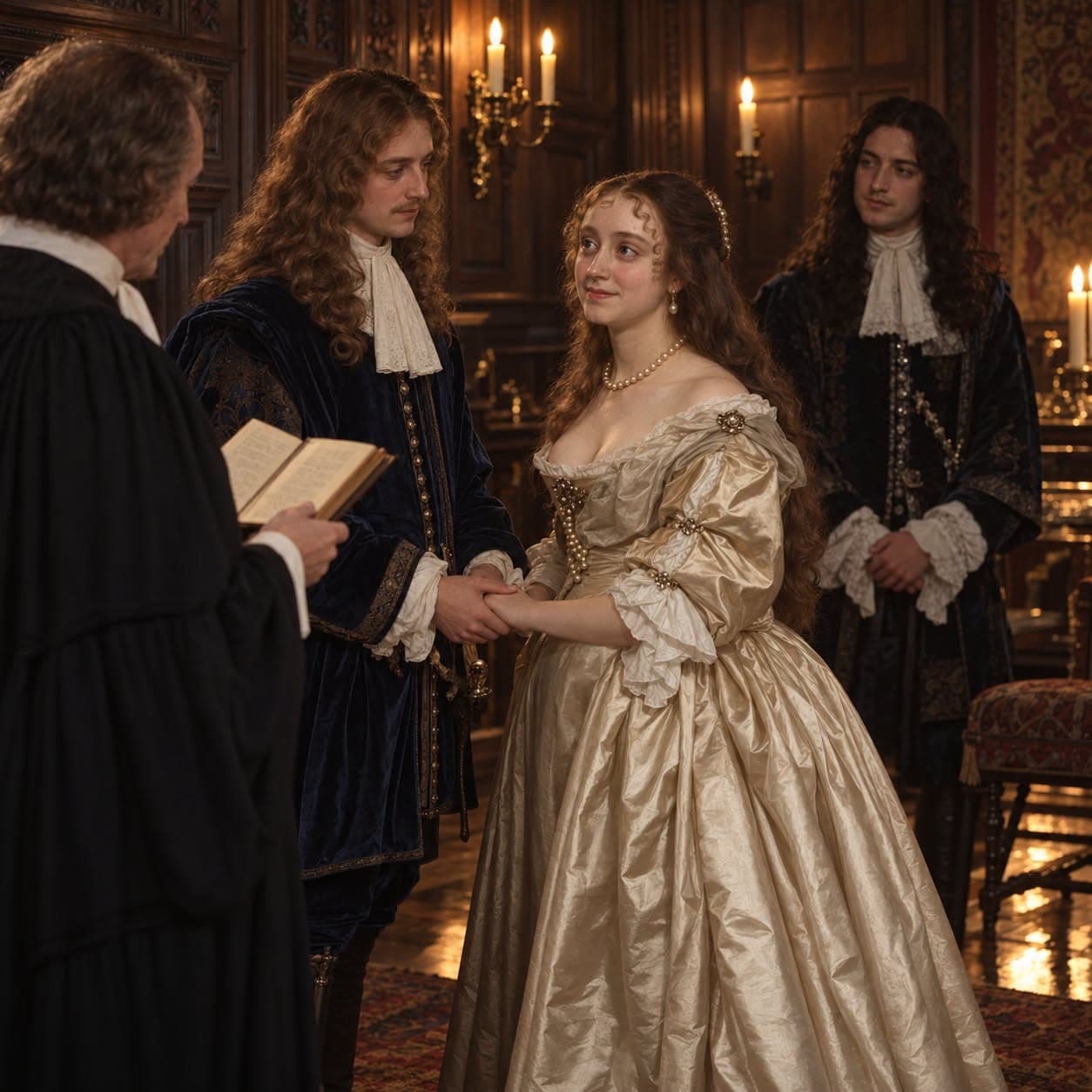
The London ceremony was held on 3 September at Worcester House, Hyde's residence in the Strand. James's chaplain, Joseph Crowther, married them, and the Earl of Ossory gave the bride away. Anne was already pregnant. A chaplain, vows and a lord to give her away ought to have settled at least what their relationship was. Instead, the weeks that followed were spent looking for a way out of it.
The attack came through Anne's reputation. Stories circulated that she had slept with other men, including men in James's own circle. Sir Charles Berkeley was among those claiming an intimacy with her. Such allegations gave the prince something more convenient than an admission that his family disliked his choice of wife. They offered him a reason to reject her.
He took it. On 10 October, after a council meeting, James told Hyde that he never wanted to see Anne again. She was less than a fortnight from giving birth. The husband who had married her in her father's house was now one of the people making her position uncertain.
She had been married. She was still being asked to prove it.
When Anne went into labour at Worcester House, the king was there for discussions about a religious settlement. He sent for the Marchioness of Ormond, the Countess of Sunderland and George Morley, the bishop-elect of Worcester. Morley asked her who had fathered her child, whether she had slept with anyone else, and whether she and James were married.
Her answers were plain. James was the father. She had slept with no other man. Their marriage was valid. She did not supply the admission that would have made the royal family's arrangements easier. Her answers satisfied those who had been called in, and helped quieten the stories being used against her.
The baby was born. The argument continued.
Henrietta Maria arrived in London in early November, and efforts to overturn the marriage revived. Charles II, however, defended it. Berkeley admitted that he had invented his liaison with Anne. James returned to his wife, and by December the marriage was publicly acknowledged. Acceptance came by stages, through family negotiations and the king's refusal to discard a marriage because it had become inconvenient. In February 1661 the Privy Council examined the evidence and upheld its validity.
Charles lived long enough for that recognition. He died in May, a little over six months after his birth. Anne would bear seven more children, four sons and four daughters in all, and only two of them, Mary and Anne, would survive childhood.
Their mother died in 1671, still Duchess of York, before her husband became king. Mary became queen in 1689, and Anne in 1702. In the autumn of 1660, powerful people had worked hard to prove that Anne Hyde was not really James's wife. Both of her children who survived childhood became queens.