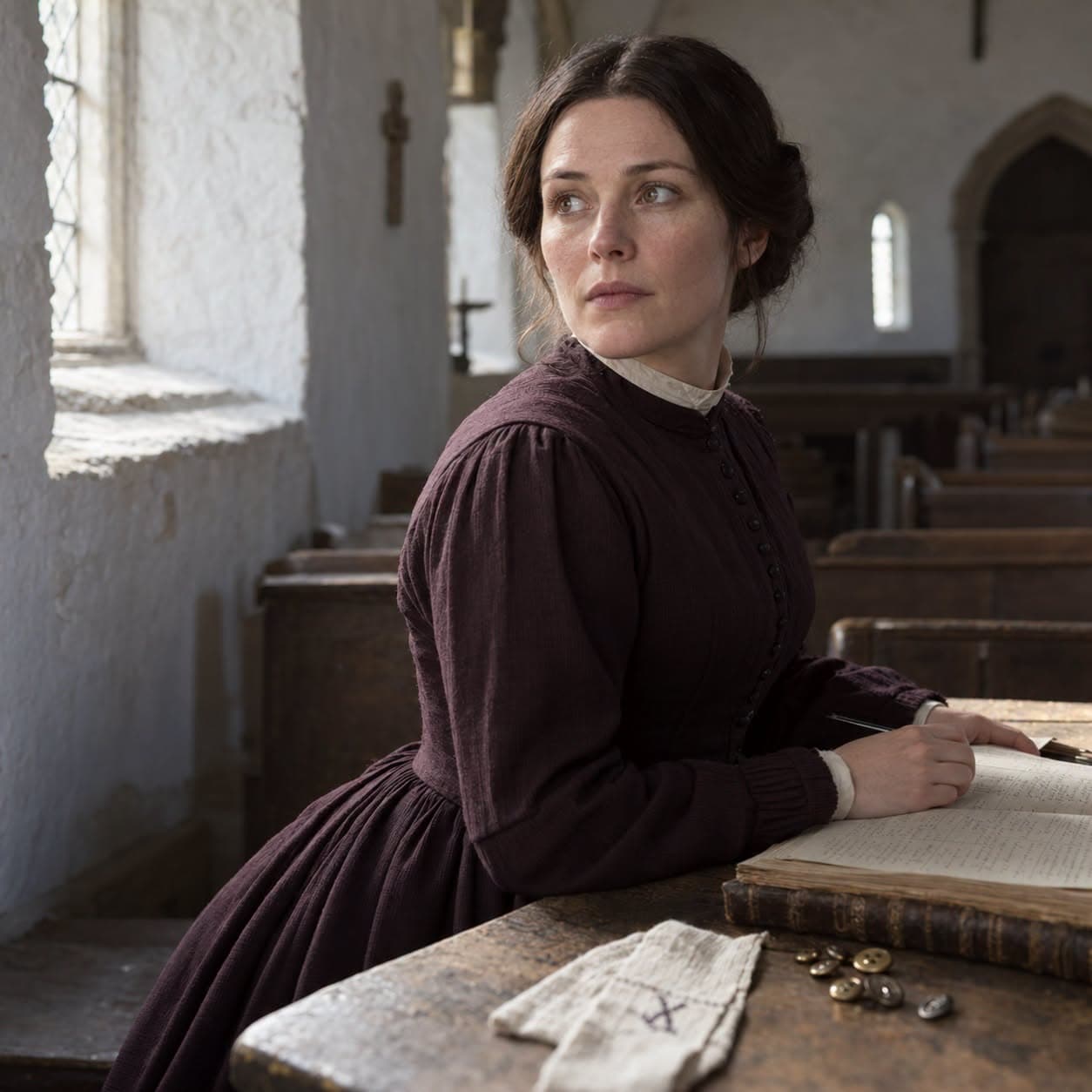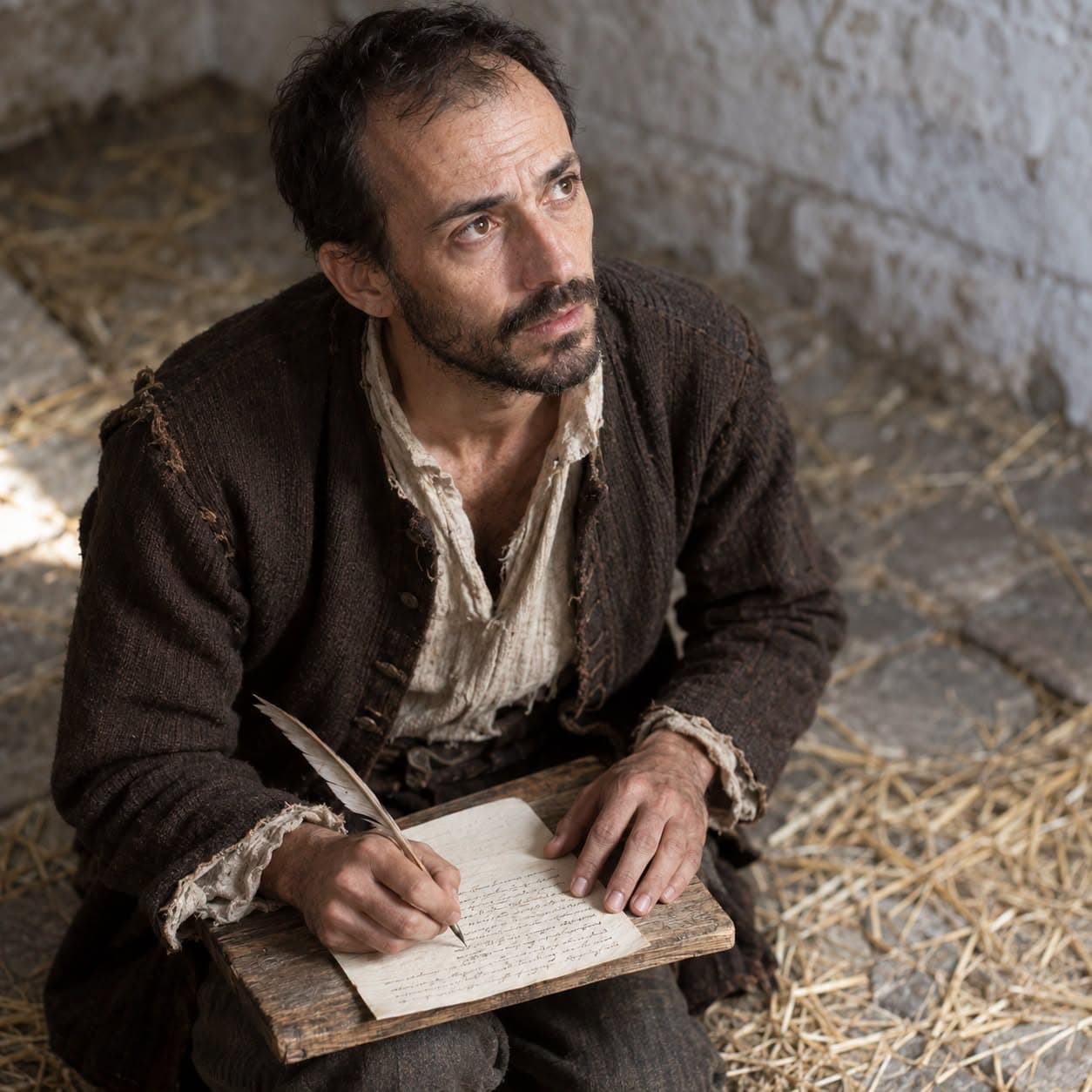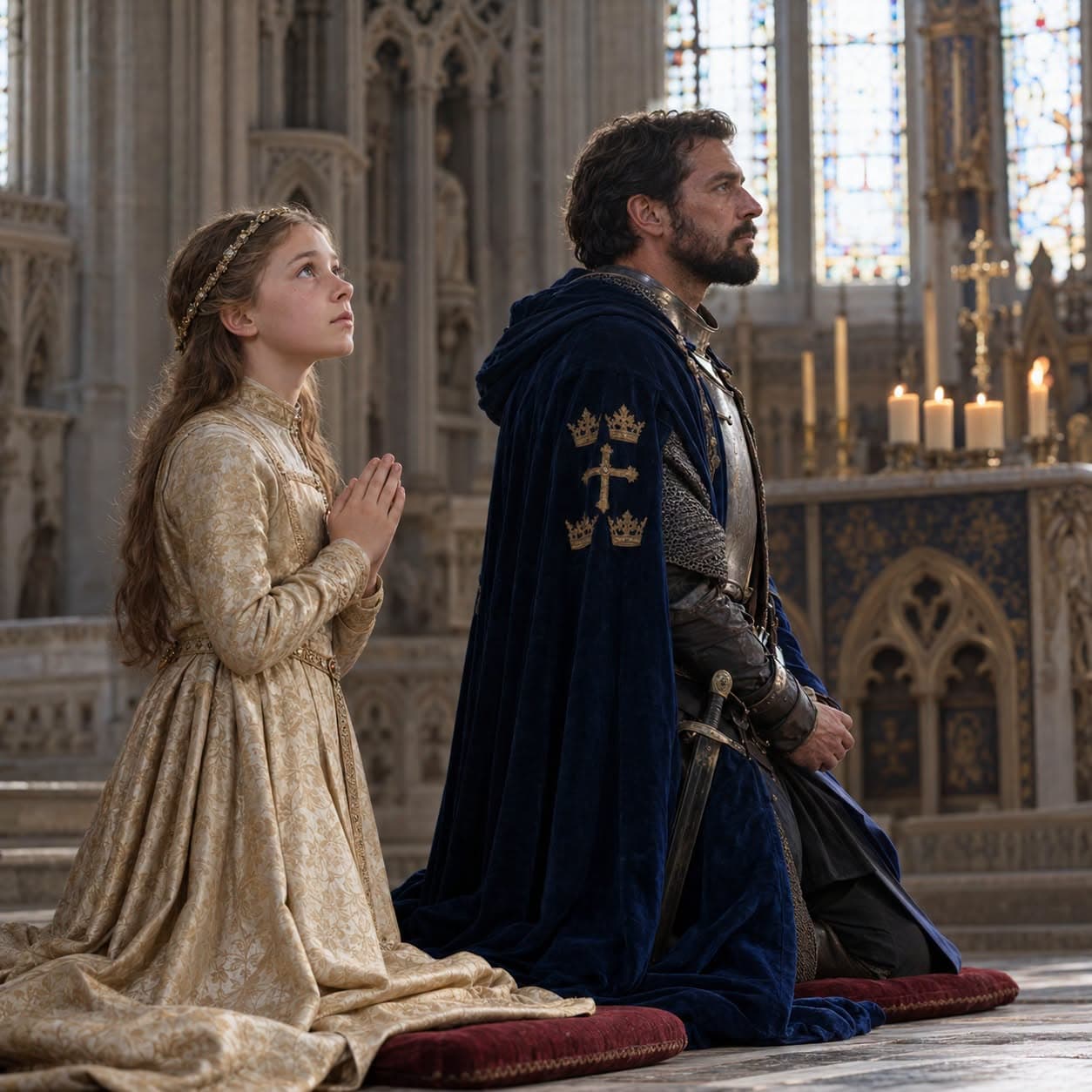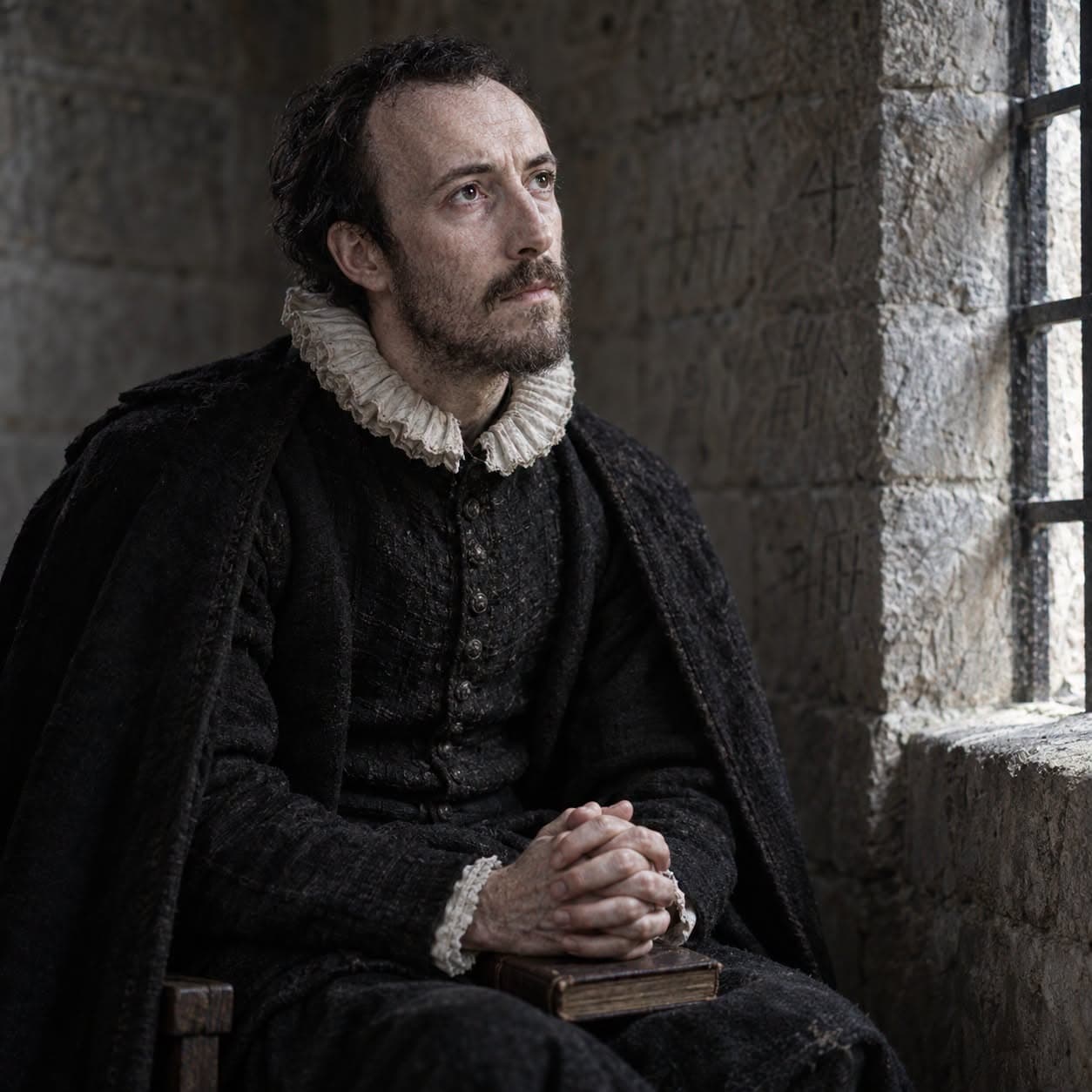
Anne Howard sent medicines to her dying husband in the Tower of London. She was not allowed to see him. Twenty-nine years after his death, she would arrange for him to leave it.
On 19 October 1595, Philip Howard, Earl of Arundel, died in the Tower at thirty-eight. He had spent more than ten years there, the last six under sentence of death. Outside its walls were Anne, their daughter Elizabeth, and their son Thomas, who had been born after his father's imprisonment.
The marriage had begun as an arrangement between children. Philip's father, Thomas Howard, Duke of Norfolk, had obtained the wardship of Anne Dacre, one of three sisters with an inheritance worth securing, and intended to marry them to his sons. Philip and Anne were married in 1571, both still in their early teens. The following year Norfolk was executed for treason and buried in the Tower's chapel. The Howard name had opened every door at court. It had not kept the head of the family out of the Tower.
Philip went to Cambridge and then to court, spending freely and leaving Anne in the country. For several years he seldom visited her or sent anyone to her. She went to him to insist on his obligations as her husband, and when that achieved little, turned to his grandfather, the Earl of Arundel, who took her into his household and tried to bring Philip to his senses. Anne had been provided with an impressive marriage. Getting her husband to behave as though he was married required rather more effort.
After his grandfather's death in 1580, Philip inherited the earldom of Arundel, and in time he returned to live with Anne. By then Anne was taking risks of her own.
At Arundel Castle she secretly received a Catholic priest. With no woman in her household she could safely confide in, she went alone through the castle's dark passages to the room where he was lodged, to make her confession. Within a month or two her refusal to attend the established Church's services had been reported. She was taken, pregnant, to Sir Thomas Shirley's house at Wiston in Sussex, and kept there under supervision for a year or more. Her daughter was born during that confinement and, on Philip's instructions, baptised in the Protestant manner, against Anne's wishes. The rooms were those of a gentleman's house, but Anne could no longer decide who entered them.
Philip himself was received into the Catholic Church in September 1584. The following spring he tried to leave England by sea, leaving behind a letter to Elizabeth explaining his departure. He maintained that he sought freedom of conscience, not any enterprise against her. The government was not inclined to take a Catholic earl's word for it. He was intercepted and taken to the Tower.
On 7 July 1585, Anne gave birth to their son Thomas. His father was in the Tower. Anne brought up both children without him, and Philip was not permitted to see them.
In the Beauchamp Tower, Philip carved his name and a sentence of faith into the stone, and both survive. The Latin, dated 22 June 1587, reads in English: "The more affliction we endure for Christ in this world, the more glory we shall obtain with Christ in the next." Beneath it he signed himself Arundell. The title that had once brought him houses, servants and a place at court now stood on a prison wall, beside his expectation of another life.
In 1589 he was tried for treason. Among the accusations was that he had arranged prayers for a Spanish victory during the Armada crisis. He denied it. He was convicted and sentenced to the death prescribed for a traitor. Thomas was three.
The sentence was never carried out.
Neither was he released. Six more years followed with the sentence still hanging over him. Anne lost the revenues and goods on which her household depended. When her coach was seized, she offered to buy it back at the price the officials had put on it, and even that was refused. She sold her jewels to pay the wages of the servants she had to dismiss and to keep those who remained. The conviction was his. The household that paid for it was hers.
By the summer of 1595, Thomas was ten. His father was still in the Tower. Philip fell gravely ill in August, and Anne sent him every antidote and remedy she could obtain. He wrote to the queen and her Council asking that his wife and children might come to him. The answer offered more than a visit: if he would attend a Protestant service just once, he could see them, and his honours and estates would be restored besides. He refused, answering that he was sorry he had but one life to lose for that cause. Her remedies could reach him. She could not.
He grew too weak to rise from his bed. On his physicians' advice he gave up reading his breviary and kept instead to the prayers he could say on his beads. He died around noon on Sunday 19 October, without the visit he had asked for. He was carried without ceremony to the Tower's chapel of St Peter ad Vincula and laid in his father's grave.
In 1624, Anne and Thomas, by then restored as Earl of Arundel, secured the removal of his remains. They were taken first to her house at West Horsley in Surrey, where she had an iron coffin made for him, and then to the Fitzalan Chapel at Arundel. She had a place prepared for herself in the same vault. In April 1630, six years after she brought him there, she was buried in it.