Thomas More was attending the king at Woodstock when word reached him that his barns had burnt with the corn still inside. He wrote home telling his wife to take the whole household to church and thank God. Then he gave her a list of jobs. Within eight weeks, the king had made him Lord Chancellor.
On 25 October 1529, Henry VIII handed Thomas More the Great Seal in his privy chamber at East Greenwich, appointing him Lord Chancellor of England. The following day he took his oath in Westminster Hall. His predecessor, Cardinal Wolsey, had failed to obtain the annulment Henry wanted from Catherine of Aragon. More inherited the office. He also inherited the problem.
It was an enormous advancement, and More accepted it. He was a lawyer, a scholar and an experienced royal servant, entering one of the highest offices in the kingdom. Henry still needed men who could defend his government and conduct its business. More would do both. The king's eventual prisoner was, that autumn, a man receiving authority from his hands.
The fire had come first.
The news had reached More at Woodstock: barns belonging to his household and to their neighbours had burnt, with the corn inside. His letter to Alice, dated 3 September, began with the religious understanding that would govern his response to much greater losses. God had given them what they possessed. God had allowed part of it to be taken away. The household was to thank Him for what remained.
Then came the work. Alice was to find out what the poorer neighbours had lost and tell them not to worry, because, he wrote, "if I should not leave myself a spoon, there shall no poor neighbour of mine bear no loss by any chance happened in my house." There was grain to obtain for the household and seed for the coming year. There were decisions about the farm and the people employed on it, and he did not want anyone dismissed in a hurry: "I would not that any man were suddenly sent away he wot never whither." He hoped the disaster would get him leave from the king to come home, so that they could consider together what to do.
His generosity was real. So was the list he had sent his wife.
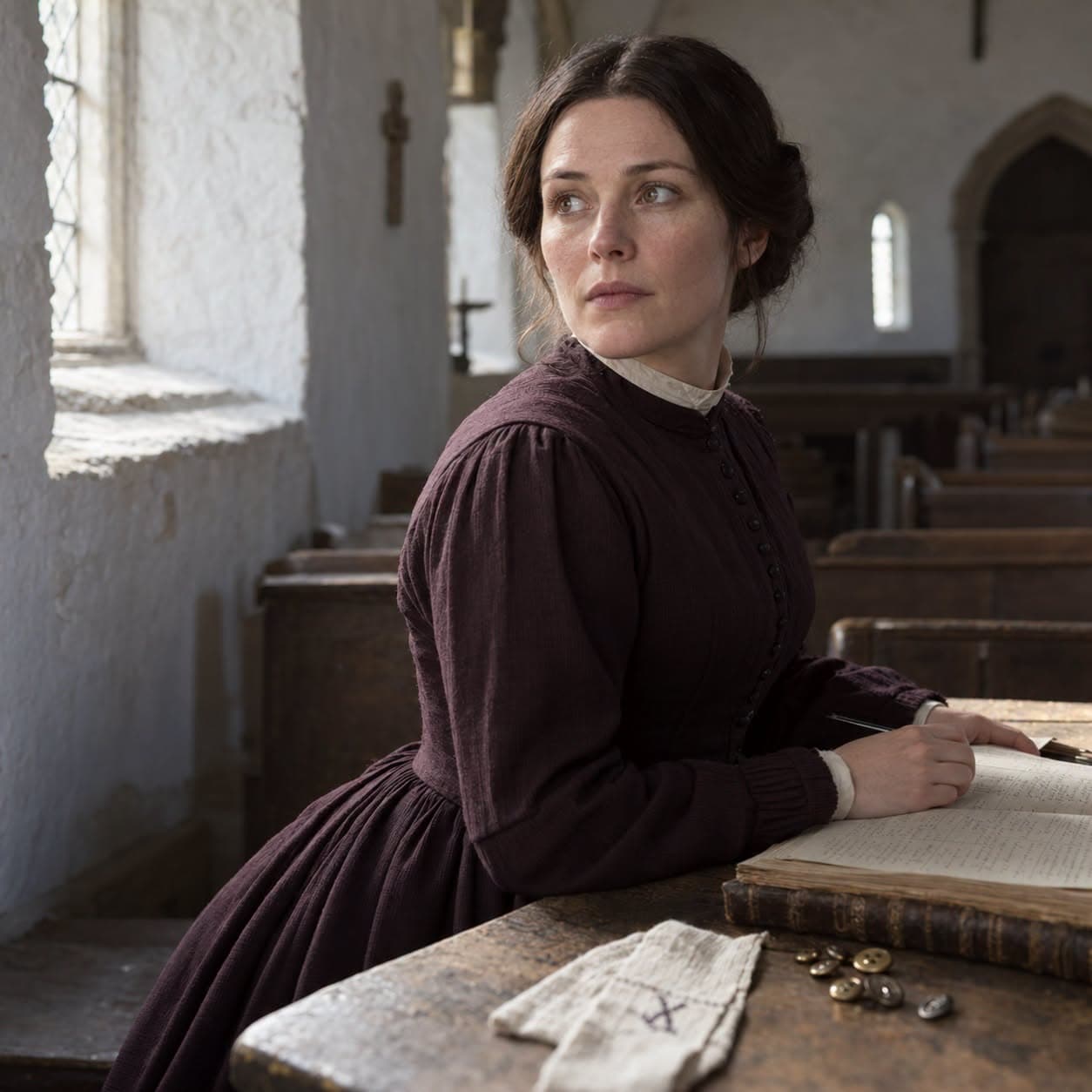
Alice had married More in 1511, a widow herself, soon after the death of his first wife, Jane, who had left him four young children. Eighteen years later she ran a large household that had absorbed children, in-laws, servants and farmworkers. More's instructions left her to consult, judge and arrange things until he could return. The king had his company. At Chelsea, there was still the question of what everyone would eat.
Margaret Roper, his eldest daughter and Alice's stepdaughter, belonged to that household's learned world in her own right. Educated in Latin and Greek, she had already translated Erasmus's writing on the Lord's Prayer into English. In September 1529 Erasmus wrote to her personally, delighted by a representation of the More family that Holbein had brought him. Her reply, dated 4 November, described the pleasure of receiving his letter and the distinction it gave her. She understood what a letter from Erasmus was worth.
At its close she sent greetings from her mother, her husband, her brother and her sisters. There they all were, gathered into a few lines, just after her father had become Chancellor.
The day before Margaret dated that reply, More had addressed Parliament. He praised Henry's care for his people and attacked Wolsey's conduct, presenting the king as a ruler deceived by the minister he had trusted. Royal service included explaining why the last royal servant had been the problem. More was quite capable of supplying the explanation.
He also brought convictions of his own to office. His Dialogue Concerning Heresies had appeared that June, before he received the seal. He defended the Catholic Church against religious reformers, and as Chancellor he helped enforce the laws against heresy. During his tenure, six people convicted by ecclesiastical courts were executed under secular law. The man who promised to protect his neighbours from the consequences of a fire also upheld a system that burnt people for religious error.
His conscience would eventually bring him into conflict with the king. It had already brought others into conflict with him.
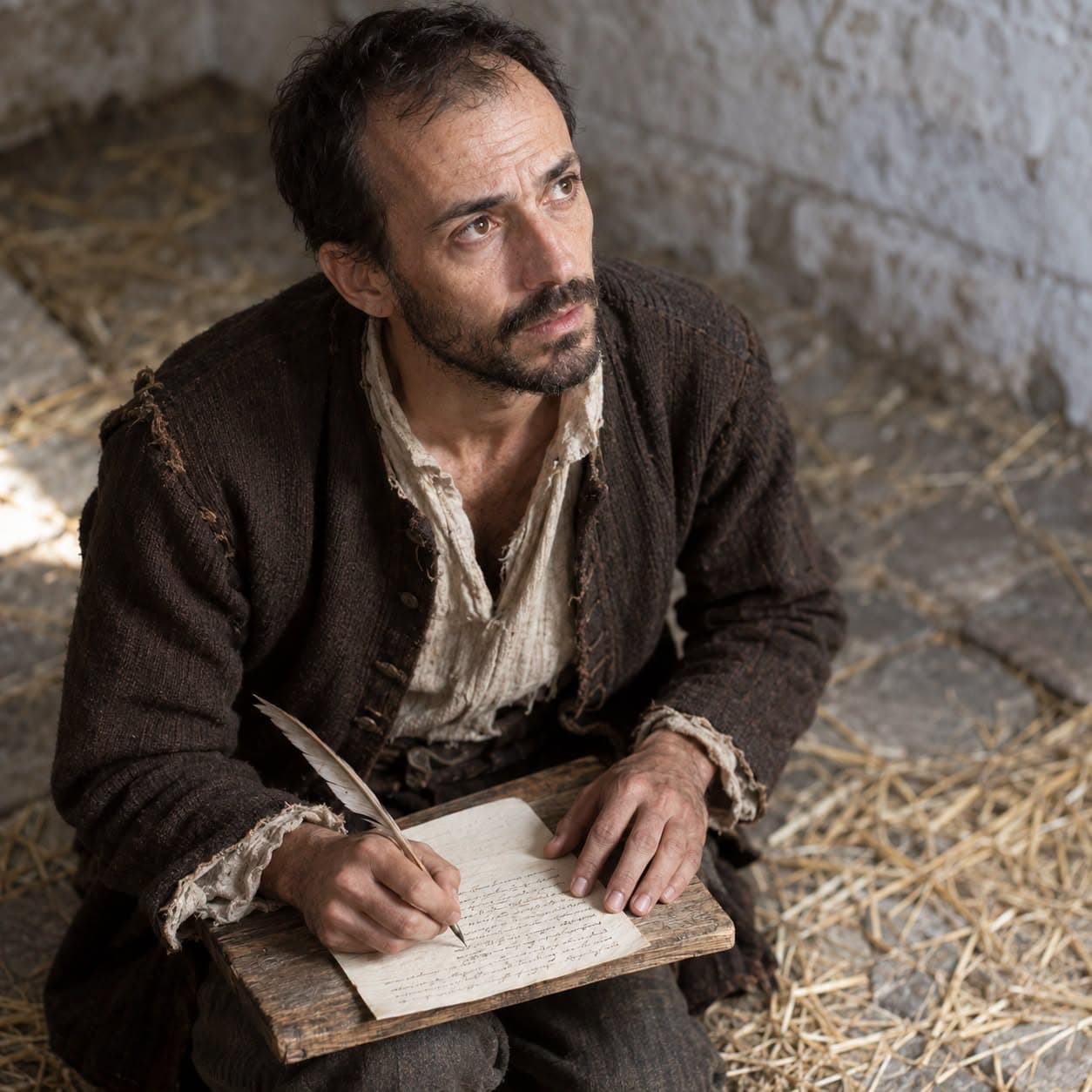
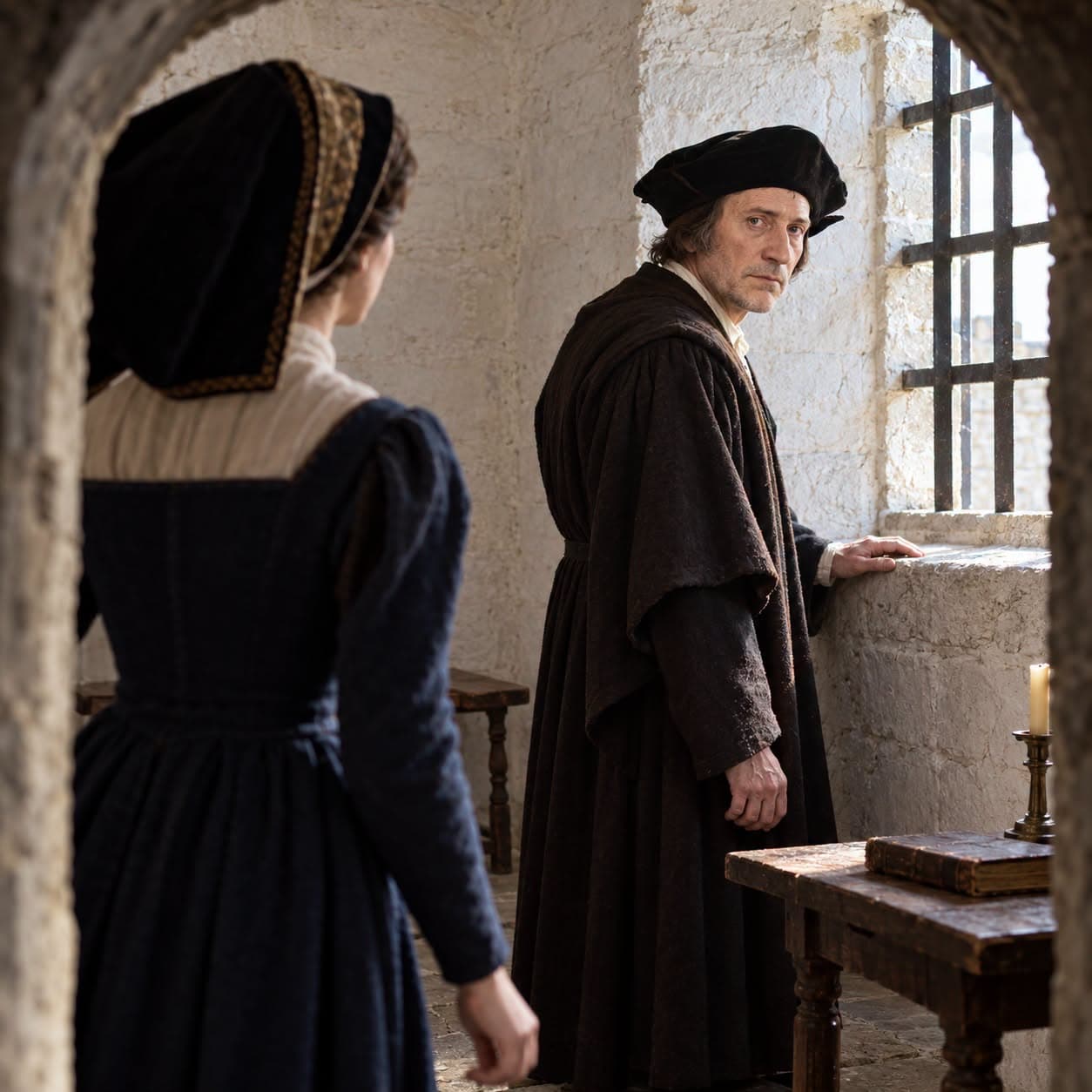
More returned the Great Seal to Henry on 16 May 1532. He presented his resignation as a withdrawal from work he could no longer sustain, asking to spend what remained of his life in God's service. Leaving office did not settle the question of what the king could require of him. By 1534 Henry had married Anne Boleyn, and More was asked to swear an oath upholding the new succession settlement. He was willing to swear to the succession, but said the oath put before him would endanger his soul. His refusal brought him to the Tower of London. Margaret visited and wrote to him. The family correspondence now had a prisoner at its centre.
Alice was still trying to keep him fed. In May 1535 she wrote to Thomas Cromwell, the king's secretary, asking for help. Alongside the expenses of her own house, she was paying fifteen shillings a week for her husband's board and that of his servant. The woman who had once been asked to find grain after the barns burnt now had another household loss to manage, and another letter connecting her home to the king's business. She told Cromwell she had been compelled to sell part of her clothing to meet the cost.