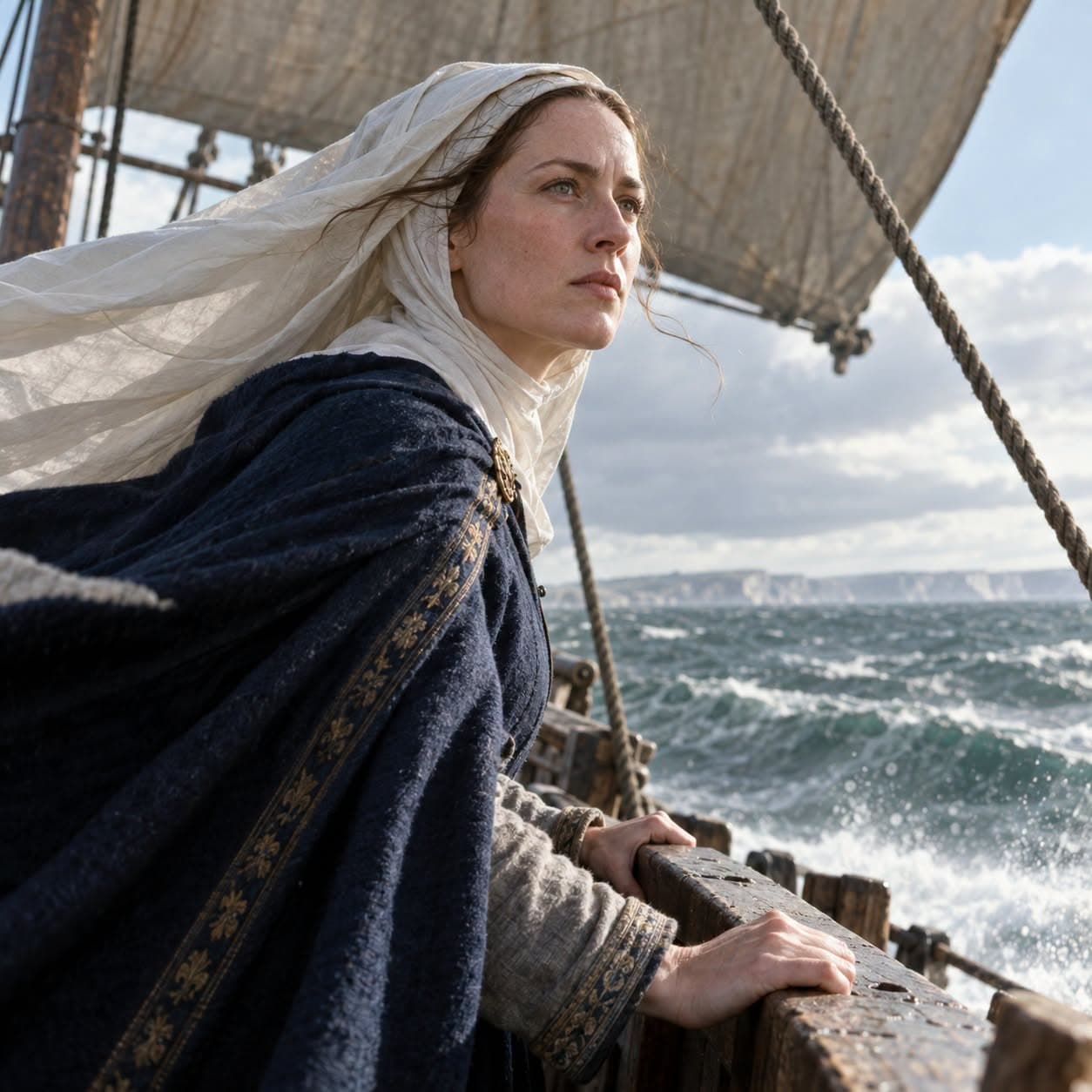
Her parents had lost a crown before she was born. At seventy, Sophia of Hanover was named in the law that would decide who wore another. She almost lived long enough to wear it herself.
Sophia was born at The Hague on 14 October 1630, the twelfth of thirteen children of Frederick V of the Palatinate and Elizabeth Stuart. Her father had been King of Bohemia. Her mother was the daughter of James VI and I, King of Scotland and England. They were still addressed as king and queen, though the kingdom that had given them those titles was no longer theirs.
Frederick had accepted the Bohemian crown in 1619. Defeat followed in 1620, and the family fled. Their brief reign earned them the names "Winter King" and "Winter Queen". By the time Sophia arrived they were living in the Dutch Republic, keeping up a royal household in exile. There were children to educate, appearances to preserve and very little prospect of returning to Prague. Her father died in November 1632, when she was two.
Even finding a name for another daughter took some ingenuity. So many royal godparents had already been used up on the children before her that names were written on slips of paper and a lot was drawn. "Thus chance bestowed on me the name of Sophia," she wrote, many years later, without trying to make her arrival sound grander than it had been.
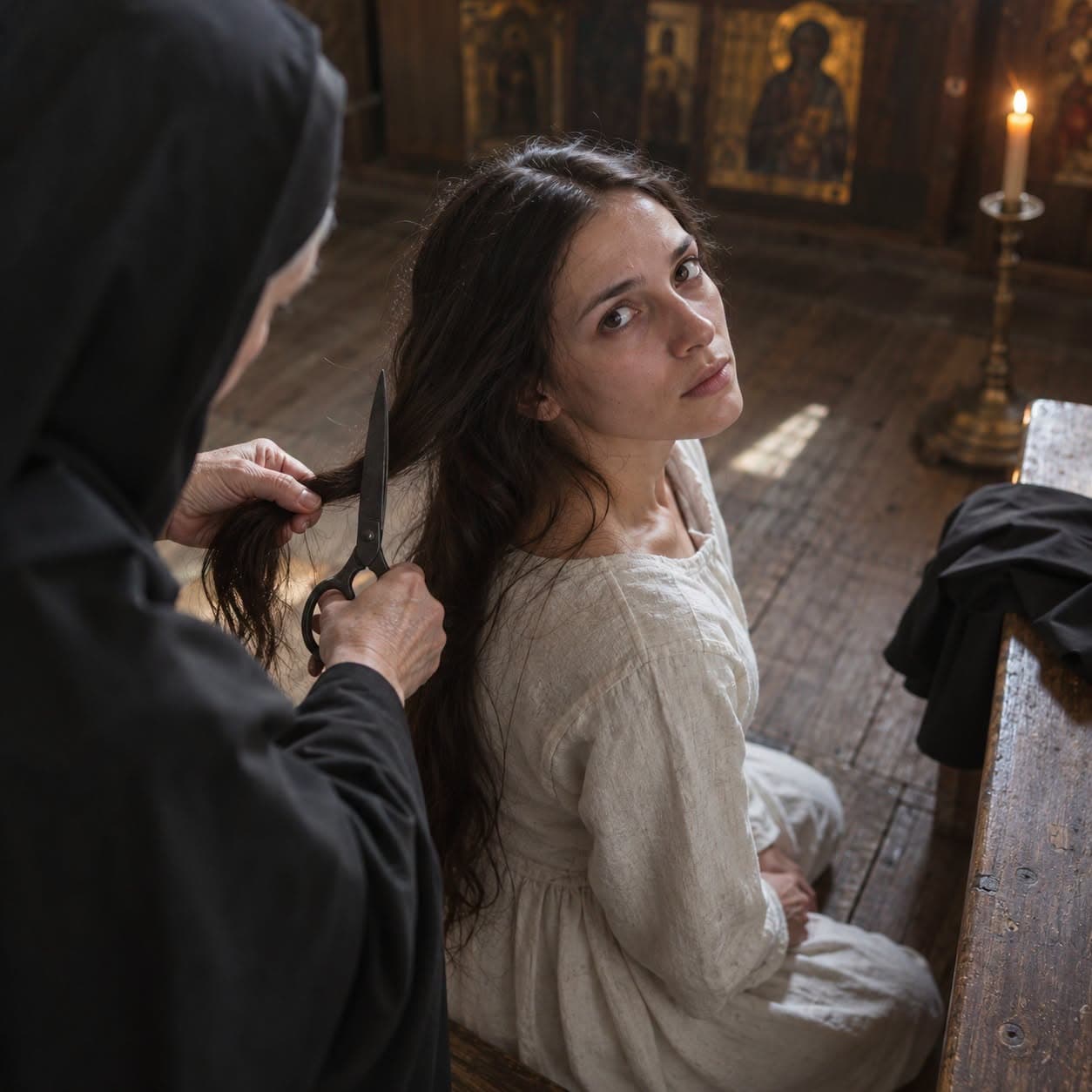
She spent her childhood largely at Leiden, away from her mother, in a household where royal discipline outlived royal territory. "Our hours as well as our curtsies were all laid down by rule," she remembered. Religion was taught just as firmly. She learnt the Heidelberg Catechism in German and knew it by heart, she admitted, "without understanding a word of it". Remembering the answers and accepting them were different accomplishments.
The girl from that regulated household grew into a woman with several languages, a sharp eye for the people around her and no patience for dullness. Her letters could move from family news to court gossip to questions about the soul without treating any of them as beneath her.
In 1658 she married Ernest Augustus of Brunswick-Lüneburg. The match had originally been arranged with his elder brother, George William, who withdrew and offered his younger brother in his place, with promises about land and inheritance attached to the substitution. In a princely family, even a change of bridegroom came with provisions for the future ownership of territory.
Sophia and Ernest Augustus had seven children who reached adulthood. Their eldest, George Louis, was born in 1660. The family settled in Hanover when Ernest Augustus took over its government in 1679, and in 1692 he was made an Elector of the Holy Roman Empire. Sophia became the Electress. Around the age of fifty she began writing her memoirs, which is how the curtsies and the name drawn by lot survived.
At Hanover she found a lasting intellectual companion in Gottfried Wilhelm Leibniz, who served the court as librarian, historian and adviser. Their correspondence ran for close to forty years and ranged through politics, religion and philosophy: the soul, the workings of the mind, what might lie beyond death. Sophia asked questions and raised objections. A philosopher could enjoy her patronage without receiving her agreement on everything.
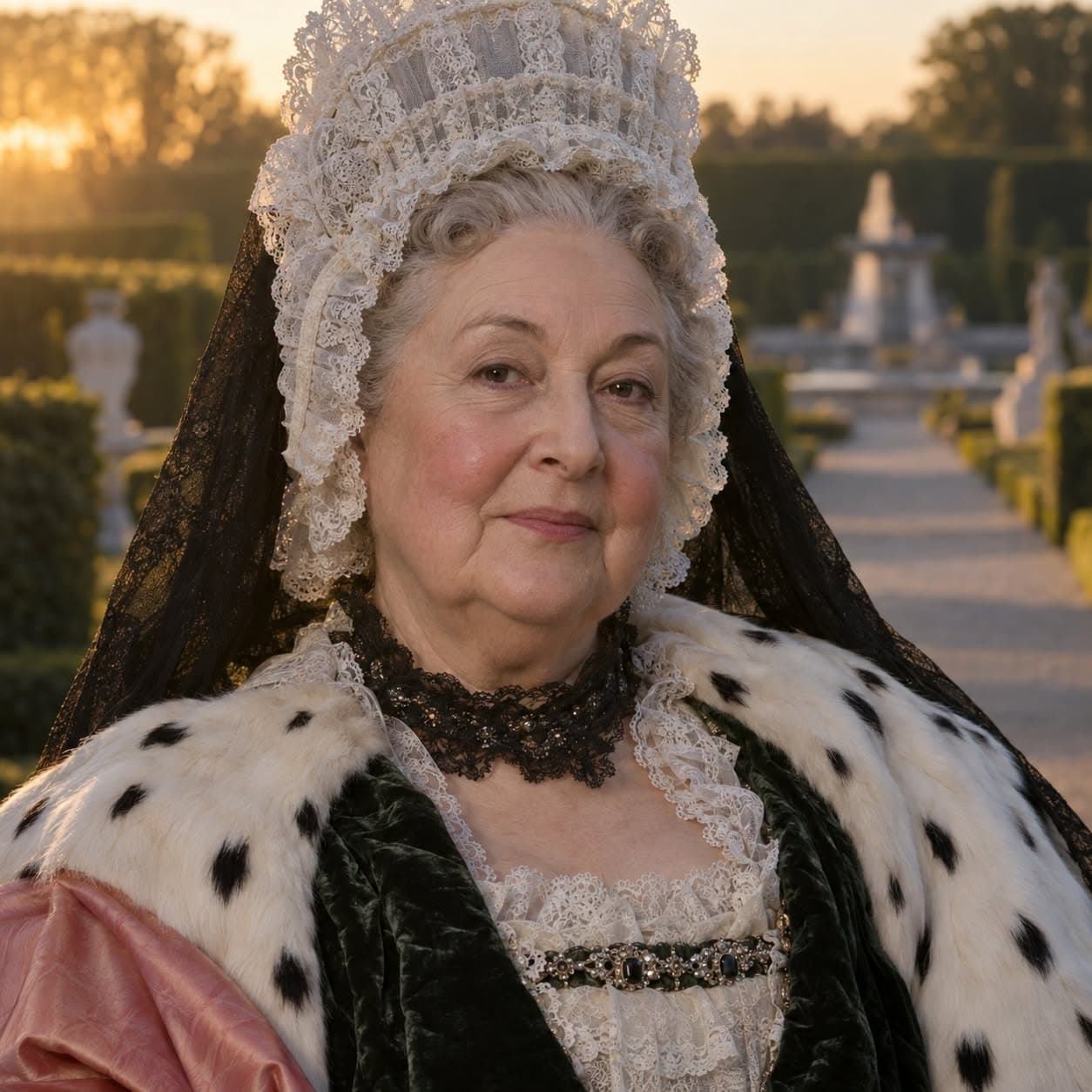
Those exchanges ran alongside the work she loved most. With the gardener Martin Charbonnier she shaped the Great Garden at Herrenhausen over three decades, enlarging it into walks, hedges, water and formal beds laid out on a scale to match any court in Germany. Music, theatre and conversation had their place there beside diplomacy. It was something she could plan, enlarge and tend, while crowns and territories still depended on deaths, marriages and decisions made elsewhere.
She was exacting about her family's prospects too. In 1682 George Louis married his cousin Sophia Dorothea of Celle, the daughter of George William, the brother who had once withdrawn from marrying Sophia herself. The match joined two halves of the family's lands. Sophia had looked down on the bride's mother, a Frenchwoman of far lesser birth, and did not hide it. Intellectual curiosity did not dissolve princely pride. She belonged to the system she described so sharply.
Then England's succession brought her ancestry to the front.
William III had no children. His wife, Mary II, was dead, and Anne, his heir, lost her last surviving child in 1700. Parliament wanted a Protestant succession, which meant passing over dozens of Catholic relatives with closer hereditary claims. Through Elizabeth Stuart, Sophia was a Protestant granddaughter of James VI and I, with Protestant sons and grandsons of her own.
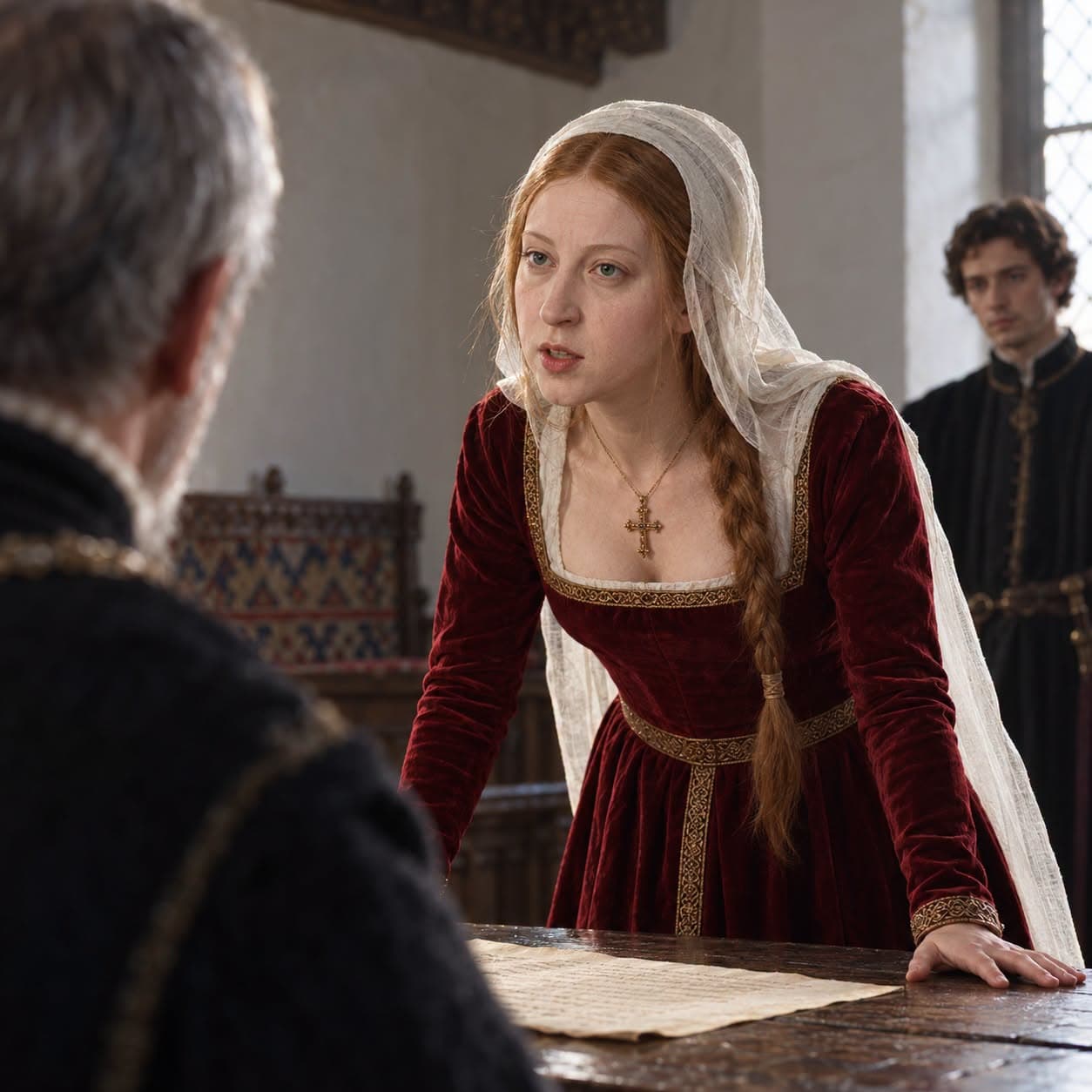
The Act of Settlement 1701 named Sophia and her Protestant descendants to inherit after William, Anne and any children Anne might still have. The girl whose name had been chosen by lot now had it written into the law of England.
Once Anne became queen, Sophia kept up her contacts with English politicians and diplomats and watched her family's interests closely. Being the recognised heir did not make relations with the reigning queen comfortable. Anne refused to have any member of the Hanoverian family living in England, and in the spring of 1714, when Hanover pressed the point, she wrote to Sophia in sharp terms. The succession was settled in law. Its future occupants were still across the sea.
Sophia stayed at Herrenhausen. On the evening of 8 June 1714 she went out to walk in the gardens with her grandson's wife, Caroline, and a countess of the court. During the walk she was taken suddenly ill and collapsed. She died in their arms before anyone else could reach her. She was eighty-three.
Sixty-five days later Anne died, and George Louis became George I of Great Britain and Ireland. Elizabeth Stuart had lost a kingdom. Her daughter had come within nine weeks of inheriting one. The crown went to her grandson instead, and every British monarch since has descended from the girl named by chance.