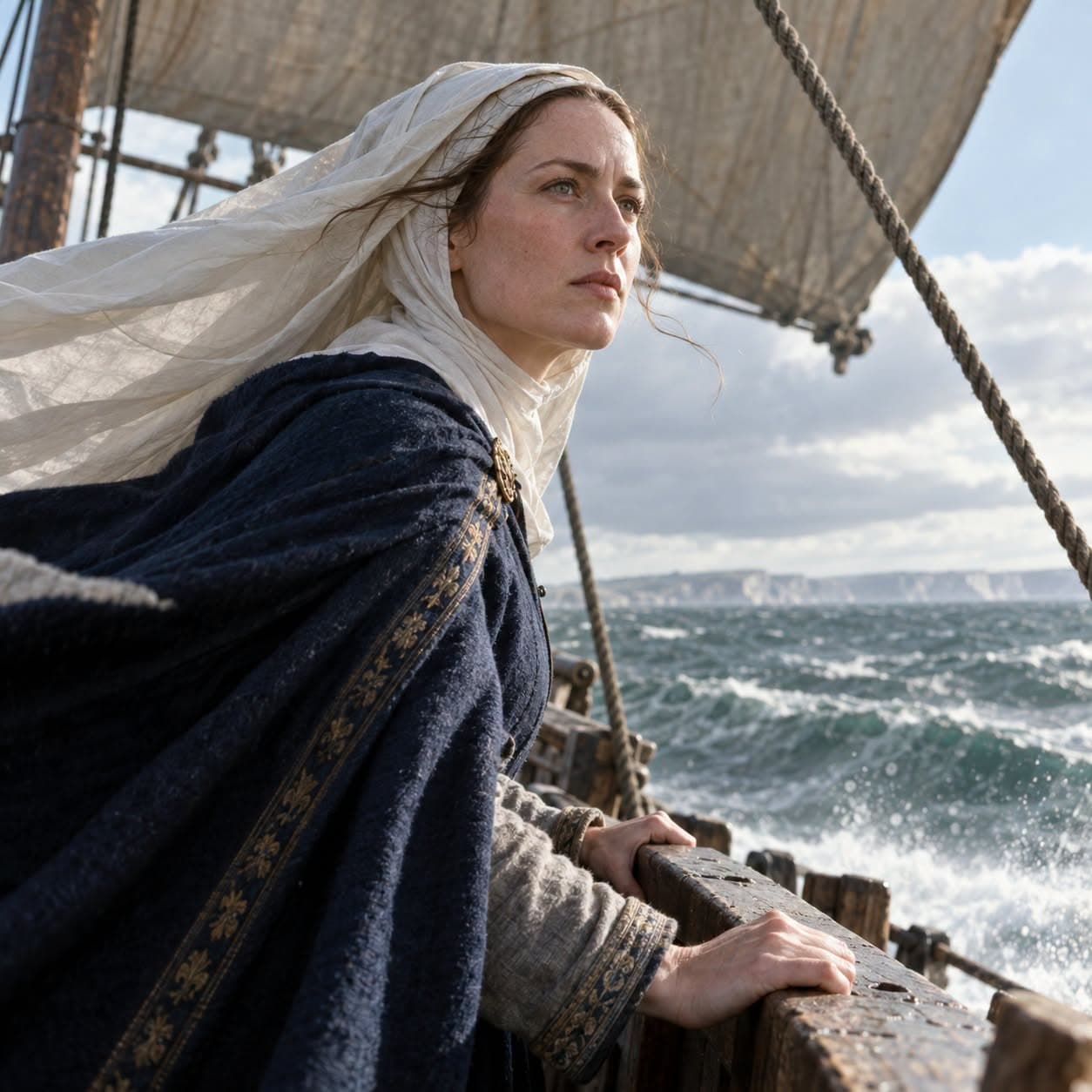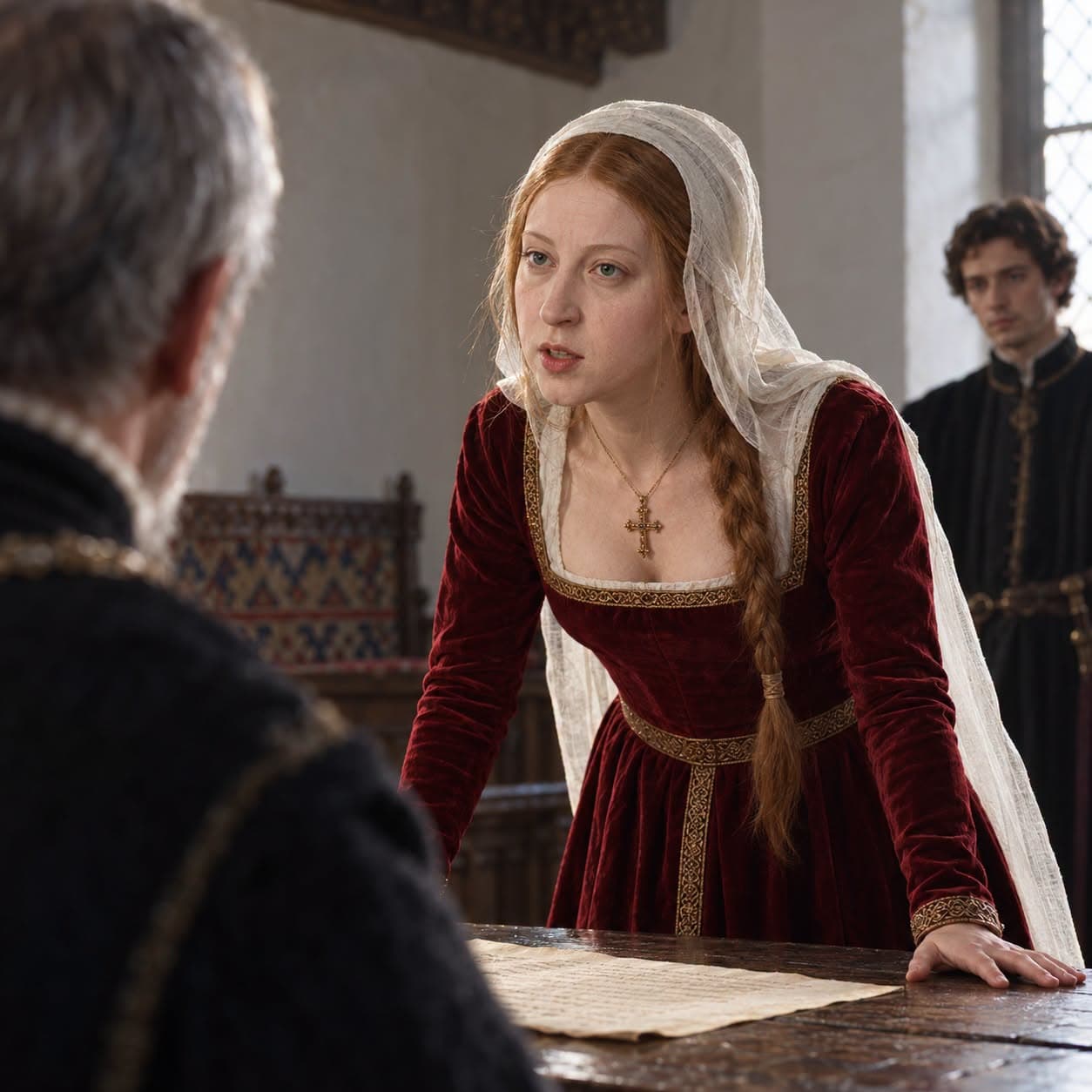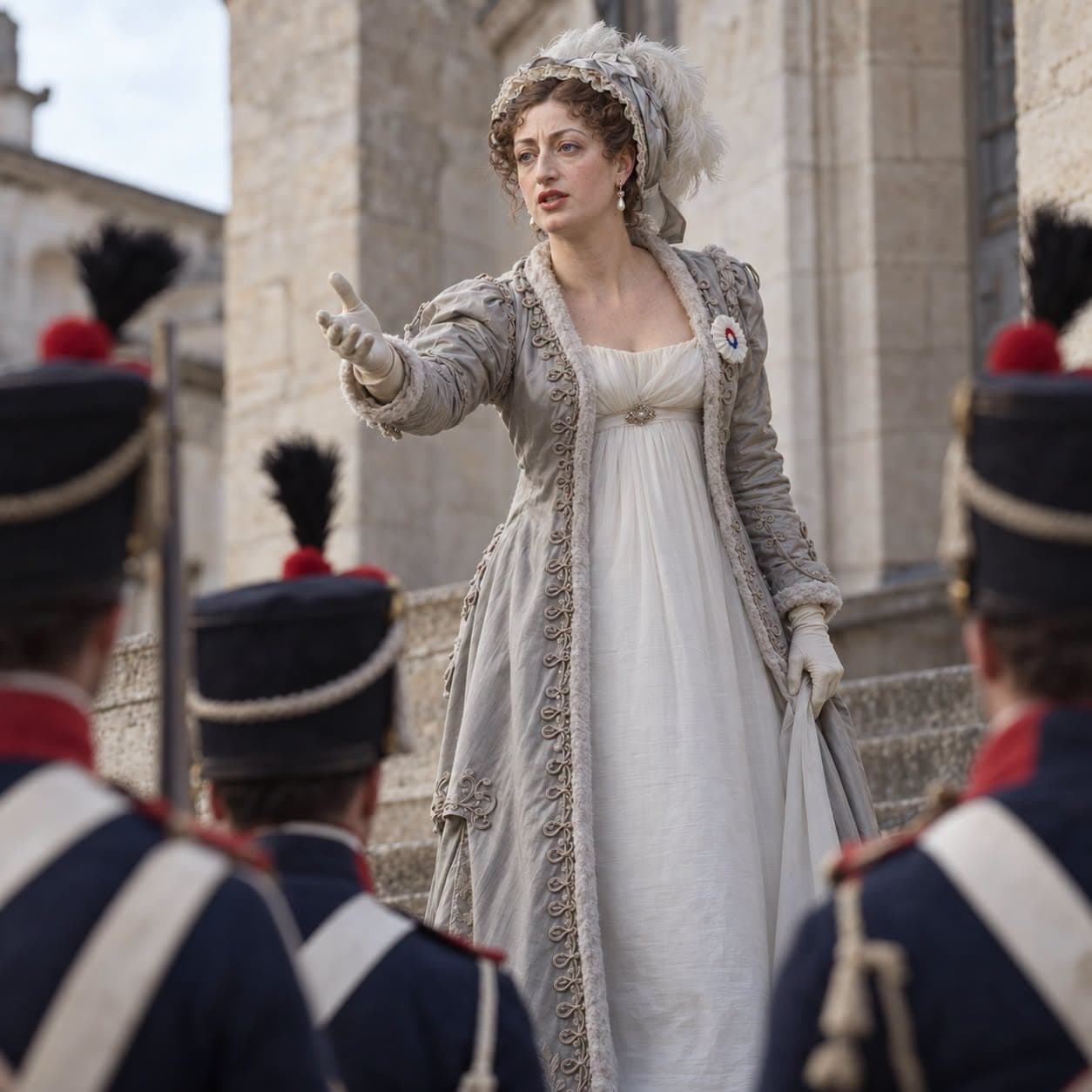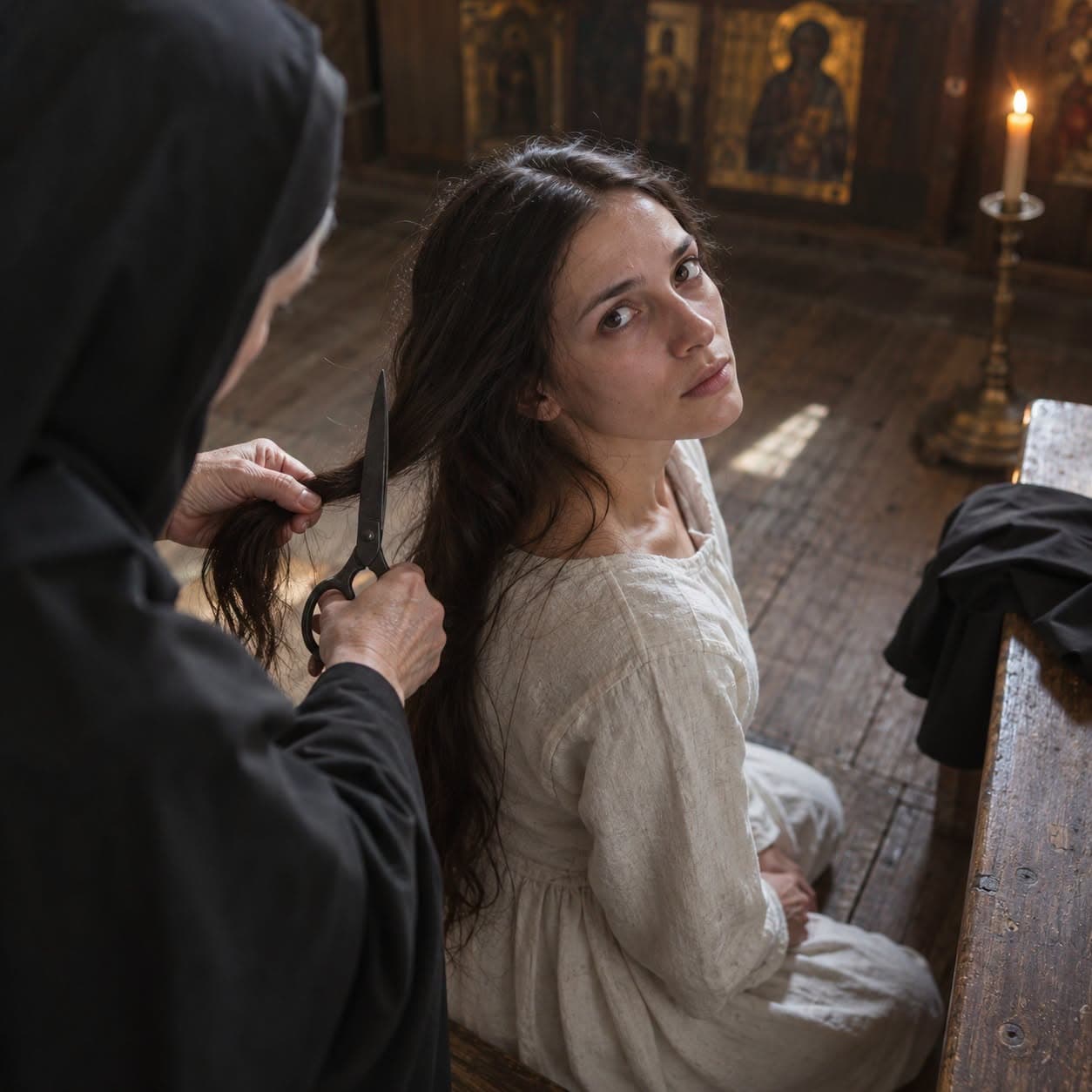
Maria rode into Moscow in a carriage, with the man she called her son walking beside it. Her son had died at eight, fourteen years before. This man claimed to be him. Three days later he was crowned.
Maria Nagaya had given birth to her only child, Dmitry, on a date traditionally given as 19 October 1582 in the Julian calendar. She was the last wife of Ivan the Terrible, and the boy was his youngest son. By the time a grown man took Dmitry's name and claimed his inheritance, being his mother had already cost her a home at court, her freedom and even her name.
There had been reasons to welcome another son in 1582. Ivan's elder son, also Ivan, had died the previous year. Fedor, the surviving adult son, had no children. The dynasty had a new boy, but the Church recognised no more than three marriages, and Ivan had married several times before Maria. Dmitry's royal blood could make him important without making his right to inherit secure.
Nor did his birth secure Maria's place beside her husband. While she was bearing Ivan a son, negotiations were under way for him to marry Mary Hastings, a relative of Elizabeth I of England. There was already a wife in Moscow. That had not prevented enquiries about another in England. The negotiations continued after Dmitry's birth and came to nothing before Ivan died in 1584.
Fedor became tsar. Maria and her small son were sent away to Uglich with members of her family. They went with attendants, clothes, jewellery, horses and provisions suitable for the widow of a sovereign. Her departure could be made with all the proper courtesies. It still took her away from the court where her son's future would be decided.
In Uglich, Dmitry grew up among nurses and his mother's relatives. In Moscow, Fedor's brother-in-law Boris Godunov became the dominant figure in government, and Moscow sent its own official, the secretary Mikhail Bityagovsky, to manage the household's affairs. Maria's family had a royal child in its house and a government man at its table. A small boy did not have to be plotting anything to be dangerous to someone else's position.
On 15 May 1591, Dmitry died in the courtyard at Uglich with a wound to his throat. He was eight years old. Maria accused the son of the boy's nurse and the Bityagovsky family of murdering him. The alarm bell rang, townspeople gathered, and the accusation became a reckoning in which Bityagovsky, his son and several others were killed.
The inquiry sent from Moscow, with Prince Vasily Shuisky among its leaders, reached a different conclusion. Its witnesses described a boy who suffered epileptic seizures, playing with a knife when an attack came upon him. Moscow ruled that he had wounded himself accidentally. The same death now had two explanations, and only one of them was official.
The dead boy was buried in Uglich. Her brothers were exiled, townspeople were sent to Siberia, and Maria was forced to become a nun, taking the name Marfa. She was sent to a remote convent in the north under supervision. The woman who had borne the tsar's son was now held responsible for failing to look after him.
She was still Dmitry's mother.
Fedor died in 1598, and Boris Godunov took the throne. Then a man appeared claiming that the child at Uglich had escaped death and that he was Ivan's surviving son. During the upheaval that became known as the Time of Troubles, he gathered support and reached Moscow in 1605. Boris was dead. The claimant had possession of the capital. Maria could give him something that possession alone could not: a mother's recognition.
On 17 July 1605, at the village of Taninskoye outside Moscow, she acknowledged him publicly. The next day she entered the city, and the man now known as the first False Dmitry walked beside her carriage. The widow removed from court with a little boy was being welcomed back as the mother of its new ruler. He could announce his parentage; she could appear beside him and confirm it.
Her relatives recovered their freedom, ranks and property. Maria took up residence in the Kremlin's Ascension Convent, where she received his bride, Marina Mniszech, in the role of the tsar's mother. She had been brought back into a royal family through the name of the child she had lost. What she privately believed about the man using it, the ceremonies do not show.
Within a year he was overthrown and killed. His body was brought to her convent, and she disowned him. The crown passed to Vasily Shuisky, who had helped lead the inquiry into her child's death fifteen years earlier. His commission had found an accident. His government now proclaimed Dmitry the victim of a political murder ordered by Godunov and promoted his veneration as a saint. Shuisky arranged for the child's remains to be brought from Uglich for burial in the Kremlin's Cathedral of the Archangel.
The explanation had changed. The mother was still there.
On 3 June 1606, the coffin from Uglich reached Moscow, and Maria was among those who received it. At the reburial she publicly asked forgiveness for having acknowledged the impostor. Less than a year earlier, a grown man had walked beside her carriage. This Dmitry was eight years old, and he had come back from Uglich.